Most of us have an unspoken rule set for modern relationships: Avoid the landmines. But according to Jacob Mchangama, that kind of fear-based self-censorship leads to disconnection. If you can’t be forthright about what matters with the people you share life with, you may stay civil, but you won’t stay close.In this episode, Michael and Megan sit down with Jacob Mchangama—founder and executive director of the Future of Free Speech at Vanderbilt University—to explore what it looks like to disagree without dehuman...
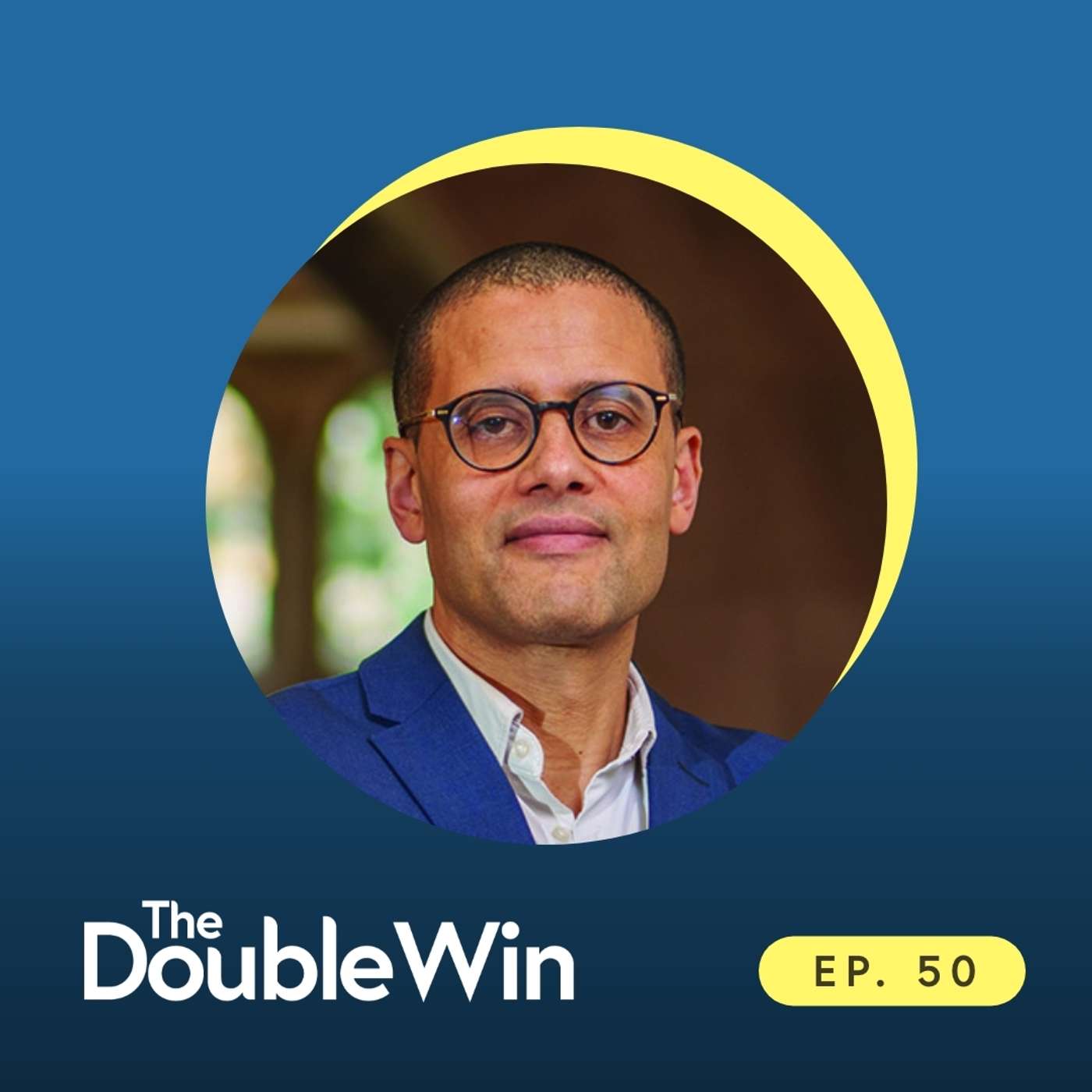
Most of us have an unspoken rule set for modern relationships: Avoid the landmines. But according to Jacob Mchangama, that kind of fear-based self-censorship leads to disconnection. If you can’t be forthright about what matters with the people you share life with, you may stay civil, but you won’t stay close.
In this episode, Michael and Megan sit down with Jacob Mchangama—founder and executive director of the Future of Free Speech at Vanderbilt University—to explore what it looks like to disagree without dehumanizing. They talk about why today’s conversations feel existential, how identity gets tangled with beliefs, and how to build habits that keep you grounded when your nervous system wants to go to war.
Memorable Quotes
- “It is much better to confront those differences head-on rather than try to hide them under this veneer of mutual tolerance and respect—which really is not based on mutual tolerance and respect if you can't have those difficult conversations that divide people.”
- “When you self-censor about issues that are deeply meaningful to you, issues that affect society as a whole, when you think that you cannot speak out on an issue where you think someone that you're close to is wrong… it breeds loneliness. And then if you can only be very forthright about certain issues with a group of people who are completely like-minded, then that might also be self-radicalizing, in a way.”
- “Approach discussions on social media, for instance, with a mindset of saying, ‘I'm not going into this debate or discussion to win. I'm going into this discussion because I'm passionate about this issue, but I might be wrong.’”
- “If you have a conversation with someone and you know that you have very different positions on a given topic, you have an opportunity to learn something. Even if that person is not able to convince you about that position, they might have points that make you understand your own position better, or maybe you tweak your own position. Even if you tweak it 5%, that's quite valuable, right?”
- “If you allow yourself to be in the mindset, again, as I said before of ‘I'm not entering this discussion in order to win. I'm entering this discussion because it's a topic that I'm passionate about. I have certain beliefs, but I am willing to change my mind. I am very cognizant about the fact that I am not omniscient. I am a human being with very limited knowledge.’ Just about every person that you meet will have some kind of experience, some kind of knowledge that you don't have, if you are willing to tap into that.”
- “[When] our identity is wrapped up in that to the point that we can never say we're wrong or we can never say that we made a mistake, that's a really dangerous place, because then you get into this ideological sunk cost fallacy situation where like you can't ever backtrack or change or evolve or grow. And hopefully, in relationships, we are able to evolve and grow. That's one of the gifts of relationships.”
Key Takeaways
- Not All Self-Censorship Is Bad. Filtering thoughtless comments is basic social wisdom. Silence driven by fear around meaningful issues is what erodes connection.
- Curiosity Disarms Conflict. Enter hard conversations with a posture of humility: I care about this—and I could be wrong. When you aspire to learn, you probably will.
- Aim for Understanding, Not Conversion. Even if no one changes their mind, you can refine your thinking and better understand the human story behind the opposing view.
- Deescalation Is a Skill. If emotions get the better of you, apologizing can reset the tone and invite good faith back into the room.
- Boundaries Aren’t Censorship. If someone consistently denigrates you or refuses meaningful parameters, disengaging is healthy—not a failure.
- Leaders Set the Temperature. Trust grows when people can challenge ideas (even leadership decisions) without fear of punishment or shame.
Resources
- Free Speech by Jacob Mchanama
- Jacob Mchangama’s Substack
Watch on YouTube at: https://youtu.be/lKzhW8tjL3Y
This episode was produced by Sarah Vorhees Wendel of VW Sound
View more