The Bible Standard - Discover the Truth. (By Christadelphianvideo.org)
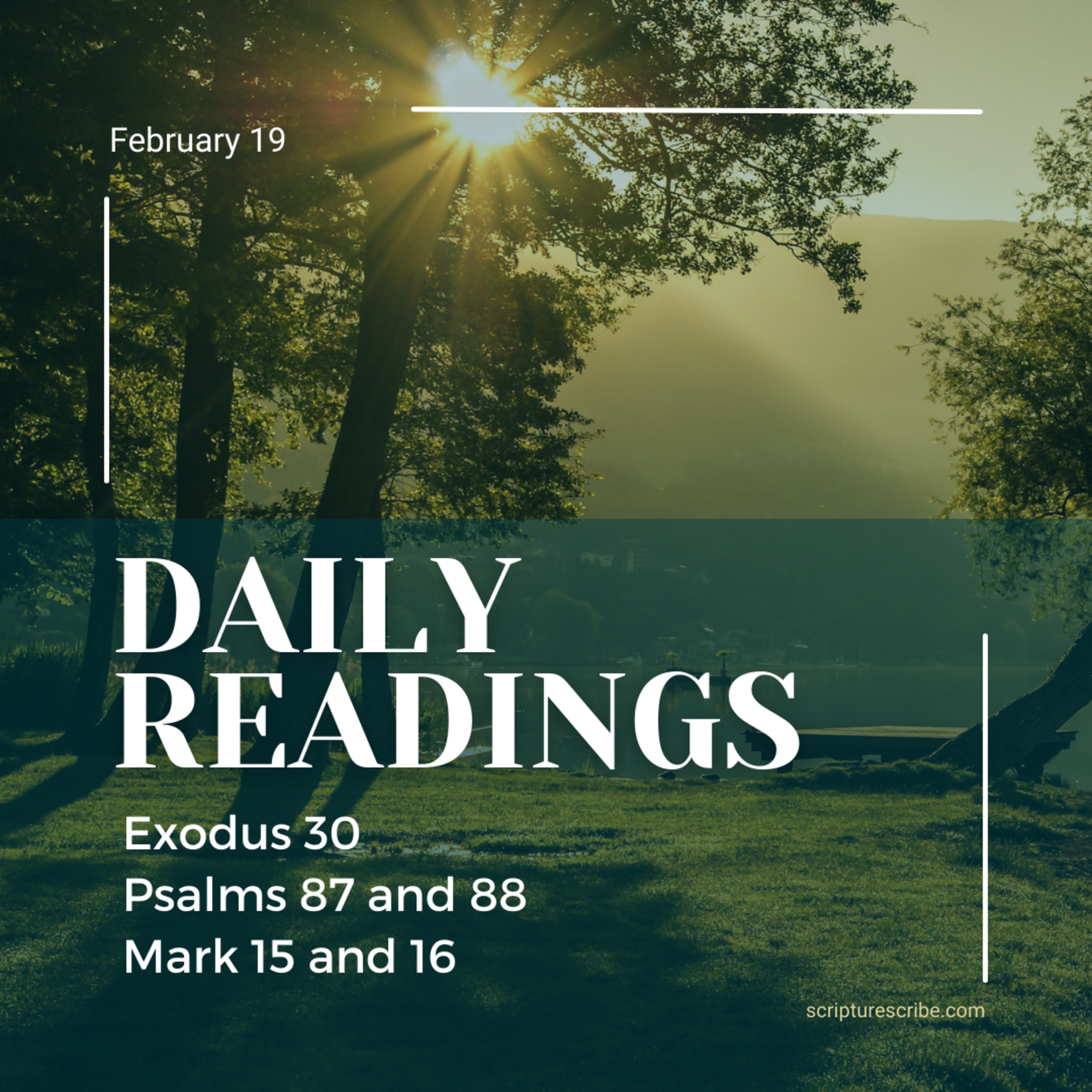
Thoughts on the readings for February 19th (Exodus 30, Psalms 87, 88, Mark 15, 16)
2025-02-18
Exodus 30 tells us of the altar of incense. Its dimensions and the materials of which it was made. Verses 1-10 tells us that it was a box made of acacia wood overlaid with gold. Around the top of the golden box was a crown of gold. Identical language is used for the protective parapet that was on the roof of every Jewish house – indicating that like the altar of incense the house was dedicated to prayer. The compounded incense was to be burnt to smoke. The fragrant incense described at the e...
View more
Comments (3)
More Episodes
All Episodes>>You may also like







Get this podcast on your phone, Free


Create Your Podcast In Minutes
- Full-featured podcast site
- Unlimited storage and bandwidth
- Comprehensive podcast stats
- Distribute to Apple Podcasts, Spotify, and more
- Make money with your podcast
It is Free