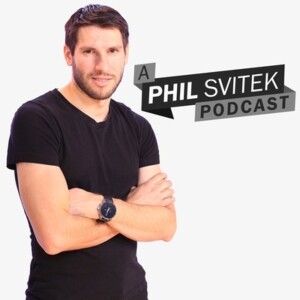
A Phil Svitek Podcast - A Series From Your 360 Creative Coach
Concert Art Workflow Overview: Our Process for The Arbiters (Why We Go Chronologically)
2026-03-05
When it comes to concept art, there are a lot of ways to do it. You can design by theme.You can isolate characters first.You can tackle environments in batches.You can refine one visual language until it’s perfect before moving on. That might even be the “better” way.But for The Arbiters, we’re doing something different.In this episode, I break down our concept art process — specifically why we’re moving chronologically through the script, designing scenes in order rather than by category or...
View more
Comments (3)
More Episodes
All Episodes>>





Get this podcast on your phone, Free


Create Your Podcast In Minutes
- Full-featured podcast site
- Unlimited storage and bandwidth
- Comprehensive podcast stats
- Distribute to Apple Podcasts, Spotify, and more
- Make money with your podcast
It is Free