Trump’s latest financial disclosure points to something far bigger than another ethics scandal: a presidency being used as a vehicle for private financial gain. From crypto windfalls and foreign-linked deals to branding revenue, settlements, and the continued monetization of political power, the numbers raise a constitutional question hiding in plain sight: what happens when the Emoluments Clauses are not enough?Corey Brettschneider and John Fugelsang break down the corruption story behind T...
Trump’s latest financial disclosure points to something far bigger than another ethics scandal: a presidency being used as a vehicle for private financial gain. From crypto windfalls and foreign-linked deals to branding revenue, settlements, and the continued monetization of political power, the numbers raise a constitutional question hiding in plain sight: what happens when the Emoluments Clauses are not enough?
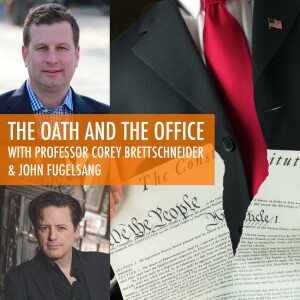
Corey Brettschneider and John Fugelsang break down the corruption story behind Trump’s reported $2.2 billion haul, why the Constitution contains two Emoluments Clauses, and why those protections remain dangerously underdeveloped because Congress has never clearly codified them into modern criminal law. Corey argues that using public office for private gain must be treated as a central abuse of presidential power — and that making anti-corruption reform a campaign issue is essential to restoring the rule of law.
Then they turn to the FBI’s reported new push into Georgia 2020 election matters, the Supreme Court’s major ruling on transgender athletes, the Supreme Court’s refusal to disturb the E. Jean Carroll verdict, and the extraordinary NPR correction involving Justice Alito.
This is not just a story about Trump’s money. It is a story about whether American law is prepared to stop a president from turning the office itself into a profit machine — and why Congress must finally make that abuse unmistakably illegal.
View more