Is it really a good idea to get medical care from online pharmacies posing as clinics?This week on Fat Science, Dr. Emily Cooper, Mark Wright, and Andrea Taylor dig into a Yale secret shopper study that tested 49 websites selling GLP-1 medications online. The websites look and market like medical clinics, but the study found that most patients never spoke to a clinician at all before getting a prescription. Dr. Cooper, Mark, and Andrea unpack what real medical care requires, why these platforms skip it, and what that means for anyone considering...
Is it really a good idea to get medical care from online pharmacies posing as clinics?
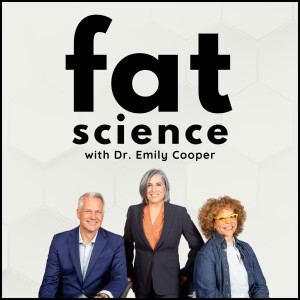
This week on Fat Science, Dr. Emily Cooper, Mark Wright, and Andrea Taylor dig into a Yale secret shopper study that tested 49 websites selling GLP-1 medications online. The websites look and market like medical clinics, but the study found that most patients never spoke to a clinician at all before getting a prescription. Dr. Cooper, Mark, and Andrea unpack what real medical care requires, why these platforms skip it, and what that means for anyone considering this route.
KEY TAKEAWAY
Two-thirds of the sites in the study issued a prescription with no clinician contact of any kind — despite marketing themselves as medical clinics.
Fewer than 40% asked for any clinical measurement (blood pressure, labs, etc.), and only 18% asked whether the patient even had a primary care doctor.
Many of these sites are financially connected to compounding pharmacies and use leading questions to push add-ons that create untested drug combinations.
Real medical care means a full history, objective labs, and ongoing monitoring — not a five-minute questionnaire and an automatic credit card charge.
NOTABLE QUOTE
"The marketing appears to be a medical clinic or a medical company, when in fact it's really just a sale of a drug." Dr. Emily Cooper
LINKS & RESOURCES
Study published in JAMA on the secret shopper findings
Links & Resources
Podcast Home: fatsciencepodcast.com
Cooper Center for Metabolism: coopermetabolic.com
Resources from Dr. Cooper: coopermetabolic.com/resources
Join Our Community: patreon.com/cw/FatSciencePodcast
Submit Your Question: questions@fatsciencepodcast.com or dr.c@fatsciencepodcast.com
Fat Science is supported by the Diabesity Institute, a nonprofit dedicated to increasing access to effective, science-based metabolic care.
This podcast is for informational purposes only and is not intended as medical advice. Please consult with a qualified healthcare provider for personalized recommendations.
View more