Yeshua's Passover
The Foundation of Redemption
This Bible teaching from Founded in Truth Fellowship centers on the profound significance of Passover and its reinterpretation by Yeshua (Jesus) during the Last Supper. The speaker emphasizes that the Passover event is not merely a historical commemoration but the foundational narrative for the entire story of Israel in both the Old and New Testaments. The Exodus from Egypt, brought about by God's mighty acts, including the final plague of the...
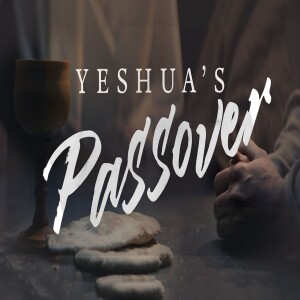
Yeshua's Passover
The Foundation of Redemption
This Bible teaching from Founded in Truth Fellowship centers on the profound significance of Passover and its reinterpretation by Yeshua (Jesus) during the Last Supper. The speaker emphasizes that the Passover event is not merely a historical commemoration but the foundational narrative for the entire story of Israel in both the Old and New Testaments. The Exodus from Egypt, brought about by God's mighty acts, including the final plague of the firstborn, is presented as a pivotal moment where God redeemed a people for Himself and initiated a covenant with them, leading them towards the promised land of rest.
The teaching highlights how the biblical authors intentionally weave themes and phrases throughout scripture, connecting the creation story in Genesis, Noah's Ark, and the Exodus. For instance, the splitting of the Red Sea is likened to the creation where God's Spirit moved over the waters and dry land appeared. The ultimate goal of creation, God dwelling with humanity in a place of rest, is echoed in the promised land and later in the temple.
A Timeless Tradition with Evolving Meaning
The Passover Seder, a tradition spanning approximately 3,500 years, is described as a meal centered around storytelling, specifically the origin story of God's people. The speaker recounts a vibrant Passover celebration with children asking the traditional four questions, underscoring God's intention for this meal to be a teaching opportunity for future generations, ingraining in them the narrative of suffering, oppression, God's salvation, justice, and redemption through the blood of the lamb.
The gospels of Matthew, Mark, Luke, and John all emphasize the final week of Yeshua's life, dedicating a significant portion of their narratives to this period, particularly His triumphant entry into Jerusalem and the events leading up to His crucifixion. The Last Supper, occurring during the Passover, is presented not as a theological lecture but as a meal through which Yeshua explained the meaning of His impending death to His closest followers.
Reframing the Passover: Yeshua's Body and Blood
During the Last Supper, Yeshua radically reframed the traditional elements of the Passover Seder. Instead of the usual setting with nice chairs and tables depicted in Renaissance art, the historical context suggests a low table where participants reclined, a common practice during Roman feasts. The speaker notes that Yeshua reclining with sinners and tax collectors earlier in His ministry foreshadows the intimate table fellowship of the Last Supper.
As they were eating the Passover meal, Yeshua took the unleavened bread, blessed it, broke it, and gave it to His disciples, saying, "**This is my body**." This declaration was revolutionary, as never before in the Passover tradition had the bread been associated with a person's body. The speaker explains the symbolism of the bread: just as bread provides life and sustenance, Yeshua's body, which would be beaten, sliced, and subjected to a "furnace of flames" (referring to His suffering), would also give life.
Similarly, after giving thanks for the cup of wine (likely the third cup in the traditional Seder), Yeshua gave it to His disciples, saying, "**This is my blood of the covenant, which is poured out for many for the forgiveness of sins**." This act connected the wine, traditionally a symbol of celebration and God's redemptive power during the Exodus, to the spilling of His own blood, establishing a new covenant for the forgiveness of sins. This reframing transformed the Passover from a commemoration of past deliverance to a present and future reality of freedom from sin through Yeshua's sacrifice.
The speaker mentions Rabbi Gamaliel's teaching in the Mishnah that a legitimate Passover Seder must include matzah (unleavened bread), moror (bitter herbs), and the (represented) lamb. While the gospel accounts do not explicitly mention a lamb at the Last Supper, the speaker suggests that Yeshua Himself became the lamb of the new Passover. The bitter herbs, symbolizing the bitterness of slavery in Egypt, are reinterpreted to also represent the bitterness of sin and oppression in our own lives, even the "Pharaoh within us."
Participating in the New Passover: Communion
The Last Supper, or Communion (also called the Eucharist), is presented as a continuation and re-imaging of the Passover. By partaking in the bread and the cup, believers participate in Yeshua's death, burial, and resurrection. This act is not just a remembrance of a past event but a present reality where individuals acknowledge their own "Egypt" – the things they were enslaved to before encountering Yeshua, such as selfishness, bitterness, and the pursuit of worldly desires.
The speaker emphasizes that Yeshua's message transcends an "us versus them" mentality, focusing instead on the universal human condition of being trapped and oppressed by sin. Evil originates from within the human heart, manifesting as evil thoughts, lust, pride, gossip, and more. Yeshua's mission was to provide a remedy for this slavery through His life, offering a glimpse of heaven; His death, taking the place of humanity; and His resurrection, offering new life in an eternal kingdom.
The choice presented to believers is whether to remain in the "Egypt" of their former lives, enslaved to sin, or to embrace the freedom offered through Yeshua, the Lamb who provides forgiveness. The act of taking the bread and the cup is a conscious decision to participate in this new covenant and align with God's kingdom. The absence of a formal distribution of communion during the teaching is intentional, allowing for personal reflection and a deliberate choice to partake in this symbolic meal, acknowledging one's heart condition and desire for freedom from sin.
To find more Bible Teachings, click the link.
Applications for Everyday Life
- Reflect on your personal "Egypt": Identify the areas in your life where you feel enslaved or oppressed, whether by external circumstances or internal struggles like selfishness, bitterness, or unhealthy habits.
- Recognize the bitterness of sin: Just as the bitter herbs remind us of the suffering of slavery, acknowledge the destructive nature and consequences of sin in your own life and the lives of others.
- Embrace Yeshua as the Passover Lamb: Understand that Yeshua's sacrifice provides the ultimate redemption from sin and death, just as the blood of the lamb protected the Israelites from the final plague.
- Participate in Communion with intention: When partaking in the bread and the cup, do so with a mindful awareness of its symbolism – Yeshua's broken body and shed blood for the forgiveness of sins and the establishment of a new covenant.
- Live as a redeemed people: Recognize that, as followers of Yeshua, you are part of a people freed from slavery, called to live out the testimony of God's grace and love in the present.
- Continuously ground yourself in the story of redemption: Regularly revisit the story of Passover and the Last Supper to remember God's faithfulness and your ongoing participation in the exodus from spiritual slavery.
- Extend grace and love to others: Following Yeshua's example, reach out to the marginalized and those who are seen as "other," recognizing that all humanity is in need of redemption from sin.
- Choose freedom over the "watermelons of Egypt": Be aware of the temptation to return to comfortable but ultimately destructive patterns of behavior, and actively choose the freedom offered in Yeshua.
Books and Resources Mentioned
- The Bible by Various Authors
- Mishnah by Various Authors
Note: This article contains affiliate links.