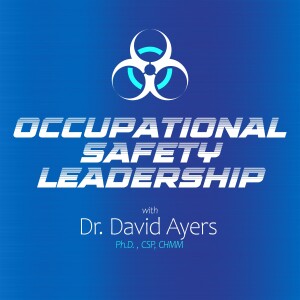
The Occupational Safety Leadership Podcast
Episode 194 - Occupational Safety - Safety Inspections Follow-Up
2024-10-14
Dr. Ayers explains that a safety inspection is only as valuable as the follow‑up that happens afterward. Identifying hazards is step one — ensuring they are corrected, tracked, and understood is what actually prevents injuries.
🧠 Key Themes
1. Follow‑Up Is Essential for Credibility
Employees quickly notice when inspection findings disappear into a black hole. Dr. Ayers emphasizes that leaders must:
Track findings
Communicate progress
Close the loop with employees
This builds trust and reinforces that safety concerns matter. Sources:
View more
Comments (3)
More Episodes
All Episodes>>You may also like





Get this podcast on your phone, Free


Create Your Podcast In Minutes
- Full-featured podcast site
- Unlimited storage and bandwidth
- Comprehensive podcast stats
- Distribute to Apple Podcasts, Spotify, and more
- Make money with your podcast
It is Free