Episode List
How Do IRAs Actually Work?
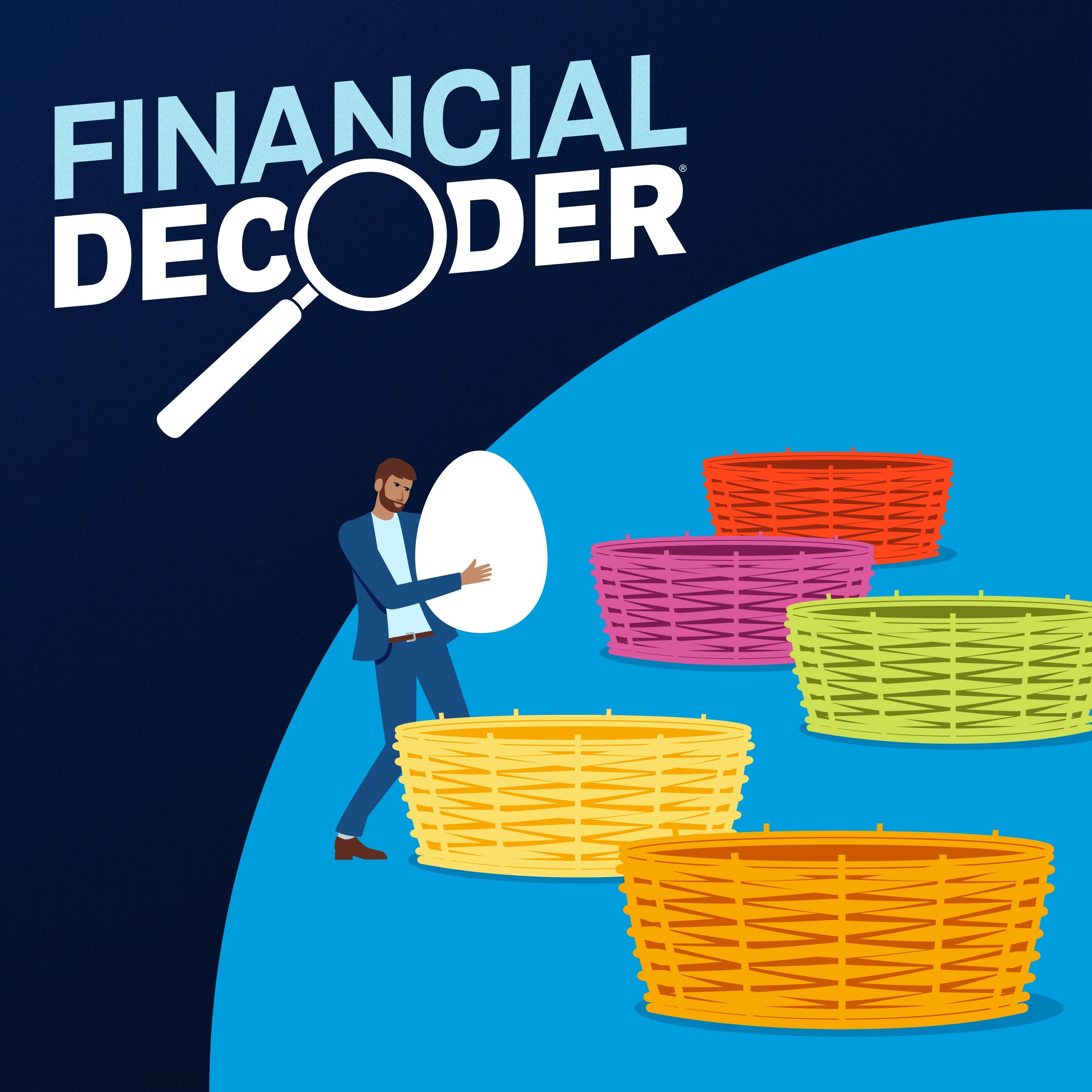
Individual retirement accounts (IRAs) are one of the most widely used retirement savings vehicles, yet many investors are unsure how they work. Mark Riepe breaks down IRA basics, including traditional IRAs, Roth IRAs, contribution limits, tax advantages, withdrawal rules, and eligibility requirements. He also explains key differences between IRA types and offers a framework for evaluating which option may fit your retirement-planning goals. Whether you're opening your first IRA or comparing retirement account options, this episode provides a practical guide to understanding the fundamentals. After you listen: Read the article "What Is an IRA? Traditional, Roth, and Other Types of IRAs." Learn more about IRAs and what to consider for your retirement planning. Financial Decoder is an original podcast from Charles Schwab. If you enjoy the show, please leave us a rating or review on Apple Podcasts. Reach out to Mark on X @MarkRiepe with your thoughts on the show. Follow Financial Decoder on Spotify to comment on episodes. Important Disclosures This material is intended for general informational and educational purposes only. This should not be considered an individualized recommendation or personalized investment advice. The investment strategies mentioned are not suitable for everyone. Each investor needs to review an investment strategy for his or her own particular situation before making any investment decisions. All expressions of opinion are subject to change without notice in reaction to shifting market, economic or political conditions. Roth IRA conversions require a 5-year holding period before earnings can be withdrawn tax free and subsequent conversions will require their own 5-year holding period. In addition, earnings distributions prior to age 59 1/2 are subject to an early withdrawal penalty. Withdrawals and distributions of taxable amounts are subject to ordinary income tax and, if made prior to age 59½, may be subject to an additional 10% federal income tax penalty, sometimes referred to as an additional income tax. You generally have to start taking required minimum distributions (RMDs) no later than April 1st of the year following the calendar year you reach age 73 or retire, whichever is later. If you were born on or before June 30, 1949, the required minimum distribution age is 70½. If you were born after June 30, 1949 and before January 1, 1951, the required minimum distribution age is 72. If you own 5% or more of the business sponsoring the Plan, other provisions may apply. Refer to your Plan document for details. However, you are not required to take a minimum distribution from your Roth accounts during your lifetime. A rollover of retirement plan assets to an IRA is not your only option. Carefully consider all of your available options, which may include but not be limited to keeping your assets in your former employer's plan; rolling over assets to a new employer's plan; or taking a cash distribution (taxes and possible withdrawal penalties may apply). Prior to a decision, be sure to understand the benefits and limitations of your available options and consider factors such as differences in investment-related expenses, plan or account fees, available investment options, distribution options, legal and creditor protections, the availability of loan provisions, tax treatment, and other concerns specific to your individual circumstances. Investing involves risk, including loss of principal. Past performance is no guarantee of future results. The Schwab Center for Financial Research is a division of Charles Schwab & Co., Inc. 0826-RTYC Hosted by Simplecast, an AdsWizz company. See pcm.adswizz.com for information about our collection and use of personal data for advertising.
What's Really Driving Your Portfolio Decisions?
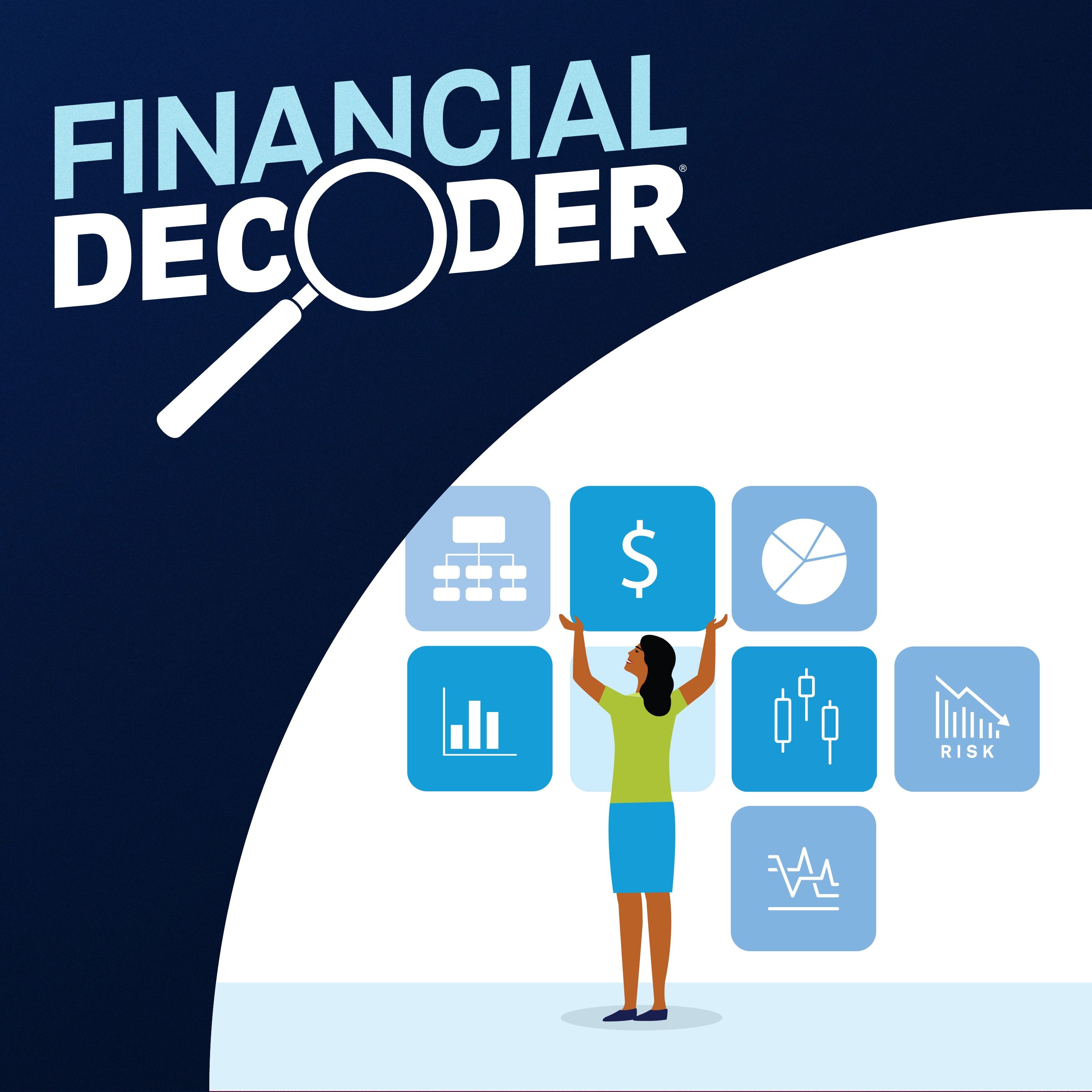
Making smart portfolio decisions require more than just choosing investments. It requires managing your own behavior. Mark speaks with Schwab Wealth Advisory's Chief Portfolio Strategist Kasey McCurdy about how emotions influence investing decisions and why investors often struggle with rebalancing, diversification, and staying invested during market volatility. Along the way, they share practical ways to approach portfolio construction and avoid common behavioral investing pitfalls. After you listen: Learn how a goals-based approach to investing can help you build and manage a portfolio with Schwab Wealth Advisory™. Check out Schwab's resources on portfolio management for more about diversification, rebalancing, and other long-term investing strategies. Financial Decoder is an original podcast from Charles Schwab. If you enjoy the show, please leave us a rating or review on Apple Podcasts. Reach out to Mark on X @MarkRiepe with your thoughts on the show. Follow Financial Decoder on Spotify to comment on episodes. Important Disclosures This material is intended for general informational and educational purposes only. This should not be considered an individualized recommendation or personalized investment advice. The investment strategies mentioned are not suitable for everyone. Each investor needs to review an investment strategy for his or her own particular situation before making any investment decisions. All expressions of opinion are subject to change without notice in reaction to shifting market, economic or political conditions. Diversification, asset allocation, and rebalancing strategies do not ensure a profit and do not protect against losses in declining markets. Rebalancing may cause investors to incur transaction costs and, when a non-retirement account is rebalanced, taxable events may be created that may affect your tax liability. There are risks associated with investing in dividend paying stocks, including but not limited to the risk that stocks may reduce or stop paying dividends. Schwab Wealth Advisory™ ("SWA") is a non‐discretionary investment advisory program sponsored by Charles Schwab & Co., Inc. ("Schwab"). Schwab Wealth Advisory, Inc. ("SWAI") is a Registered Investment Adviser and provides portfolio management for the SWA program. Schwab and SWAI are affiliates and are subsidiaries of The Charles Schwab Corporation. Investing involves risk, including loss of principal. Past performance is no guarantee of future results. The Schwab Center for Financial Research is a division of Charles Schwab & Co., Inc. 0726-GHDM Hosted by Simplecast, an AdsWizz company. See pcm.adswizz.com for information about our collection and use of personal data for advertising.
What Can America's First 250 Years Teach Us?
What can America's first 250 years teach investors? In this special Independence Day episode, Mark Riepe examines key moments in U.S. economic and financial history, including national debt, inflation, currency, taxation, tariffs, and personal finance. Through stories spanning the Revolutionary War to the 20th century, he highlights the people, policies, and financial decisions that helped shape the nation—and the lessons they still offer today. After you listen: Curious how today's policy debates connect to the markets? Listen to the WashingtonWise podcast for Mike Townsend's analysis of the issues shaping investors' decisions. Financial Decoder is an original podcast from Charles Schwab. If you enjoy the show, please leave us a rating or review on Apple Podcasts. Reach out to Mark on X @MarkRiepe with your thoughts on the show. Follow Financial Decoder on Spotify to comment on episodes. Important Disclosures This material is intended for general informational and educational purposes only. This should not be considered an individualized recommendation or personalized investment advice. The investment strategies mentioned are not suitable for everyone. Each investor needs to review an investment strategy for his or her own particular situation before making any investment decisions. All expressions of opinion are subject to change without notice in reaction to shifting market, economic or political conditions. The policy analysis provided by the Charles Schwab & Co., Inc., does not constitute and should not be interpreted as an endorsement of any political party. Investing involves risk, including loss of principal. Past performance is no guarantee of future results. The Schwab Center for Financial Research is a division of Charles Schwab & Co., Inc. 0726-89T4 Hosted by Simplecast, an AdsWizz company. See pcm.adswizz.com for information about our collection and use of personal data for advertising.
Could a Trust Fit Your Estate Plan?
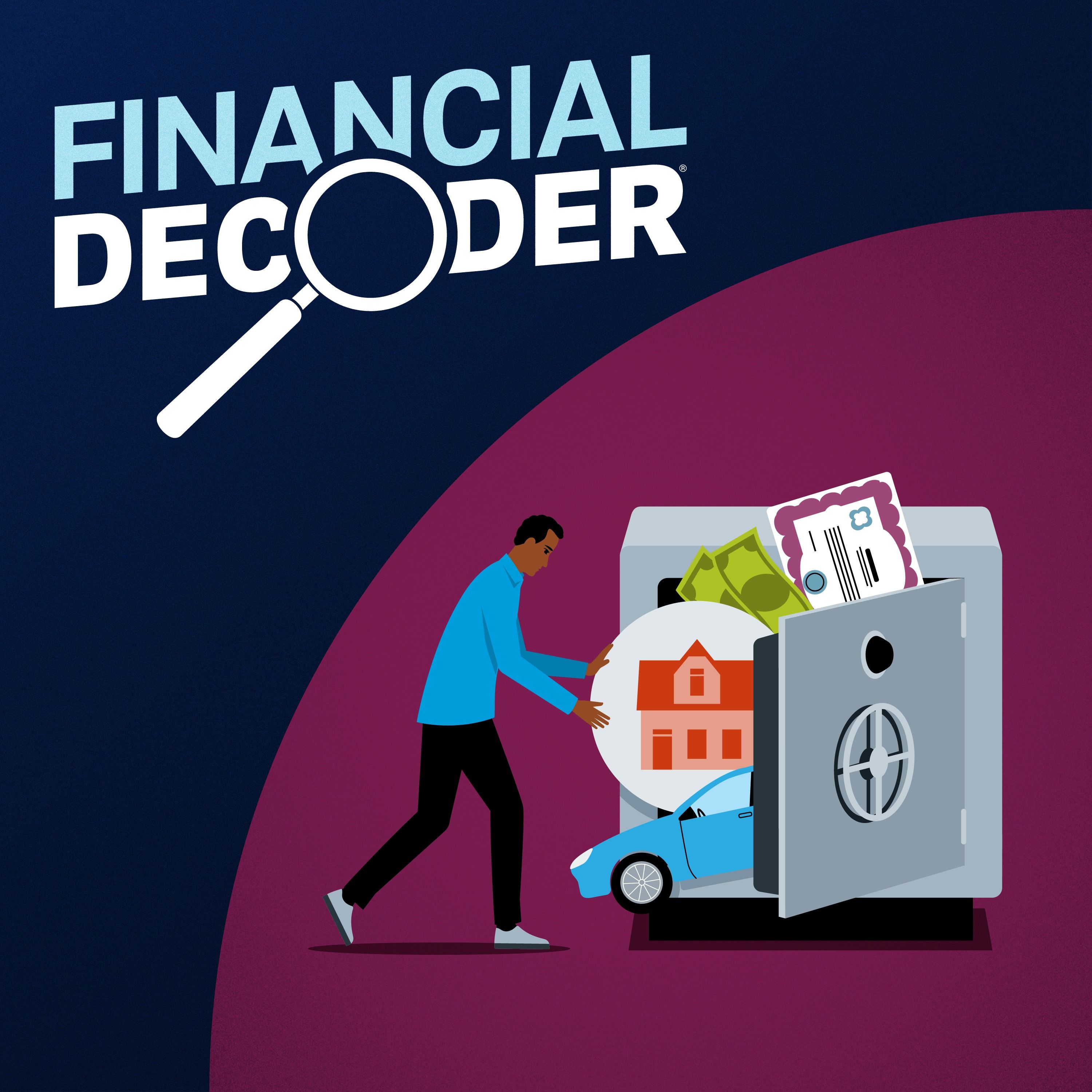
Trusts can be a powerful estate planning tool, but many people overlook them or assume they’re only for the wealthy. This episode breaks down how trusts work, including key differences between revocable and irrevocable trusts and their role in probate, asset management, and control. It also explores when a trust might make sense based on your goals, family needs, and financial situation. If you’re building an estate plan, understanding trusts can help you make more informed decisions. After you listen: Find more of Schwab's educational resources on trusts. Learn more about estate planning from Austin Jarvis. Financial Decoder is an original podcast from Charles Schwab. If you enjoy the show, please leave us a rating or review on Apple Podcasts. Reach out to Mark on X @MarkRiepe with your thoughts on the show. Follow Financial Decoder on Spotify to comment on episodes. Important Disclosures This material is intended for general informational and educational purposes only. This should not be considered an individualized recommendation or personalized investment advice. The investment strategies mentioned are not suitable for everyone. Each investor needs to review an investment strategy for his or her own particular situation before making any investment decisions. All expressions of opinion are subject to change without notice in reaction to shifting market, economic or political conditions. This general information is not intended to be a substitute for specific individualized tax, legal, or investment planning advice and is not intended to be construed as tax advice. This information cannot be used for the purpose of avoiding penalties that may be imposed under the Internal Revenue Code or applicable state or local tax law provisions. Where specific advice is necessary or appropriate, Schwab recommends consulting with a qualified tax professional, CPA, financial planner, investment manager , or estate attorney>. Investing involves risk, including loss of principal. The Schwab Center for Financial Research is a division of Charles Schwab & Co., Inc. 0626-0RM3 Hosted by Simplecast, an AdsWizz company. See pcm.adswizz.com for information about our collection and use of personal data for advertising.
How Do You Offer Financial Guidance to a College Grad?
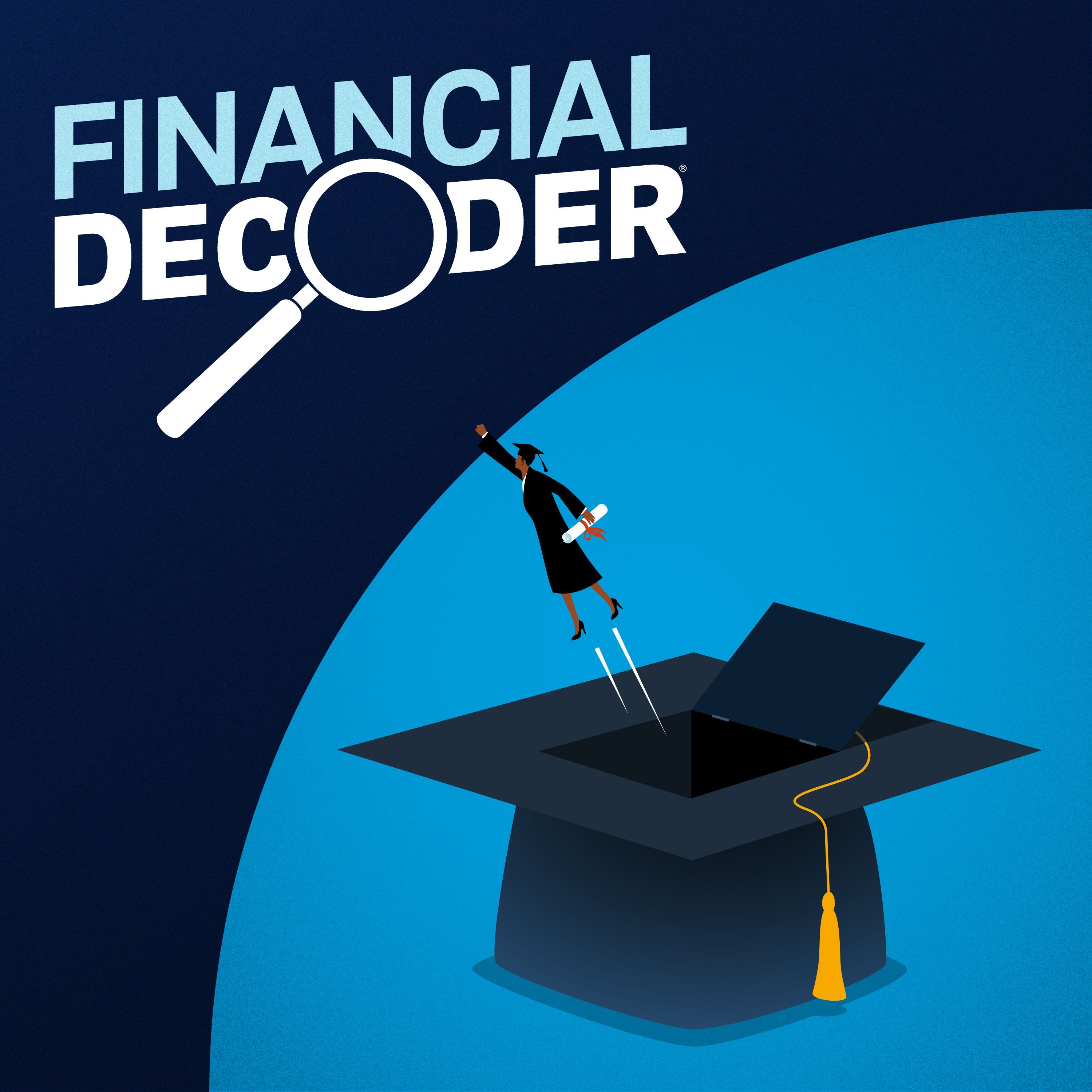
Giving financial guidance to a college grad can be challenging, especially when advice is unsolicited or poorly timed. In this episode, host Mark Riepe is joined by returning guest, Patrick Means, to break down how to help new graduates make smarter financial and investing decisions by focusing on communication, not just content. Discover how to frame advice around a young adult's goals, avoid common pitfalls, and address behavioral biases such as procrastination and exponential growth bias. Plus learn the foundational habits that set college grads up for long-term financial success, from budgeting to investing. After you listen: Find more educational resources at Schwab Moneywise Teens. Learn more about the Schwab Teen Investing Account. Financial Decoder is an original podcast from Charles Schwab. If you enjoy the show, please leave us a rating or review on Apple Podcasts. Reach out to Mark on X @MarkRiepe with your thoughts on the show. Follow Financial Decoder on Spotify to comment on episodes. Important Disclosures This material is intended for general informational and educational purposes only. This should not be considered an individualized recommendation or personalized investment advice. The investment strategies mentioned are not suitable for everyone. Each investor needs to review an investment strategy for his or her own particular situation before making any investment decisions. All expressions of opinion are subject to change without notice in reaction to shifting market, economic or political conditions. For important information on the Schwab Teen Investor™ account, including restrictions and limitations, go to schwab.com/teen-account. Investing involves risk, including loss of principal. Past performance is no guarantee of future results. All corporate names and market data shown are for illustrative purposes only and are not a recommendation, offer to sell, or a solicitation of an offer to buy any security. The Schwab Center for Financial Research is a division of Charles Schwab & Co., Inc. 0626-U822 Hosted by Simplecast, an AdsWizz company. See pcm.adswizz.com for information about our collection and use of personal data for advertising.
You may also like

Get this podcast on your phone, Free


Create Your Podcast In Minutes
- Full-featured podcast site
- Unlimited storage and bandwidth
- Comprehensive podcast stats
- Distribute to Apple Podcasts, Spotify, and more
- Make money with your podcast
