
Episode List
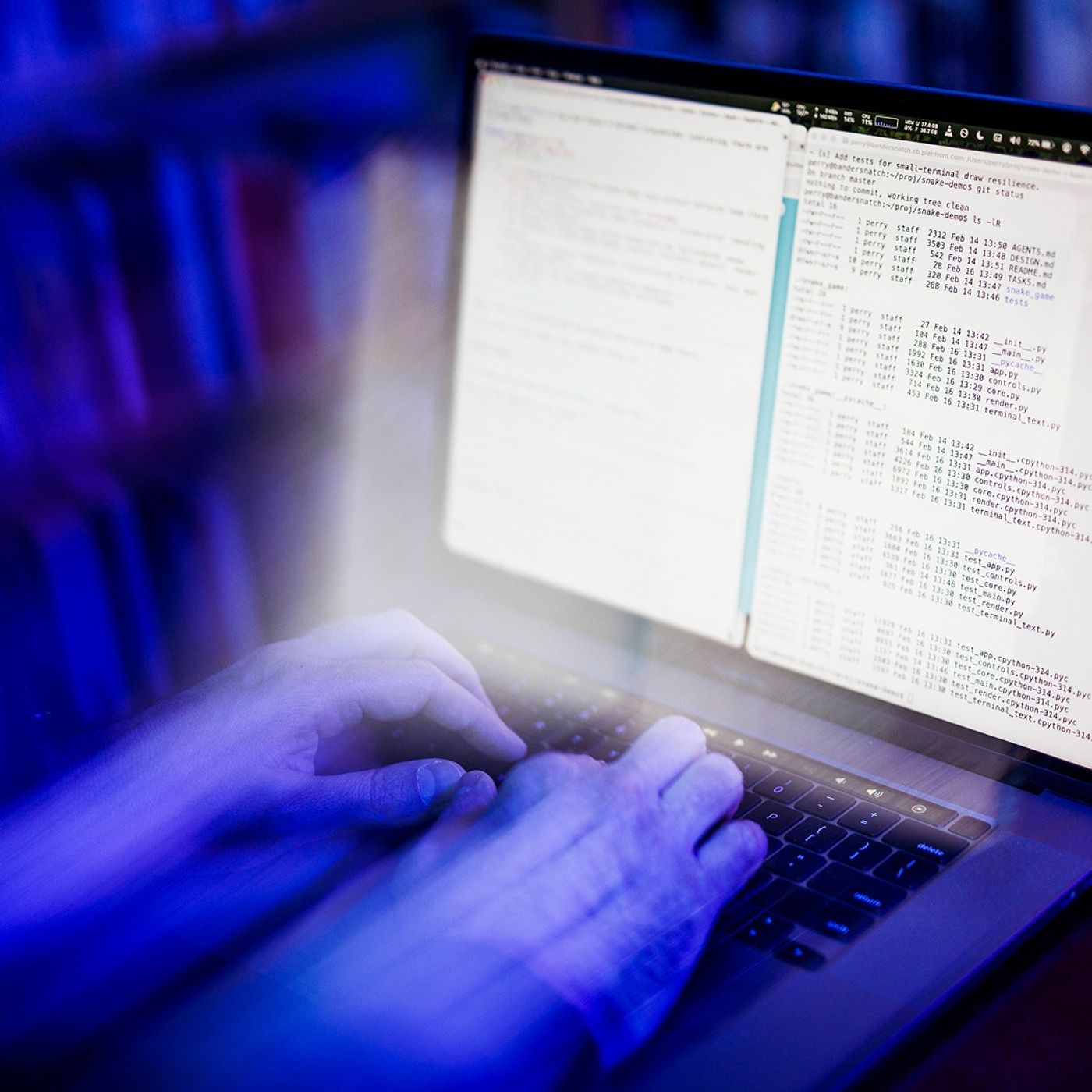
The Workers Letting A.I. Do Their Jobs
Since the release of generative A.I., questions have been raised about how it would change our lives and jobs. Now, many software developers who were early adopters of the technology have outsourced so many tasks that they barely program at all. Clive Thompson, who writes about technology and science, interviewed about 75 software developers at major tech companies, small businesses and start-ups. He explains what it looks like when programmers invite A.I. to help them do their jobs. Guest: Clive Thompson, who writes about technology and science for The New York Times Magazine, Wired, Smithsonian and other publications. Background reading: Coding after coders: It’s the end of computer programming as we know it. Photo: Adam Glanzman for The New York Times For more information on today’s episode, visit nytimes.com/thedaily. Transcripts of each episode will be made available by the next workday. Subscribe today at nytimes.com/podcasts or on Apple Podcasts and Spotify. You can also subscribe via your favorite podcast app here https://www.nytimes.com/activate-access/audio?source=podcatcher. For more podcasts and narrated articles, download The New York Times app at nytimes.com/app. Hosted by Simplecast, an AdsWizz company. See pcm.adswizz.com for information about our collection and use of personal data for advertising.

Why U.S.-Iran Negotiations Failed
After negotiations over the weekend between the United States and Iran ended without a breakthrough, the temporary cease-fire appears to be increasingly precarious. The New York Times journalists Ronen Bergman and Mark Mazzetti explain why Israel is one of the biggest questions looming over the truce. Guest: Ronen Bergman, a staff writer for The New York Times Magazine based in Tel Aviv. Mark Mazzetti, an investigative reporter for The New York Times based in Washington. Background reading: Here’s what to know about the cease-fire talks. Iran’s top negotiator said the talks were unsuccessful because Washington failed to win Tehran’s trust. Photo: Pool photo by Jacquelyn Martin For more information on today’s episode, visit nytimes.com/thedaily. Transcripts of each episode will be made available by the next workday. Subscribe today at nytimes.com/podcasts or on Apple Podcasts and Spotify. You can also subscribe via your favorite podcast app here https://www.nytimes.com/activate-access/audio?source=podcatcher. For more podcasts and narrated articles, download The New York Times app at nytimes.com/app. Hosted by Simplecast, an AdsWizz company. See pcm.adswizz.com for information about our collection and use of personal data for advertising.

One Reporter’s Life-Altering Psychedelic Trip
The first time Robert Draper heard about the psychedelic drug ibogaine, it was from an unlikely source: the retired U.S. senator Kyrsten Sinema. As a political reporter for The New York Times, Draper often talks to figures like Ms. Sinema. But on this occasion, he said, she wanted to tell him about how she had tried ibogaine, which is illegal in the United States. She’d become such a believer in the drug that she was pushing her home state of Arizona to fund clinical trials for veterans with combat-related trauma. Draper found that Ms. Sinema wasn’t the only politician to take up the cause. Rick Perry, the former Texas governor, Republican presidential candidate and Trump energy secretary, has also advocated for research into ibogaine in recent years and taken the drug himself. In 2025, because of Mr. Perry’s efforts, Texas became the first state to dedicate public funds to ibogaine research with veterans. Recent studies of ibogaine at Stanford University and elsewhere suggest that it might prove effective in treating post-traumatic stress disorder, traumatic brain injuries, addiction and a range of other conditions. As Draper reported on ibogaine’s transformative effects on others, he wondered: Could it help him, too? Today, on “The Sunday Daily,” Natalie Kitroeff talks to Robert Draper about what drew him to travel to Mexico to try ibogaine, and how his trip changed his life. On Today’s Episode: Robert Draper (usually) writes about domestic politics for The New York Times. Background Reading: It’s an Obscure Psychedelic Used to Treat Trauma. Could It Help Me? The Long, Strange Trip of Rick Perry Art Credit: Illustration By Melissa Santamaría Subscribe today at nytimes.com/podcasts or on Apple Podcasts and Spotify. You can also subscribe via your favorite podcast app here https://www.nytimes.com/activate-access/audio?source=podcatcher. For more podcasts and narrated articles, download The New York Times app at nytimes.com/app. Hosted by Simplecast, an AdsWizz company. See pcm.adswizz.com for information about our collection and use of personal data for advertising.
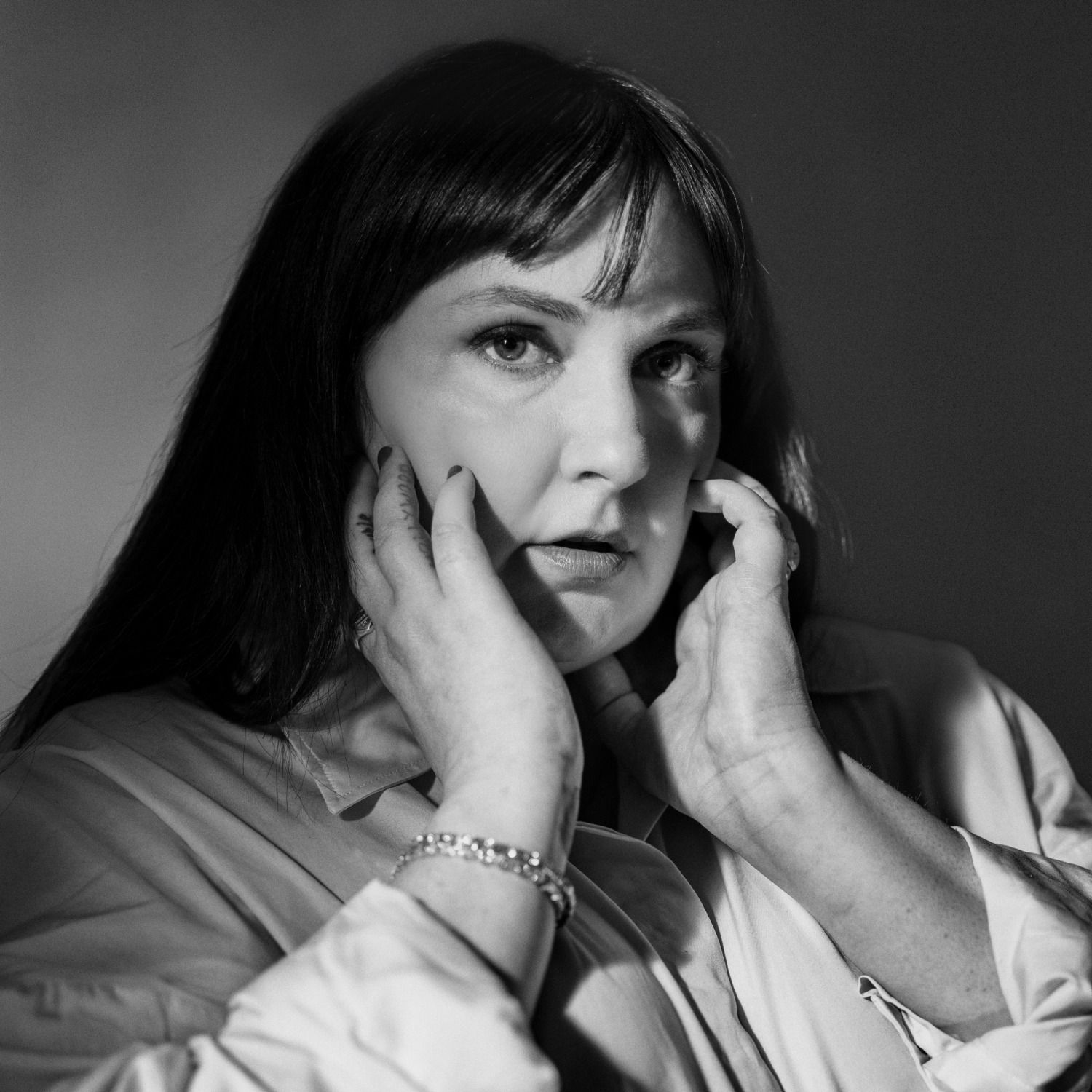
'The Interview': Lena Dunham Is Still Trying to Figure Out Why People Hated Her So Much
The writer, actor and lightning rod is not done sharing yet. Thoughts? Email us at theinterview@nytimes.com Watch our show on YouTube: youtube.com/@TheInterviewPodcast For transcripts and more, visit: nytimes.com/theinterview Subscribe today at nytimes.com/podcasts or on Apple Podcasts and Spotify. You can also subscribe via your favorite podcast app here https://www.nytimes.com/activate-access/audio?source=podcatcher. For more podcasts and narrated articles, download The New York Times app at nytimes.com/app. Hosted by Simplecast, an AdsWizz company. See pcm.adswizz.com for information about our collection and use of personal data for advertising.
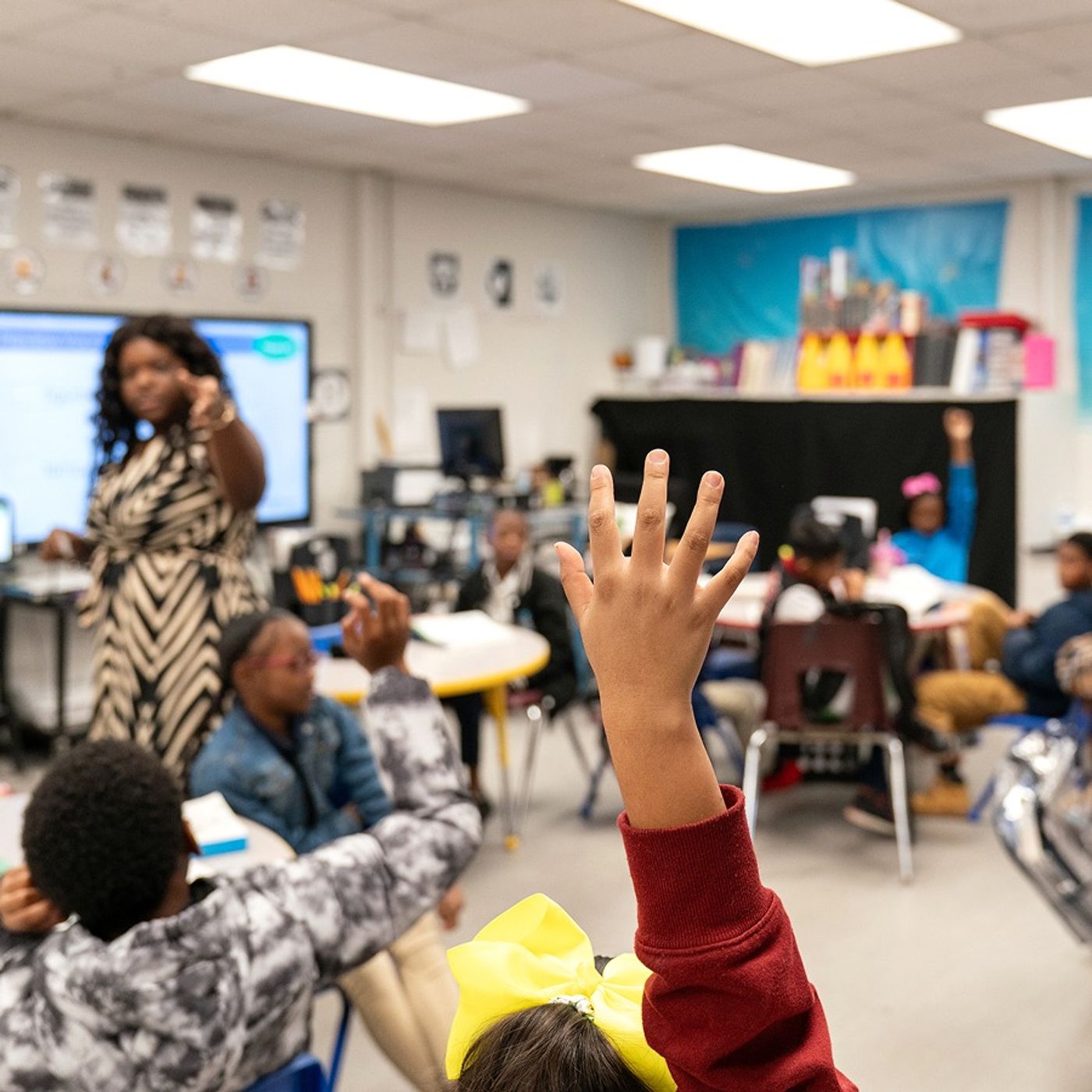
The Miracle Unfolding in Mississippi Schools
Mississippi has seen a stunning turnaround in national test scores in the past decade, even as they have fallen almost everywhere else. Sarah Mervosh, an education reporter, explains what the state can teach the rest of the country about how to educate students. Guest: Sarah Mervosh, an education reporter at The New York Times, focusing on K-12 schools. Background reading: How Mississippi transformed its schools from worst to best. Photo: Rory Doyle for The New York Times For more information on today’s episode, visit nytimes.com/thedaily. Transcripts of each episode will be made available by the next workday. Subscribe today at nytimes.com/podcasts or on Apple Podcasts and Spotify. You can also subscribe via your favorite podcast app here https://www.nytimes.com/activate-access/audio?source=podcatcher. For more podcasts and narrated articles, download The New York Times app at nytimes.com/app. Hosted by Simplecast, an AdsWizz company. See pcm.adswizz.com for information about our collection and use of personal data for advertising.






Get this podcast on your phone, Free


Create Your Podcast In Minutes
- Full-featured podcast site
- Unlimited storage and bandwidth
- Comprehensive podcast stats
- Distribute to Apple Podcasts, Spotify, and more
- Make money with your podcast