
Episode List
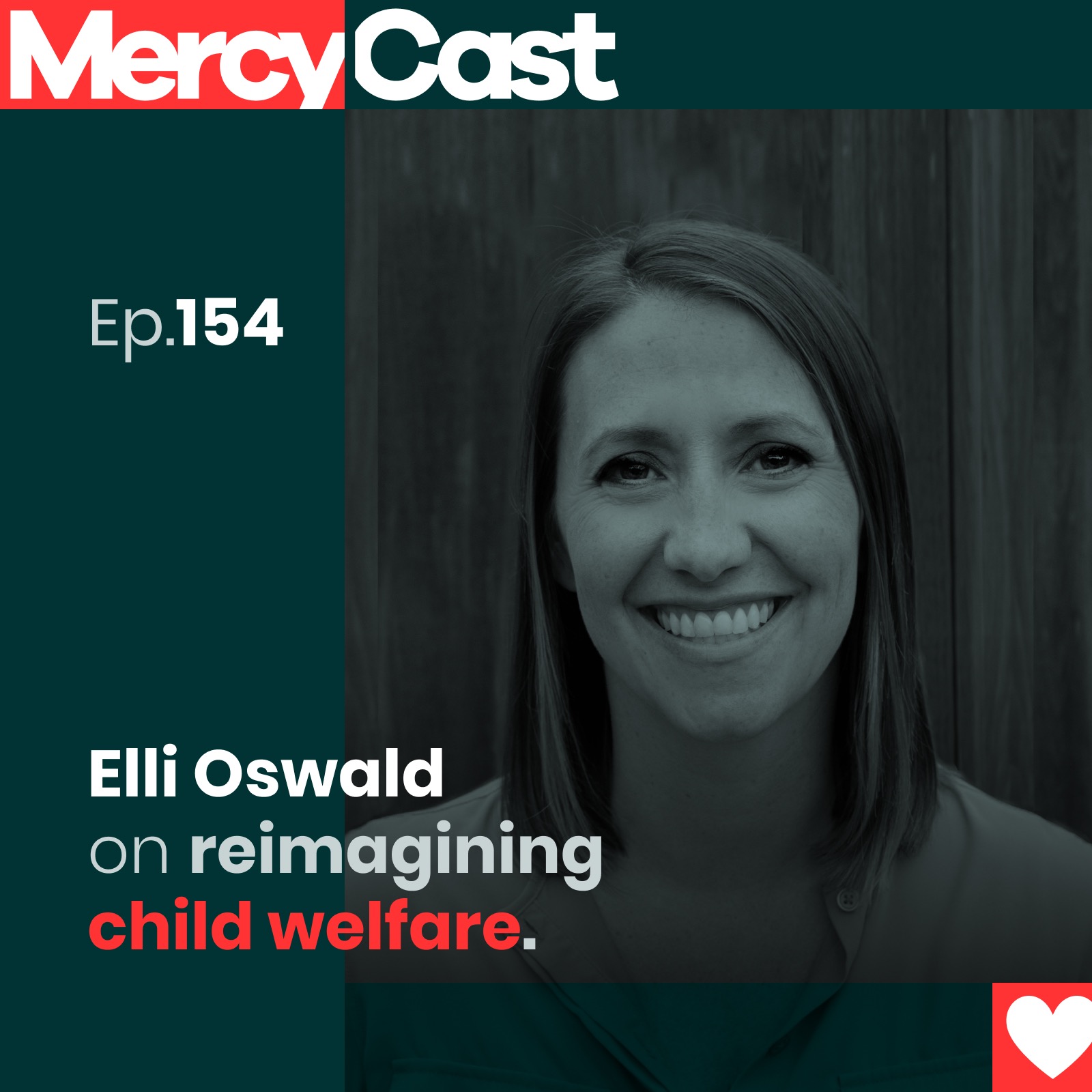
Elli Oswald on reimagining child welfare.
We say children belong in families—but our actions tell a different story. Nearly 90% of Christians believe kids thrive in a home, yet billions are still poured into orphanages. There’s a gap… between what we believe and what we build. That gap matters—and it’s shaping the lives of vulnerable children around the world.In this episode, I sit down with Elli Oswald, Executive Director of Faith to Action, an organization equipping churches to move from institutional care to family-based solutions. Elli brings data, theology, and real-world experience to a conversation the Church can’t afford to ignore.Here’s the tension: Nearly 70% of believers acknowledge that institutional care can actually hinder a child’s development, yet we keep supporting it. Why? Because it feels like the easiest way to help. But there aren’t silver bullets. Orphanages may meet physical needs—but they can’t replace family, connection, and belonging.And the reality is more complex than we think. Eight out of ten children in orphanages have a parent. Poverty, lack of access, and broken systems—not lack of love—are often the real drivers. Which means the solution isn’t separation. It’s support.Key Takeaways:“We’re not called to keep an orphan an orphan.” We’re called to restore families.This episode reframes orphan care, challenges outdated models, and offers practical ways the Church can lead in global child welfare—through family reunification, community support, and sustainable, faith-based solutions.So here’s the invitation: rethink what you’ve been taught, realign your mission, and take one step toward family-based care. Because children don’t need better institutions—they need families.If this episode speaks to you, subscribe to MercyCast for more stories about how we learn compassion through adversity. Share it with someone who cares about vulnerable children. You never know how one story can change a life. Leave a review to help others find these conversations.Learn more about Elli’s work at Faith to Action. Here is the book mentioned in the episode by Bryant Myers. We also referred to the MercyCast episode with Nabs.You can follow MercyCast on Instagram, Twitter, and Facebook.You can follow Raleigh on Twitter and Instagram.Thanks for listening. We want to hear from you!Email us at info@mercycast.com.Support this podcast at — https://redcircle.com/the-mercycast/exclusive-content
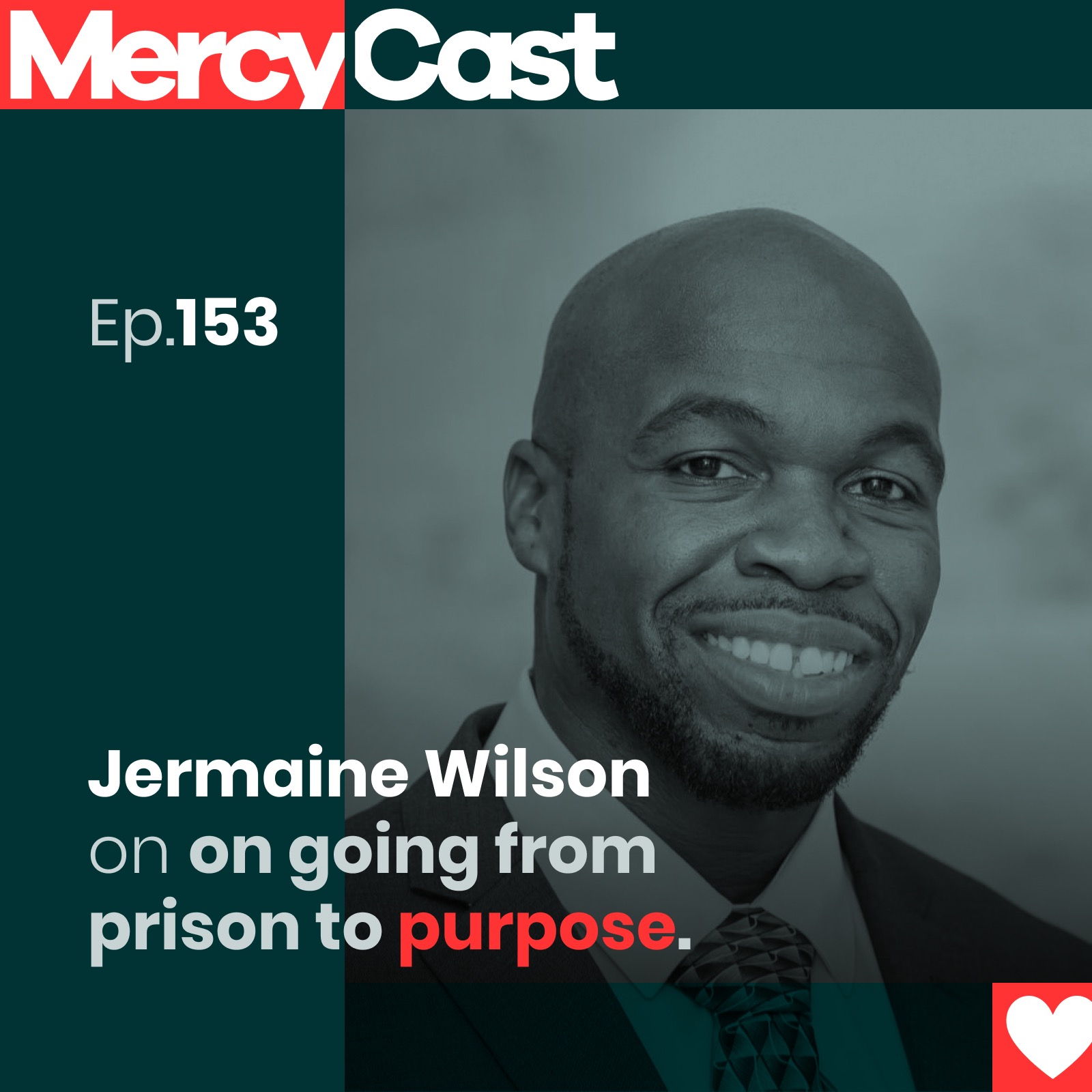
Jermaine Wilson on going from prison to purpose.
Sometimes it feels like your past mistakes have already determined your future. But what if the place you thought was the end is actually where God starts something new?In this episode, I talk with Jermaine Wilson, whose journey moves from prison to purpose, rejection to leadership, and ultimately to impact. Early on, he reframes his story: “I lost my freedom, but God helped me discover my purpose.” What seemed like an ending became the foundation for everything after.After prison, Jermaine faced rejection. He couldn’t find a job or a place to live, and doors kept closing. Still, he kept going: “No does not mean you’re not qualified. N-O simply means next opportunity.” That way of thinking helped him keep moving forward, no matter what stood in his way.He embraced each step of the process. Whether janitor or dishwasher, he chose faithfulness: “If you become too big to swing a mop, you’re too small to serve at the top.” Even when questioned, he stayed grounded, repeating, “You don’t know where I came from—so you’ll never understand where I’m going.”That focus helped him avoid distractions. Step by step, he stayed faithful. Over time, because he was ready, doors opened. In other words, the process prepared him for his purpose.What happened next is remarkable: leadership, public service, and prison ministry. At the heart of it, surrender means letting go of what holds us back. As Jermaine says, “Your scars will either reflect shame… or strength.”His story shows that real change happens when you bring your past into the open. For anyone weighed down by regret, remember his words: “Just because you have fallen does not mean you are a failure.”Key Takeaways: Your lowest place doesn’t disqualify you—it often prepares you. Rejection isn’t the end—it’s redirection.Faithfulness in small things leads to bigger opportunities.Community changes everything.You can’t transform your community without first confronting yourself.Surrender isn’t weakness—it’s release.If this episode speaks to you, subscribe to MercyCast for more stories about hope and new beginnings. Share it with someone who might feel stuck. You never know how one story can change a life. Leave a review to help others find these conversations.You are not disqualified. You are not forgotten. And what feels like the end might actually be the place where everything starts.Learn more about Jermaine’s work at Prison Fellowship. You can follow MercyCast on Instagram, Twitter, and Facebook.You can follow Raleigh on Twitter and Instagram.Thanks for listening. We want to hear from you!Email us at info@mercycast.com.Support this podcast at — https://redcircle.com/the-mercycast/exclusive-content
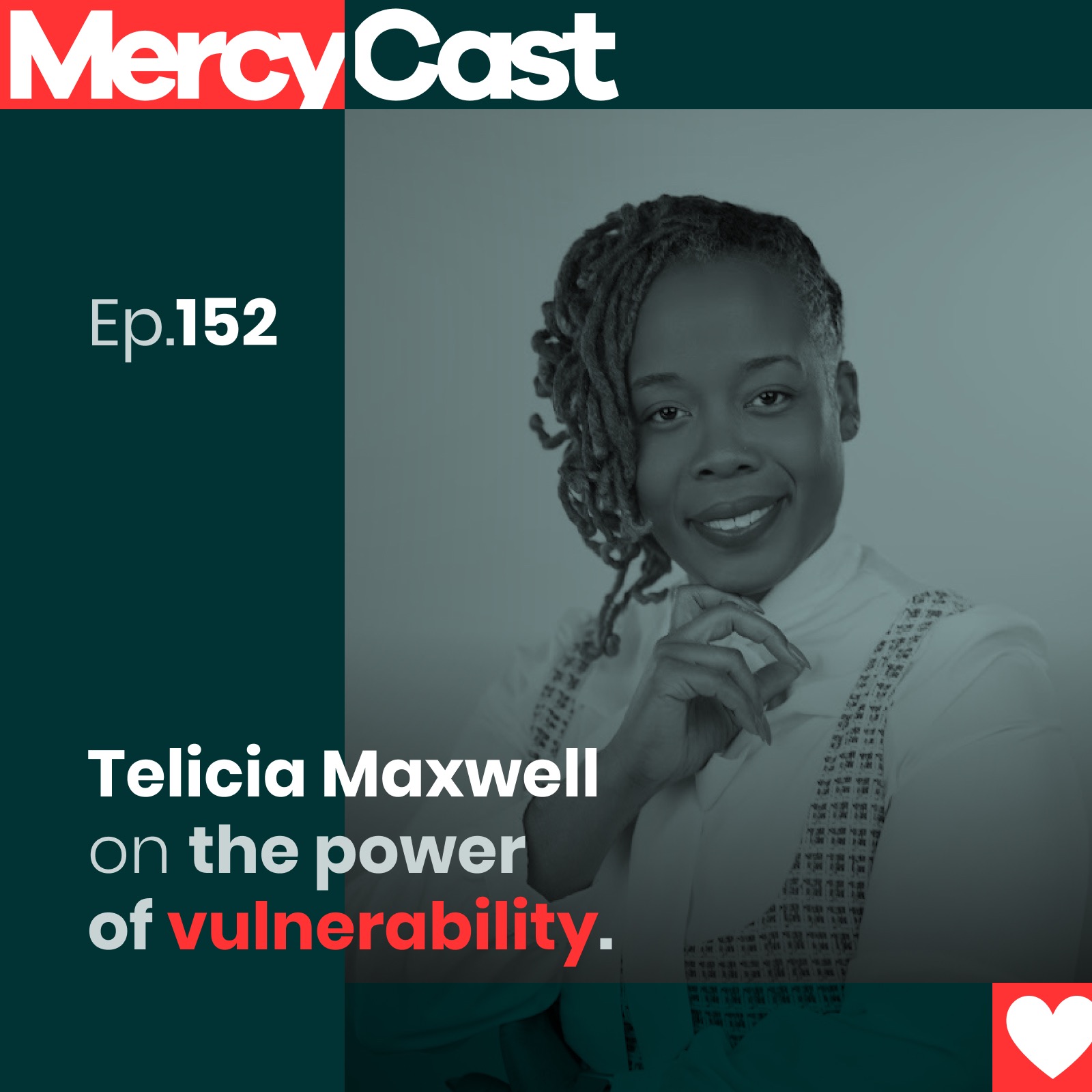
Telicia Maxwell on the power of vulnerability.
When the world goes quiet at night, most of us feel safe.But for many women and children, that’s when the hardest questions begin:Where will I sleep? Who will protect me? Will tomorrow be any different?In this episode, I sit down with Telicia Maxwell, director of My Sister’s House at Atlanta Mission—and her perspective will challenge the way you think about service, faith, and people.This conversation isn’t just about homelessness.It’s about what it means to truly see someone.Telicia shares how real transformation doesn’t begin with programs or quick fixes—it begins with presence. With trust. When choosing to show up in someone’s life, not as a solution, but as a person.Because often, the moments that change everything aren’t big at all:It’s remembering a name.It’s offering a small act of kindness.It’s simply sitting with someone long enough for them to feel safe.Key Takeaways:People don’t need to be fixed—they need to be seen.Trust is built through consistent, genuine presence.Healing often starts with small, human moments.Vulnerability creates connection—not weakness.Community is essential—we were never meant to do life alone.So here’s the challenge:Don’t just listen—act.The next time you encounter someone in a vulnerable place, pause.Look them in the eyes.Learn their name.Because that moment might be where healing begins. Listen now—and start seeing people differently.Learn more about Telicia’s work, My Sister’s House, and the Atlanta mission at Atlantamission.org.You can follow MercyCast on Instagram, Twitter, and Facebook.You can follow Raleigh on Twitter and Instagram.Thanks for listening. We want to hear from you!Email us at info@mercycast.com.Support this podcast at — https://redcircle.com/the-mercycast/exclusive-content
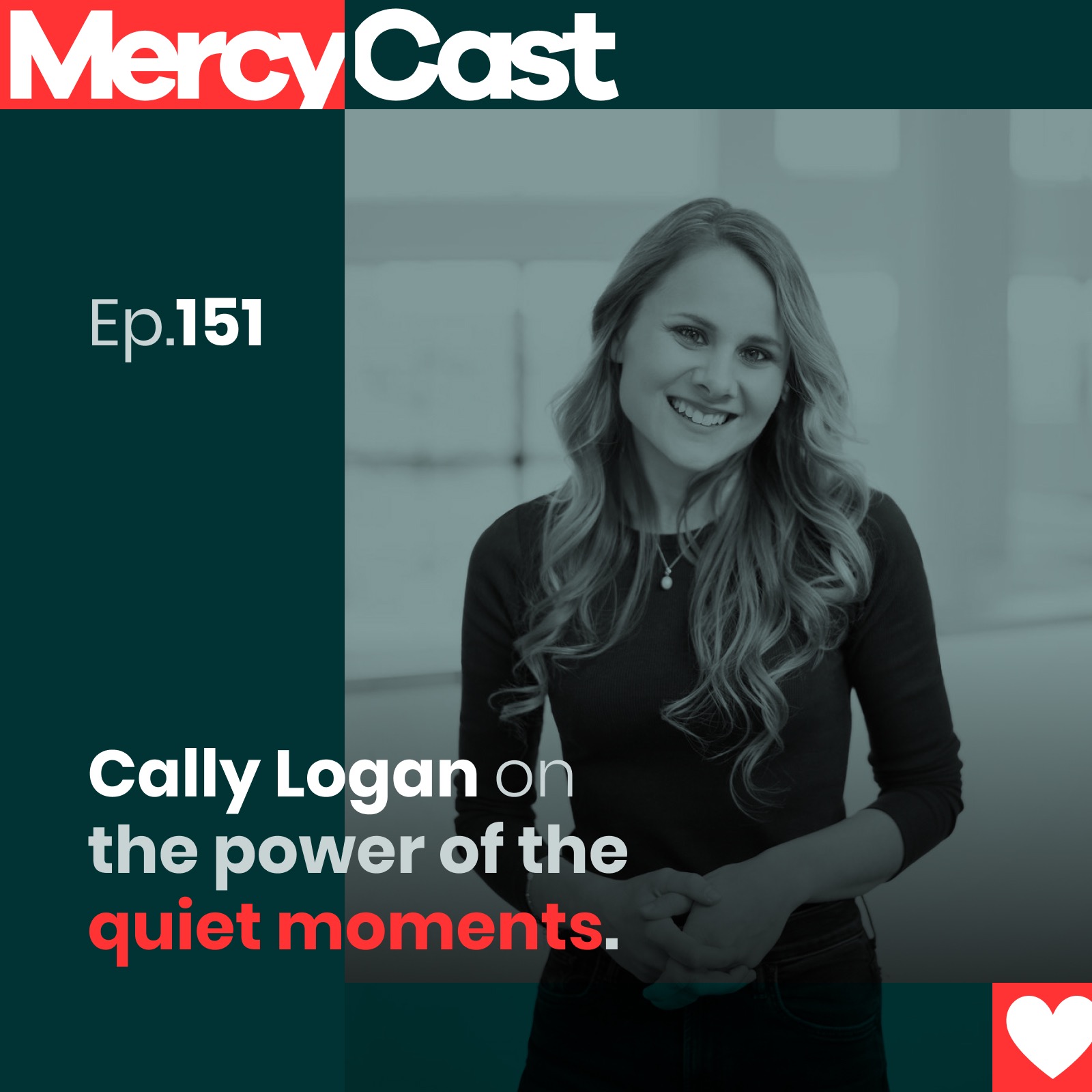
Cally Logan on the power of quiet moments.
In this episode, I sit down with Cally Logan to talk about something I think we all wrestle with—how God actually works in our lives. Not just in the big, obvious moments, but in the quiet, unseen ones beneath the surface.We get into calling, identity, and what it looks like to trust God when you don’t have clear answers. Because if I’m honest, most of my life hasn’t been marked by burning bush moments—it’s been shaped in the slow, ordinary steps.We talk about surrender, about learning to listen, and about how God reroutes us—even when we think we’ve gone the wrong way. We look at stories like Jonah and reflect on how God uses even our resistance and mistakes for something bigger.This conversation is really an invitation—to slow down, to trust God’s timing, and to believe that even the small moments are forming something deep in you.Key TopicsThe hidden work of God beneath the surfaceI talk with Cally about how most of what God does in us isn’t loud—it’s quiet. It’s beneath the surface. And if we’re not paying attention, we’ll miss it.Trusting God when clarity isn’t thereWe unpack what it looks like to trust God when you don’t have a clear answer. Not every moment is dramatic or obvious—sometimes it’s just taking the next step.Surrender as a daily practiceSurrender isn’t a one-time decision. It’s something I have to come back to every day—letting go, little by little, and trusting God with what I’m holding.When God reroutes your lifeWe talk about how God uses detours—how even when we think we’ve messed things up, He’s still at work. Nothing is wasted.What Jonah teaches us about obedience and resistanceJonah’s story reminds me that even when we run, God still pursues, redirects, and works through us in ways we couldn’t plan.Embracing the “side quests” of lifeSome of the most meaningful growth happens in the things that don’t seem connected. Those side paths? God uses those too.Taking the next small stepWe end with something simple but powerful—don’t try to figure everything out. Just ask God to show you one thing, and take that step.Learn more about Cally’s work at her website, callylogan.com. Buy her new book.You can follow MercyCast on Instagram, Twitter, and Facebook.You can follow Raleigh on Twitter and Instagram.Support this podcast at — https://redcircle.com/the-mercycast/exclusive-content
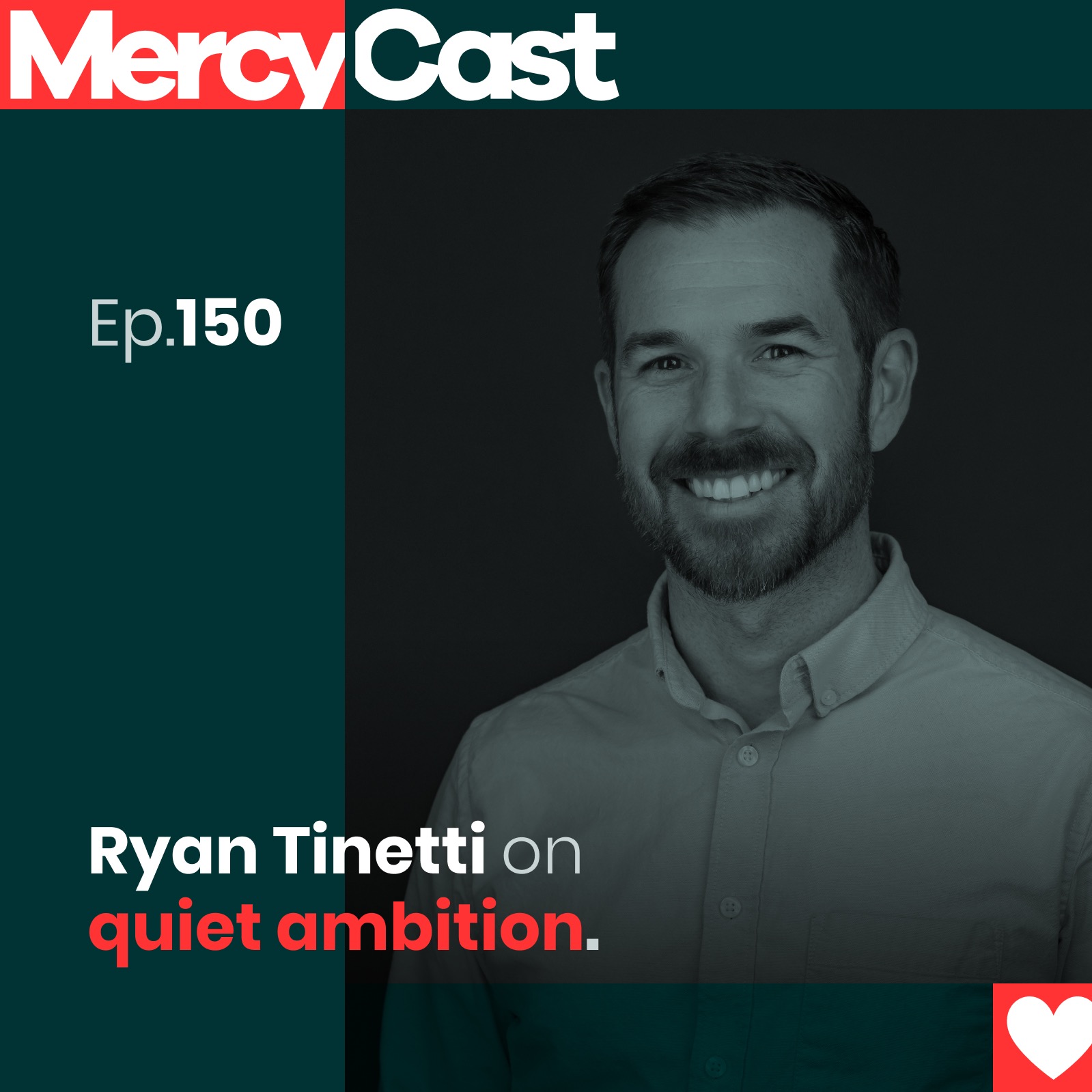
Ryan Tinetti on quiet ambition.
Ambition isn’t the enemy. But we can reframe it.This week on MercyCast, I sit down with Ryan Tinetti, author of The Quiet Ambition. We talk about the quiet line from First Epistle to the Thessalonians that has haunted him for years: make it your ambition to live quietly.That verse doesn’t trend.It won’t grow your platform.It won’t help you build a brand.But it might change your life.Ryan shares the moment early in ministry when ambition pushed him to the edge—literally landing him in the ER with what he thought was a heart attack. It wasn’t. It was a panic attack. The kind that shows up when you believe everything depends on you.We talk about the lie that louder equals faithful. About the subtle pressure—even in ministry—to build something impressive for God. About how the Kingdom often moves more slowly than we want. And how God usually works through small obedience rather than big moments.We also talk about falling. Not failing—falling. Ryan tells a story about learning to cross-country ski in Michigan and a friend telling him, “That was a good fall.” It stuck with him. Because the Christian life isn’t about never falling. It’s about learning to fall into the arms of Christ.We wrestle with the tension between ambition and humility. Scripture doesn’t call us to laziness. But it does call us to a different kind of ambition—the kind aimed at pleasing God rather than elevating ourselves.A quiet ambition.One that looks like:faithfulness in your vocationcarving away at your small corner of the Kingdomtrusting that God is doing more than you can seeWe talk about why verses like “Be still and know that I am God” from the Book of Psalms can feel threatening in a culture built on striving.Because if we stop striving…What if we’re forgotten?And yet the gospel tells a different story. God meets us not in spectacle but through ordinary means—Word, water, bread, and wine.In the quiet.In the mundane.In the places we usually overlook.By the end, Ryan offers two simple practices that resist the culture of hurry:Use the crockpot. Let something take time.Take a walk without earbuds. Just you and God.No platform.No applause.Just faithfulness.And maybe that’s where the real work of the Kingdom happens.If you want to learn more, check out Ryan's substack and his new book, The Quiet Ambition.You can follow MercyCast on Instagram, Twitter, and Facebook.You can follow Raleigh on Twitter and Instagram.Thanks for listening. We want to hear from you!Email us at info@mercycast.com.Support this podcast at — https://redcircle.com/the-mercycast/exclusive-content
You may also like







Get this podcast on your phone, Free


Create Your Podcast In Minutes
- Full-featured podcast site
- Unlimited storage and bandwidth
- Comprehensive podcast stats
- Distribute to Apple Podcasts, Spotify, and more
- Make money with your podcast