
AML Conversations
https://feeds.soundcloud.com/users/soundcloud:users:379879844/sounds.rssEpisode List
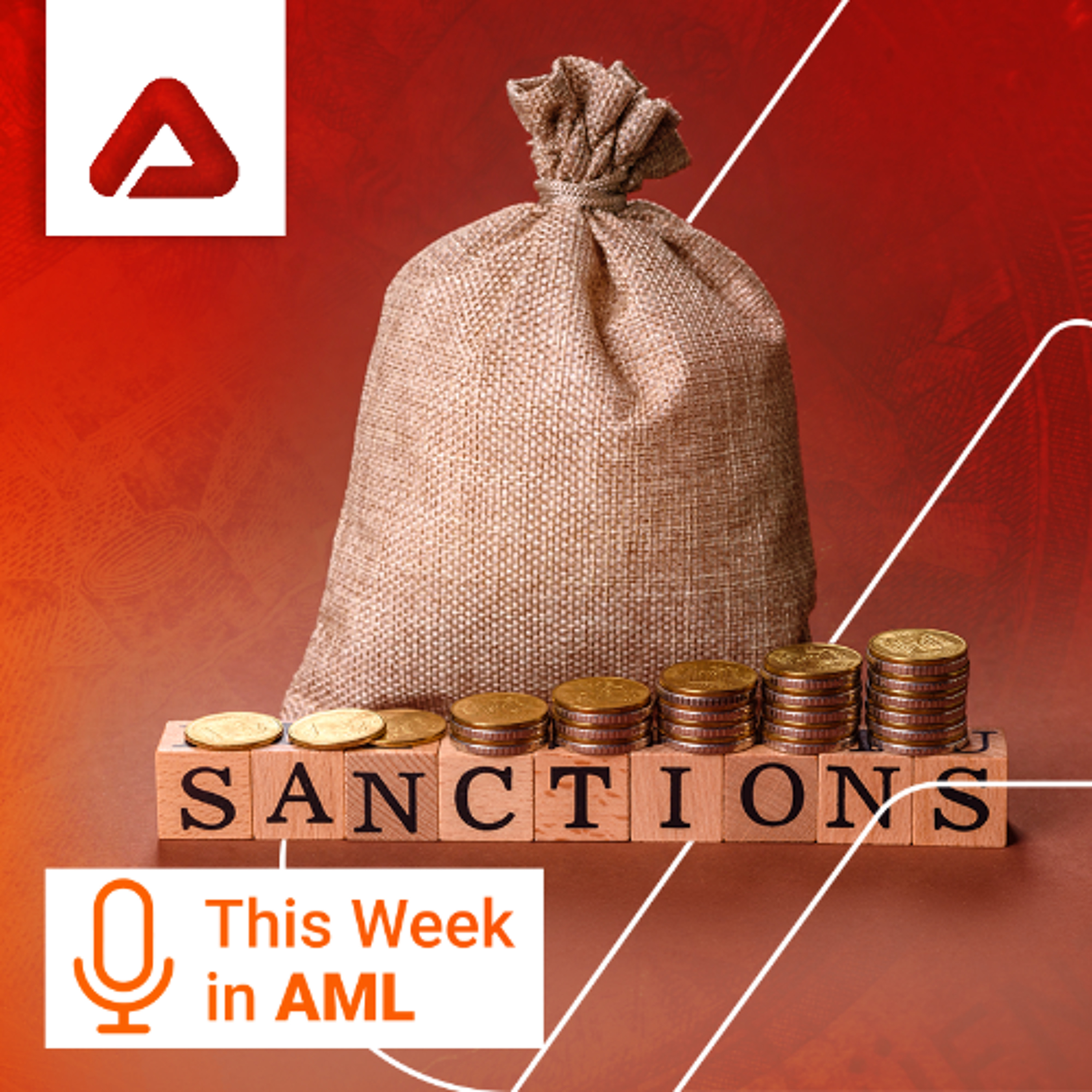
Sanctions, Scams, and Scrutiny: Global Enforcement Signals Financial Institutions Can’t Ignore
In this episode, Elliot Berman and John Byrne break down a wide‑ranging set of regulatory and enforcement developments shaping the global financial crime landscape. The conversation covers major U.S. bank settlements tied to the Epstein litigation, a closely watched Capital One debanking case involving Trump‑affiliated entities, and key overseas actions—from Australia’s expanded AML regime to the UK’s sanctions enforcement against Apple and a massive scam operation in Cambodia. The discussion also dives into the OECD’s latest anti‑bribery report, FinCEN’s proposed whistleblower award program, emerging healthcare fraud typologies, and renewed concerns over the weakening of the U.S. Corporate Transparency Act. Wrapping up, Elliot and John assess developments tied to FATF’s mutual evaluation of the United States, nonprofit de‑risking, and new OFAC guidance on sham transactions—offering critical context for compliance professionals navigating a rapidly shifting risk environment.
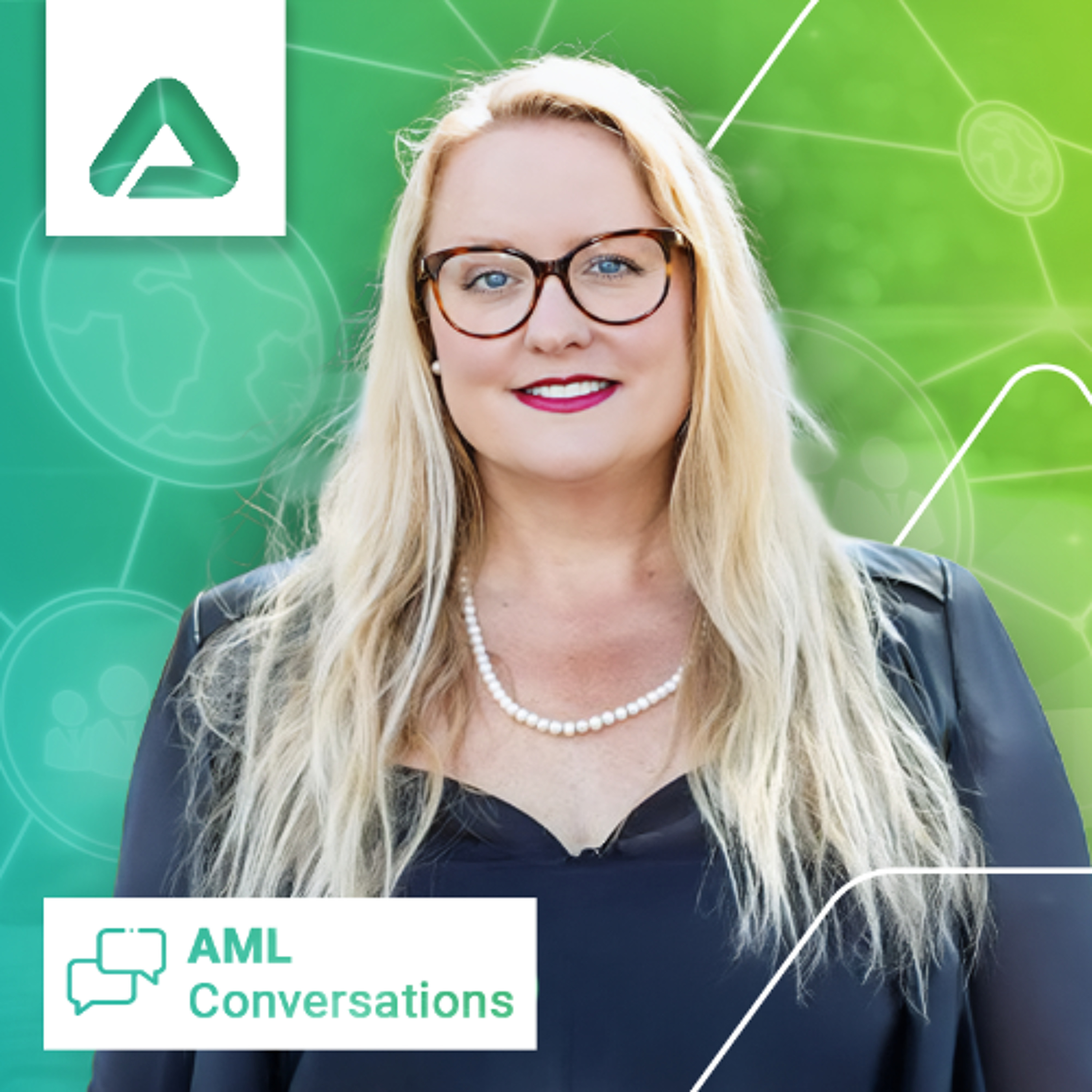
Monthly chat with Sarah Beth Felix
In this episode of AML Conversations, John Byrne sits down with Sarah Beth Felix—AML expert and author of Dirty Money Weekly—for a wide‑ranging discussion on the biggest AML, sanctions, and financial crime developments shaping the landscape in March 2026. Drawing on insights from multiple industry conferences and recent regulatory activity, Sarah shares why banks of all sizes are becoming more creative in financial crime detection, why sanctions compliance is no longer just a name-matching exercise, and how AI can be leveraged thoughtfully to manage growing complexity. The conversation explores Treasury’s newly released national risk assessments, critical gaps in the U.S. regulatory framework, and what institutions should take away as the FATF mutual evaluation continues. John and Sarah also dig into the implications of recent court decisions affecting FinCEN’s residential real estate rule, ongoing lobbying challenges, FINRA’s growing leadership in AML enforcement, and why now is not the time for institutions to let their guard down—despite shifting regulatory priorities. This episode is a must‑listen for AML, compliance, and risk professionals looking for practical, unfiltered insights on where the industry stands—and where it’s headed next. The views expressed in this podcast represent those of the speakers and not AML RightSource.
The FATF Shadow Report: Nonprofits, Financial Access, and the U.S. Mutual Evaluation
In this special episode of AML Conversations, John Byrne is joined by Ashleigh Subramanian Montgomery of the Charity & Security Network to discuss C&SN’s newly released Shadow Report on the U.S. FATF Mutual Evaluation and what it means for nonprofits, financial institutions, and regulators. The conversation explores how U.S. government actions since the last FATF evaluation in 2016 have affected nonprofit financial access, particularly for humanitarian organizations operating in high‑risk and conflict environments. Ashleigh walks through the findings of the Shadow Report, including both positive developments—such as humanitarian carve-outs and improved risk-based language—and ongoing concerns around de-risking, executive actions, and the expanding use of counterterrorism authorities. John and Ashleigh also discuss recent Treasury risk assessments, the gap between policy and on‑the‑ground implementation, and emerging concerns about nonprofit investigations tied to domestic terrorism. The episode concludes with practical guidance for financial institutions on communication, due diligence, and balancing AML/CFT obligations with humanitarian imperatives as FATF assessors finalize the U.S. review.
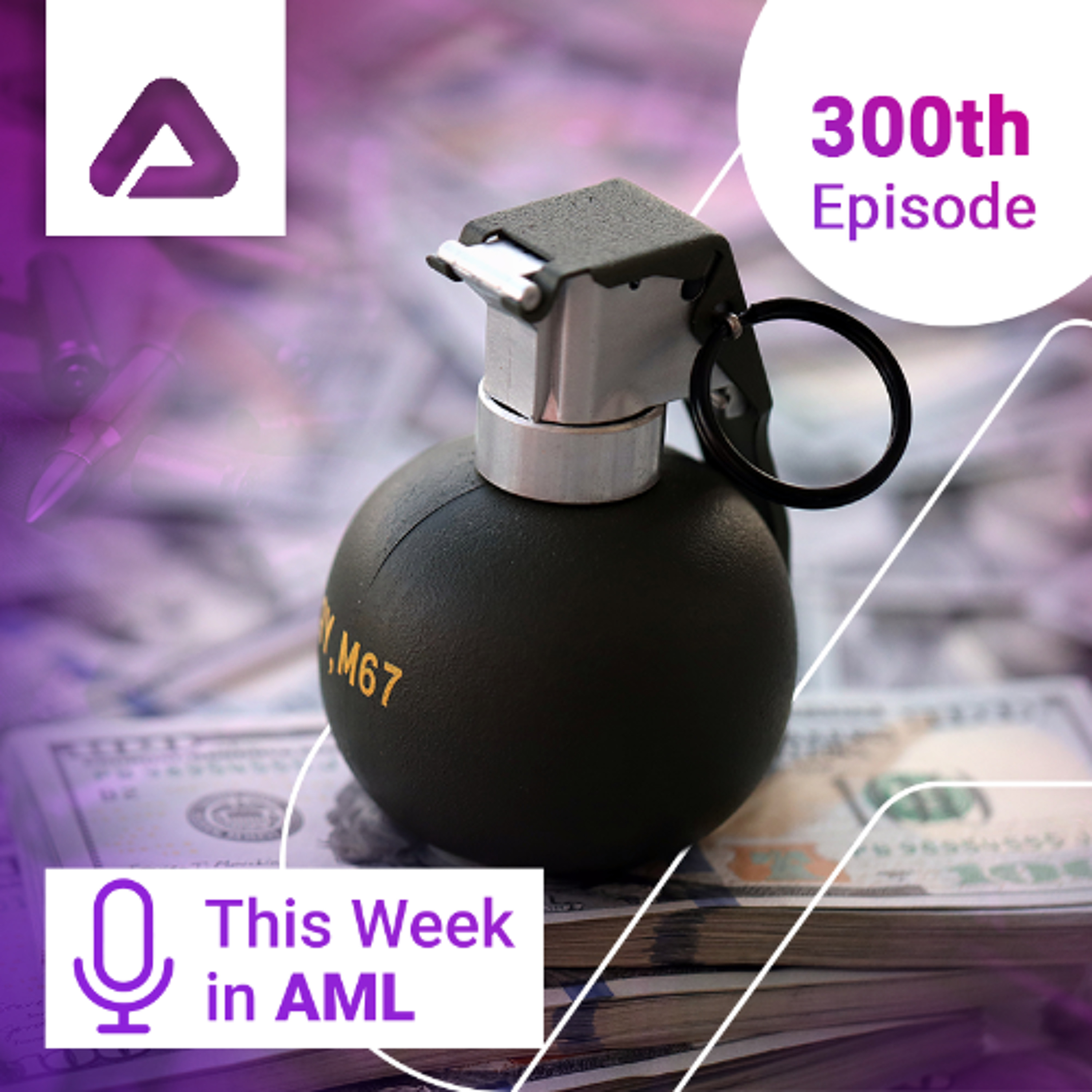
War, Sanctions, Fraud, and the State of Public‑Private Partnerships
In this milestone 300th episode of This Week in AML, Elliot Berman and John Byrne reflect briefly on the evolution of the podcast before diving into a wide‑ranging discussion of the most pressing developments in the AML, sanctions, and financial crime landscape. The episode features key takeaways from the Fifth Annual AML Partnership Forum in Washington, DC, including insights on public‑private collaboration, cryptocurrency investigations, fraud trends, sextortion, and human trafficking. Elliot and John also unpack major global and domestic developments—from wartime corruption risks and sanctions involving Iran and Russia, to FATF’s new anti‑fraud toolkit and a federal court ruling striking down FinCEN’s residential real estate AML rule. Additional topics include emerging concerns about insider trading and prediction markets, nonprofit investigations tied to domestic extremism, shifting counterterrorism resources, and new reporting on classified information and financial motives. The episode closes with reflections on public service and the legacy of former FBI Director Robert Mueller. As always, listeners are encouraged to review the source material referenced and draw their own conclusions.

The AI Promise vs The Reality - What's Your Backup Plan?
AI is everywhere in financial crime compliance - but is it delivering on its promises? In this episode of AML Conversations, host Joe McNamara sits down with Mark Sully, Managing Director of Commercial Affairs (EMEA & APAC), to cut through the hype surrounding AI in AML, transaction monitoring, sanctions screening, and KYC. Drawing on conversations with banks across the globe, Mark shares what compliance leaders are actually experiencing as they attempt to roll out AI-driven solutions. Together, Joe and Mark explore the growing gap between AI’s promised efficiency gains and the operational realities banks face today - from data readiness and regulatory constraints to delayed implementations and rising alert volumes. The conversation emphasizes a critical question many institutions overlook: what happens when AI doesn’t arrive on time or perform as expected? Listeners will gain practical insight into: Why AI is not a silver bullet for compliance challenges The risks of betting everything on a single technology rollout How leading institutions are building contingency plans to stay compliant What “successful” AI adoption really looks like for teams and headcount Why starting with the use case - not the technology - is essential Whether you’re mid-implementation, evaluating AI solutions, or planning your next compliance investment, this session offers a grounded, real-world perspective on how to pursue innovation without putting your program at risk.
You may also like









Get this podcast on your phone, Free


Create Your Podcast In Minutes
- Full-featured podcast site
- Unlimited storage and bandwidth
- Comprehensive podcast stats
- Distribute to Apple Podcasts, Spotify, and more
- Make money with your podcast