Tech Lead Journal
https://anchor.fm/s/265d7c64/podcast/rssEpisode List
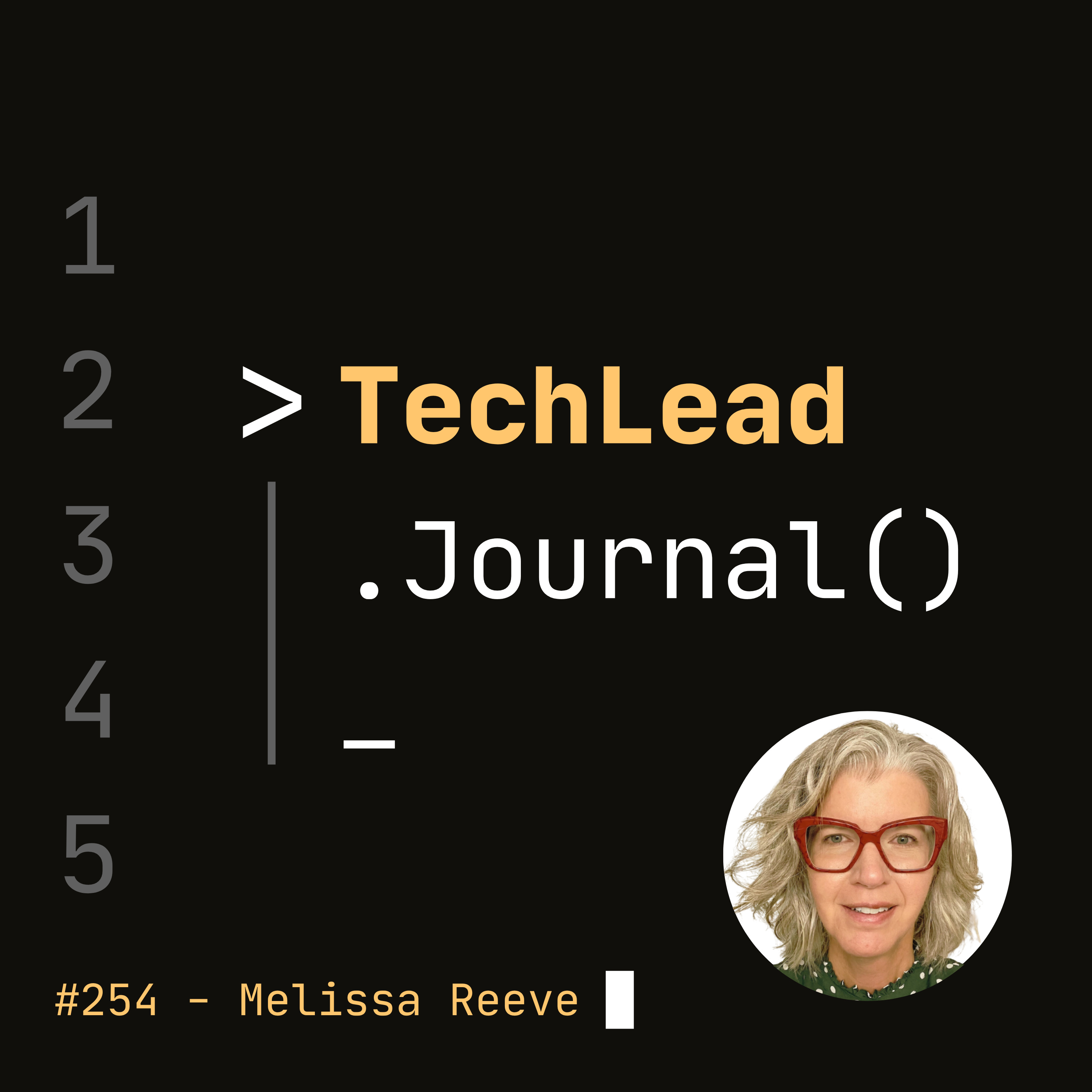
Why Incumbents Will Fall: How to Build a Hyperadaptive AI-Native Organization
Why do 80-95% of AI initiatives fail — and why is your organization’s structure to blame? Most companies are treating AI like a software upgrade, when it actually demands a complete rewiring of how work gets done.In this episode, Melissa Reeve, author of Hyperadaptive and organizational change expert, shares a practical model for transforming legacy enterprises into AI-native organizations built to thrive — not just survive — in the age of AI. Drawing on her experience with the Toyota Production System, Scaled Agile, and deep research into leading AI adopters, Melissa argues that the real barriers to AI adoption are structural: Taylorist hierarchies, functional silos, and decision bottlenecks that organizations have never been forced to dismantle — until now. She introduces the Hyperadaptive model, a five-stage maturity path that gradually rewires how organizations operate, from establishing AI governance and identifying champions, to deploying agentic AI and organizing around customer value streams. Unlike past transformations, AI will compress both the strategy-to-execution and concept-to-delivery dimensions simultaneously — and the organizations that fail to adapt will be displaced by AI-native competitors rising far faster than Uber or Airbnb ever did.Timestamps:(00:00:00) Trailer & Intro(00:02:50) How Did Melissa’s Background in Lean and Agile Lead to the Hyperadaptive Model?(00:05:57) How Is the AI Revolution Different From Past Digital Transformations?(00:07:39) Will AI-Native Companies Disrupt Incumbents the Way Airbnb and Uber Did?(00:09:08) How Did the DevOps Model Inspire the Concept of Automated Execution Pipelines?(00:12:41) What Is a Hyperadaptive Organization?(00:14:10) Why Has AI Adoption Failed to Deliver Results in Most Organizations?(00:17:05) What Are the Three Structural Barriers to AI Adoption?(00:19:39) Why Is Taylorism Considered a Major Barrier to Becoming Hyperadaptive?(00:22:48) What Are the Five Capabilities Required to Become Hyperadaptive?(00:26:45) Why Does AI Make Age-Old Principles Like Lean and Agile More Relevant Than Ever?(00:28:49) How Will the Human-in-the-Loop Role Evolve as Agentic AI Takes Over?(00:32:52) How Should Organizations Start Transitioning from Functional Silos to Value Streams?(00:35:07) How Is AI Enabling Adjacent Competencies and Expanding Professional Roles?(00:38:43) Will AI Replace Workers or Unlock More of What Organizations Can Achieve?(00:41:52) What Are the Five Stages of Maturity for Becoming Hyperadaptive?(00:48:21) Why Do Most AI Implementations Fail When Organizations Skip the Foundation?(00:50:55) What Does Dynamic AI Governance Look Like in Practice?(00:55:20) How Does Kahneman’s Thinking Fast and Slow Explain the Human-AI Partnership?(00:58:07) How Can AI Help Organizations Optimize for People, Profit, and Planet?(01:00:24) 3 Tech Lead Wisdom_____Melissa Reeve’s BioMelissa Reeve creator of the Hyperadaptive Model and author of Hyperdaptive: Re-wiring the Enterprise to Become AI-Native. Hyperadaptive brings together process excellence, systems thinking, and the human side of AI integration to help leaders reimagine how their organizations learn and adapt.Prior to leaning into AI, Melissa spent 25 years as an executive and Agile thought leader, which led to pioneering work in Agile marketing and her role as the first VP of Marketing at Scaled Agile and co-founding the Agile Marketing Alliance. She lives in Boulder, CO, with her husband, dogs, and chickens, where she enjoys hiking and gardening.Follow Melissa:LinkedIn – linkedin.com/in/melissamreeveWebsite – hyperadaptive.solutionsSubstack - https://intel.hyperadaptive.solutions/ Hyperadaptive - https://hyperadaptive.solutions/bookLike this episode?Show notes & transcript: techleadjournal.dev/episodes/254.Follow @techleadjournal on LinkedIn, Twitter, and Instagram.Buy me a coffee or become a patron.
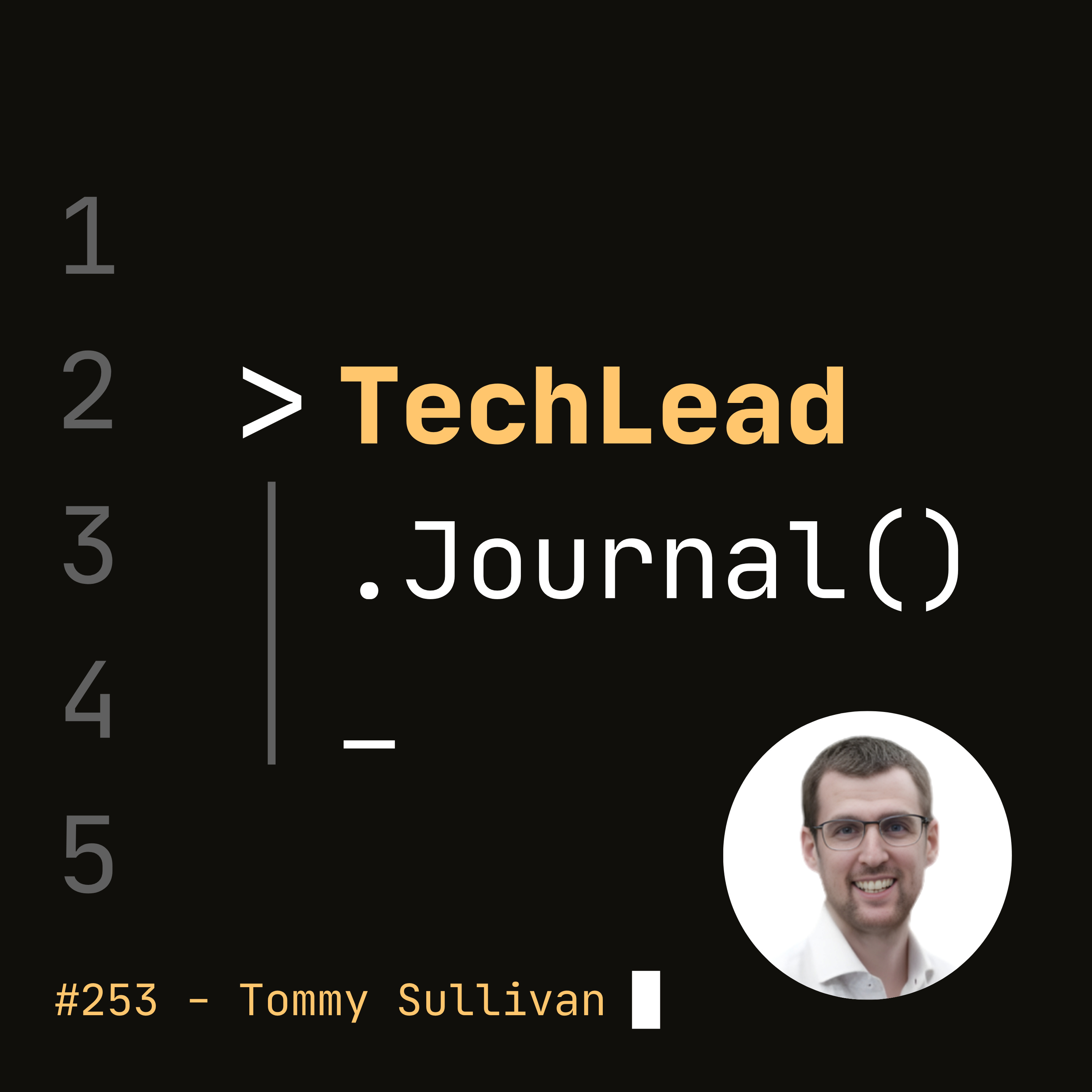
How Vidio (Indonesia's #1 Streaming Platform) Built Great Engineering Culture — Now Supercharged by AI
What does it take to build a world-class engineering culture when you start with five engineers on minimum wage? Tommy Sullivan did exactly that at Vidio — and the team’s average tenure of seven years tells you everything about whether it worked.In this episode, Tommy Sullivan, CTO of Vidio (Indonesia’s largest streaming platform) shares how he built an engineering culture from almost nothing, growing a team of five to over two hundred using Extreme Programming principles and a relentless focus on hiring for attitude over aptitude. Tommy traces his journey from Pivotal Labs in San Francisco to the early days of Indonesia’s tech boom, explaining why Vidio survived when well-funded competitors like Hooq and iFlix all shut down.Along the way, he gets into where AI has worked and where it has failed at Vidio, how the team is rethinking pair programming in the age of AI agents, what it takes to stream four terabytes per second during live events, and why protecting code quality is ultimately a culture problem, not a tooling one. Tommy also shares a hard-earned view on the agentic AI trend and why understanding the underlying mechanics matters more than chasing the hype.Key topics discussed:How Extreme Programming built Vidio’s 7-year average tenureHiring for attitude: why aptitude alone isn’t enoughPair programming reimagined for the AI-agent eraWhy code quality is a culture problem, not a tool problemAI failures and wins at VidioHow Vidio streams 4TB/s to 2.2M concurrent usersAVOD vs. SVOD: the model that saved VidioVendor independence for CDN and AI — why it mattersWhat engineers need to understand about agentic AITimestamps:(00:00:00) Trailer & Intro(00:03:07) How Did Tommy Go From Silicon Valley to Jakarta?(00:07:22) How Has Indonesia’s Tech Scene Evolved Over the Past Decade?(00:13:12) What Happened to Indonesia’s Engineering Talent After the VC Bubble Burst?(00:15:03) Why Is Indonesia One of the World’s Most Exciting Tech Markets?(00:17:26) How Do You Build a World-Class Engineering Team When Starting From Scratch?(00:22:01) What Are the Hidden Benefits of Pair Programming Beyond Code Quality?(00:25:28) How Is AI Blurring the Lines Between Engineers and Product Managers?(00:28:48) How Do You Justify XP Practices to a Results-Driven Business?(00:36:11) What Has Worked and What Has Failed When Integrating AI at Vidio?(00:44:19) Is AI an Amplifier or a Threat to Software Engineers?(00:46:59) How Does Vidio Use Team Rotation and Shared Ownership to Retain Engineers?(00:51:16) How Do You Protect Code Quality Culture in the Age of AI?(00:54:16) What Metrics Actually Matter for Engineering Quality?(00:58:07) How Will AI-Generated Content Reshape the Streaming Industry?(01:06:51) What Does It Take to Stream at 4 Terabytes per Second?(01:09:26) How Do You Keep a Streaming Platform Stable During Massive Live Events?(01:14:12) How Did Vidio Survive When Other OTT Platforms Failed?(01:18:15) Why Does Vendor Independence Matter for Both CDNs and AI?(01:21:44) What Should Engineers Understand About the Agentic AI Trend?(01:26:17) Tech Lead Wisdom_____Tommy Sullivan’s BioTommy Sullivan leads the software engineering behind Vidio — Indonesia’s leading video-streaming platform. Before joining the Vidio / Emtek group, he helped startups and global enterprises implement agile engineering and lean product development practices in Silicon Valley and Southeast Asia. As a founding member of Vidio, Tommy shaped its early development and steered its evolution from a user-generated content platform to a premium streaming service supporting millions of subscribers. He leads with a focus on data-driven decisions and a humble, collaborative developer culture.Follow Tommy:LinkedIn – linkedin.com/in/tommybsullivanLike this episode?Show notes & transcript: techleadjournal.dev/episodes/253.Follow @techleadjournal on LinkedIn, Twitter, and Instagram.Buy me a coffee or become a patron.
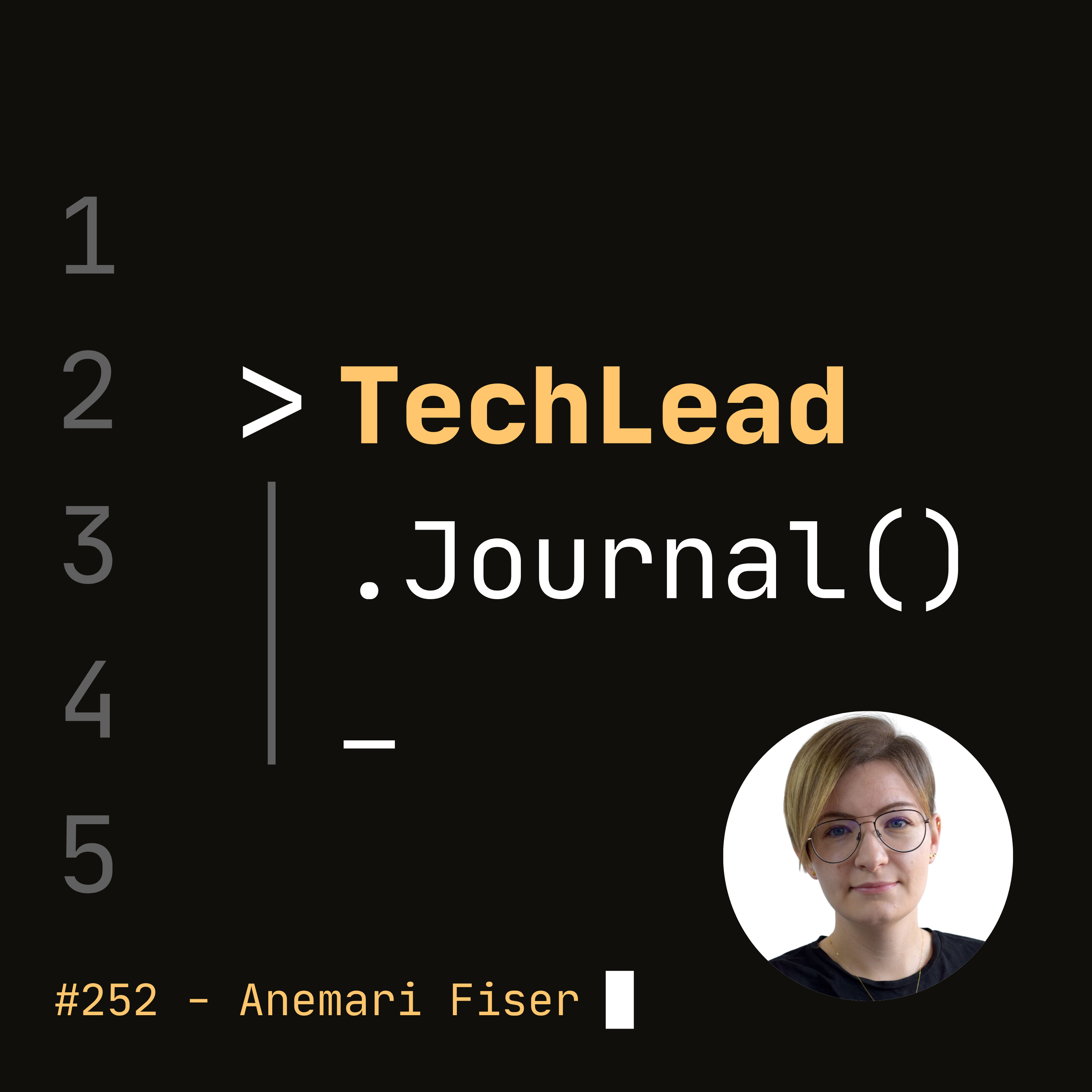
Why Senior Engineers Struggle as Tech Leads: The 3 Mindset Shifts That Fix It
Why do so many talented senior engineers struggle the moment they step into a tech lead role? Most of them are promoted based on their coding ability, but that same strength becomes a liability the moment they start leading a team.In this episode, Anemari Fiser, tech lead coach and author of “Leveling Up as a Tech Lead”, shares the three mindset shifts that define the transition from senior engineer to effective tech lead: moving from an “I” to a “We” mindset, shifting focus from code to value, and trading short-term thinking for long-term impact. She explains why so many engineers hold on to coding out of fear, how to delegate without losing accountability, and why most technical problems are really people problems in disguise. Anemari also addresses how AI is reshaping the tech lead role and why the fundamentals of leadership still apply regardless of the tools your team uses.Key topics discussed:The 3 mindset shifts required for the transition to tech leadWhy your coding strength can hold back your teamHow to let go of coding without losing your technical edgeDelegation secrets: setting expectations that actually stickInfluencing without authority — and when it’s not enoughHow to measure your impact when results are hard to seeLeading your team through AI adoption without creating chaosTimestamps:(00:00:00) Trailer & Intro(00:02:41) What Motivated Anemari to Write Her Book, Leveling Up as a Tech Lead?(00:05:41) How Is the Tech Lead Role Defined?(00:06:45) How Does the Engineering Manager Role Differ From a Tech Lead?(00:09:37) Why Is the Transition to Tech Lead One of the Most Challenging Career Moves?(00:14:21) How Can Tech Leads Shift From Short-Term to Long-Term Thinking?(00:18:34) How Can Tech Leads Learn to Let Go of Writing Code?(00:26:30) Why Is Every Tech Problem Actually a People Problem?(00:30:52) How Can Tech Leads Delegate Effectively?(00:37:18) How Can Tech Leads Influence Without Authority?(00:40:37) Why Is Accountability Without Authority Unfair to Tech Leads?(00:43:42) How Can Tech Leads Measure Their Impact?(00:46:52) How Does AI Change the Role of a Tech Lead?(00:52:26) Should Tech Leads Use AI to Get Back to Hands-On Development?(00:55:33) How Can Tech Leads Stay Accountable for AI-Generated Code?(01:00:26) With AI in the Mix, Is a Tech Problem Still Just a People Problem?(01:01:10) 3 Tech Lead Wisdom_____Anemari Fiser’s BioAnemari Fiser is a tech leadership trainer, coach and O’Reilly author of Leveling Up as a Tech Lead. With over a decade in tech, she has coached 500+ engineers and trained 400+ tech leads worldwide, and shares practical leadership insights on LinkedIn with a community of 30,000+ tech professionals.Follow Anemari:LinkedIn – linkedin.com/in/anemari-fiserWebsite – anemarifiser.com Leveling Up as a Tech Lead – oreilly.com/library/view/leveling-up-as/9781098177508Like this episode?Show notes & transcript: techleadjournal.dev/episodes/252.Follow @techleadjournal on LinkedIn, Twitter, and Instagram.Buy me a coffee or become a patron.
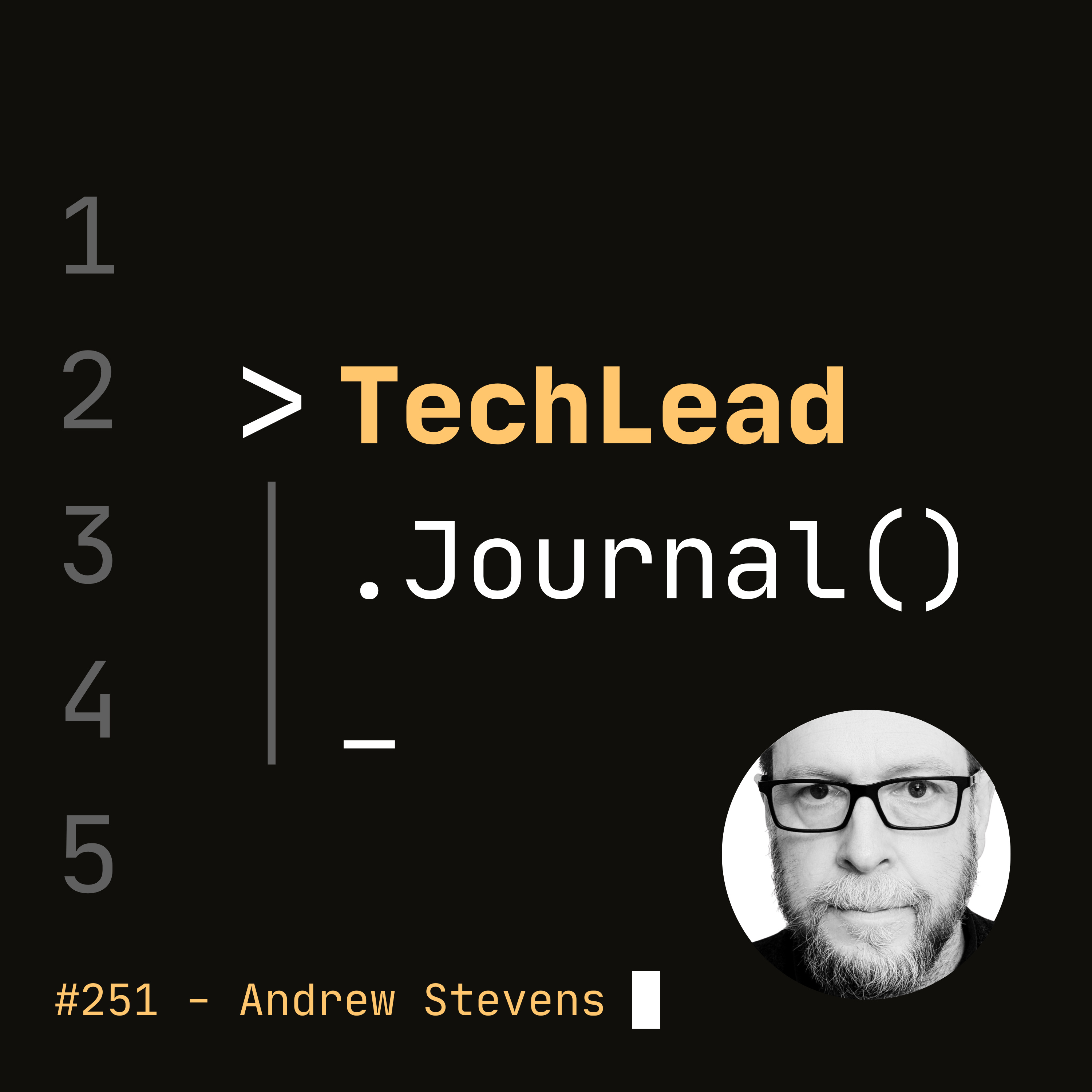
Design the System, Not the Hero: Building Trust in the AI Era
In a world where AI can build your MVP overnight, what actually gives you a lasting competitive edge? Andrew Stevens argues it’s not the software — it’s the data, the trust, and the systems you build around them.In this episode, Andrew Stevens, CTO of Sakura Sky and a technology leader with 30+ years of experience building, scaling, and selling companies, shares hard-won lessons from his journey across startups, enterprises, and AI ventures. He explains why product-market fit matters more than shipping fast, why data outlasts software as a competitive moat, and how leaders must design systems that don’t depend on their own heroics. Andrew also shares how a near-fatal accident reshaped his thinking on resilience, delegation, and what it truly means to build something that scales. From hiring for attitude over technical skill to building AI governance that accelerates rather than blocks innovation, this conversation is packed with practical wisdom for anyone leading in the AI era.Key topics discussed:Why data — not software — is your real moat in the AI eraWhat breaks when a startup scales past 10–100 peopleHow to make decision rights explicit to move fasterDesign the system, not the hero: building beyond youHiring for resilience and attitude over technical skillHow governance can speed up AI adoption, not slow it downWhat trustworthy AI agents actually requireTimestamps:(00:00) Trailer & Intro(02:45) What Breaks When You Scale a Startup From Zero to 100 People?(08:44) Why Is Product-Market Fit More Important Than Building an MVP?(17:20) How Do You Build a Lasting Moat in the AI Era?(21:29) Why Must Leaders Learn to Let Go to Scale?(23:27) What Can Leaders Learn From a Near-Fatal Motorcycle Accident?(26:29) How Do Technical Leaders Stay Hands-On Without Becoming a Bottleneck?(31:32) Why Should You Hire for Resilience Over Technical Skill?(34:56) How Do You Build a Team That Innovates Safely in the AI Era?(41:12) How Do You Build AI Governance That Speeds Up Innovation?(47:37) Are AI-Driven Layoffs Justified or Just an Excuse?(52:06) How Do You Build Trustworthy AI Agents?(59:34) 3 Tech Lead Wisdom_____Andrew Stevens’s BioAndrew Stevens, CTO of Sakura Sky, is an executive leader and hands-on technologist who has scaled AI and cloud ventures from idea to acquisition. Based between Europe and the US, he blends deep expertise in cloud architecture, machine learning, and security with a track record in fintech, media, gaming, and AI.Known for making complex tech relatable - often with pop-culture twists - Andrew brings sharp insights on AI guardrails, infrastructure resilience, and the creative edge humans hold in an AI-driven world. Whether advising founders, investing in early-stage startups, or speaking on global stages, Andrew helps audiences cut through the hype and focus on what matters most.Follow Andrew:LinkedIn – linkedin.com/in/andrewjstevensSakura Sky – sakurasky.com The Executive AI Playbook – https://www.sakurasky.com/white-papers/ai-playbook/ Executive White Papers & Frameworks – https://whitepaper.download/Like this episode?Show notes & transcript: techleadjournal.dev/episodes/251.Follow @techleadjournal on LinkedIn, Twitter, and Instagram.Buy me a coffee or become a patron.
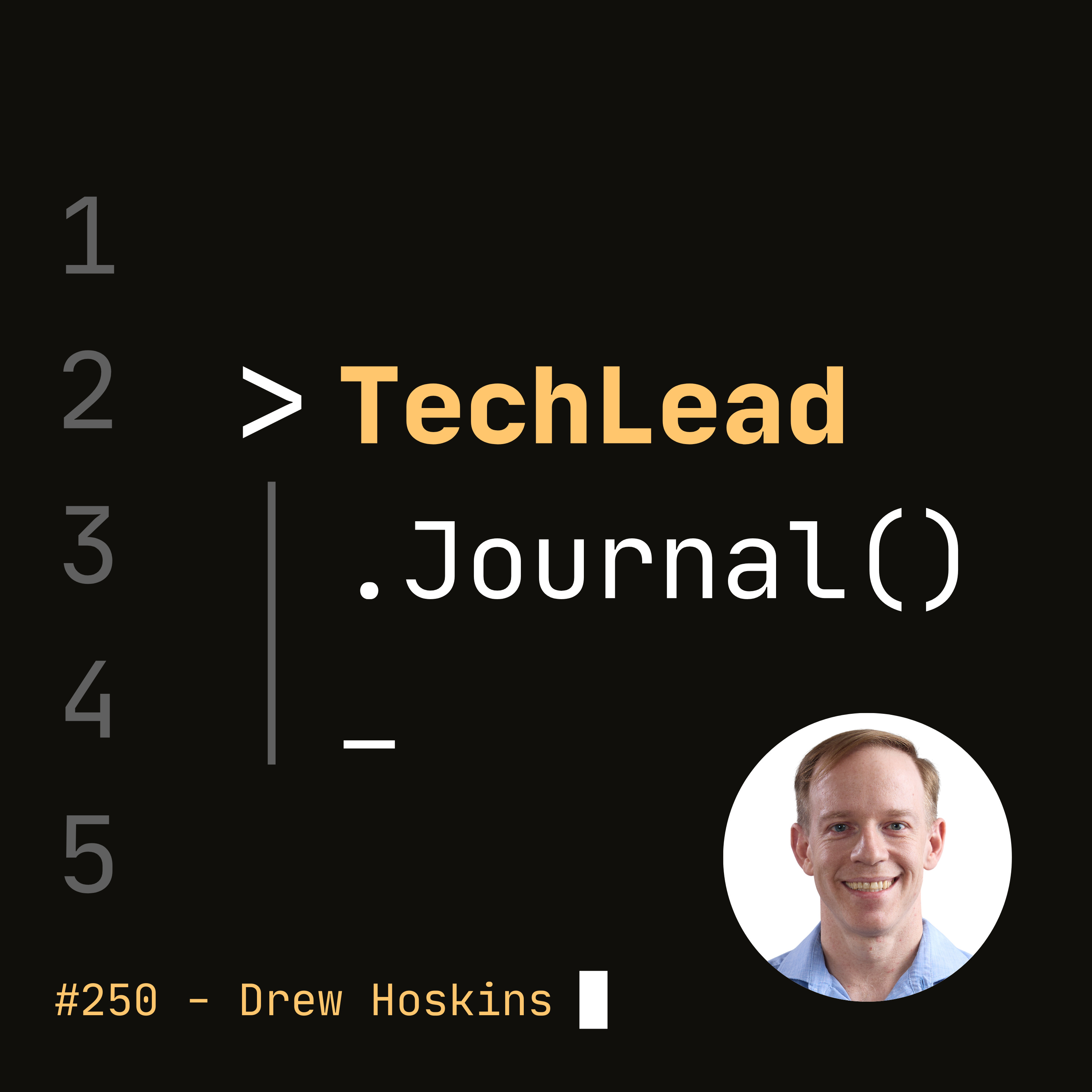
Why Coding Alone Is No Longer Enough: Become A Product-Minded Engineer
With AI generating code faster than ever, coding alone is no longer enough. The engineers who will stand out aren’t the ones who write the most code, but the ones who know what to build and why.In this episode, Drew Hoskins, author of “The Product-Minded Engineer”, shares how engineers can develop the product thinking skills that will define their careers in the AI era. Drew draws on his experience as a senior staff engineer at Microsoft, Meta, and Stripe to explain why the best engineers care as much about the what and why as the how. He introduces the Double Diamond Framework (Discover, Define, Develop, Deliver) and calls out why most engineers make the mistake of jumping straight to the Develop phase. He also explains the concept of the “great re-indexing”: the mental shift required to switch between thinking like an engineer and thinking like a user. As AI takes over more of the routine coding work, Drew argues that product skills, people skills, and ownership skills are what will separate good engineers from truly impactful ones.Key topics discussed:What makes an engineer “product-minded”Why engineers skip Discovery and what it costs themThe Double Diamond: a framework for building the right thingHow to think in user scenarios, not just system diagramsThe “great re-indexing” between engineer and user thinkingWhy discoverability can 10x your feature’s impact for little costHow AI is making product skills more valuable, not lessWhat junior engineers should focus on to stay relevantTimestamps:(00:00) Trailer & Intro(02:35) What Is a Product-Minded Engineer?(05:37) What Did Drew Learn Working at Microsoft, Meta, and Stripe?(14:13) What Are the Biggest Challenges When Switching from Engineering to Product Management?(16:33) What Skill Gaps Hold Engineers Back from Product Thinking?(20:56) How Do You Bridge the Communication Gap Between Engineers and PMs?(26:07) What Are The Four Pillars (Double Diamond Framework)?(29:43) Why Should Engineers Care About the Deliver Phase?(32:40) How Should Engineers Apply the Double Diamond Framework Day-to-Day?(36:15) How Is AI Reshaping the Role of Product Engineers?(40:06) Should Product Managers Learn to Code in the AI Era?(43:56) What Is the Right PM-to-Engineer Ratio in the AI Era?(45:48) How Should Engineering Leaders Respond to AI Productivity Pressure?(51:04) What Advice Would You Give Junior Engineers Entering the Industry Today?(55:17) What Other Topics Does the Product-Minded Engineer Book Cover?(57:03) 3 Tech Lead Wisdom_____Drew Hoskins’s BioDrew Hoskins blends product, engineering, and storytelling in his work and writing. He is the author of The Product-Minded Engineer. As an engineer, Drew has helped design and build a wide range of innovative products and platforms for Microsoft, Meta, and Stripe.Throughout his career, he has carried a passion for empowering developers. He’s founded and led several teams to major successes with developer platforms that have withstood the test of time. He’s currently a Staff Product Manager at Temporal Technologies, bringing durable execution to the masses.He is an expert bridge player, having won a North American Championship in 2025, and lives in the beautiful and nerdy San Francisco Bay Area.Follow Drew:LinkedIn – linkedin.com/in/drewhoskins2Newsletter – drewhoskins.substack.com Product-Minded Engineer - https://www.oreilly.com/library/view/the-product-minded-engineer/9781098173722/One-Page Bio – drewhoskins.carrd.coLike this episode?Show notes & transcript: techleadjournal.dev/episodes/250.Follow @techleadjournal on LinkedIn, Twitter, and Instagram.Buy me a coffee or become a patron.
You may also like








Get this podcast on your phone, Free


Create Your Podcast In Minutes
- Full-featured podcast site
- Unlimited storage and bandwidth
- Comprehensive podcast stats
- Distribute to Apple Podcasts, Spotify, and more
- Make money with your podcast