Episode List
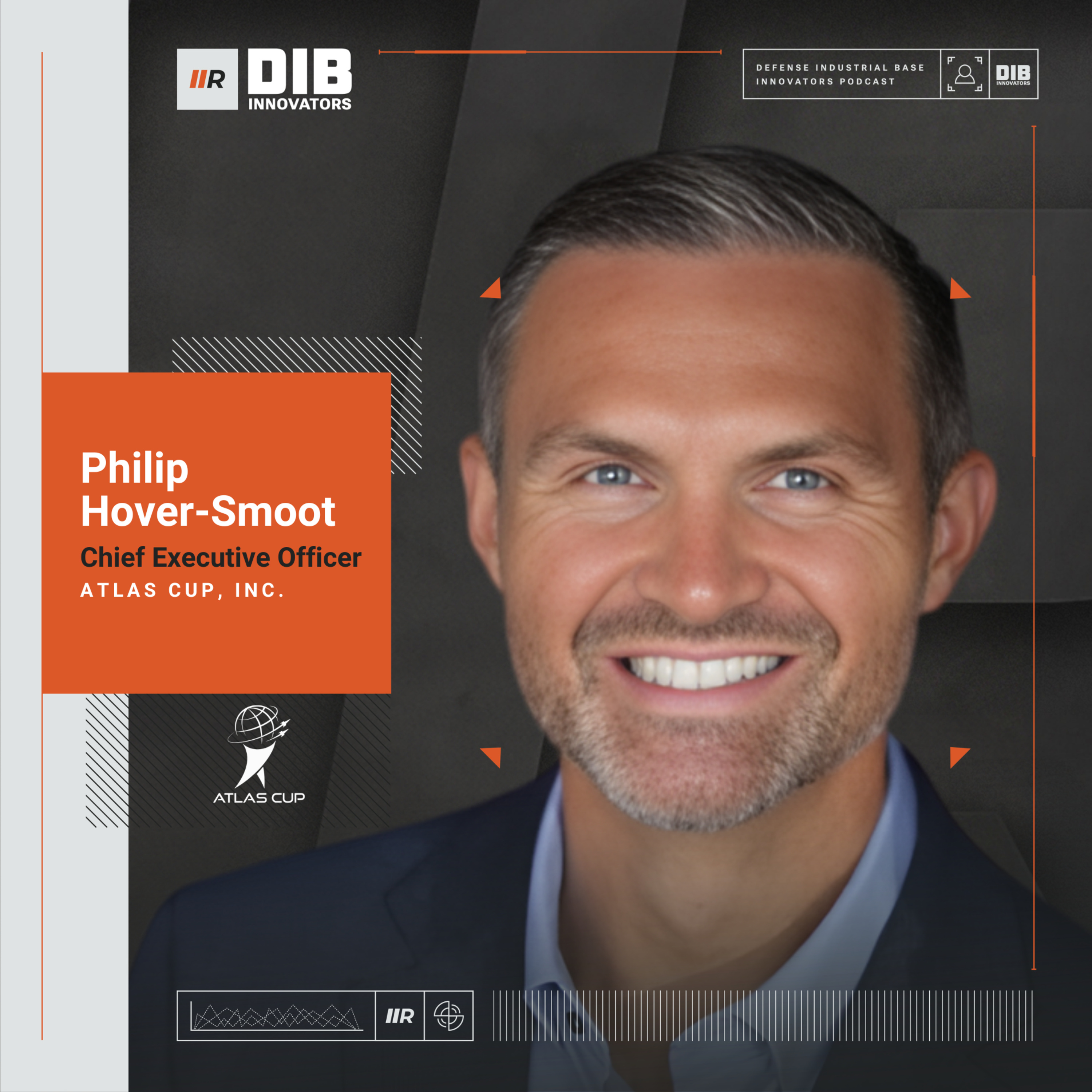
EP 93 — Atlas Cup's Philip Hover-Smoot on Building Capital Pathways Outside Government Funds
There are roughly 438 companies building propulsion systems for space right now. Nobody knows which ones actually perform. Philip Hover Smoot, CEO of Atlas Cup, is building a model to fix that, one that creates a capital pathway outside traditional defense funding, a proving ground for real on-orbit performance, and a non-government revenue stream for companies that need to survive long enough to win.Atlas Cup's model doesn't ask anyone to build new hardware. It draws ruleset boundaries around satellites already in orbit at the end of their primary mission. These assets have propulsion still in the tank, licensing already paid, operators already covering TTNC and orbital maintenance. Those assets become a performance stage instead of a sunk cost. The data generated maps directly to what Space Systems Command is looking for, and for DIB contractors who need a credible commerciality plan, it may be one of the only honest answers available. Topics discussed:Turning end-of-mission satellite assets into a competitive racing ecosystemWhy over 400 propulsion companies exist but no one knows who's actually bestThe dual-use case for Atlas Cup within DOD acquisition and commerciality requirementsDesigning a league structure that externalizes every regulatory and licensing burdenBuilding toward a 2028 Grand Prix with chemical propulsion and university class divisionsHow racing data, like maneuverability, pointing, and tracking maps directly to Space Force requirementsWhy SBIR-dependent space companies need non-government revenue to surviveThe fan experience challenge: visualizations, immersive venues, and short-format content distributionWhat professional racing did for automotive and why space needs the same forcing functionSpace domain awareness classification and why open competitive data changes the equation
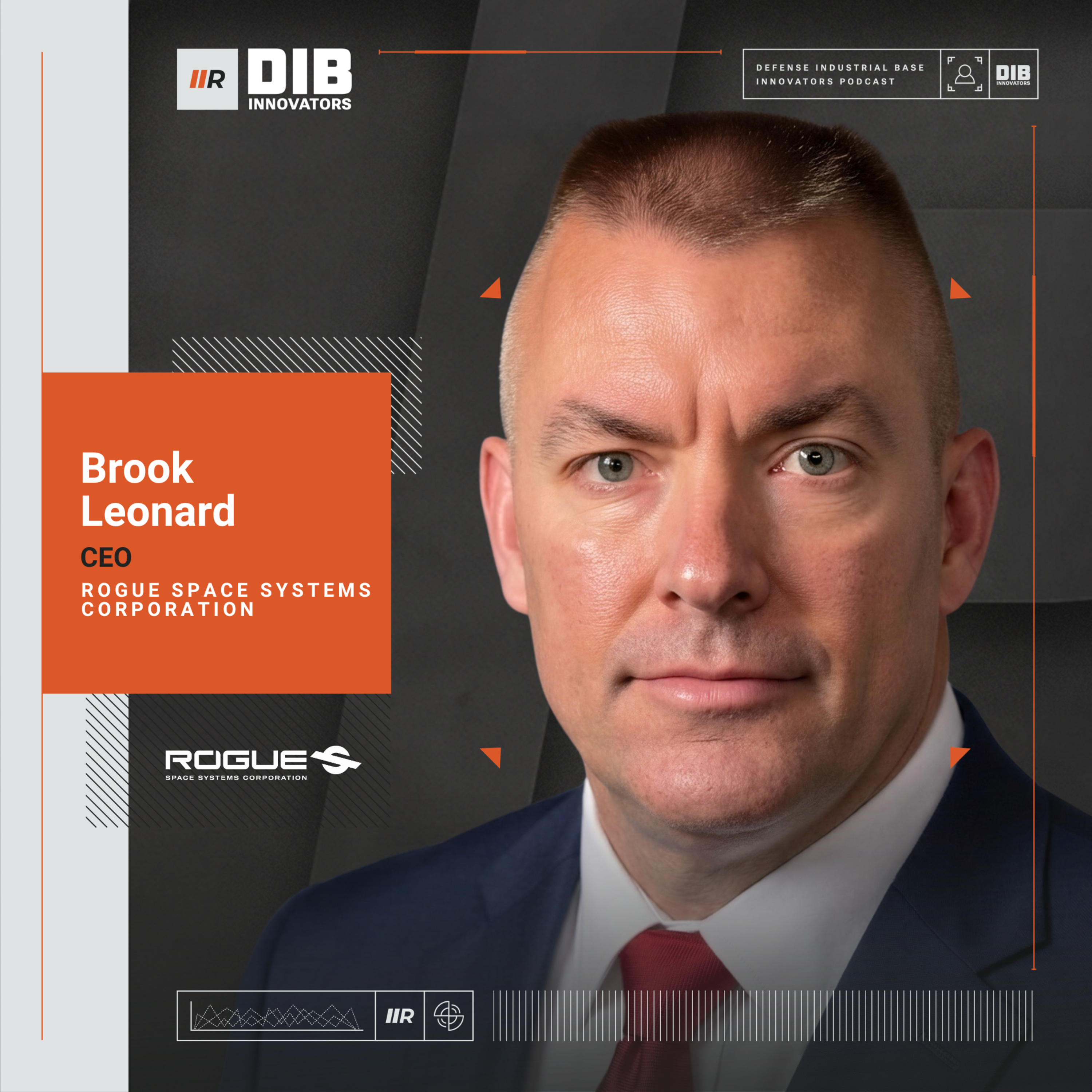
EP 92 — Rogue Space Systems' Brook Leonard on Building the Infrastructure Layer for Modular Space Operations
Brook Leonard, CEO of Rogue Space Systems, spent 31 years in the Air Force, including as Chief of Staff of US Space Command. Today he is building the modular infrastructure layer that makes space operations faster, cheaper, and sustainable beyond a single mission. Brook breaks down why the current model (bespoke, fully integrated satellites that become debris) can't keep pace with the speed of modern competition, and how Rogue's approach of separating the satellite chassis from the payload changes what's possible on orbit.Rogue's pitch to commercial customers: five times faster, five times cheaper to space. They also get into edge AI and why ground-based processing isn't an option when communication is delayed and reaction windows are seconds, the national security implications of contested space and where the US is falling behind. Topics discussed:Why the current model of bespoke, fully integrated satellites that die as debris is unsustainable for both commercial and military spaceHow modular architecture separates the satellite chassis from the payload, like a truck is separate from the container it haulsWhat "space shipping containers" actually are and how they enable on-orbit payload swaps without relaunchingWhy edge compute and AI autonomy are non-negotiable in space: communication delay, incomplete tracking, and reaction timeHow persistent unmanned platform works as an on-orbit depot: hosting payloads, supplying power and compute, enabling refueling and mission changesWhy the biggest growth opportunity in defense right now is infrastructure, not payloadsWhat China is doing right that we aren't: getting technology into operational units fast and iterating off exercisesWhy human colonies in space are overhyped, and how autonomous systems will do the work instead
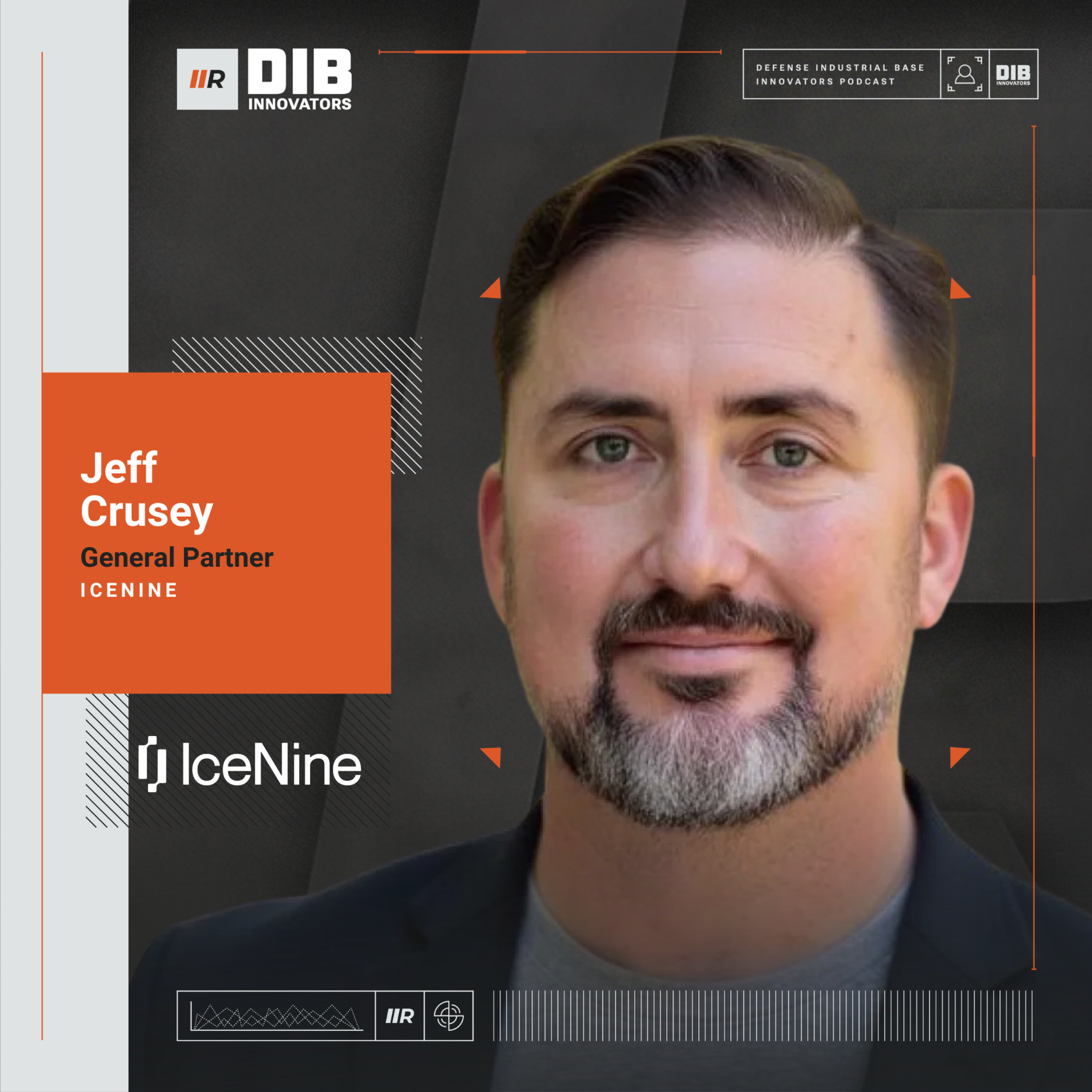
EP 91 — IceNine's Jeff Crusey on the SaaS Playbook Mismatch That Takes Hard Tech Companies off the Rails
Jeff Crusey, General Partner at IceNine, has watched the same failure mode repeat across energy, defense, and deep tech: investors who don't understand the technology gain large ownership stakes and take companies off the rails. That pattern is what pushed him to launch IceNine, an early-stage venture firm built around first-principle technical depth and embedded government networks rather than a SaaS growth playbook. Jeff breaks down what he actually underwrites before a product exists, why he tells every founder to start lobbying and appropriations on day one,and why compliance isn't an end-stage checkbox but the wall that stops great technology cold. He also makes the case that orbital defense is the most dangerous and underfunded gap in national security right now, and that the reason it stays that way is simple: the investors who could fix it don't understand it well enough to write the check. Topics discussed:Why venture capital firms applying SaaS investment playbooks to hard tech consistently destroy value and derail defense companiesEvaluating pre-product defense startups using technology thesis development, unit economics scrutiny, and team unfair advantageThe day-one lobbying and appropriations pattern that separates defense companies hitting early revenue targets from those that stallWhy compliance, not technology, failures are the most common wall that stops defense startups from scaling with government customersThe case for orbital defense as the most underfunded gap in national security and why most investors aren't equipped to close itWhy defense founders should treat speed of execution as more important than optimizing for investor value-add when raising capital
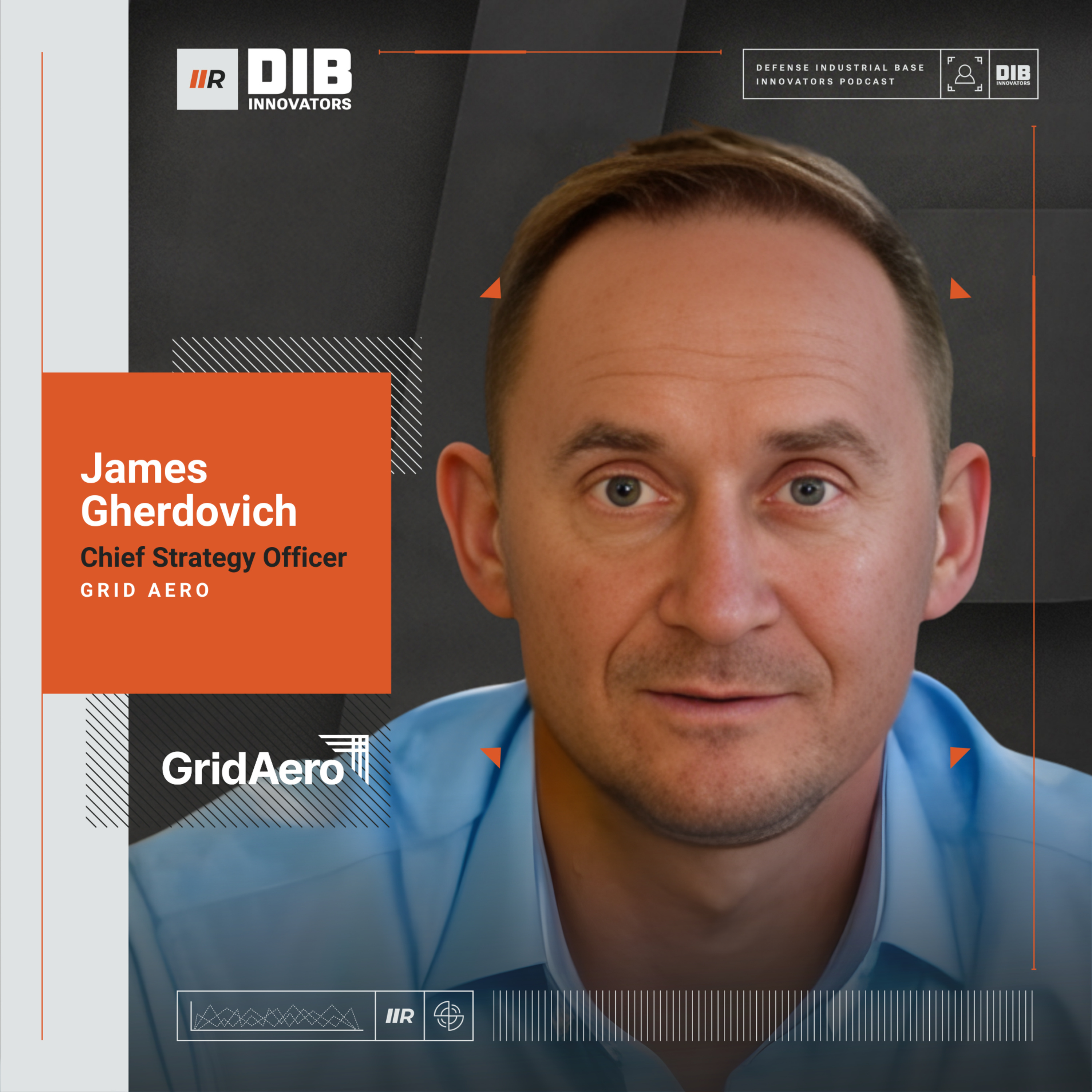
EP 90 — Grid Aero's James Gherdovich on Why Autonomous Logistics Must Self-Heal, Not Just Deliver
Removing the pilot from an exquisite manned airframe doesn't make it expendable; it actually makes it more expensive to lose. James Gherdovich, Chief Strategy Officer at Grid Aero, argues that strapping a high-end autonomy suite onto a platform already limited by constrained supply chains only increases economic risk to the force in a kinetic environment. Grid Aero's answer is a 40x40-foot autonomous cargo aircraft built from scratch: thousands of pounds for thousands of miles, GPS- and comms-denied capability, with two separate in-house AI stacks, all designed to be mass-produced and replaced in the field. James also lays out why logistics isn't just a support function in the next fight, it's the prerequisite: until beans and bullets reach distributed forces at the edge, ISR, EW, and CASEVAC don't get prioritized. And what a self-healing global logistics layer looks like not as a vision, but as a design principle baked into how Grid Aero builds. Topics discussed:Building autonomous cargo aircraft from scratch using COTS components to achieve mass-producibility and replaceability at scaleDesigning GPS- and comms-denied operation as a foundational premise rather than an added feature for contested environmentsSeparating flight execution AI from mission parameter AI into two distinct in-house software stacks for operational flexibilityHow unmanning exquisite manned platforms compounds economic risk to the force given constrained rare earth and parts supply chainsEstablishing assured logistics as the prerequisite warfighting function before ISR, EW, and CASEVAC can be prioritized at the edgeReducing cognitive and physical load on exhausted edge warfighters through simplified ground interfaces requiring no specialized trainingTransitioning from military logistics command to defense startup and the mindset shift required to operate without institutional process structuresFraming self-healing global logistics as a design principle for autonomous resupply systems operating under degraded conditions
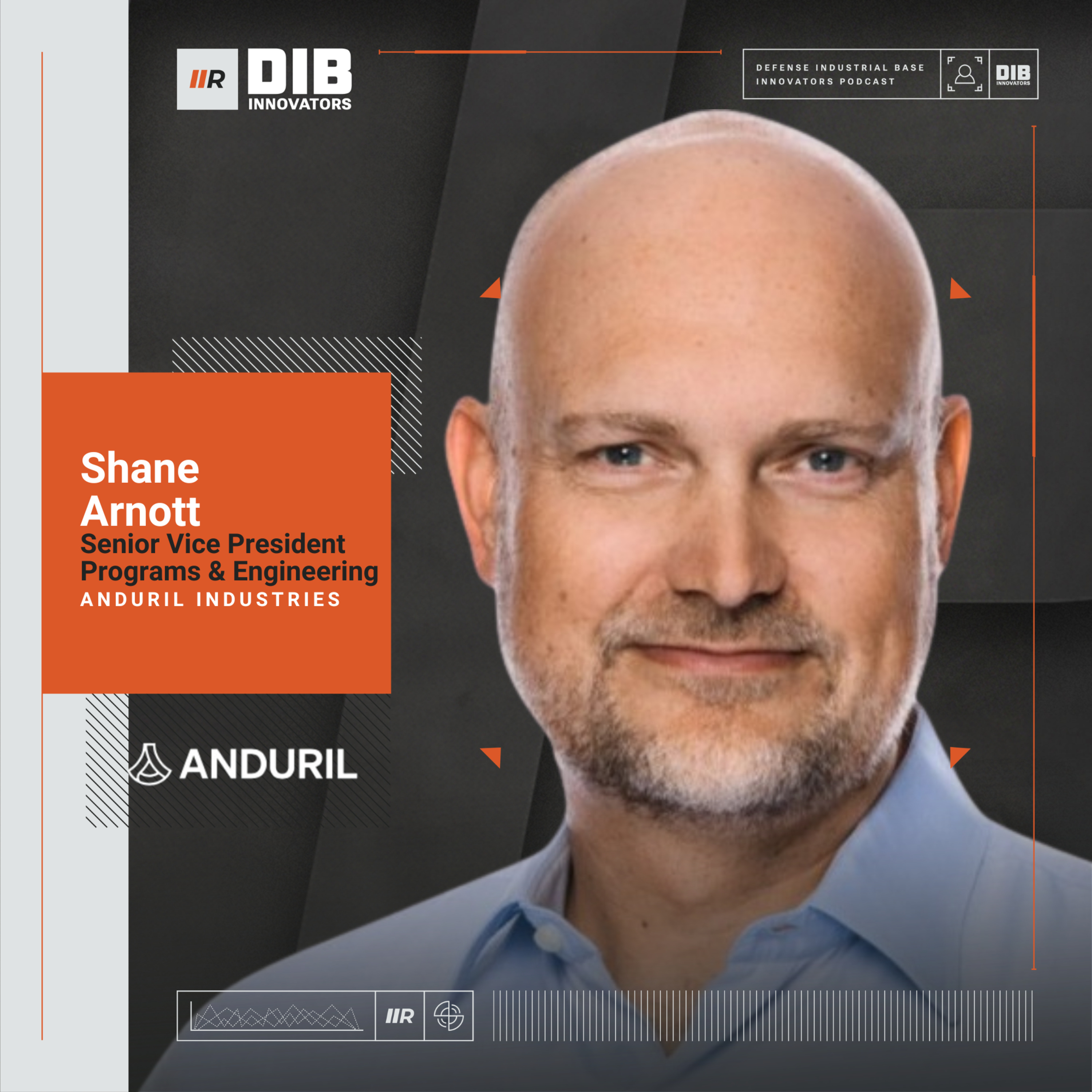
EP 89 — Anduril's Shane Arnott on Eliminating Design Review Theater through Equal Financial Risk
Australia and Anduril each put $50 million into Ghost Shark. That 50/50 split eliminated the customer-contractor power imbalance and got the vehicle in the water in 12 months, whereas the US Navy's ORCA program took nearly a decade to reach the same milestone. When Anduril couldn't solve biofouling on control surfaces, they walked into a design review and said it. The Australian government's science organization brought research from facilities across the Asia-Pacific to fix it. No grading. No theater. Shared risk created actual partnership.Shane Arnott, SVP of Programs & Engineering, details how the $100 million development program transitioned to a $1.7 billion program of record in under three years, making the Royal Australian Navy the world's largest subsea robot operator. Pick technologies that scale to automotive production volumes, design for "evergreening" with 12-18 month hardware refresh cycles, and structure partnerships where both sides have enough skin in the game to solve problems together instead of pointing fingers. Topics discussed:Structuring 50/50 cost-sharing partnerships that eliminate customer-contractor power dynamicsCompressing Ghost Shark timeline from decade-long ORCA equivalent to 12 months in water through equal financial risk allocationApplying automotive production methodologies to achieve orders of magnitude scale increases beyond aerospace normsImplementing "evergreening" programs that refresh submarine hardware every 12-18 months instead of decade-long cycles Navigating subsea autonomy requirements where communications denial and positioning uncertainty force true autonomous operation Rejecting innovation theater driven by venture capital video culture in favor of replicable manufacturing processes for field deployment
You may also like









Get this podcast on your phone, Free


Create Your Podcast In Minutes
- Full-featured podcast site
- Unlimited storage and bandwidth
- Comprehensive podcast stats
- Distribute to Apple Podcasts, Spotify, and more
- Make money with your podcast