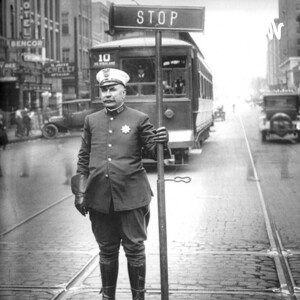
Reforming Dixie: Stories from Alabama during the 1920s
https://anchor.fm/s/75168044/podcast/rssEpisode List
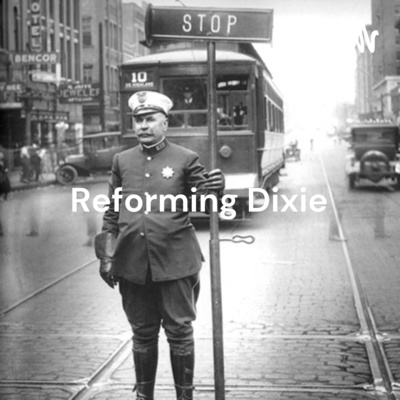
Introduction: The United States in 1920
You're listening to "Reforming Dixie: Stories from Alabama during the 1920s", a podcast created by students at the University of Montevallo. In this introductory episode, Professor John Bawden introduces the podcast and describes life in the United States during the 1920s. In many respects, it’s a world we recognize. People listened to radios and used cars to get around. City dwellers went to stadiums and department stores. At the same time, certain aspects of life in the 1920s would strike us as strange, peculiar, or outright horrifying.
Chapter 1: Bohemians, Socialists, Artists: Fairhope, AL in the 1920s
Beginning with its founding as a single-tax colony in 1894, the small town of Fairhope, Alabama, served as a Southern hub of progressive thinking. The roaring 20s were no exception for the town. As northern transplants flocked to the town, often wintering on its beaches, so did some of the progressive movements that were emerging in more urban areas of the time. Cady Inabinett explains how Fairhope of the 1920s was defined by its free-thinking and vibrant population, including progressive education leaders, card-carrying socialists, artists, writers, and philosophers. However, while forward-thinking, Fairhope’s population and lifestyle was shaped by its largely upper-class and white citizens and seemed to not have any large-scale impact on the political and social climate of Alabama as a whole.
Chapter 2: Education in Alabama during the 1920s
Alabama made great strides in education during the 1920s due to education reform. Governor Thomas Kilby (1918-1922) was a lead proponent of education reform in this decade. He increased taxes which led to increased funding in Alabama schools. Increased funding helped schools to improve, but funding was not divided evenly. This talk by Jovanna Kloss will discuss the differences between rural and urban schools as well as white and black schools. Alabama did not have state funded schools until the late 1800s, as a result the state had opportunity schools which taught adults who had not received adequate education as children. Even with Alabama’s education noticeably improving in areas such as literacy, there were still opponents of the increased taxation. This talk will also discuss how the quality of education in Alabama has changed throughout the twentieth century.
Chapter 3: The Theory of Evolution in Alabama during the 1920s
Often called the “Heart of Dixie”, Alabama has always had a cultural connotation of a rural, uneducated community where God is king, and football is second. A state that often blurs the line between “piety and politics,” Alabamian politicians have propagated the state’s reputation to the rest of the nation, often the first to back and sponsor religiously based culture wars. This has not always been the case explains Jacob Gross. Alabama’s religious communities during the 1920s often took a more progressive view in the dissemination of new scientific information regarding the origin of man. Nearly everyone with a microphone in Alabama’s churches supported the separation of church and state at the time of the Scopes trial (1925), the first major court case regarding whether the theories of evolution should be taught in school. This sentiment left fundamentalist Alabamians dissatisfied and it seems to have made the religious communities of our time more obsessed with the Darwinist culture war.
Chapter 4: How Women Organized in Alabama during the 1920s
The 1920s was the beginning of a new era for women in the United States, who now had more rights than ever before after the passing of the 19th Amendment, which granted women the right to vote. The landscape of womanhood in Alabama at the time was changing in many ways, but remained stagnant in others. This talk by Natalie Roberts looks at how women organized in 1920s Alabama through three important stories: women in the church, in the political sphere, and in the Ku Klux Klan. It pays special attention to how race played a role in the communities of women at the time.






Get this podcast on your phone, Free


Create Your Podcast In Minutes
- Full-featured podcast site
- Unlimited storage and bandwidth
- Comprehensive podcast stats
- Distribute to Apple Podcasts, Spotify, and more
- Make money with your podcast
