Episode List
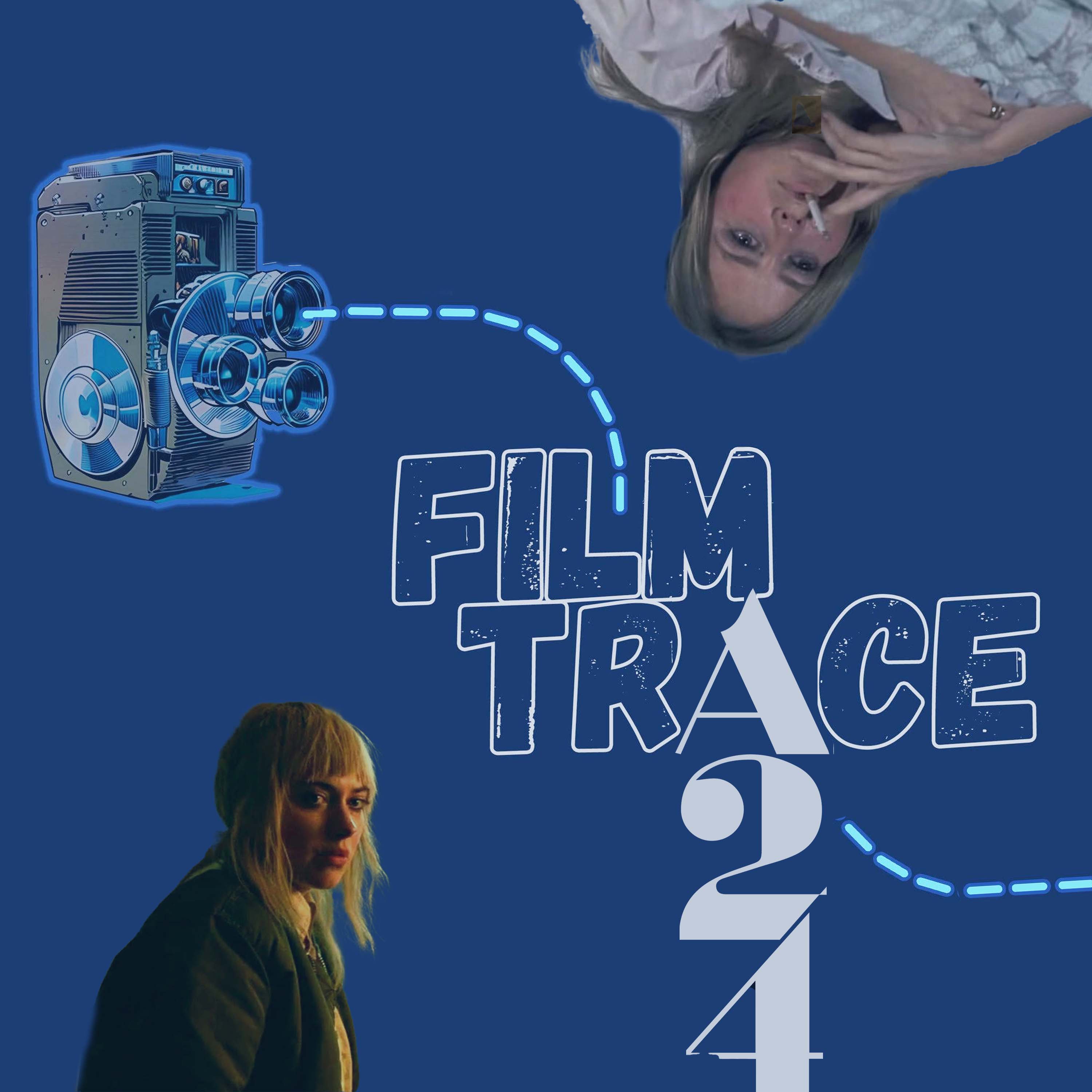
The Rise of A24 - Green Room (2016) and Straw Dogs (1971)
In our seventh episode of The Rise of A24 series, we revisit the pitch black thriller Green Room (2016) and its even even darker precedent Straw Dogs (1971).Special Guests: David, comedian and musician from Chicago, check out his band HumdrumGreen Room is perhaps the most divisive film that splits apart your Film Trace cohosts. Chris loves this punk rock thriller, and Dan resolutely despises the film. For nearly a decade now, the two have squared off over this A24 stalwart from Jeremy Saulnier. What starts out as a sort of fun punk rock road movie quickly turns into a nazi funhouse of horrors. Grotesque violence mixes with fascist gang machinations as main characters get wiped out one by one. The film's tone is akin to a street paella: messy with lots of competing tastes and probably some deep and long lasting indigestion. Chris has always been a glutton for punishment. Straw Dogs is somehow even more disturbing and unnerving than Green Room. Dustin Hoffman plays a little runt creative who has to contend with the rural anti-intellectualism of the English countryside. While the setup seems quite put on and rote, the final results are anything but. The tension rises throughout the film until its insane and hyper violent ending. Problematic is the starting point for this film. Where it ends up is entirely up to you as the viewer to determine.
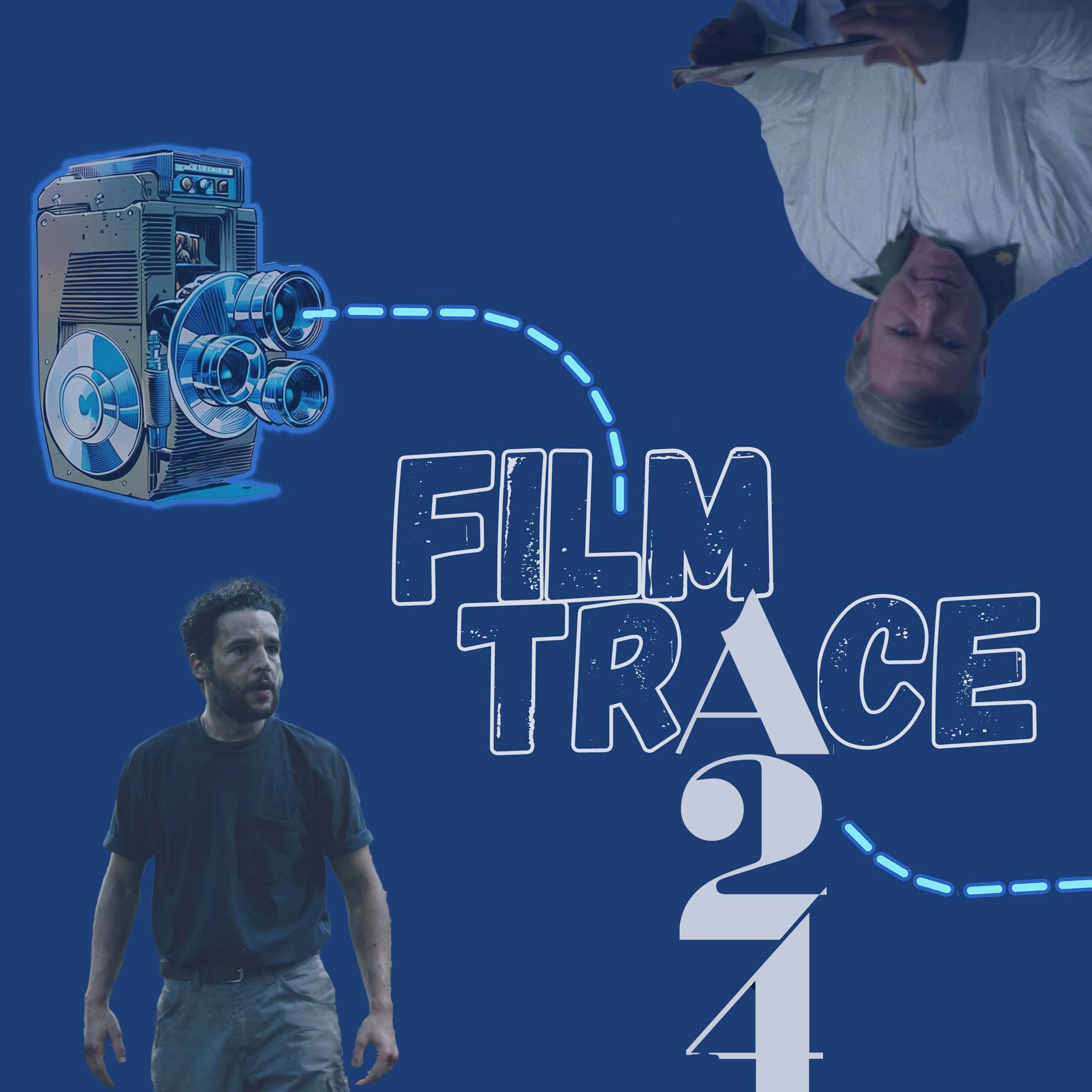
The Rise of A24 - It Comes at Night (2017) and The Crazies (1973)
In our sixth episode of The Rise of A24 series, we plunge into the cold dark heart of humanity with It Comes at Night (2017) and The Crazies (1973)Special Guests: Bridget D. Brave, horror writer and horror film aficionado I will admit. These are a couple of tough films. It Comes at Night is bleak. The Crazies is messy. They both share a common Hobbesian DNA. That is, human beings can be pretty awful to each other. A24's marketing misfire struck down It Comes at Night at the box office, and the film has not recovered from that diminished status despite being extraordinary work of cynicism by Trey Edward Shults. The film reminds me very much of the height of 1970s American horror, a collective realization that maybe we are the baddies.George Romero's The Crazies has a totally different tone, but I think a very similar message. Romero shot this on 16mm and edited it like a 16 year-old YouTuber. It is a complete mess. But within that mess is a lot of pointed and poignant political satire that is easy to miss. The Crazies came out when the USA was still murdering women and children in Vietnam, because some WASPs felt anxious in DC. It was the height of American Immorality, and Romero saw that very clearly. The Crazies is his valiant but ultimately failed attempt to speak truth to power.While both films are brutal in their own way, our wonderful conversation with Bridget D. Brave is quite the opposite. Three horror film nerds try to make sense of these unflinching attempts to capture the darkness, perhaps, at the core of humanity.
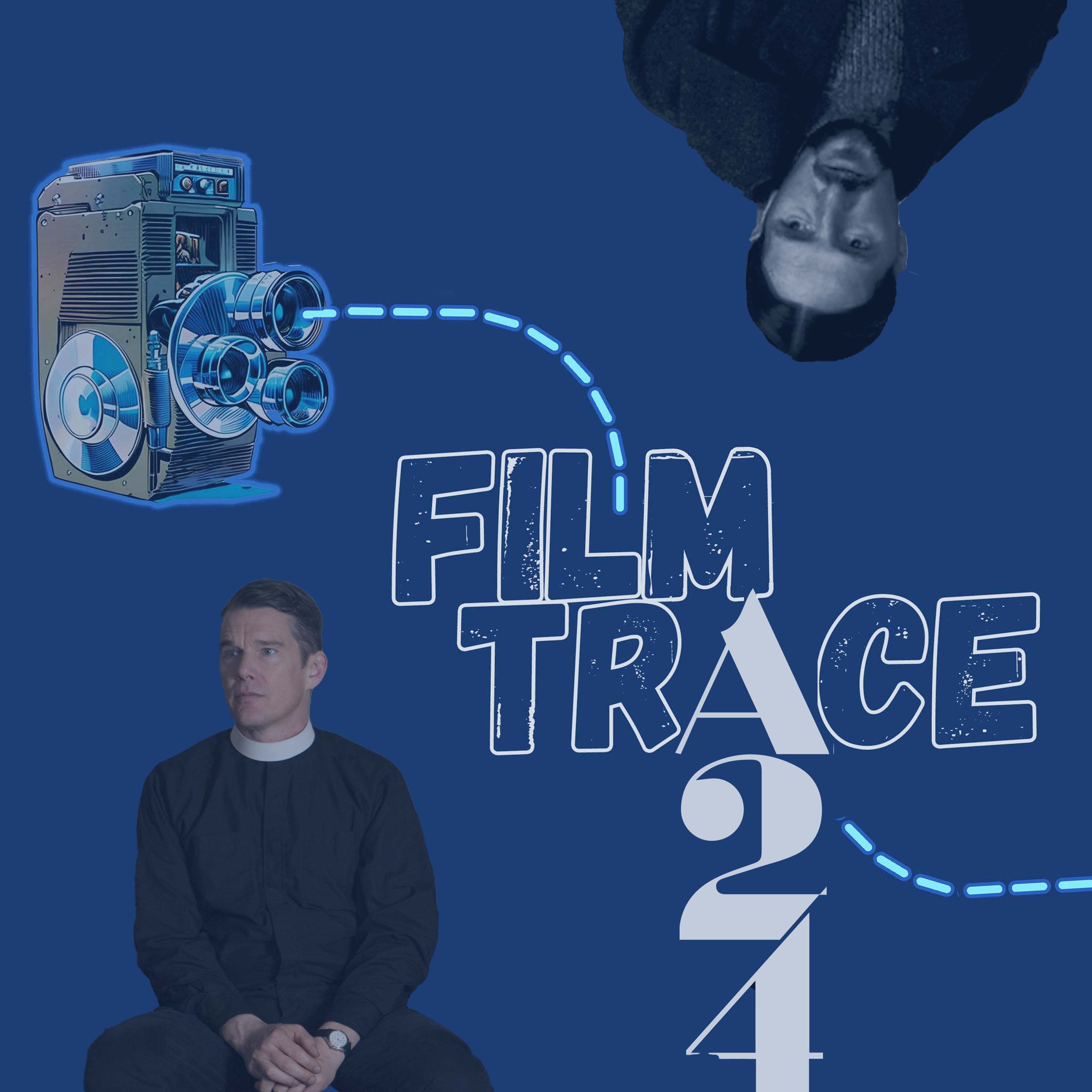
The Rise of A24 - First Reformed (2018) and Ordet (1955)
In our fifth episode of The Rise of A24 series, we go to church with Paul Schrader’s First Reformed (2018) and Carl Theodor Dreyer’s Ordet (1955).Special Guests: Jen and Sarah of the great podcasts - Movies & Us and TV & UsPaul Schrader has spent a lifetime wrestling with the question of transcendence. From Taxi Driver to Master Gardener, his protagonists are often solitary men seeking clarity and redemption in an indifferent world. In First Reformed, Schrader distilled decades of his own Calvinist guilt and expansive cinematic theory into a stark, haunting meditation on faith. The film follows Ethan Hawke's Reverend Toller as he spirals into despondency. He is unable to cope with the violence, sin, apathy, and immorality that swirls around his life. With A24's strong backing, Schrader achieved critical redemption with First Reformed. The film earned widespread acclaim and Schrader received long-overdue recognition as one of America's last great morality filmmakers.Schrader was deeply inspired by the 1955 Danish film Ordet. This austere masterpiece delves into the inner workings of a farming family grappling with the outer edges of religious despair and madness. It is slow, serious, and pure cinema. The molasses pace proves worthwhile as the film explodes into religious ecstasy in its final act. While long considered one of the most important films in world cinema, its stature has diminished in recent years as we have loosened our grip of organized religion. Still, this work of art proclaimed a spiritual boldness that has rarely been matched in the genre.

Under the Silver Lake (2019) and L'Avventura (1960)
In our fourth episode of The Rise of A24 series, we are covering the newly minted cult classic Under the Silver Lake (2019) and the art cinema bonanza of L'Avventura (1960)Special Guest - James Adamson, the host of the great Double Reel Podcast, a monthly magazine podcast for the discerning film nerd.A24 had a cult following well before it broke into the mainstream in the 2020s. Their surprise win at the 2017 Oscars for Best Picture with Moonlight put them in the spotlight, but they remained resolutely an arthouse company pre-Covid. That’s why their behavior surrounding the marketing and distribution of Under the Silver Lake (2019) is so profoundly bizarre. David Robert Mitchell was coming off his 2015 horror masterpiece It Follows with this twisting absurdist L.A. noir starring Andrew Garfield. The whole affair seemed right in A24’s sweet spot. So much so that A24 pre-bought the distribution rights before a single shot was filmed. Then, after the movie played to a muted response at Cannes in 2018, they essentially abandoned it: moving the release date multiple times before finally dumping it onto just two screens in April 2019. What exactly was so unnerving that made A24 bury the film?L’Avventura (1960) had a similarly consequential Cannes premiere in 1960. At its first screening, the audience jeered and booed so loudly that director Michelangelo Antonioni left the theater in tears. Yet later that same week, a group of prominent film critic, led by figures from Cahiers du Cinéma, drafted and signed an open letter defending the film as a bold step forward for cinema. That act of critical solidarity transformed L’Avventura from a public embarrassment into a landmark of cinematic modernism. What began in jeers was quickly reframed as a radical new vision of film art, and its stature has only grown since. Today it stands as one of the undisputed masterpieces of 20th-century cinema, a fixture on “greatest films” lists and a touchstone for generations of directors. Under the Silver Lake, by contrast, never received that critical reprieve, its initial dismissal has lingered, but that has allowed a small, but vocal supporting group to form around the film as it becomes one of the first cult classics of the 2010s.
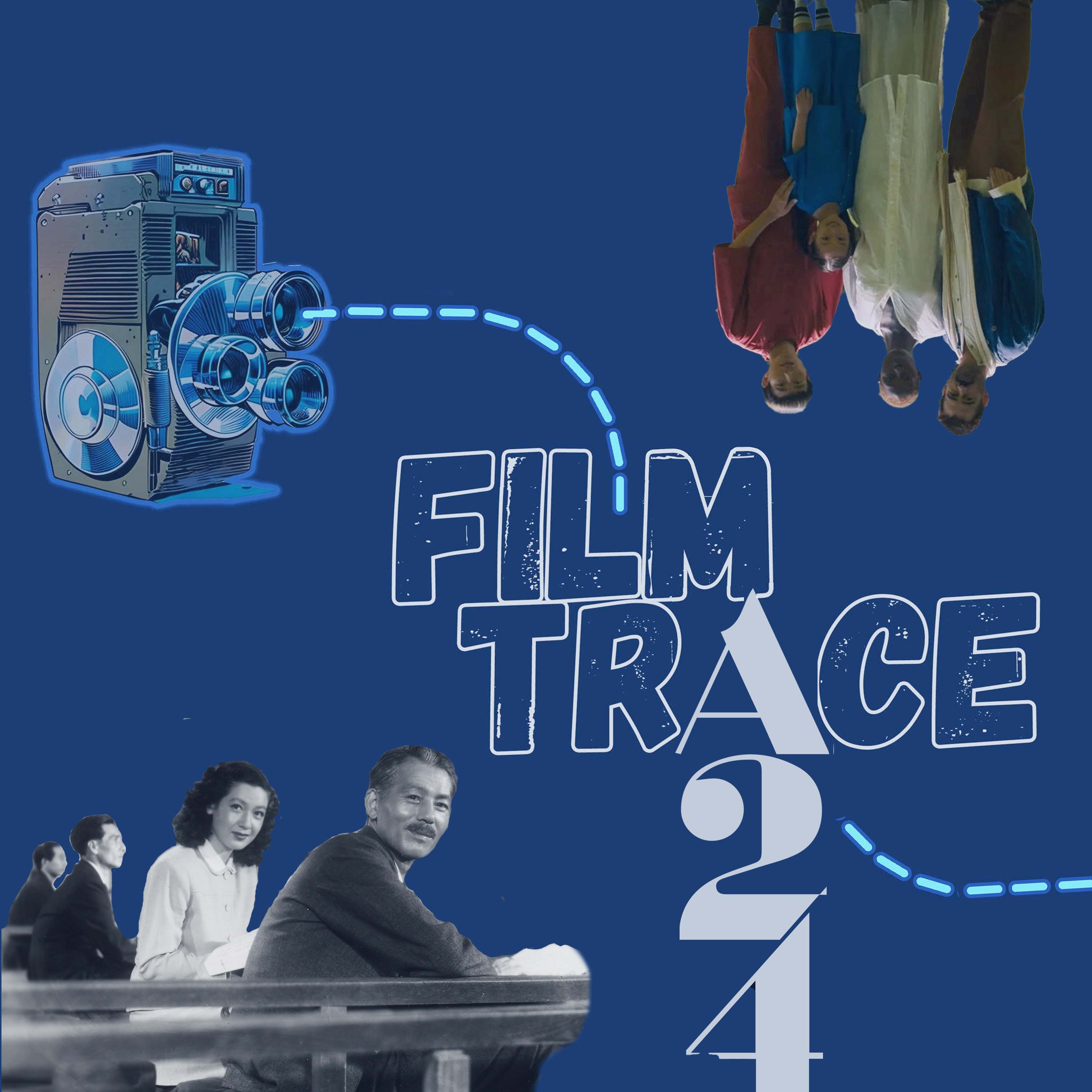
After Yang (2022) and Late Spring (1949)
In our third episode of The Rise of A24 series, we are covering Kogonada's quiet meditation on familial AI, After Yang (2022) alongside the wondrous Late Spring (1949) by Yasujiro Ozu. Special Guest - Lillian Crawford is a freelance writer covering film and culture for publications including Sight & Sound, BBC Culture, The Guardian, Times Literary Supplement. In addition to her writing, Lillian is a prolific programmer and curator, including for the BFI, the Barbican, the Garden Cinema, and the Edinburgh International Film Festival. Dan is unable to hide his adoration Kogonada's debut film Columbus (2017). It currently ranks 7th on his best films of the 21st Century (so far) List. His follow-up, After Yang, is a more murkier affair. Set in a future where robots have become immediate family members, Kogonada attempts to humanize and ground sci-fi in a hazy emotional uncanny valley. Are we supposed to feel for the AI as we would a human or are we just mirroring our own subjective experiences onto an avatar? Rather than providing answers, the film drifts between aching grief, transcendent love, and non-dystopic visions of the future.Yasujiro Ozu is clearly a massive influence on Kogonada, and it is easy to see why with his film Late Spring (1949), a gorgeous melodrama about a daughter growing apart from her father. The film probably shares more with Kogonada's Columbus in its interplay between emotion and the natural world. Ozu is able to conjure the most hidden and profound emotions from his actors and the story. At the same time, he crafts a meticulous narrative that continues to propel forward even as the external drama remains subtle. A true masterpiece of filmmaking.

Get this podcast on your phone, Free


Create Your Podcast In Minutes
- Full-featured podcast site
- Unlimited storage and bandwidth
- Comprehensive podcast stats
- Distribute to Apple Podcasts, Spotify, and more
- Make money with your podcast