Episode List
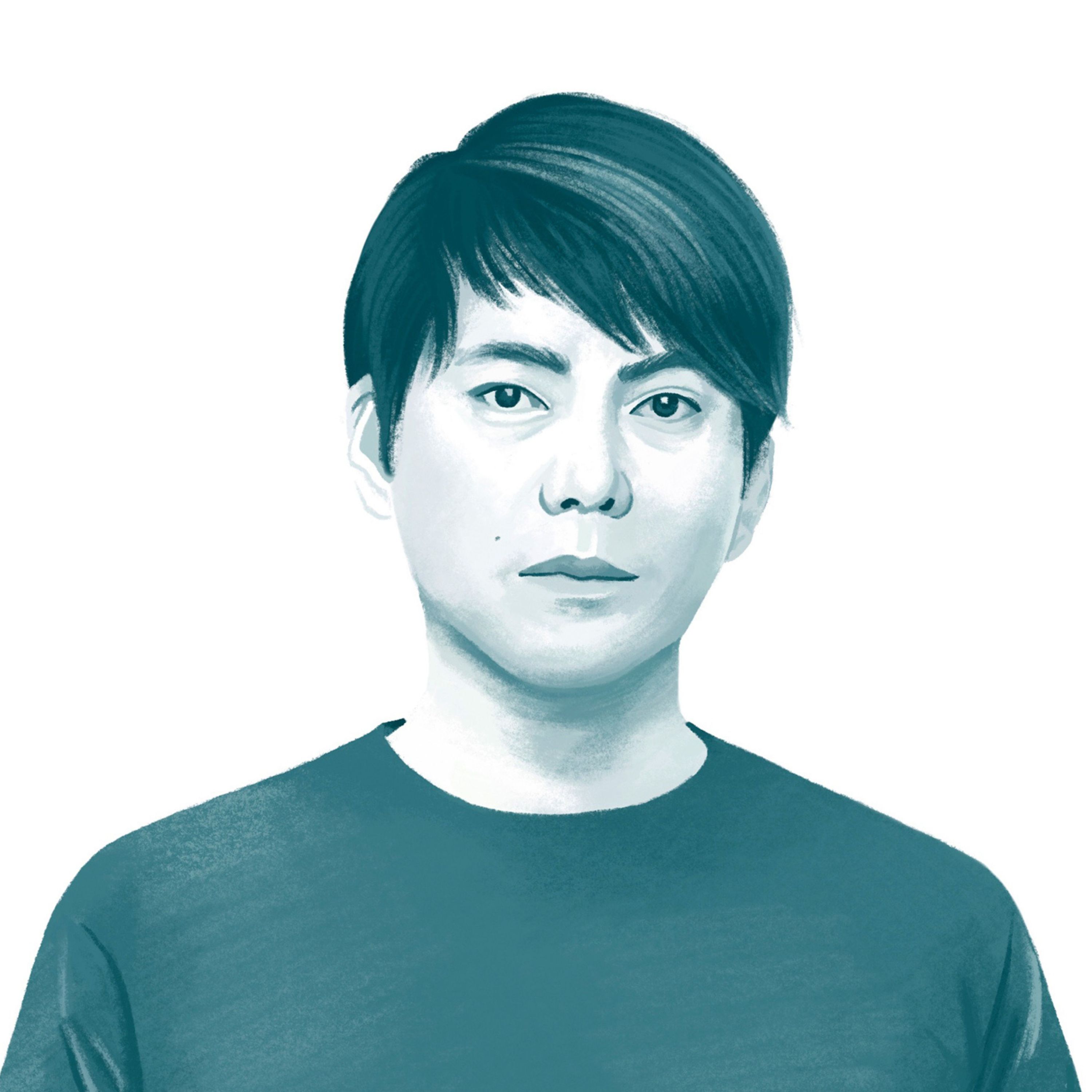
Shohei Shigematsu on Why “Memorable Space” Matters
According to the Japanese-born, New York–based architect Shohei Shigematsu, there’s such a thing as a building being too refined. What matters most, in his view, is creating what he calls “memorable space”: the antithesis of anything lifeless or lacking a symbiotic relationship to the city or its surroundings. As a long-time partner at the firm OMA, Shigematsu leads its New York studio with a sense of openness, radicality, and unexpectedness. This philosophy connects the dots between his multifarious projects, whether they take the form of the new diamond-like extension to the New Museum in New York; the torquing Faena Forum in Miami; or the Casa Wabi Mushroom Pavilion in Puerto Escondido, Mexico. For this (serendipitously “site-specific”) episode of Time Sensitive, Spencer met with Shigematsu inside a Hotel Chelsea suite, a fitting location for their long-view conversation on cities, urbanism, mixed-use design, and spaces for art and community-building—with a particular focus on the New Museum. They also discuss Shigematsu’s nearly three-decade evolution at OMA, how he has carved his own distinctive path at the firm, and the ways in which his Japaneseness has come alive through several of his recent building designs. Special thanks to our Season 13 presenting partner, Van Cleef & Arpels. Show Notes: Shohei Shigematsu [4:33] Office for Metropolitan Architecture (OMA) [5:10] Rem Koolhaas [5:47] S,M,L,XL (1995) [6:59] Delirious New York (1978) [7:43] Learning From Las Vegas (1972) [10:57] OMA New York [21:33] Toyo Ito [23:20] Universal Headquarters [26:42] New Museum [31:55] SANAA New Museum Building [48:16] Cai Guo-Quiang [48:16] Taryn Simon [48:16] “An Occupation of Loss” (2016) [50:38] Kengo Kuma [50:38] Alberto Kalach [50:49] Bosco Sodi [50:49] Casa Wabi Mushroom Pavilion [54:22] Wilshire [Boulevard] Temple [59:58] Tenjin Business Center [59:58] Toranomon Hills Station Tower [1:07:14] Olafur Eliasson

Lucinda Childs on the Dance of Everyday Life
Over six decades and counting, the postmodern choreographer and dancer Lucinda Childs has built an exceptional, category-defining body of work grounded in a style that draws as much from “pedestrian,” everyday movements as it does from her foundational ballet training. Emerging out of the 1960s Judson Dance Theater in New York City, Childs founded her namesake company in 1973 and has created more than 50 works since. This year will see two major New York presentations of her pieces—the first, from March 14–15, 2026, at the Guggenheim as part of Van Cleef & Arpels’s Dance Reflections Festival, will restage five of her early dances, most of them silent; the second, titled “Momentary Reprise,” will be showcased at Bard College’s Fisher Center from June 26–28 and include her collaborations with the likes of Frank Gehry, Philip Glass, and Robert Wilson. On this episode—our Season 13 opener—Childs reflects on her various experimental collaborations with Glass and Wilson; her profound perspectives on time through the lens of choreography and performance; and how she has remained unapologetically steadfast in refining her highly distinctive approach to dance. Special thanks to our Season 13 presenting partner, L’ÉCOLE, School of Jewelry Arts. Show notes: Lucinda Childs [06:23] Philip Glass [12:46] Merce Cunningham Dance Company [10:02] John Cage [12:17] “Pastime” (1963) [12:36] Judson Dance Theater [13:19] Yvonne Rainer [14:04] Robert Ellis Dunn [15:34] “Calico Mingling” (1973) [15:38] “Untitled Trio” (1973) [17:01] Babette Mangolte [17:29] “Reclining Rondo” (1975) [17:29] Robert Morris [29:44] Hanya Holm [22:59] “Radial Courses” (1976) [22:08] “Katema” (1978) [32:30] “Shoulder” (1964) [37:44] Robert Wilson [37:44] Einstein on the Beach (1976) [33:59] Susan Sontag [33:59] Against Interpretation (1966) [34:28] Marguerite Duras [36:34] “Description (of a Description)” (2000) [46:07] “Dance” (1979) [48:36] “Available Light” (1983)
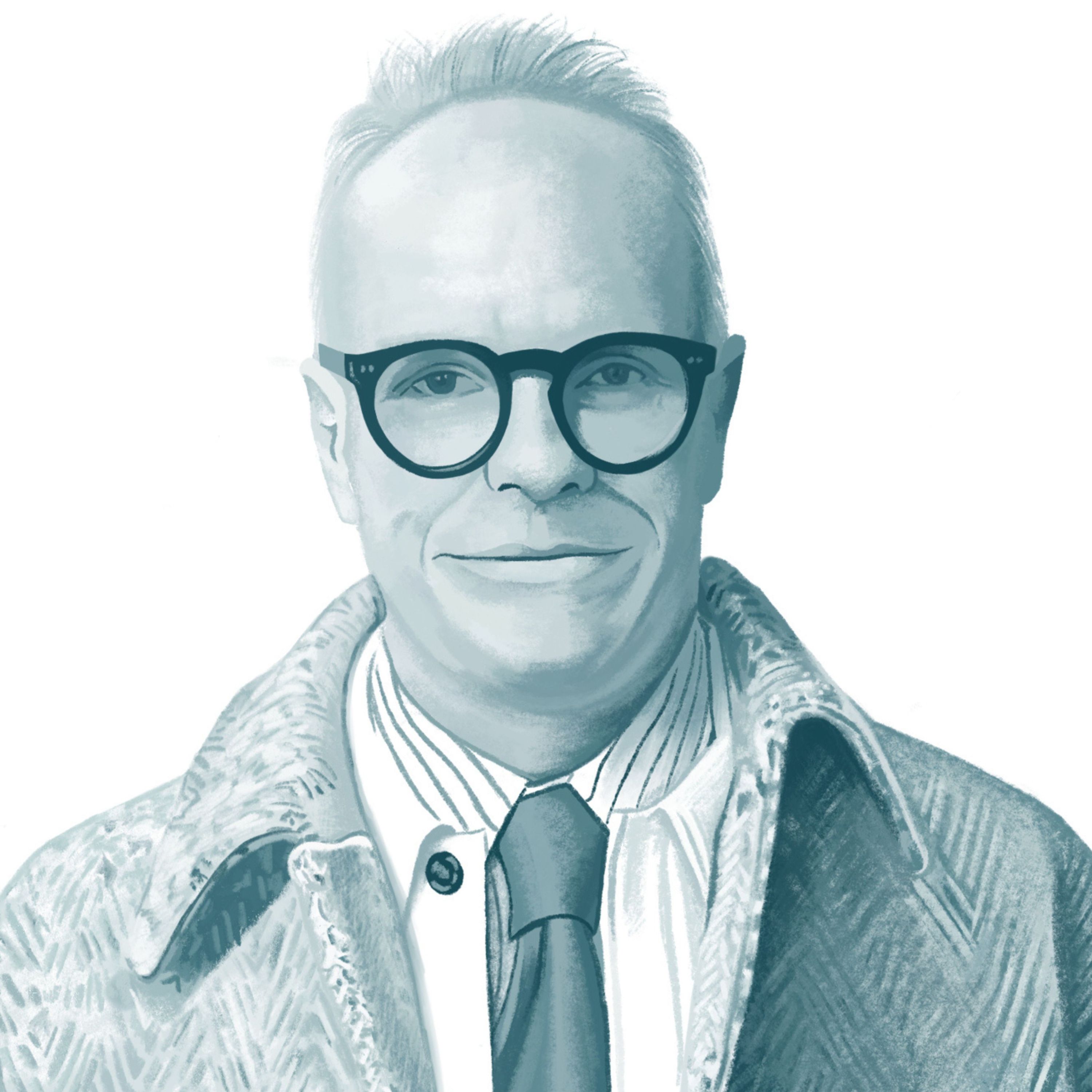
Hans Ulrich Obrist on Art as a Portal to Liberate Time
The Swiss-born, London-based curator, art historian, and Serpentine Galleries artistic director Hans Ulrich Obrist moves through his life and work with a deep internal sense of urgency. Among the most prolific and everywhere-all-at-once people in the world of art—whose peripatetic path has taken him from a sheltered upbringing in a small Swiss village to his current post in London at the Serpentine—Obrist has been curating shows for more than three decades. During this time, he has recorded conversations with thousands of artists, architects, and others shaping culture and society. He’s also the author of dozens of books, most recently Life in Progress, released in the U.K. this fall, with the U.S. edition coming out next spring. On this episode, Obrist reflects on 25 years of the Serpentine Pavilion, which has become a defining annual moment in culture globally and a springboard for many of today’s leading voices in architecture, including Lina Ghotmeh (the guest on Ep. 129 of Time Sensitive) and Frida Escobedo, and his firm belief that we all need to embrace more promenadology—the science of a stroll—in our lives. Special thanks to our Season 12 presenting sponsor, Van Cleef & Arpels. Show notes: Hans Ulrich Obrist [03:37] Brutally Early Club [06:05] Frank Gehry [06:35] Bettina Korek [06:51] Luma Arles [08:26] Pierre Boulez [11:35] Etel Adnan [18:03] Giorgio Vasari [19:41] Ludwig Binswanger [25:45] “Life in Progress” [30:50] Peter Fischli & David Weiss [31:27] Kasper König [37:30] Maria Lassnig [39:45] Serpentine Galleries [40:30] Musée d’Art Moderne de Paris [45:15] Serpentine Pavilion [48:12] Frida Escobedo [49:00] Lina Ghotmeh [53:14] The FLAG Art Foundation [53:38] Play Pavilion [54:11] Serpentine General Ecology [55:10] Serpentine Arts Technologies [58:35] “Peter Doig: House of Music” [1:00:34] “Danielle Brathwaite-Shirley: The Delusion” [1:01:25] Édouard Glissant [1:02:17] Umberto Eco [1:08:56] Lucius Burckhardt [1:09:33] Cedric Price [1:08:13] Robert Walser
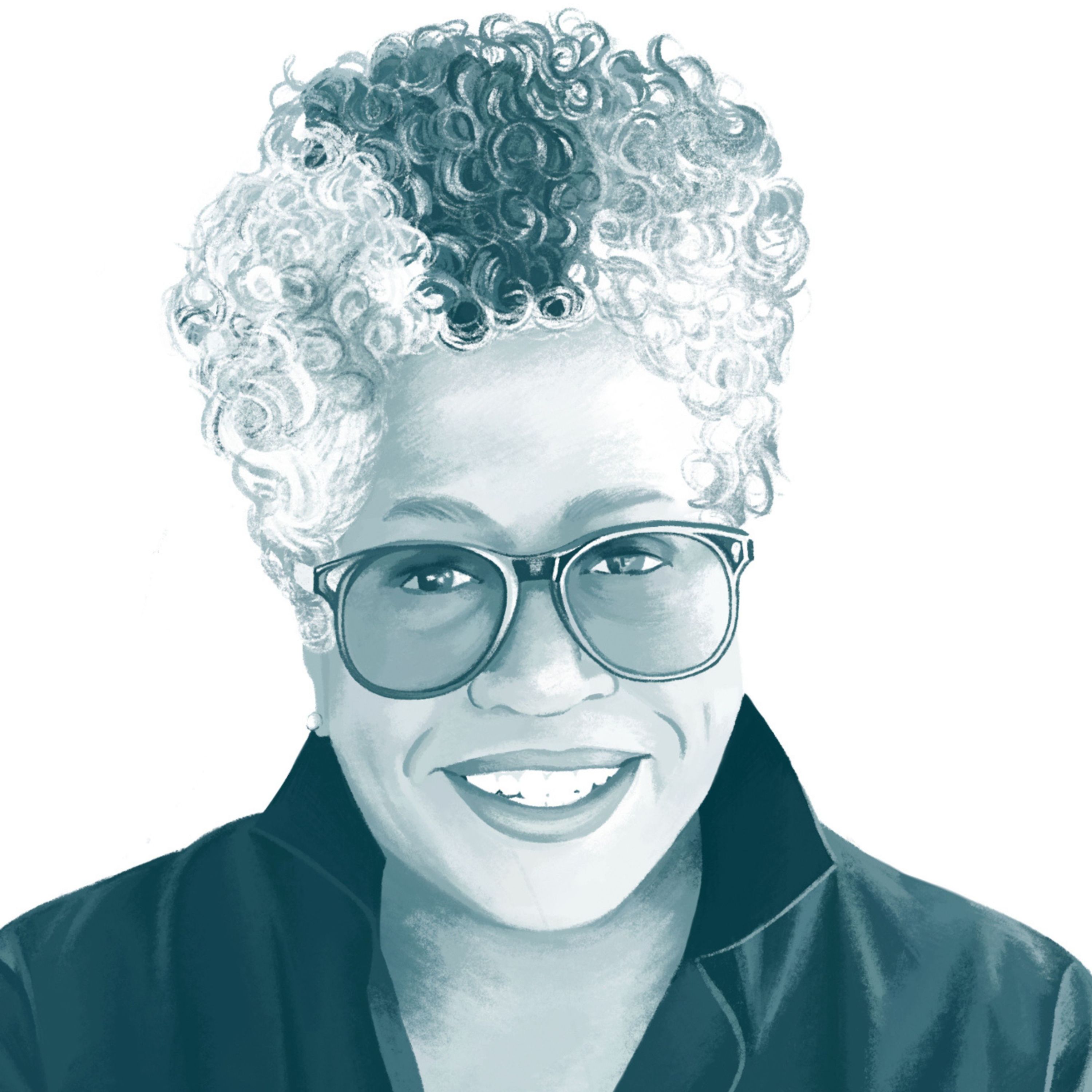
Jennie C. Jones on Time Traveling Through Art, Sound, and Space
When the artist Jennie C. Jones listens closely to a piece of music, she’s particularly attuned to its pauses, in-between moments, and breaks. Widely celebrated for her abstract works in painting, sculpture, and sound art that, in many instances, incorporate architecture or space—through which she often elevates undersung or little-known Black artists and musicians—her practice is largely informed by minimalism and color field painting, as well as by jazz and avant-garde music. Jones currently has two exhibitions on view at the Pulitzer Arts Foundation in St. Louis (through Feb. 1, 2026): “A Line When Broken Begins Again,” which features a selection of new and existing paintings, sculptures, works on paper, and sound pieces, and “Other Octaves,” a group show she curated of works by artists who have been formative to her practice. She was also commissioned to create the 2025 rooftop installation at New York’s Metropolitan Museum of Art. On this episode of Time Sensitive, she discusses what listening as a conceptual practice looks like in action, the art of putting together a playlist, and her deep love of things tactile and analog. Special thanks to our Season 12 presenting sponsor, Van Cleef & Arpels. Show notes: [03:00] “Jennie C. Jones: A Line When Broken Begins Again” (2025) [03:00] “Other Octaves” (2025) [03:21] Carmen Herrera [03:21] Agnes Martin [03:21] Martin Puryear [03:21] Alma Thomas [03:21] Mildred Thompson [03:35] A Free and Shifting Tonal Center (2024) [05:43] Ellsworth Kelly [10:07] Fred Moten [10:07] “Dynamics” (2022) [11:26] Trisha Brown’s “Leaning Duets” (1970) [13:04] Tadao Ando [13:16] “These (Mournful) Shores” (2020) [15:38] Moses Williams [15:38] Louis Dotson [16:37] Richard Tuttle [28:41] Olly Wilson [29:52] Maryanne Amacher [29:52] Arthur Russell [35:23] Jennie C. Jones: Compilation (2015) [36:54] “The Theater of Refusal: Black Art and Mainstream Criticism” (1993) [40:48] “Slow Birds” (2004) [40:48] "Slowly in a Silent Way, Caged” (2010) [40:48] Charlie Parker [1:06:00] “Jennie C. Jones: RPM (revolutions per minute)” (2018) [1:08:37] “Ensemble” (2025)

Noah Horowitz on Art Basel as a Cultural Force
As the CEO of Art Basel, Noah Horowitz has made it his mission to ensure that the international art platform is seen, valued, and experienced—far beyond its art-fair roots—as a cultural catalyst and “opportunity accelerator.” Over the past 55 years, beginning with its tight-knit origins in Basel, Switzerland, in 1970, Art Basel has evolved into an international juggernaut, with best-in-class fairs also in Miami Beach, Hong Kong, and Paris—and soon, under Horowitz’s leadership, Qatar, with an edition debuting there in February 2026. With more than two decades of experience, and as a tireless advocate and enthusiast for all things art, from artists and galleries to collectors and institutions, Horowitz is exactly the right person for the job. On this episode of Time Sensitive, Horowitz details his ambitious agenda to stretch Art Basel’s reach into realms far beyond what would traditionally be considered the art world; shares his long-view perspective on the economics of art; and considers the centuries-old history that, in a roundabout way, helped lead to—and continues to inform and shape—today’s art market. Show notes: [03:36] Art Basel Paris [03:36] Art Basel Qatar [03:36] Art Basel Miami Beach [03:36] Art Basel Hong Kong [06:07] Frida Escobedo [08:51] The Art Basel and UBS 2025 Survey of Global Collecting [08:51] Art Basel Awards [19:35] Rei Naito [20:55] Art of the Deal: Contemporary Art in a Global Financial Market (2011) [24:40] Rirkrit Tiravanija [29:51] KAWS [26:21] Princeton Record Exchange [38:36] High Art Lite: The Rise and Fall of Young British Art (2020) [39:27] Frieze [40:01] Hans Ulrich Obrist [40:01] Okwui Enwezor [41:54] Rem Koolhaas [43:15] Kirk Varnedoe [43:15] Pictures of Nothing: Abstract Art Since Pollock (2006) [47:01] Talking Prices: Symbolic Meanings of Prices on the Market for Contemporary Art (2005) [48:58] Clare McAndrew [51:10] The Experience Economy (2019) [52:12] Vincenzo de Bellis [59:02] Pérez Art Museum









Get this podcast on your phone, Free


Create Your Podcast In Minutes
- Full-featured podcast site
- Unlimited storage and bandwidth
- Comprehensive podcast stats
- Distribute to Apple Podcasts, Spotify, and more
- Make money with your podcast