Episode List
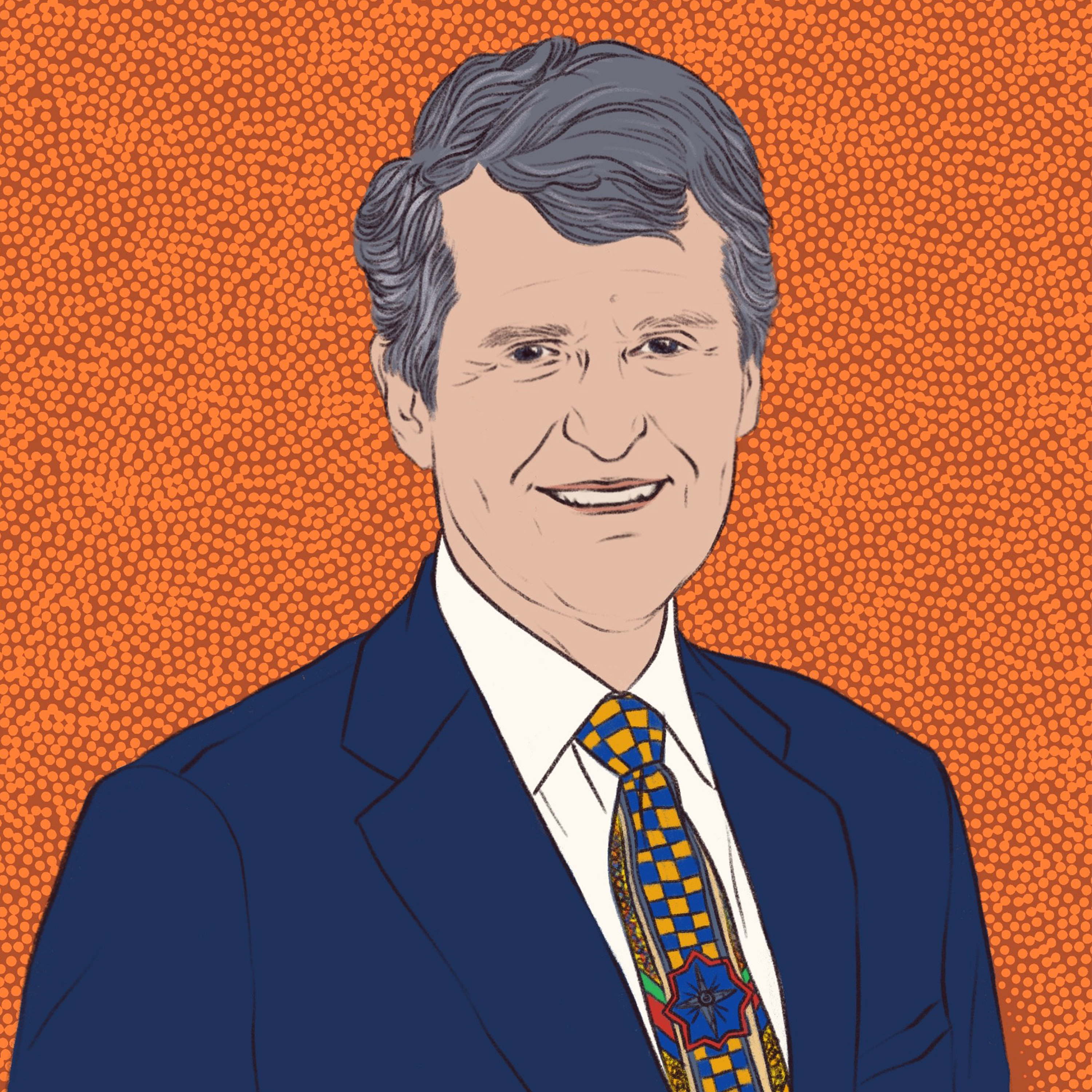
Rip Rapson is Leading Kresge into a New Chapter
In this special season finale episode, hosts Tracey Pearson and Jamie Bennet welcome Kresge Foundation President & CEO Rip Rapson back to reflect back on the stories heard throughout the series and to share an exciting announcement about the future of Kresge. In this conversation, Rip also looks back on his journey to Detroit, reflecting on formative experiences and the influences his architect father and librarian mother had on his development as a leader, thinker, and citizen. And Rip does not escape the PathBreakers “lightning round” tradition … Tracey and Jamie ask Rip 10 “hard-hitting” questions with surprising answers. Read more about Kresge’s big news Read Rip’s book, Drawn to Challenge See Rip Rapson’s Drawings: Visual Maps to Change
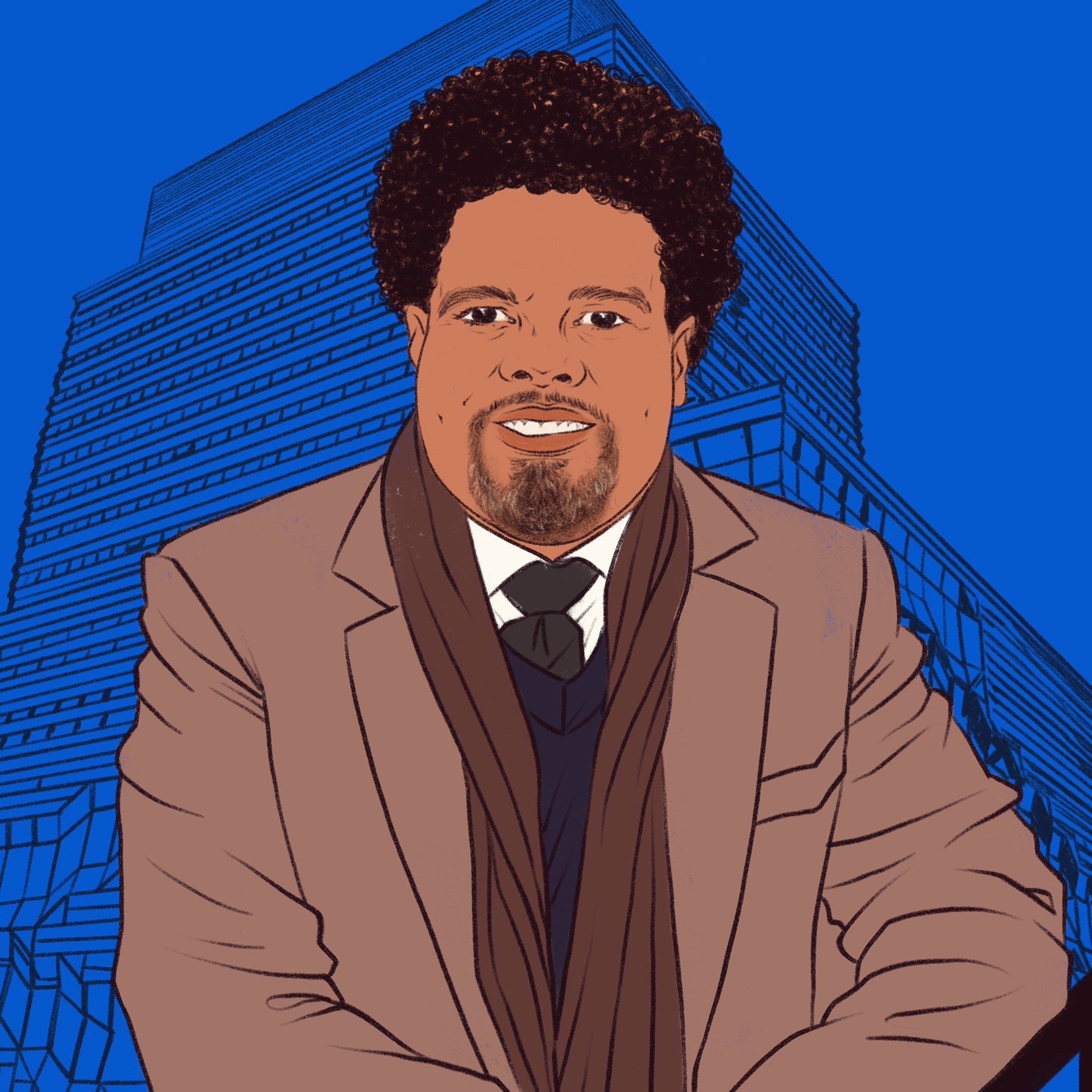
Dr. Darrick Hamilton is Utilizing Academic Research for Social Action
What is the purpose of an economy? What if economies were centered on people instead of money? What if everyone had access to both income AND wealth? These are the questions Dr. Darrick Hamilton works to problem-solve at the Institute on Race, Power, And Political Economy – an academic center he founded and directs at the New School in New York City, where he and his colleagues work to create “knowledge for action.”In this episode, Dr. Hamilton delivers some “Political Economics 101” delving into inclusive economic rights, human-centered economies, and trust-based governance. He also explains how his Baby Bonds program is leveling the economic playing field for over 33,000 babies in Connecticut and how investing in low-income and low-wealth people leads to positive economic benefits for everyone.Learn more about the Institute on Race, Power, And Political EconomyLearn more about Baby Bonds
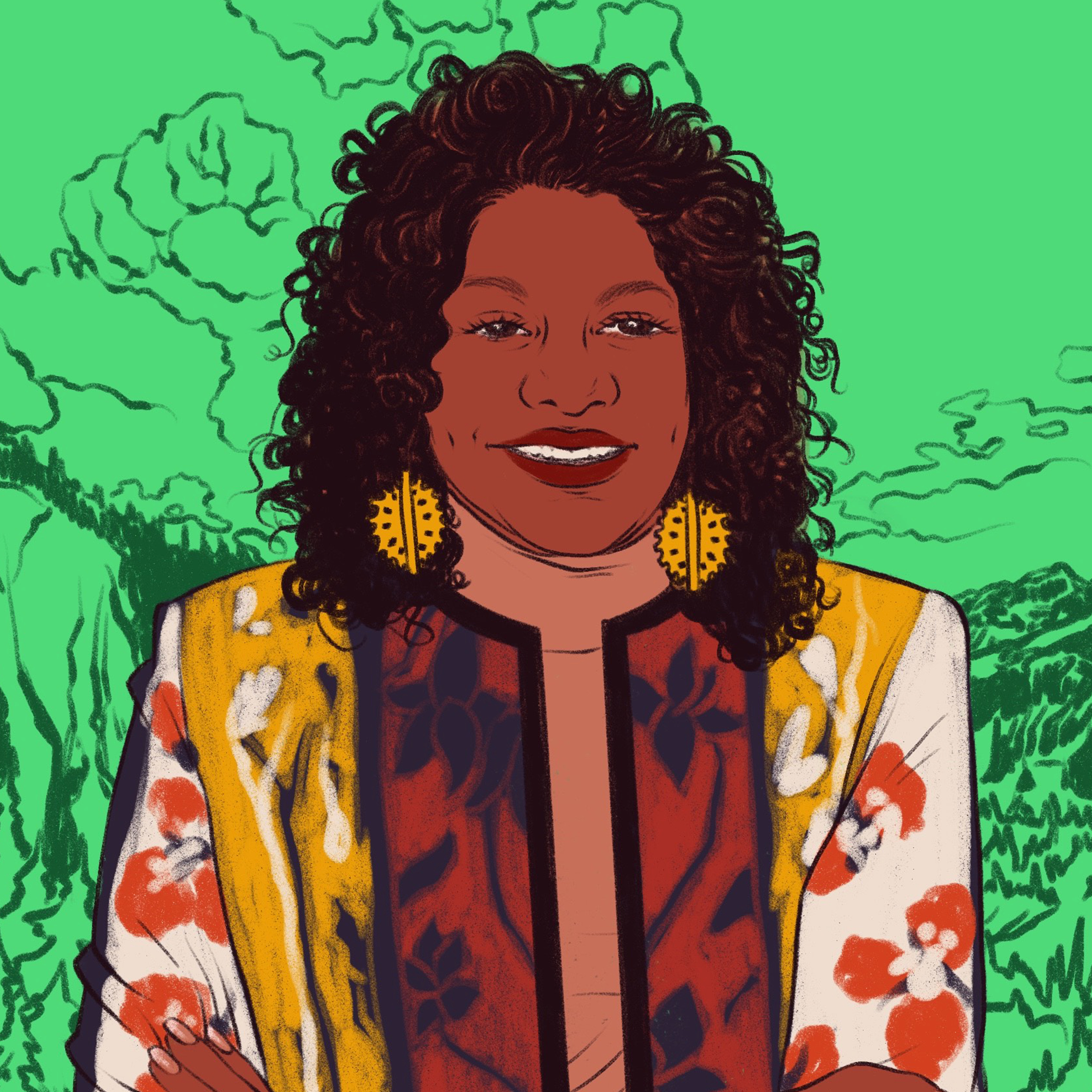
Dr. Beverly Wright is Cultivating the Next Generation of Climate Leaders
Dr. Beverly Wright has been working in climate and environmental justice since before the movement had a name. After 30+ years of leading groundbreaking community-based participatory research in her hometown of New Orleans, Dr. Wright is a celebrated pioneer of the field. Since 1992 she has been the visionary executive director of the Deep South Center for Environmental Justice, the organization which she also founded. In this episode, Dr. Wright reflects on a post-Katrina New Orleans and her journey from sociologist to movement leader. She also discusses the “communiversity” learning model that she developed for the Deep South Center and the ways they are cultivating the next generation of climate leaders. Learn more about The Deep South Center for Environmental Justice
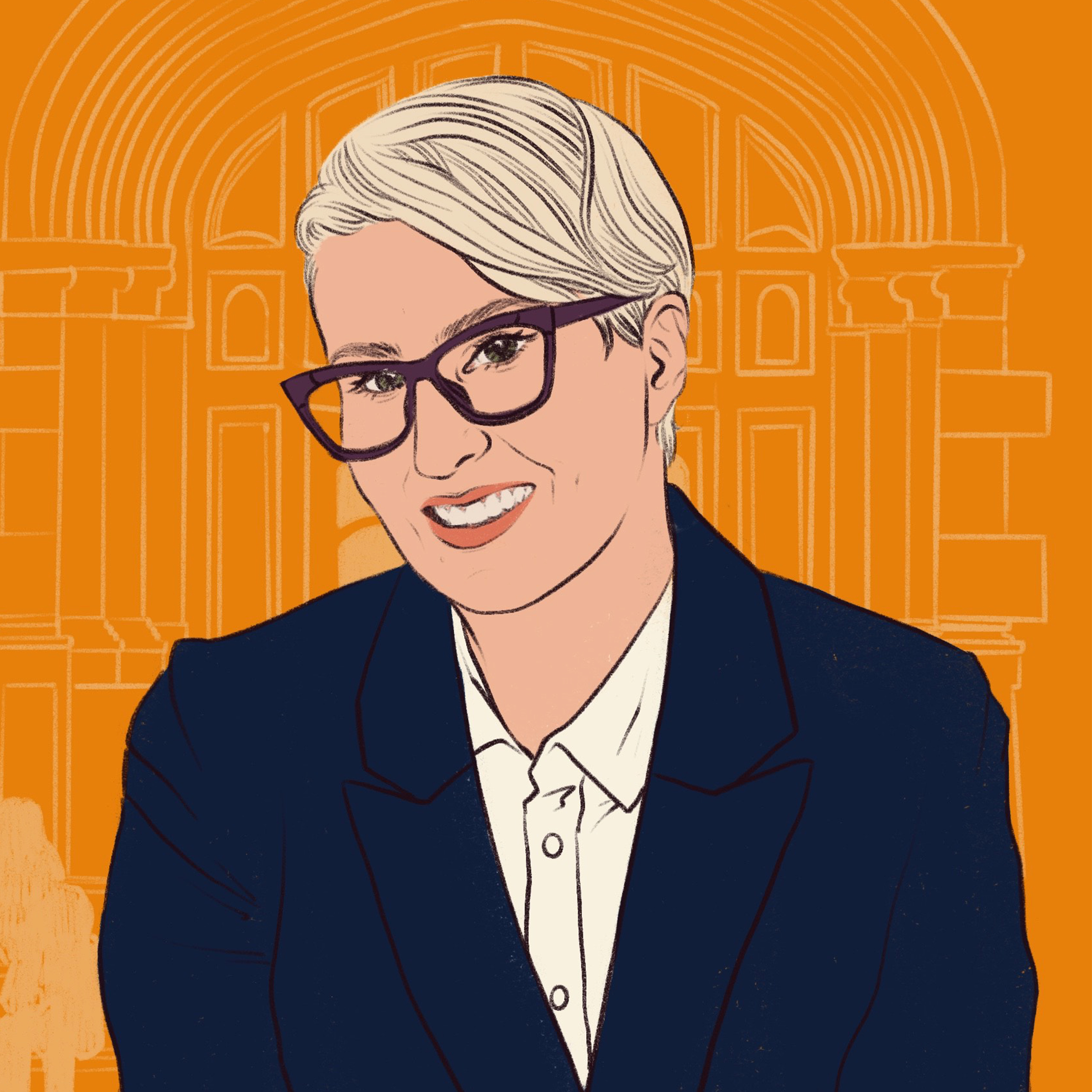
Dr. Bridget Burns is Fostering Inter-Institutional Problem Solving at Colleges Across the Country
After a challenging experience of her own as a low-income, first-gen college student, Dr. Bridget Burns understood that higher education was not “user-friendly” for everyone. And from that, her career mission became clear: transform colleges and universities into places where low-income, first-generation and students of color could not just navigate, but thrive.Dr. Bridget Burns is the CEO of the University Innovation Alliance, a multi-campus laboratory for student success innovation. In this episode, Dr. Burns shares her approach to fostering trust and openness in a competitive community and discusses how empathy is the first step in design. She discusses the UIA Listening Lab model for collecting student feedback andalso reflects how the principles of improv theater inform her approach to problem-solving. Read more about the University Innovation AllianceFind free resources from the UIAWatch the documentary Unlikely featuring Dr. Burns
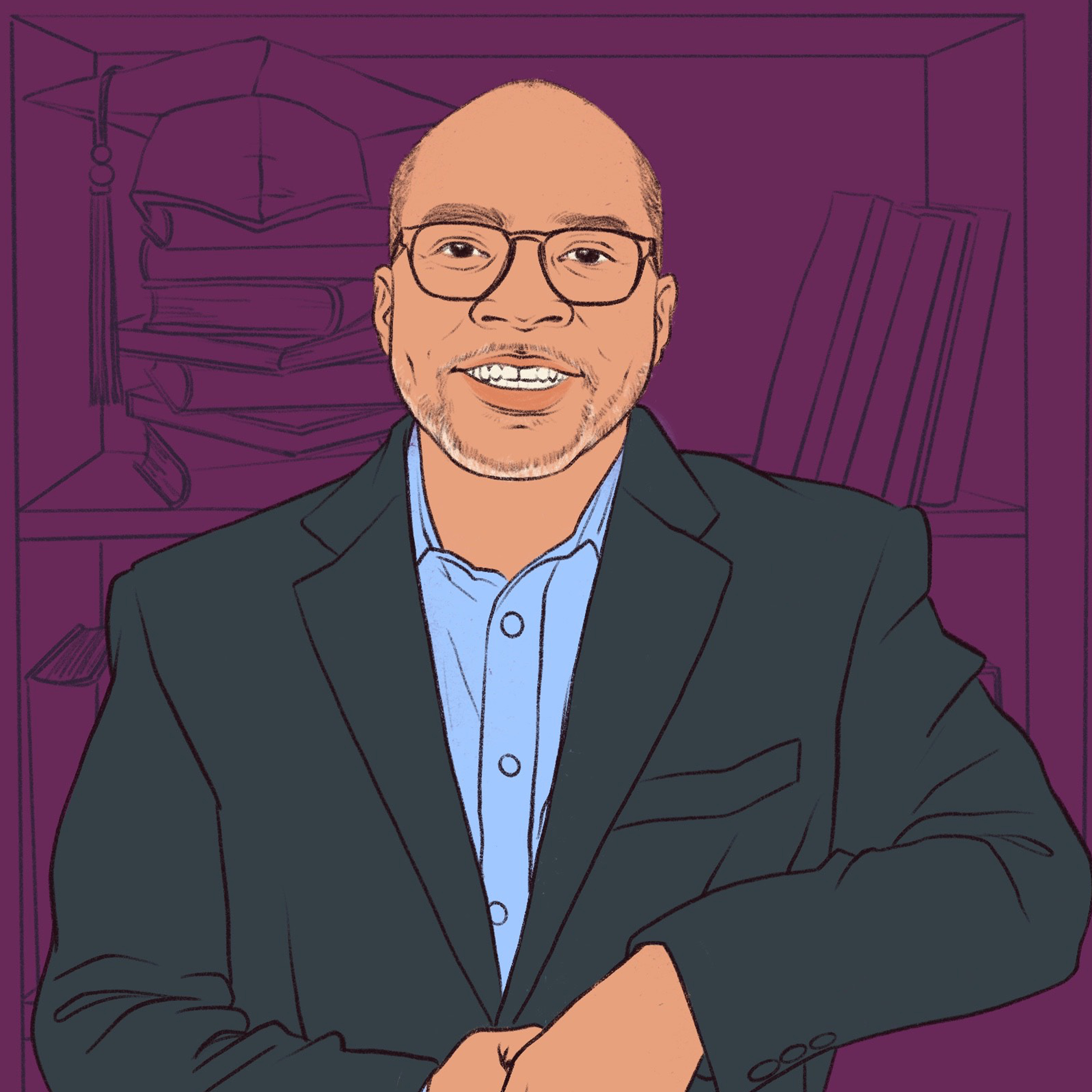
Cardell Orrin is Catalyzing Community to Support Education in Tennessee
Cardell Orrin spent years as a high-level IT strategist and engineer. Now, as the executive director of Stand for Children Tennessee, he is “debugging” the processes by which parents and community members in Tennessee engage with their local school boards and state representatives. It’s a debugging that’s needed across America’s school systems. In this conversation, Cardell reflects on a childhood of being “dragged around to school board meetings” by his mother, and the “cynical optimist” problem-solving mindset it helped him develop. Cardell also discusses the specific ways Stand for Children Tennessee helps connect the dots for citizens who want to get involved in education advocacy, and what is at risk when a state proposes taking over a local school district. Read more about Stand for Children Tennessee Learn more about the 901 Moral Budget Coalition
You may also like






Get this podcast on your phone, Free


Create Your Podcast In Minutes
- Full-featured podcast site
- Unlimited storage and bandwidth
- Comprehensive podcast stats
- Distribute to Apple Podcasts, Spotify, and more
- Make money with your podcast