Episode List
Why Indians have stopped reading
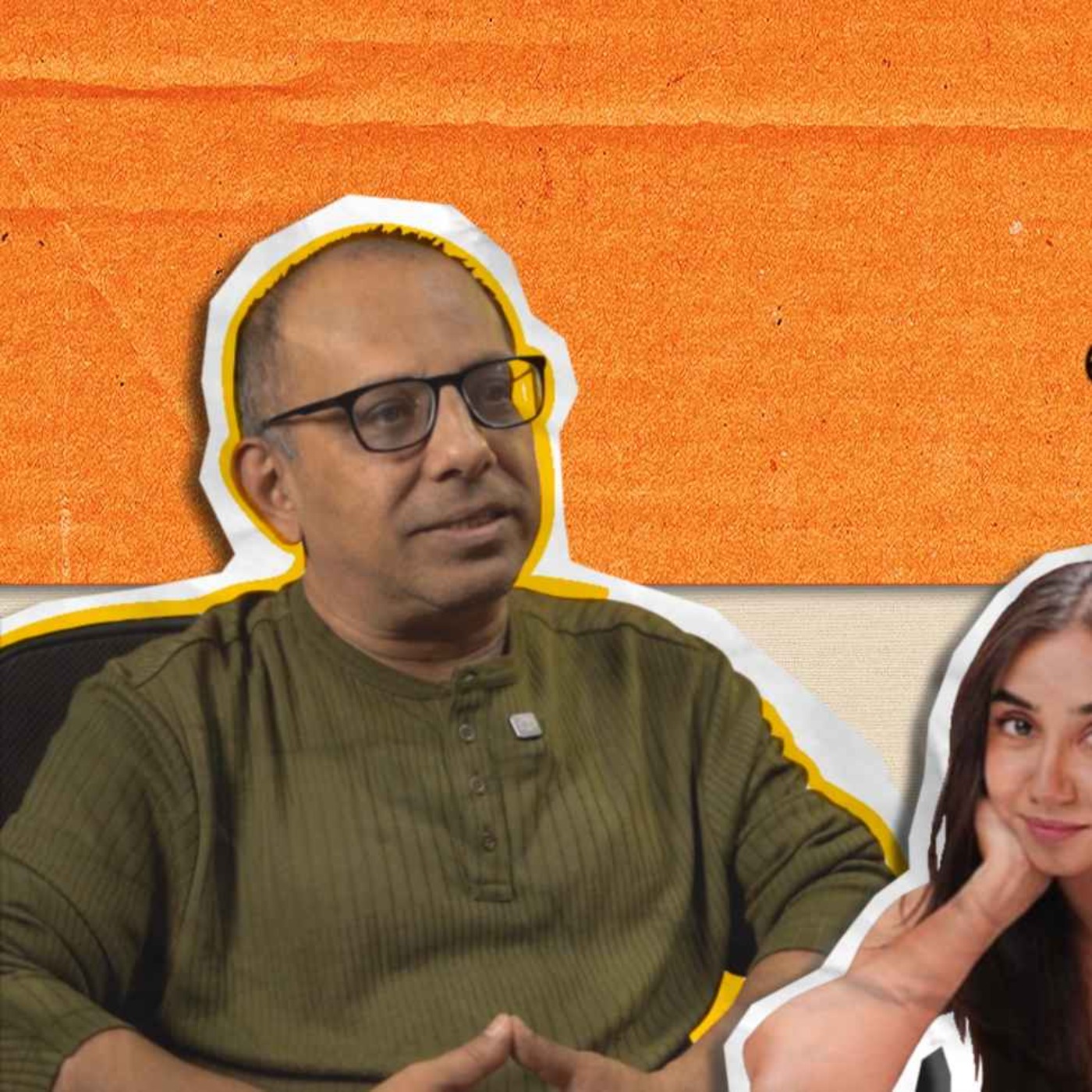
Few people know more about Indian publishing than Scroll's books editor, Arunava Sinha.Sinha has translated an incredible 100 books from Bengali to English.On this episode of Scroll Adda, he tells Shoaib Daniyal about his experience as a translator and what it takes to render a work from one language – and culture – to another.He also delves into the weeds of Indian publishing.Why are Indians not reading anymore?Is English eating up the space for other Indian languages? Why do publishers now chase influencers to write books? Is the space for serious literature now dead?Producer: Raghav KakkarHost: Shoaib DaniyalComments: Adda@Scroll.in Hosted on Acast. See acast.com/privacy for more information.

How Iran managed to take on a superpower
Over the past months, the entire world watched in surprise as Iran stood up to the most powerful militaries in the world.On February 28, when the US and Israel launched attacks on Iran, killing its head of state, Trump was hoping for a quick, Venezuela-style regime change. Instead, Iran fought back, attacking Arab states in the region which host American military bases and even successfully closing off the Strait of Hormuz, a major thoroughfare for the world's oil.On this episode of Scroll Adda, writer and anthropologist Alex Reza Shams explains that one should not be surprised by this dogged Iranian resistance. For decades now, sanctions have made Iran self-sufficient in a way few countries are. Moreover, for the Iranian government this is an existential war. There is no option of surrender.In fact, Shams argues that this war might end up strengthening extremist elements within Iran. The fact that the United States has broken all agreements with Tehran has greatly weakened the moderate Iranians who championed dialogue.Rather than being a monolith, the current Iranian system has seen liberal, democratic movements in the past. But long years of sanctions and now war mean that these political actors risk being shut out by extreme elements, who favour conflict with US and Israel, given that trying for peace has only seen Tehran being double crossed.Producer: Kritika PantHost: Shoaib DaniyalHave any feedback? Email us at Adda@Scroll.in. Hosted on Acast. See acast.com/privacy for more information.
India's scam epidemic
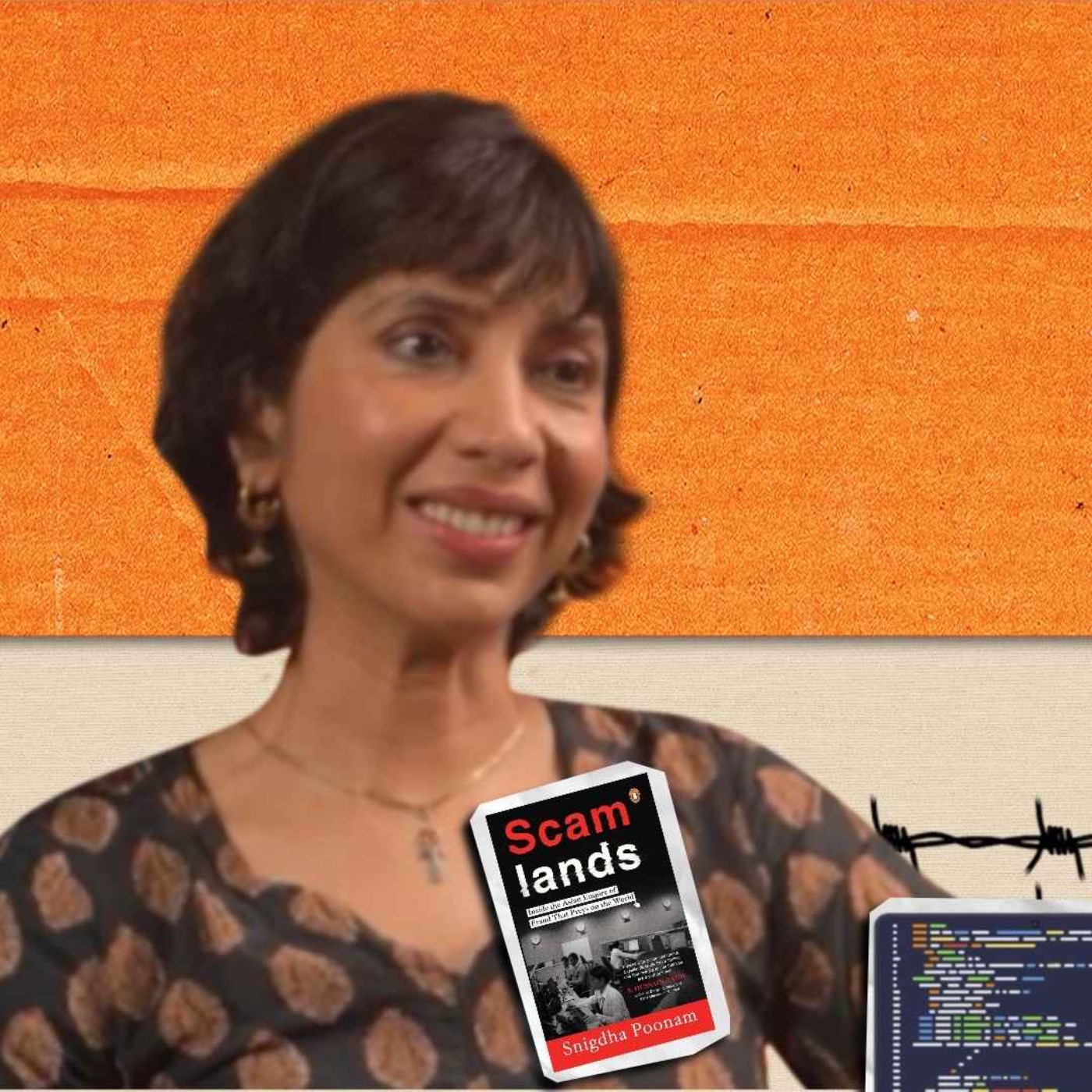
We all know someone who has been scammed over the internet. It could be a dramatic digital arrest scam or something milder like a phishing scam.In her new book, Scamlands, journalist Snigdha Poonam explores this epidemic. For many Indians, desperation drives them to become scammers. Shut out by the iron gates of caste, communal prejudice and poverty, tricking the elite is often the only way out of the shackles Indian society.On the other side, for the people getting scammed, it is often a moment of deep shame. Scammers gain their confidence and then abuse it for money. The experience is so jarring that in many cases, people do not even admit to being scammed.Contribute to Scroll's studio fund: https://pages.razorpay.com/scrollstudiofundProducer: Raghav KakkarEditor: Hyder HabibHost: Shoaib DaniyalWe welcome your comments at letters@scroll.in. Hosted on Acast. See acast.com/privacy for more information.
A ringside view of the world of social media
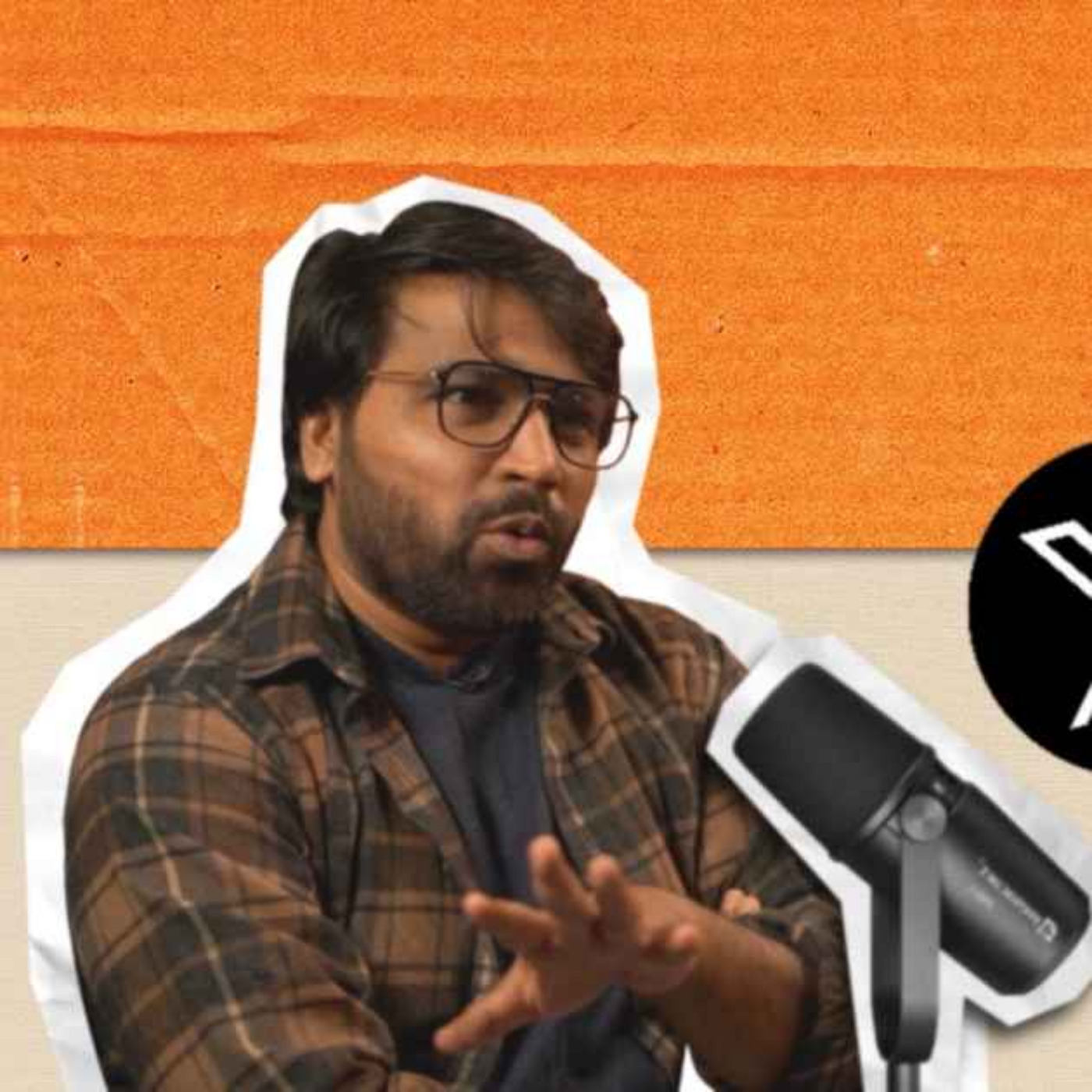
“In the age of monetisation, we cannot judge the internet based on morality,” argues Anurag Minus Verma, podcaster and multimedia artist.In this episode of Adda, the host of the widely popular Anurag Minus Verma Podcast speaks with Shoaib Daniyal about his book The Great Indian Brain Rot. The conversation jumps from “cringe” creators to the economics of virality and the rise of the internet as the new battleground for caste pride and superiority.Verma also reflects on the dichotomy of profound loneliness in the age of hyperconnectedness.Support our award-winning journalism by becoming a Scroll member: https://scroll.in/contributeProducer: Aryan MahttaEditor: Hyder HabibHost: Shoaib DaniyalWe welcome your comments at letters@scroll.in. Hosted on Acast. See acast.com/privacy for more information.
Why India's GDP data can't be believed
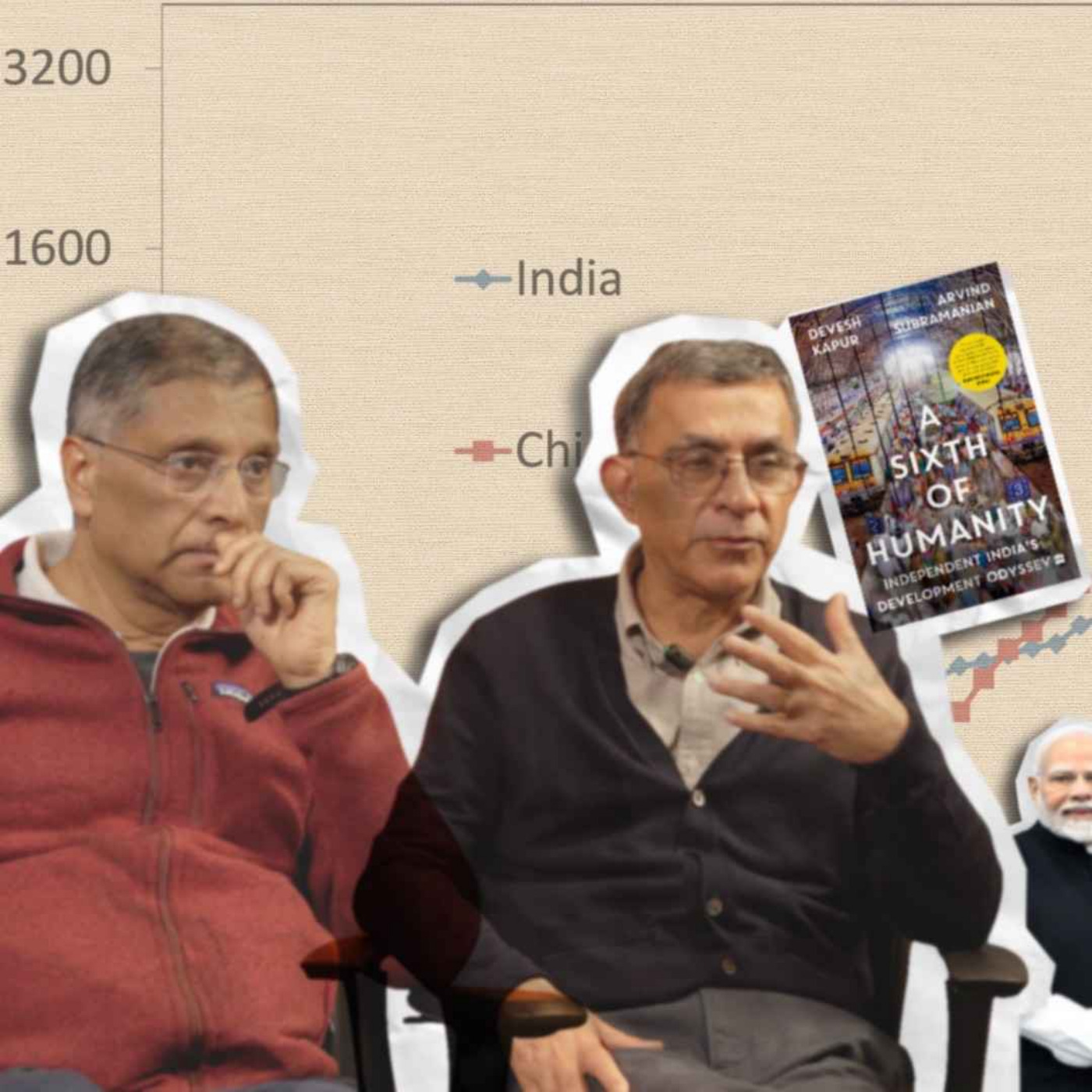
In A Sixth of Humanity, political scientist Devesh Kapur and economist Arvind Subramanian set out to do something ambitious: chart India’s development journey from Nehru to Modi.In this episode of Adda, they sit down with Shoaib Daniyal and break down the four stages of India’s development. Starting with Nehru’s planned economy, which they argue did not do what it set out to: import substitution. Rather than create a safe space for Indian industry to grow and then eventually take on international competition, it ended up nearly killing the private sector.Interestingly, Modi might be doing something similar now by promoting so-called national champions like Adani and Ambani. Again, by allowing them to largely play in the domestic space, rather than making them take on international competition, these firms are not adding to India’s growth story.Most shockingly, however, Kapur and Subramanian argue that India’s GDP growth has ground to a halt over the last decade or so, with them estimating that average growth has been only around 3%. For context, official data reported that India’s real GDP grew 8.2% in the second quarter of 2025-26.Contribute to Scroll's studio fund: https://pages.razorpay.com/scrollstudiofundProducer: Aryan MahttaEditor: Hyder HabibHost: Shoaib DaniyalWe welcome your comments at letters@scroll.in. Hosted on Acast. See acast.com/privacy for more information.
Get this podcast on your phone, Free


Create Your Podcast In Minutes
- Full-featured podcast site
- Unlimited storage and bandwidth
- Comprehensive podcast stats
- Distribute to Apple Podcasts, Spotify, and more
- Make money with your podcast