
TuneIn | Technology
http://feeds.feedburner.com/tuneintechnologyEpisode List

A powerful new neurotech tool for augmenting your mind | Conor Russomanno
In an astonishing talk and tech demo, neurotechnologist Conor Russomanno shares his work building brain-computer interfaces that could enable us to control the external world with our minds. He discusses the quickly advancing possibilities of this field -- including the promise of a "closed-loop system" that could both record and stimulate brain activity -- and invites neurohacker Christian Bayerlein onto the TED stage to fly a mind-controlled drone by using a biosensing headset.

Why AI is incredibly smart and shockingly stupid | Yejin Choi
Computer scientist Yejin Choi is here to demystify the current state of massive artificial intelligence systems like ChatGPT, highlighting three key problems with cutting-edge large language models (including some funny instances of them failing at basic commonsense reasoning.) She welcomes us into a new era in which AI is becoming almost like a new intellectual species -- and identifies the benefits of building smaller AI systems trained on human norms and values. (Followed by a Q&A with head of TED Chris Anderson)

Does AI actually understand us? | Alona Fyshe
Is AI as smart as it seems? Exploring the "brain" behind machine learning, neural networker Alona Fyshe delves into the language processing abilities of talkative tech (like the groundbreaking chatbot and internet obsession ChatGPT) and explains how different it is from your own brain -- even though it can sound convincingly human.

The massive machines removing carbon from Earth's atmosphere | Jan Wurzbacher
To restrain global warming, we know we need to drastically reduce pollution. The very next step after that: using both natural and technological solutions to trap as much excess carbon dioxide from the air as possible. Enter Orca, the world's first large-scale direct air capture and storage plant, built in Iceland by the team at Climeworks, led by climate entrepreneur Jan Wurzbacher. This plant is capable of removing 4,000 tons of carbon dioxide from the air each year. With affordability and scalability in mind, Wurzbacher shares his vision for what comes after Orca, the future of carbon removal tech -- and why these innovations are crucial to stop climate change.
Could fungi actually be the key to humanity's survival? | David Andrew Quist
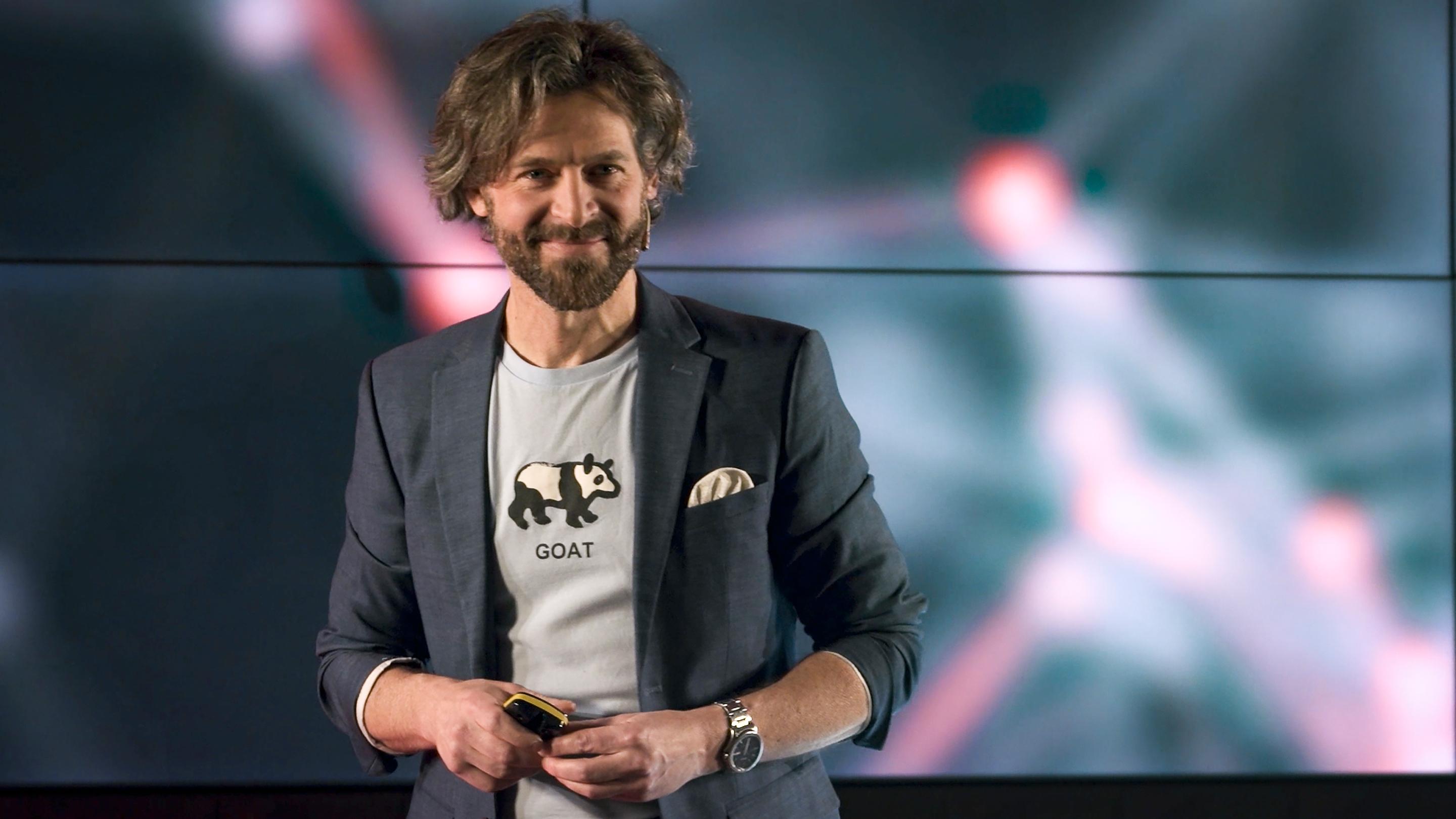
After a billion years of evolution, fungi are masters of invention and resilience. What wisdom can we draw from their long, remarkable existence? Mycologist David Andrew Quist explores how fungi's innate biointelligence, penchant for collaboration and incredible regeneration abilities can show us new ways to think about complex problems -- and may hold the secret to humanity's survival on Earth.
You may also like










Get this podcast on your phone, Free


Create Your Podcast In Minutes
- Full-featured podcast site
- Unlimited storage and bandwidth
- Comprehensive podcast stats
- Distribute to Apple Podcasts, Spotify, and more
- Make money with your podcast