
Good Reading Podcast
https://feeds.soundcloud.com/users/soundcloud:users:466605168/sounds.rssEpisode List
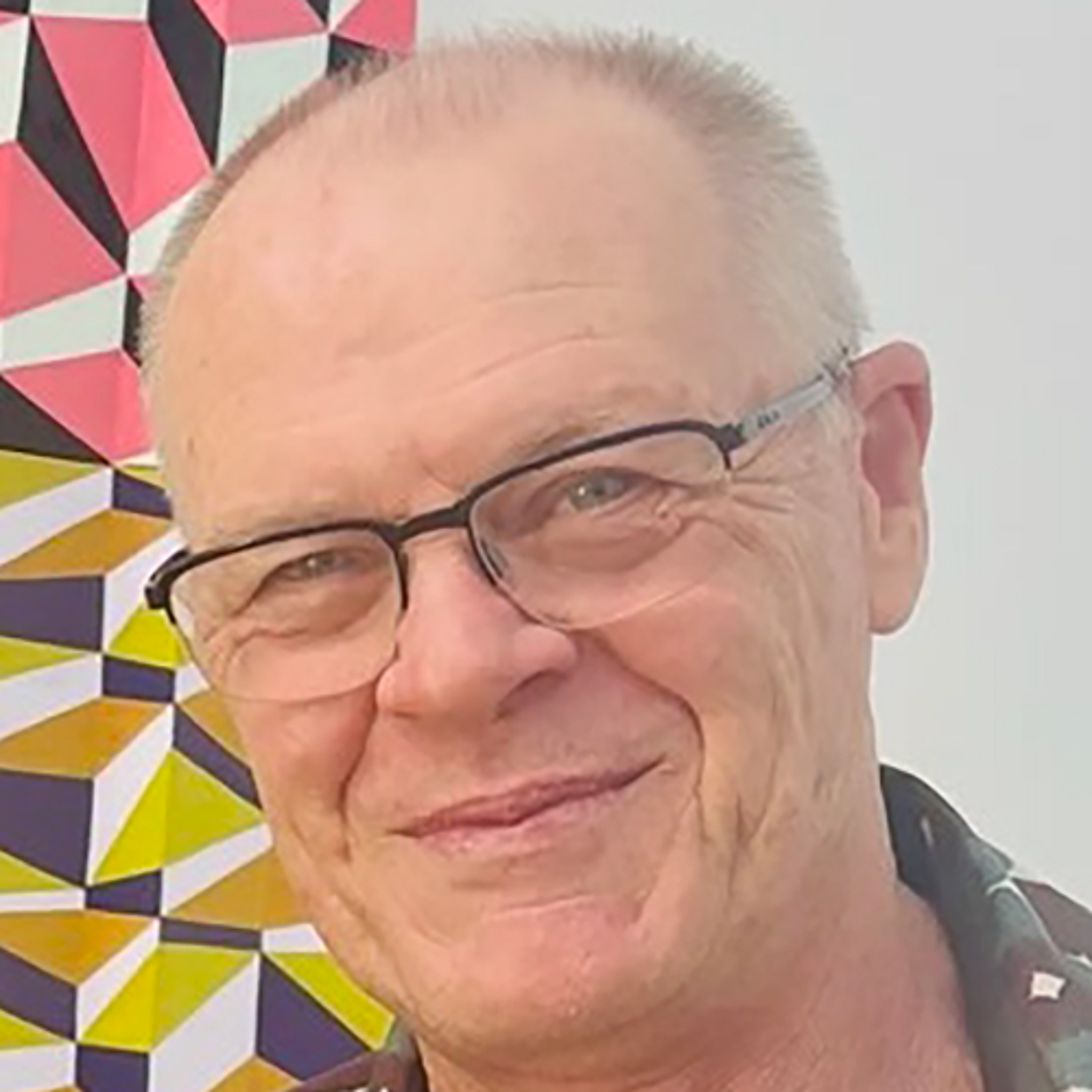
Luke Taylor on Peter Marralwanga, Painter of the Djang of Western Arnhem Land
Peter Marralwanga (1916–1987) was a leading figure in one of the great art practices of the world. He grew up in western Arnhem Land surrounded by artists painting in rock shelters and he learned to paint this way himself. The subjects of his paintings were the Djang who made his country and placed the spirits of people within it. Marralwanga’s story highlights the way bark painting became important as a way of evading assimilation policies rife within Northern Territory towns. Marralwanga established an outstation at Marrkolidjban where he could teach his children how to properly care for Ancestral lands, with part of this care involving a knowledge of how to paint. As a senior person who had travelled widely in his youth, and gained extensive ceremonial knowledge, Marralwanga was highly influential among a broad group of painters. Ivan Namirrkki, a painter of note and Peter Marralwanga’s son, has provided here his own account of his father’s life. This book tracks Marralwanga’s life of learning about country and conveys the religious meaning of numerous major works, offering outsiders a richer understanding and appreciation of Arnhem Land art. It also shows the crucial role of individuals working for the community arts cooperative Maningrida Arts and Culture in facilitating Marralwanga’s rise to recognition as a major Australian and world artist. In this episode Gregory Dobbs chats to Luke Taylor about the tradition of Aboriginal bark painting that Peter Marralwanga drew from, the depth of knowledge of Aboriginal culture and ceremony that he brought to his paintings, and the political dimension to Marralwanga's work and its role in the developing land rights movement of the 1960s and 70s in Australia.
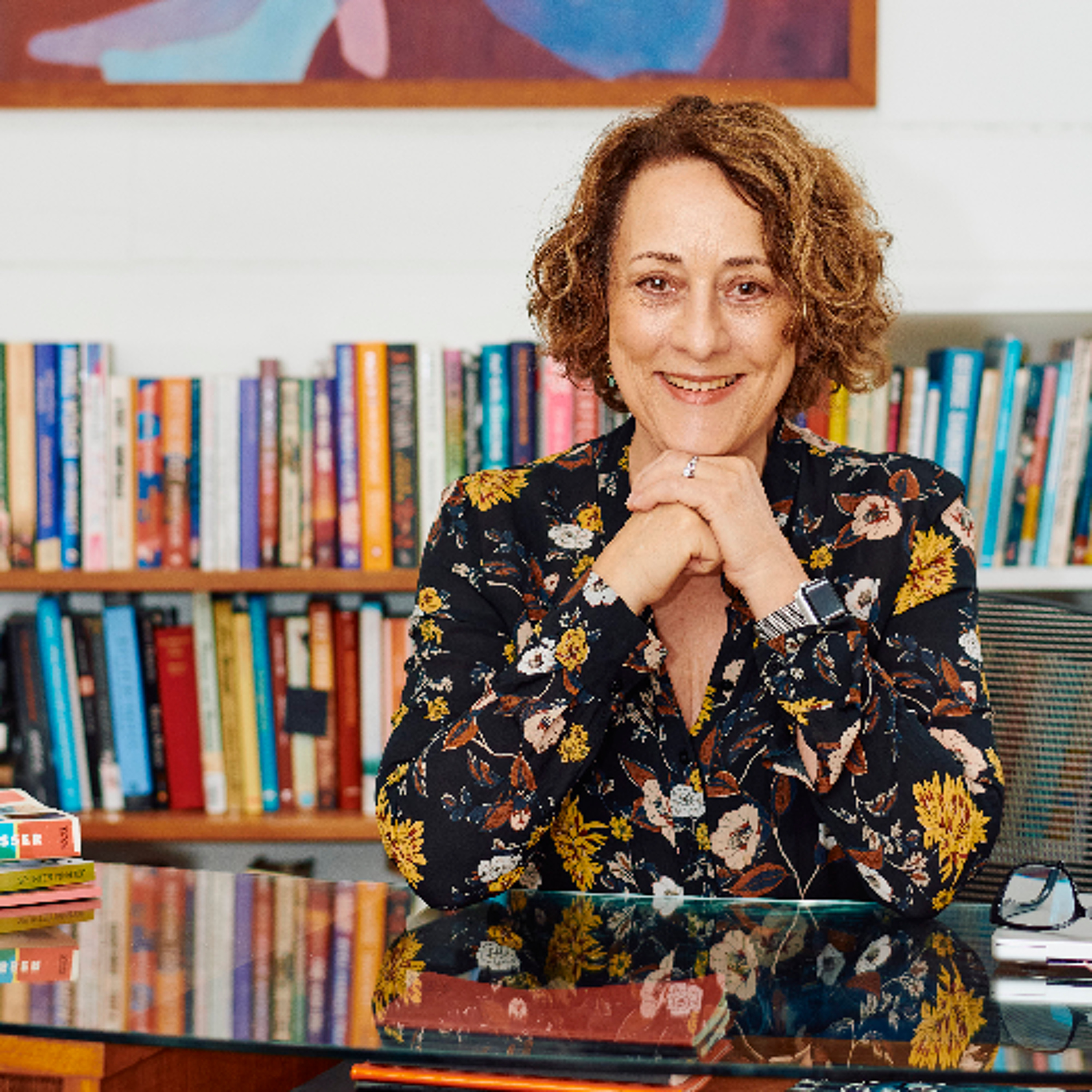
Jane Messer on her compelling memoir, 'Raven Mother: War, family and inheritance'
In Raven Mother, Jane Messer weaves together her Jewish family’s tragic story – stretching back and forth between Berlin, Israel, Palestine, Melbourne and Sydney. Messer retraces the steps of her Jewish grandmother Bella, as she tries to understand her life in pre-war Berlin and Mandate Palestine, to post-war Melbourne where she didn’t survive the surviving, and why her father was abandoned in England before the war. In this powerful, beautifully written and insightful book, Messer spends time in Berlin, Israel and Palestine and grapples with the effects of nationalism, both historical and contemporary. Along the way, she speaks with historians, activists, refugees and scholars, and constantly to her beloved father. In this episode Gregory Dobbs chats to Jane Messer about the origins of the old German term, 'Rabenmutter', the city of Berlin under the Weimar Republic and the Third Reich, and what she discovered about her grandmother Bella along the way.

Theresa Miller on stepping up to the microphone and making an impact in 'Speak Up'
Theresa Miller has spent decades working as a journalist and now media trainer, coaching people across all industries – from CEOs and academics to climate campaigners, entrepreneurs and artists – to communicate confidently, clearly and concisely. In Speak Up, she shows you how to successfully share your expertise and experience with an audience – whether it’s creating an inspiring work presentation or media release, blitzing a job interview or nailing your message on a podcast, panel, TV or radio interview. In this episode Gregory Dobbs chats to Theresa Miller about why the demand for public speaking is bigger than ever, why being an expert in your field is not enough to get your message across, and why preparation and presentation skills are fundamental to good communication.
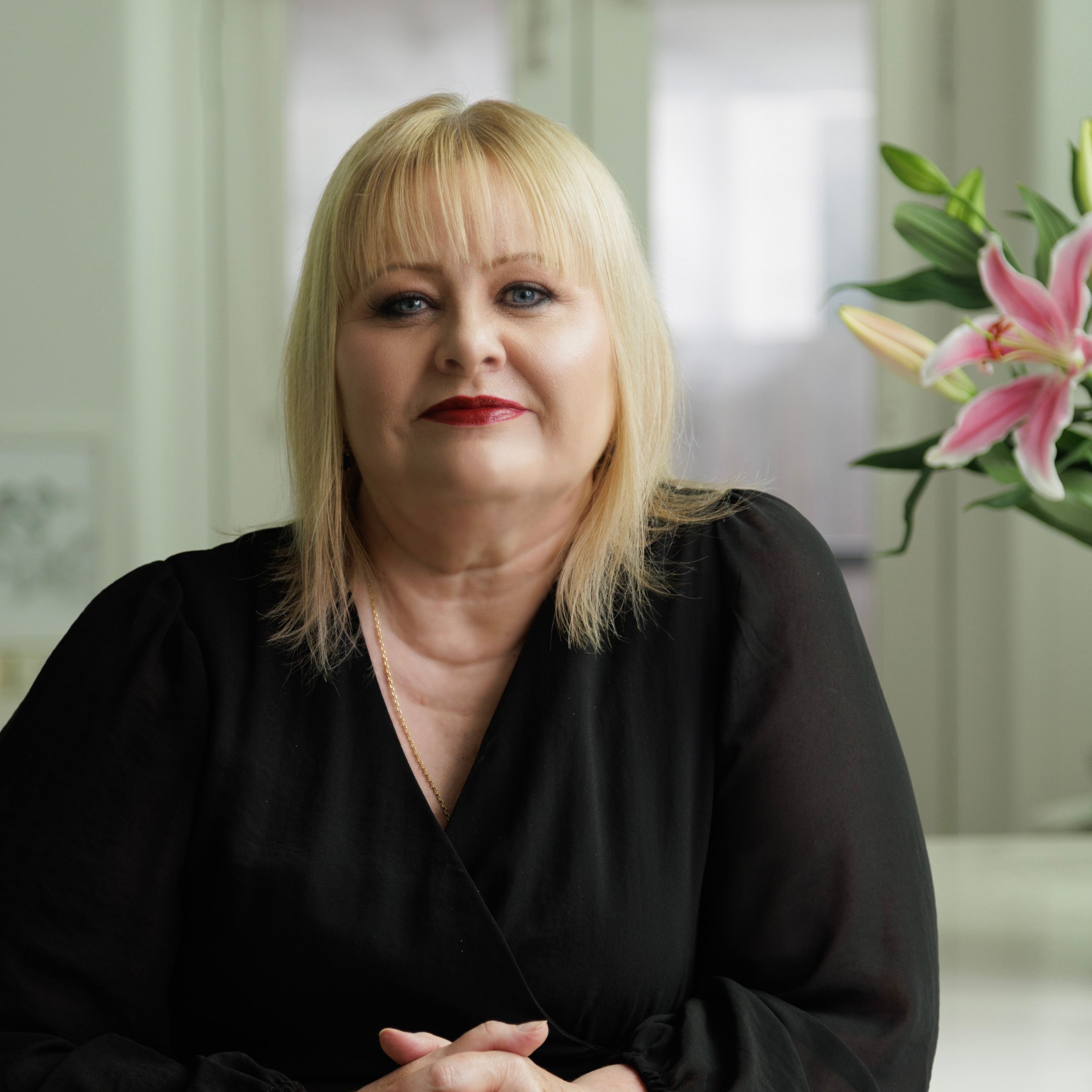
Vikki Petraitis on a forty-year-old true crime mystery, 'The Vanishing of Vivienne Cameron'
In 1986 on Phillip Island, a young woman called Beth Barnard was savagely murdered and her boyfriend’s wife, Vivienne Cameron, went missing. The police immediately jumped to what they thought was the obvious conclusion: in a jealous rage, Vivienne had killed Beth and then herself. Vivienne’s body was never found. But Vikki Petraitis wasn’t convinced. The official line didn’t explain all the evidence, and it certainly didn’t seem like the behaviour of a mother with two small boys. Fascinated by both the case and the bias it revealed in investigators, Petraitis wrote her first true-crime book about the murder, with Paul Daley, and decades later made a podcast on the case. Both brought new evidence and testimony to light, and asked questions that were not asked at the time. To mark the fortieth anniversary of Beth’s murder and Vivienne’s vanishing, Petraitis brings together all her discoveries and true-crime experience in a brilliant forensic investigation into what happened all those years ago, and why. In this episode Gregory Dobbs chats to Vikki Petraitis about why she has returned to this forty-year-old cold case, about her insights into the Philip island community, and why she is not convinced that the police investigation had reached a reasonable conclusion.
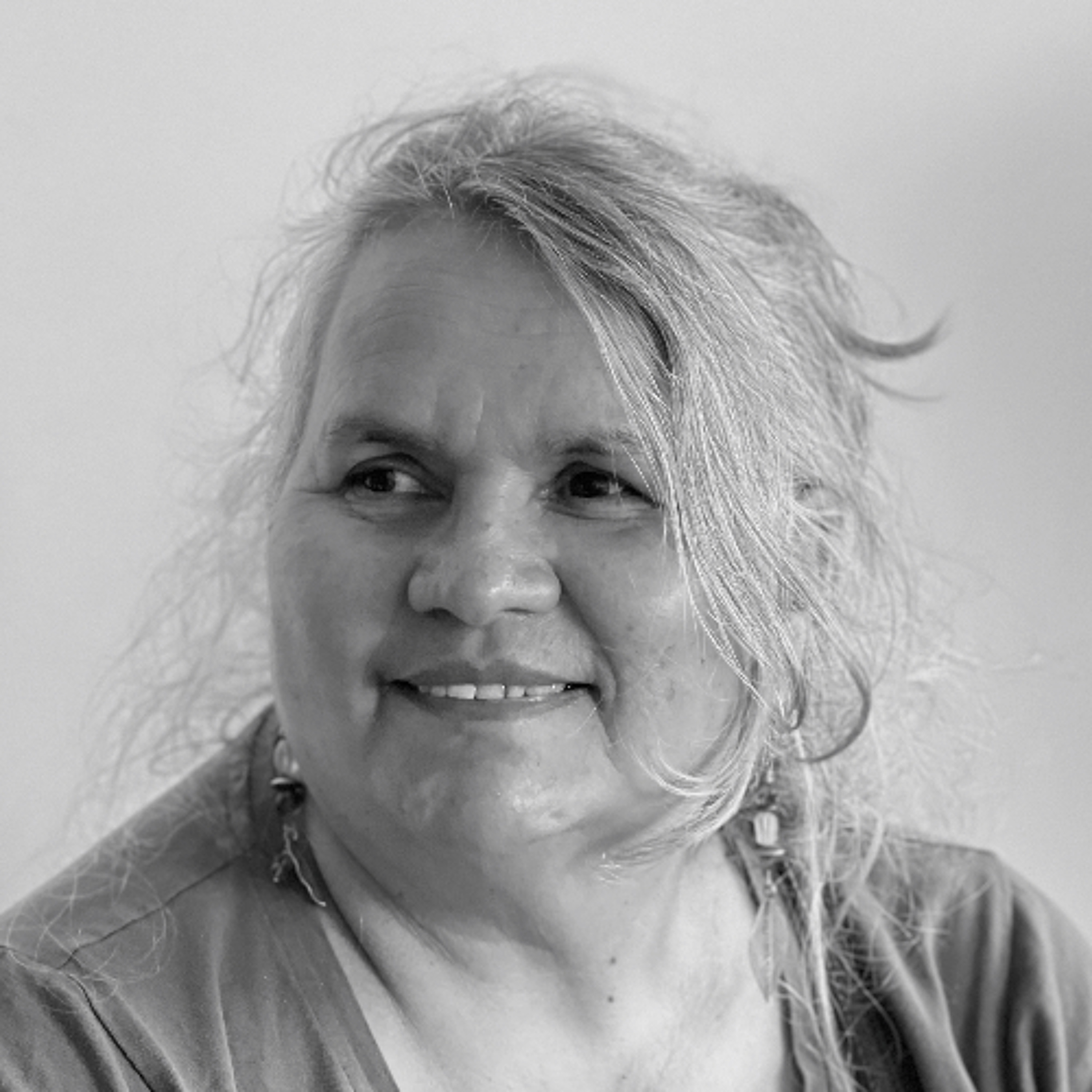
Debra Dank on family, culture, connection and the power of memory in 'Ankami'
Debra Dank had long been desperate to paint a fuller picture of her family, to add flesh to the name-bones and the few precious stories she possessed. Debra had been aware of her father's five siblings, some of whom had died before she could come to know them, but there were always whispers and gaps and silences. Her parents had experiences that affected how Debra grew up, but hers seemed to be one of the very few Aboriginal families who had escaped having children stolen, who had viewed this horror from a seemingly safer distance. What Debra discovered would shatter everything she thought she knew about her family and her past. The information she uncovered revealed that her paternal grandmother had given birth to ten children. Four had been taken from her. Ankami is written from the perspective of those left behind, those who search always for the faces of stolen and lost Aboriginal children, now known only through a few cruel, thoughtless words written by a violent pastoral manager and a paternalistic colonial administrator, a footnote in a yellowed letter. In this episode Gregory Dobbs chats to Debra Dank about the culture of silence she faced in uncovering her family history, the memories she relied on to tell this story and those she was compelled to imagine in the absence of the family she never knew, and the inadequacy of Australian standard english in describing, expressing and communicating Aboriginal culture and the words she invents to address that problem.





Get this podcast on your phone, Free


Create Your Podcast In Minutes
- Full-featured podcast site
- Unlimited storage and bandwidth
- Comprehensive podcast stats
- Distribute to Apple Podcasts, Spotify, and more
- Make money with your podcast