
Power Producers Podcast
https://feeds.megaphone.fm/powerproducersEpisode List
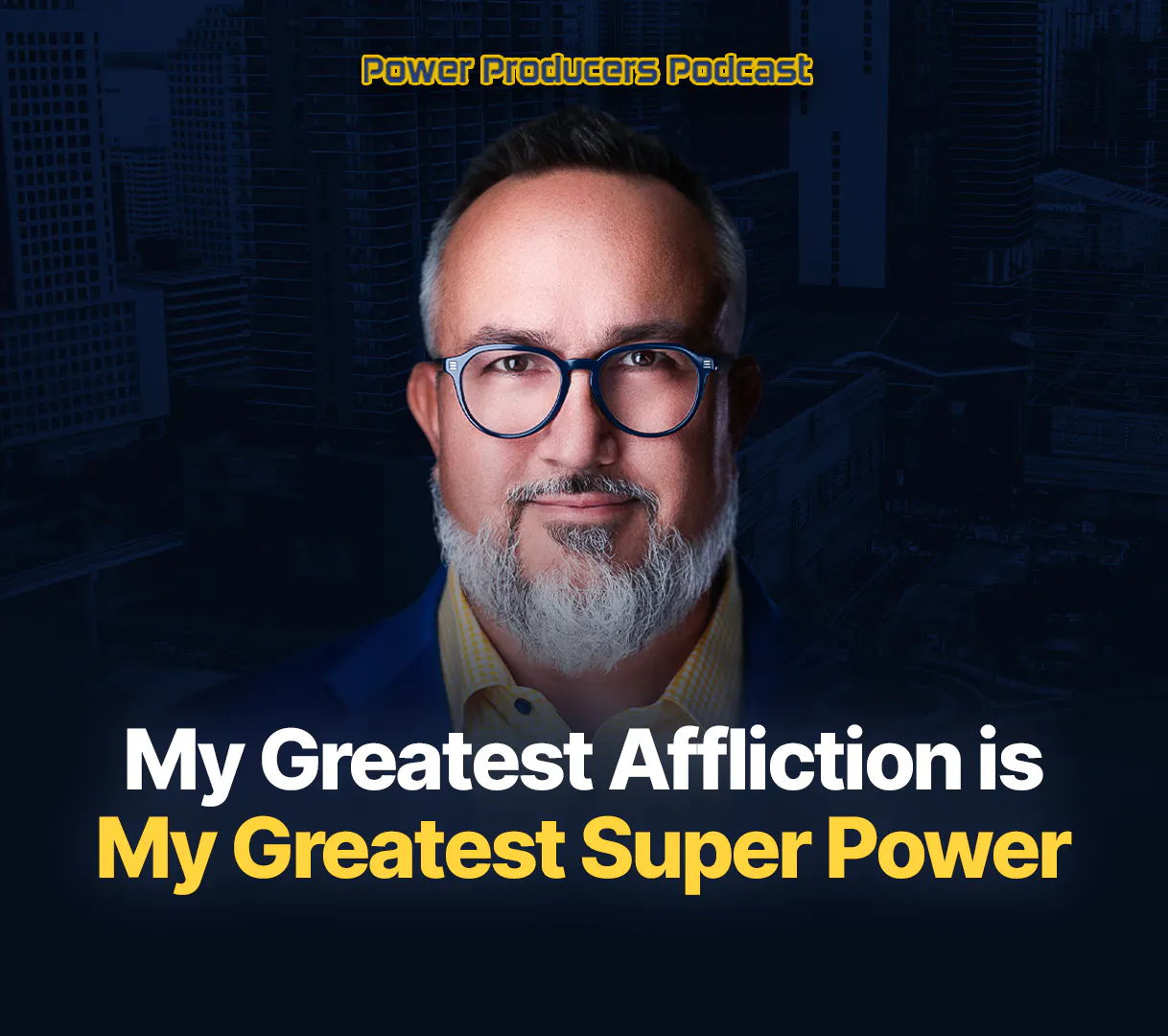
My Greatest Affliction is My Greatest Super Power
In this solo episode of Shoptalk, opened up about his single biggest affliction and why he believes it has also become his single biggest superpower. He shared personal stories from childhood, the frustration of being misunderstood, and the challenges of living with an undiagnosed attention issue in a time when people did not talk about ADHD the way they do now. explained how getting clarity on how his brain works helped him redesign his workday, build systems that support his focus, and turn what once felt like a limitation into a source of output, creativity, and momentum. The episode is a direct message to listeners who feel different, unheard, or hesitant to seek help, with a clear reminder that adversity can be reframed into opportunity. Key points: Success Stories Often Hide the Mess Behind Them challenges the perception that high performers have it all together. He warns that newer producers can set themselves up for disappointment by trying to emulate a polished image instead of understanding the human reality behind it. The core theme is that struggle and success can exist at the same time. Growing Up Without a Diagnosis Creates Lasting Damage He described childhood experiences of constant discipline for behavior that was not understood. The examples ranged from impulsivity and blurting things out to restlessness and difficulty focusing on reading or remembering tasks. His point is that what gets labeled as difficult or undisciplined is sometimes a brain wiring issue that needs understanding, not punishment. A Diagnosis Creates Clarity and the Power to Adapt explained that once he understood the issue, he could build his day around it instead of fighting it. He shared how medication was not the long term answer for him personally, but awareness was the turning point. The goal became adjusting habits, structure, and expectations to match how his mind actually works. Organized Chaos Can Be a High Performance System described how he works across multiple monitors and rotates between tasks to keep his mind stimulated. What looks like distraction from the outside is a deliberate structure that keeps him engaged and productive. He credits the insurance industry for providing constant variety and new problems that align with how he operates. Many People Are Misunderstood Because They Are Different He spoke directly about impulsivity, interruptions, distraction, and losing a thought mid sentence. David emphasized he is not sharing this for sympathy, but to normalize the experience and encourage people to seek support and coping tools. The episode frames difference as something that can be managed and even leveraged. Stop Treating ADHD Like a Joke He pushed back on casual language that turns mental health into a punchline. David explained why he does not use slides when he speaks and how people often laugh without realizing it is not a joke. He argued that when society trivializes these struggles, it loses access to the creativity and potential of people who could contribute at a high level. Choosing to Be Yourself is the Real Win closes with a call to draw a line in the sand and prioritize self care and self understanding. He invites listeners to reach out if they need to vent or want guidance. The final message is about embracing who you are, building systems that work for you, and refusing to shrink into a version of yourself that feels acceptable but untrue. Connect with: David Carothers LinkedIn Kyle Houck LinkedIn Visit Websites: Power Producer Base Camp Killing Commercial Crushing Content Power Producers Podcast Policytee The Dirty 130 The Extra 2 Minutes
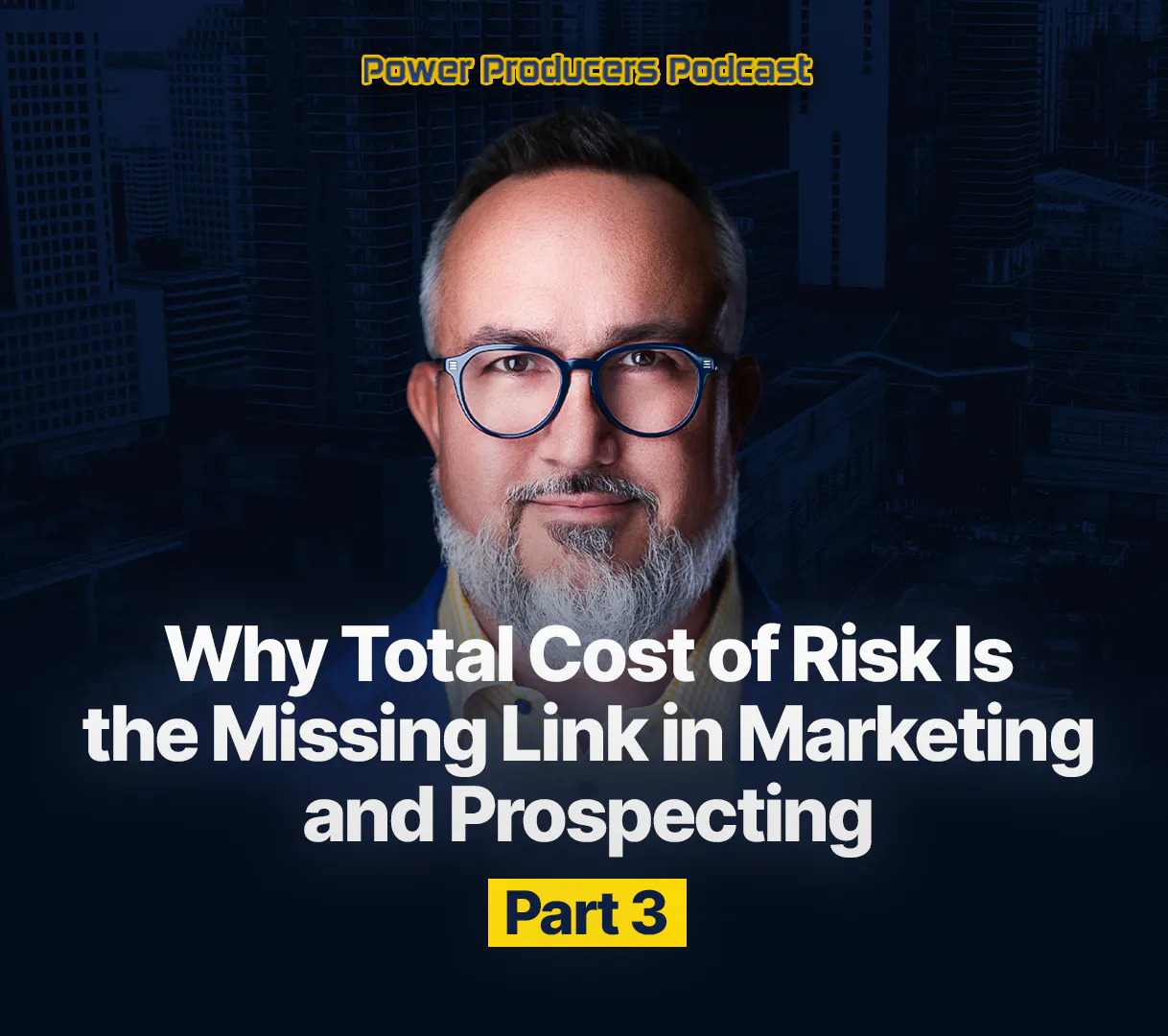
Why Total Cost of Risk Is the Missing Link in Marketing and Prospecting - Part 3
In this episode of Shoptalk, David Carothers continued his exploration of total cost of risk, focusing on how producers can integrate it into their sales cadence without overhauling existing approaches. He explained that introducing total cost of risk doesn’t mean abandoning transactional sales calls but supplementing them with deeper, long-term risk assessments. David emphasized how asking the right discovery questions and sharing stories of past success can demonstrate value and build trust. This episode also touched on a key shift: moving from being just another vendor to becoming a trusted advisor who proactively identifies risks and delivers solutions. Key points: Total Cost of Risk and Sales Cadence David stresses that integrating total cost of risk into your sales process doesn't mean overhauling everything. It means supplementing your cadence with conversations that consider the full scope of risk, allowing you to prospect year-round instead of focusing only on renewal periods. It’s okay to make transactional calls, but be ready to pivot into more consultative discussions when the opportunity arises. Building Trust Without Saying "What Makes You Different" David advocates for asking open-ended questions like, “What claims frustrate you?” or “What unexpected expenses have you encountered?” He explains that the stories you tell, not the “I’m different because…” statements, are what truly set you apart. Sharing specific examples from past experiences builds credibility and positions you as a valuable partner in their business operations. Creating a Holistic Service Team for Your Clients David discussed how he rebranded Florida Risk's value proposition with a team approach that brings together wealth management, cybersecurity, and business coaching to protect margins and ensure long-term financial health for clients. He explained how this multidisciplinary team addresses total cost of risk by covering areas outside of traditional insurance, giving clients comprehensive protection. How Operational Efficiency Translates to Cost Savings David shared a real-world example of how a service contractor client saved over $100,000 by addressing issues in their experience mod and shifting to a total cost of risk approach. By understanding the client’s operations deeply, David was able to identify inefficiencies and help reduce operational risk, showcasing how comprehensive risk management directly impacts profitability. Shifting the Mindset from Transactional to Advisory David emphasized the importance of thinking beyond price and focusing on the value you bring as a trusted advisor. By consistently asking the right questions and identifying hidden risks, producers can differentiate themselves, retain clients longer, and position themselves as integral to the client’s success—not just their insurance provider. The Power of Proactive Communication David urges producers to be proactive in communicating with clients, especially when it comes to identifying and mitigating risks that can affect the client’s bottom line. He encourages producers to book time with experts to troubleshoot roadblocks and deepen their understanding of total cost of risk, positioning themselves as go-to advisors. Connect with: David Carothers LinkedIn Kyle Houck LinkedIn Visit Websites: Power Producer Base Camp Killing Commercial Crushing Content Power Producers Podcast Policytee The Dirty 130 The Extra 2 Minutes
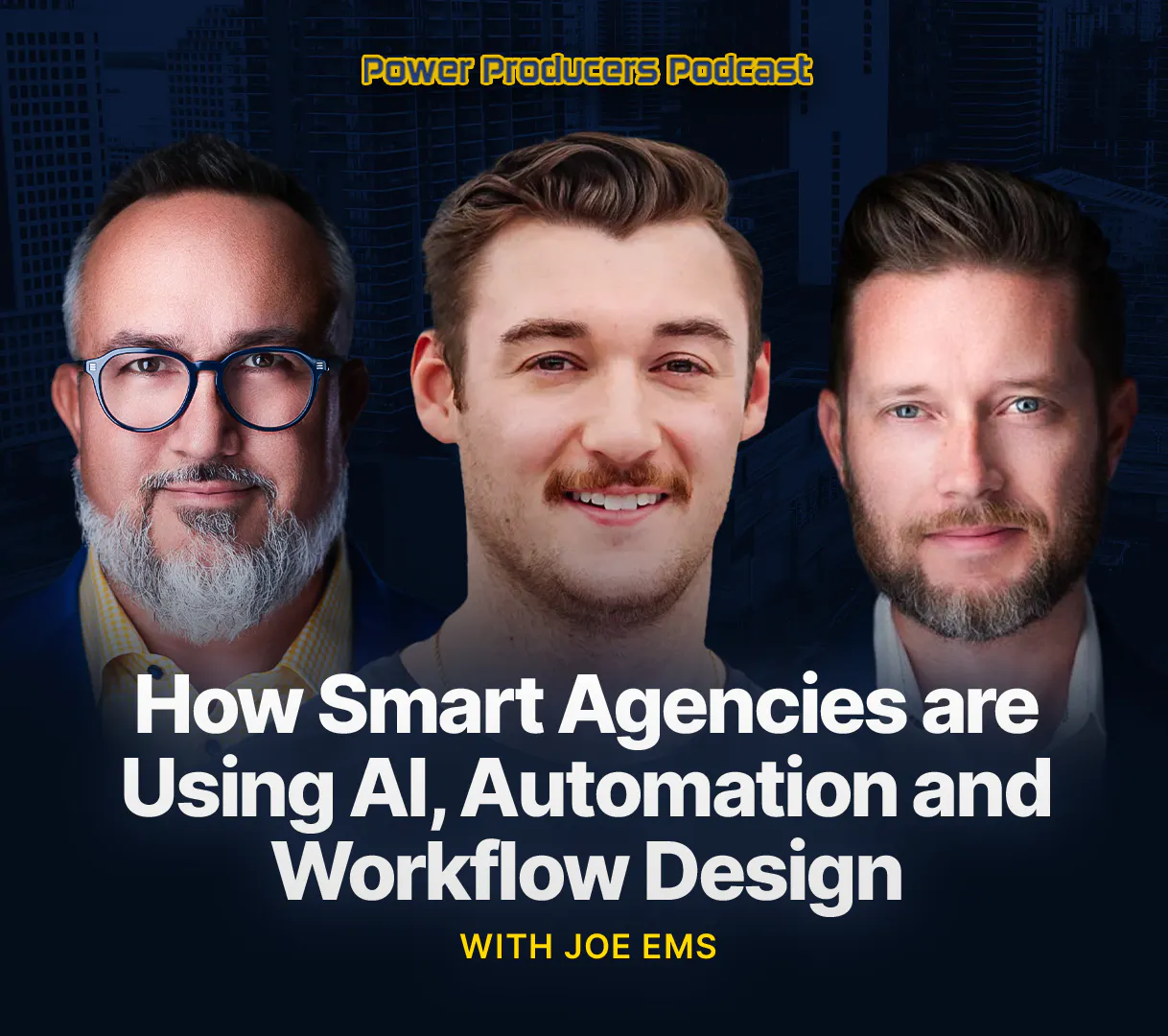
How Smart Agencies are Using AI, Automation and Workflow Design with Joe Ems
In this episode of the Power Producers Podcast, David Carothers welcomed Joe from Sembley to discuss a range of topics impacting agencies, from personal lines to AI-powered tools. David shared insights on the challenges of building a personal lines division from scratch, how tech investments have streamlined workflows, and the importance of agency owners evaluating their tech stack to maximize efficiency. They dove into the power of custom intake forms, e-signatures, and integrations with systems like Hawksoft. The conversation also emphasized the shift towards automation to save time and resources in an industry that’s increasingly tech-driven. Key points: Personal Lines Challenges and Tech Adaptation David discussed how launching personal lines at Florida Risk has been a learning experience, especially in integrating new technology and adapting workflows. The move forced a deeper look into their tech stack and how it could support scalability and efficiency. Building Custom Intake Forms for Streamlined Workflows Joe explained how custom intake forms in Sembley can simplify data gathering, especially with conditional logic, and how it saves agents time by pre-populating accord forms, sub-apps, and client profiles. Tech-Driven Time Savings and Reducing Manual Work David emphasized that many agencies waste time on repetitive tasks like data entry and supplementals. He highlighted how tech can free up agents’ time to focus on high-value work, including meaningful client interactions and prospecting. The Hawksoft Integration and Two-Way Data Flow Joe shared how Sembley now integrates with Hawksoft, allowing agents to push data directly into their system, significantly cutting down on manual entry and improving data accuracy. The Importance of Making Strategic Tech Investments David encouraged agency owners to evaluate their tech stacks with an “abundance mindset” to avoid being left behind. He stressed that technology is an investment in saving time, increasing accuracy, and building stronger client relationships. The Growing Role of AI and Automation in the Industry Joe and David discussed how AI and automation tools are revolutionizing the insurance industry, from data gathering to policy renewal, and how adopting these technologies can be a game-changer for agencies looking to stay competitive. Connect with: David Carothers LinkedIn Joe Ems LinkedIn Kyle Houck LinkedIn Visit Websites: Power Producer Base Camp Sembley Killing Commercial Crushing Content Power Producers Podcast Policytee The Dirty 130 The Extra 2 Minutes
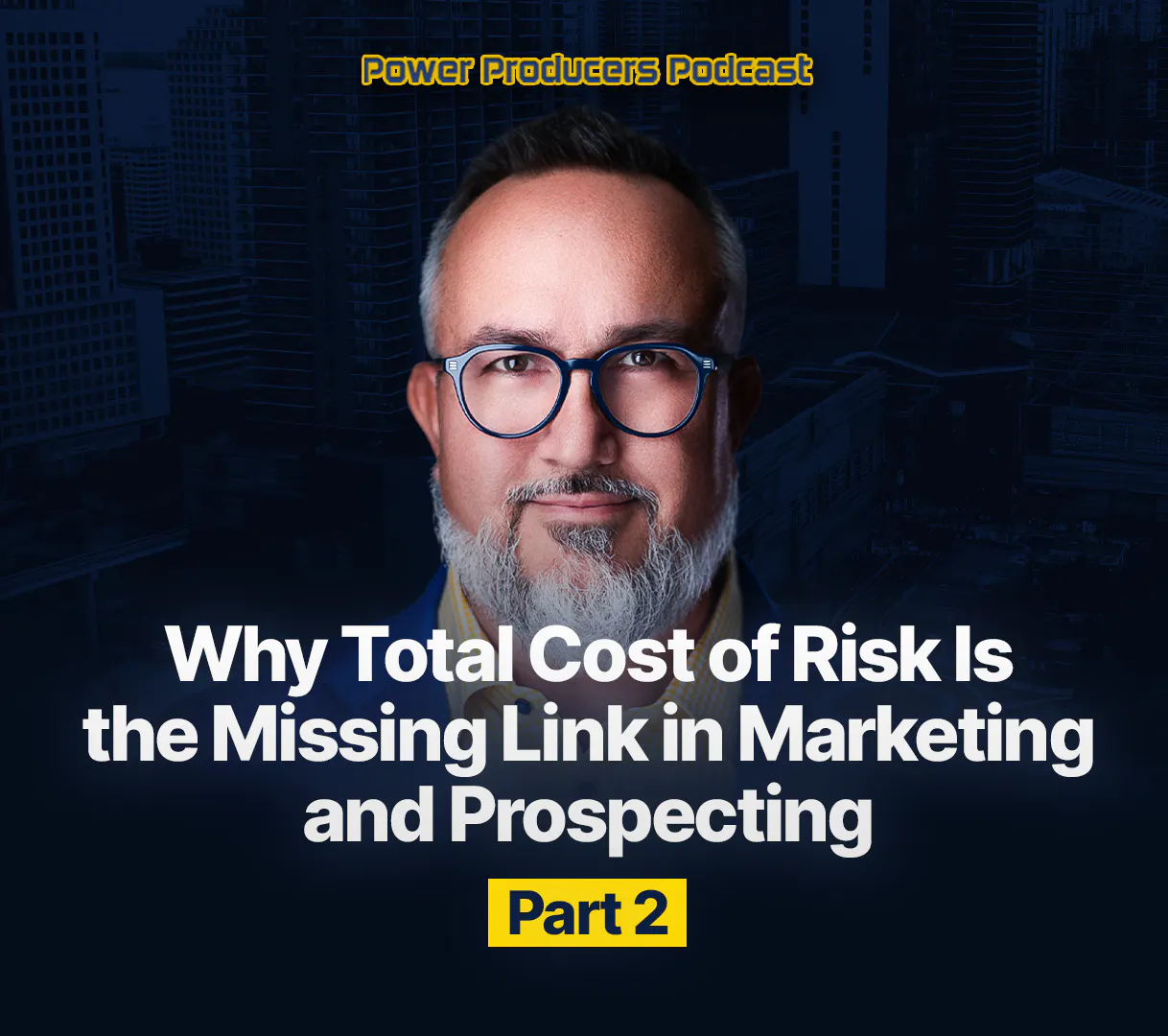
Why Total Cost of Risk Is the Missing Link in Marketing and Prospecting - Part 2
In this episode of Shoptalk, David Carothers discussed the concept of "found money" and the importance of auditing experience mods. By identifying claims that were overstated on NCCI worksheets, producers can get insurers to recalculate and issue refunds for overpaid premiums. David also delved into how agencies can add value by asking better, emotionally-driven questions to prospects, focusing on underlying issues like lost productivity, workers' comp claims, and operational risks. He warned against telemarketing agencies that pitch audit work for a 10% revenue share and emphasized that these tasks should be handled internally for maximum benefit. Key points: Found Money and the Power of Mod Audits David explained how auditing experience mods for discrepancies between reported claims and actual closed claims can uncover "found money" for clients. By having NCCI recalculate the mod, agents can help clients recover overpaid premiums, creating a significant opportunity to build trust and add value. Watch Out for Outsourced Auditors David cautioned against agencies that pitch themselves as mod audit specialists and ask for a 10% share of account revenue. These telemarketing agencies often aim to infiltrate your book of business. Instead, he suggests learning how to perform these audits internally, which will benefit both the client and the agency. The Right Questions Can Drive Change David emphasized that asking open-ended questions, especially those that tap into emotional responses, is key to uncovering clients' pain points. Asking about frustrations with claims, such as workers’ comp issues, can uncover financial impacts that need to be addressed, which moves the conversation beyond just quoting policies. Total Cost of Risk Focus Leads to Better Conversations Instead of focusing solely on premium and coverage, David encouraged producers to address the total cost of risk. Asking questions about financial impacts, downtime, and claims frustrations helps shift the conversation to a more consultative and strategic role, ultimately positioning the producer as a trusted advisor. Diagnostic Approach to Risk Management Drawing parallels to the medical profession, David shared that producers should act as diagnosticians for their clients. By asking the right questions and understanding the full scope of the client’s risks, producers can move beyond transactional sales and develop deeper, long-term relationships with clients. Connect with: David Carothers LinkedIn Kyle Houck LinkedIn Visit Websites: Power Producer Base Camp Killing Commercial Crushing Content Power Producers Podcast Policytee The Dirty 130 The Extra 2 Minutes
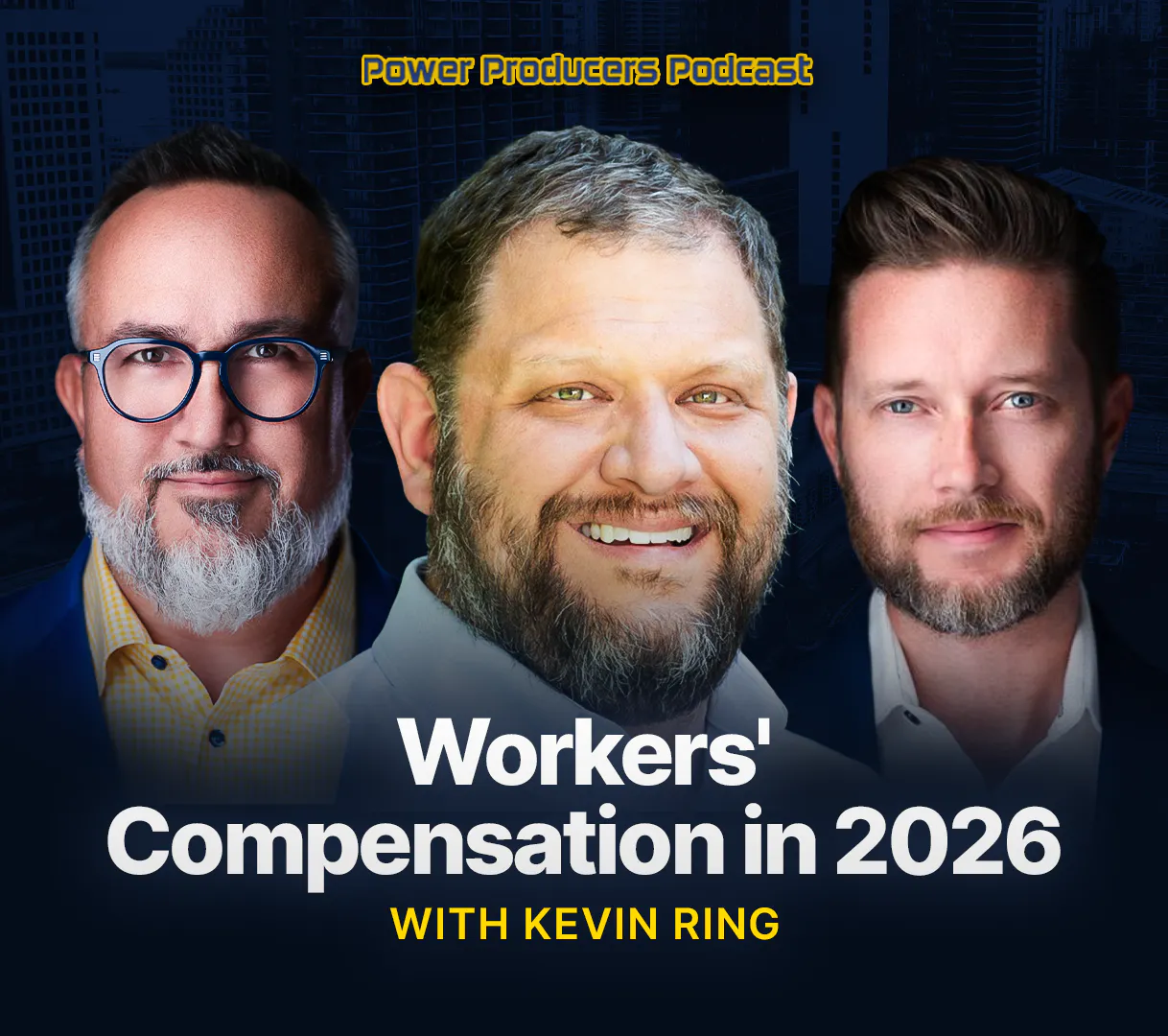
Workers' Compensation in 2026 with Kevin Ring
In this episode of the Power Producers Podcast, David Carothers welcomed Kevin Ring from the Institute of Work Comp Professionals to discuss what he is seeing in workers’ compensation heading into 2026. The conversation covered long term rate trends, signs that the market may be approaching the bottom, growing audit scrutiny, Nevada’s major payroll cap change, AI’s role in policy analysis, and the evolving legislative landscape around marijuana and the gig economy. As always, the discussion blended practical strategy for producers with broader industry outlook and regulatory insight. Key points: Workers’ Comp Rates May Be Nearing the Bottom Kevin explains that while most states are still seeing rate decreases, the pace has slowed. California recently posted a rate increase for the first time in over a decade, which could signal broader market shifts. Slowing wage inflation and continued medical cost pressure suggest that long term downward trends may not continue indefinitely. Premium Audits Are Becoming More Aggressive Auditors are digging deeper, especially when reviewing uninsured subcontractors. Instead of relying solely on certificates of insurance, they are checking state coverage verification databases to confirm continuous coverage. This shift increases the importance of proper certificate tracking and creates exposure if subcontractor coverage lapses during the policy term. Certificate Management Is No Longer a Simple Box Check The conversation highlights how certificates are only a snapshot in time and may not reflect actual coverage intent. With exclusions for additional insured status and evolving endorsement language, producers must understand what policies truly provide. AI driven policy analysis tools are likely to accelerate compliance reviews and uncover hidden coverage gaps. Nevada’s Payroll Cap Change Is a Game Changer Nevada historically capped payroll at thirty six thousand dollars per employee, effectively removing many audit conversations from relevance. Beginning October 1, 2026, that cap will shift to a formula based on state wage data, significantly increasing reportable payroll. This change will create new audit exposure and education opportunities for producers who understand remuneration rules. Legislation Remains Quiet but Marijuana and Gig Economy Issues Persist While broad workers’ comp reform activity is limited due to overall system profitability, marijuana policy continues to evolve. Questions around drug free workplace credits, reimbursement for medical marijuana, and federal rescheduling remain unresolved. At the same time, classification disputes involving gig economy workers may eventually reshape how companies structure labor relationships. Producers Must Know What They Are Selling David reinforces that as AI tools make policy analysis easier, producers cannot rely on surface level understanding. Reviewing forms and endorsements, requesting specimen copies, and understanding exclusions are critical. The risk of losing an account or facing an errors and omissions claim increases when coverage does not align with client expectations. Connect with: David Carothers LinkedIn Kevin Ring LinkedIn Kyle Houck LinkedIn Visit Websites: Power Producer Base Camp Institute of WorkComp Professionals Killing Commercial Crushing Content Power Producers Podcast Policytee The Dirty 130 The Extra 2 Minutes
You may also like





Get this podcast on your phone, Free


Create Your Podcast In Minutes
- Full-featured podcast site
- Unlimited storage and bandwidth
- Comprehensive podcast stats
- Distribute to Apple Podcasts, Spotify, and more
- Make money with your podcast
