Episode List

The Latest on the Iran War with Hamidreza Azizi
Send us Fan MailOn this episode, Saman Askari speaks with Dr. Hamidreza Azizi, a Visiting Fellow at SWP Berlin and one of the most closely followed analysts of the Iran war, about where the conflict stands on Day 38. The conversation covers how the Islamic Republic has proven more resilient than the U.S. and Israel anticipated, what lessons the regime drew from the 12-day war last year, and why Trump's unpredictability may be undermining rather than strengthening American leverage. Azizi walks through the internal debate inside Iran's strategic circles between advocates of massive preemptive escalation and those favoring a more incremental approach, and explains why the Strait of Hormuz has become Tehran's most powerful card. The episode also examines how public sentiment inside Iran has shifted since the war began, from initial welcome among many Iranians hoping for regime change to growing disillusionment as civilian infrastructure is destroyed with no collapse in sight. The conversation closes with a sobering look at the possible outcomes: regime change, a change from within, or the darker prospect of state collapse. Support the show

Thoughts on Foreign Intervention in Iran
Send us Fan MailIn this episode, Saman Askari reads his latest Substack essay on how Iran’s crisis is being misframed through debates about foreign intervention. The piece centers the mass killing of unarmed protesters by the Islamic Republic and argues that much Western commentary has obscured that reality by prioritizing abstract geopolitical narratives over the lived experience of repression inside Iran.Drawing on Iran’s history and comparative cases elsewhere, the episode explores why skepticism toward intervention is deeply ingrained, yet secondary for many Iranians facing survival under an increasingly brutal regime. It is a reflection on moral clarity, historical context, and the limits of theory when confronting mass state violence.Support the show
Thoughts on the Iranian Opposition
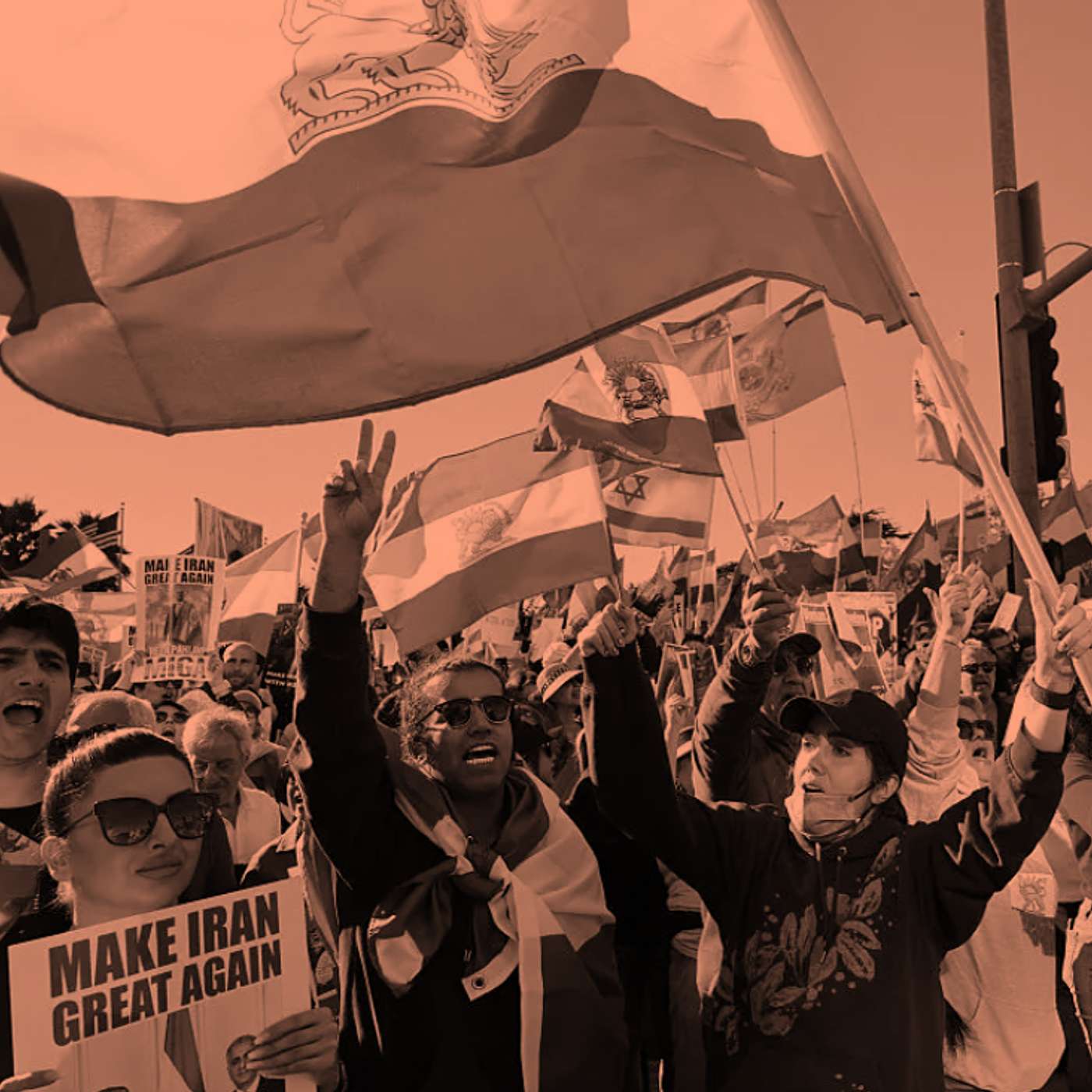
Send us Fan MailOn this episode, Saman Askari reads a piece he wrote on his Substack called Iran’s Radicalized Opposition and the Cycle of Ruin. The essay examines the current state of the Iranian opposition in light of the recent regime crackdown and growing fears of war. It traces how the trauma of what has happened recently has reshaped opposition discourse, fueling polarization, purity tests, and the concentration of authority around individuals rather than institutions. The piece argues that without protecting dissent, constraining power, and grounding any transition in enforceable democratic norms, the opposition risks reproducing the same cycles of repression it seeks to escape. Support the show

Thoughts on the Current Iranian Uprising
Send us Fan MailThis is a brief emergency episode where Saman Askari shares his thoughts on the current situation in Iran. He does an examination of the desperation behind the protests, the limits of outside intervention, and the hard realities facing the opposition. This episode looks at what happens when a population no longer sees a future within the system it is living under. Support the show

1979: The Revolution
Send us Fan MailIn 1979, Iran underwent one of the 20th century’s most consequential revolutions. What began as a wave of protests against a monarchy transformed the country into an Islamic Republic that would reshape its identity and place in the world.In this episode, Saman Askari traces the arc of power, from the rise of Mohammad Reza Pahlavi to the return of Ruhollah Khomeini, and unpacks the forces that fueled the uprising: rapid modernization, political repression, cultural tension, and a deep civilizational pride colliding with national insecurity.Through this lens, he explores why Iran’s upheavals so often search for saviors and strongmen, why the country struggles to build enduring institutions, and how the ghosts of empire still shape its political psyche to this day.Support the show










Get this podcast on your phone, Free


Create Your Podcast In Minutes
- Full-featured podcast site
- Unlimited storage and bandwidth
- Comprehensive podcast stats
- Distribute to Apple Podcasts, Spotify, and more
- Make money with your podcast