Episode List
A Historic El Niño Is Coming That Could Cost the World Trillions
Every few years, weather nerds and agriculture analysts will talk about an upcoming El Niño, and then they mostly pass by with relatively few headlines. But sometimes El Niños end up being massively destabilizing -- leading to devastating droughts, flooding, and other catastrophes. And this year's emerging El Niño could end up being one of the big ones, with forecasters predicting record-breaking intensity. But what exactly is an El Niño, and what does it mean that this year's could be so big? On this episode, we speak with Justin Mankin, professor of geography at Dartmouth and director of the Climate Modeling and Impacts Group. We discuss the forecasting of El Niños, and why they can lead to large and long-lasting economic damage. Read more:Super El Niño Will Give Us a Glimpse of Life in 2035Heat Wave and World Cup Hand UK Economy a Surprise Boost Only http://Bloomberg.com subscribers can get the Odd Lots newsletter in their inbox each week, plus unlimited access to the site and app. Subscribe at bloomberg.com/subscriptions/oddlots Subscribe to the Odd Lots NewsletterJoin the conversation: discord.gg/oddlotsSee omnystudio.com/listener for privacy information.
Trucking Is Booming Again, And Drivers Aren't Happy About It
In the last year, freight companies have seen a significant upturn in the business. Volumes are up. Billing is up. And in addition to growing demand, we've also seen new constraints on the supply side, with the administration cracking down on who is even allowed on the road. As we know, trucking is an especially cyclical industry, but is this current boom structurally different from past booms? Why is it that despite the boom, many of today's drivers are unhappy with the state of the industry? On this episode, we speak with Reed Loustalot, the chief marketing officer at the the Truck Parking Club, a company which aims to help drivers find parking, so that they're not using up valuable road hours just looking for a place to stop for the night. We talk about the crackdown on the supply side of the market, the rise of surveillance, and how a recent Supreme Court ruling could impair capacity even further. Read more:Ship Pays $4 Million to Skip Line to Cross Panama CanalTrucking Stocks Fall on Legal Risk in Worst Month Since Tariffs Only http://Bloomberg.com subscribers can get the Odd Lots newsletter in their inbox each week, plus unlimited access to the site and app. Subscribe at bloomberg.com/subscriptions/oddlots Subscribe to the Odd Lots NewsletterJoin the conversation: discord.gg/oddlotsSee omnystudio.com/listener for privacy information.
NYT CEO Meredith Kopit Levien on Running a Media Brand in the Age of AI
In the last decade, the New York Times has remade itself many times over. It has done that through acquisitions (The Athletic, Wirecutter, and the ever-popular Wordle) and by navigating all the different challenges that have emerged in the digital age and now the age of AI. Its video operation, for instance, has grown exponentially in the last few years. And they've used AI tools in their reporting, namely in several pieces they did on the Epstein Files. At the same time, the company is also suing the likes of OpenAI and Perplexity for copyright infringement. To understand the modern media landscape, you really do have to understand the Times, so today we speak with The New York Times Company's CEO and president, Meredith Kopit Levien. We talk to her about how to run a media business without seeing the news itself as a loss leader, the NYT's evolving bundle strategy, how the paper retains talent, why the current pivot to video is different from the first one, and the ideal set-up for AI companies and media properties to co-exist.See omnystudio.com/listener for privacy information.
Introducing: Our Town
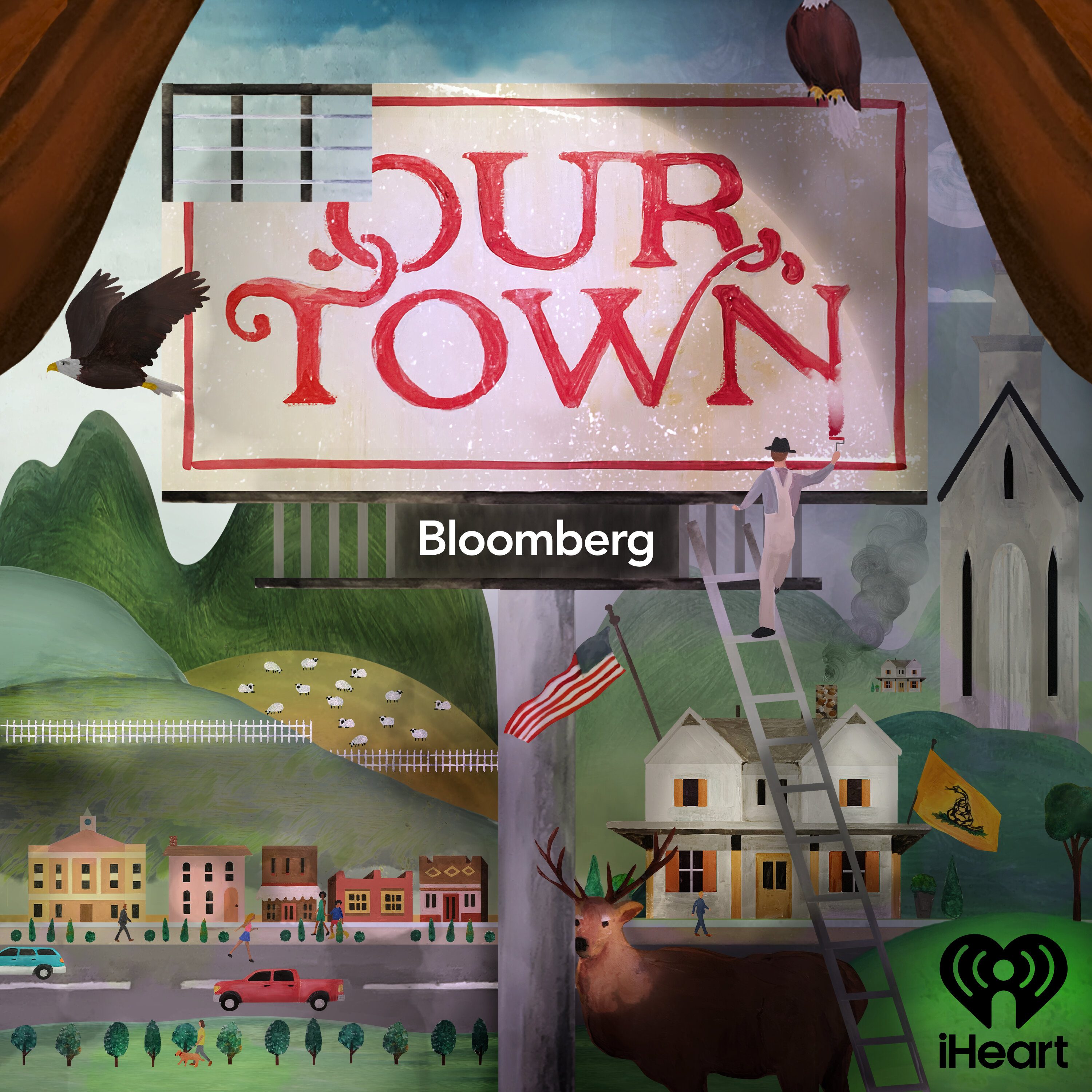
Our Town from Bloomberg’s Big Take podcast follows residents of Gainesboro, Tennessee, after a group of far-right Christians moves in with plans for a radical social experiment.Listen to Episode 1 on the Big Take.See omnystudio.com/listener for privacy information.
How a Sardine Gets From the Ocean to a Can
Just a decade ago, tinned fish was hardly a premium product. Most Americans likely associated cans of tuna with thrift. But that has changed a lot in recent years. The category took off during Covid and now shoppers are shelling out for high end brands like Fishwife. Today's guest Becca Millstein started the company in 2020, positioning it as a distinct, artisanal product, more akin to one might find in European grocery stores. In addition to the sheer challenges of scaling, the nature of the business itself has changed, influenced by climate change and geopolitics (shortages have led Morocco to suspend frozen sardine exports for instance). We discuss the tinned fish supply chain and how a new brand positions itself in today's media market.Read more: What the American Tin Can Reveals About Trump’s Volatile Tariff PolicyOnly Bloomberg.com subscribers can get the Odd Lots newsletter in their inbox, plus unlimited access to the site and app. bloomberg.com/subscriptions/oddlotsSee omnystudio.com/listener for privacy information.







Get this podcast on your phone, Free


Create Your Podcast In Minutes
- Full-featured podcast site
- Unlimited storage and bandwidth
- Comprehensive podcast stats
- Distribute to Apple Podcasts, Spotify, and more
- Make money with your podcast
