Episode List

Inside Colombia's big quake – and why more could be coming
The 7.4 magnitude earthquake that struck Columbia was devastating. Host Regina Barber talks to earthquake geologist Rodrigo Alejandro Leon Loya about the tectonic plates that caused the quake and what it was like 150 miles from the epicenter. Interested in more science in the news? Email us your question at shortwave@npr.org. Support public media with NPR+ and enjoy perks for over 25 podcasts like this one. This show’s perks include sponsor-free listening. Learn more at plus.npr.org. See pcm.adswizz.com for information about our collection and use of personal data for sponsorship and to manage your podcast sponsorship preferences.NPR Privacy Policy
How to see the year's best meteor shower tonight
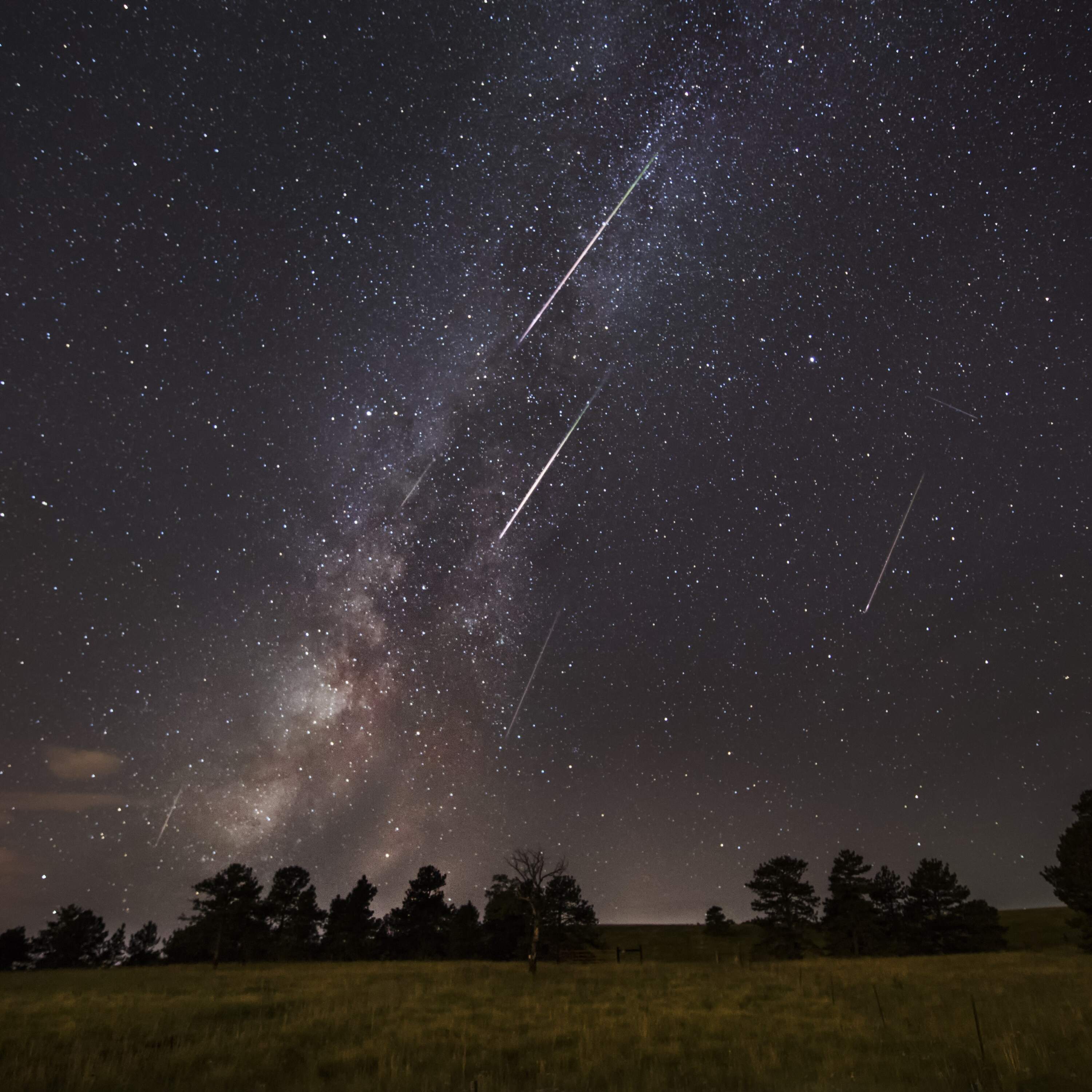
Right now the best shooting star show of the year is happening: the peak of the Perseid meteor shower. People have been viewing this annual event pretty much as long as we’ve been recording history. But what are we really looking at when we gaze up to see these faint streaks of light shoot across the sky? And what can you do to get the best view of them? We dive into those questions on this edition of Spacing Out, which also gets into the latest news about the Sun and the tea behind the SpaceX rocket crashing into the moon.Interested in more space news? Let us know! Email us your question at shortwave@npr.org.Support public media with NPR+ and enjoy perks for over 25 podcasts like this one. This show’s perks include sponsor-free listening. Learn more at plus.npr.org. See pcm.adswizz.com for information about our collection and use of personal data for sponsorship and to manage your podcast sponsorship preferences.NPR Privacy Policy

Can you spot AI-written stories? Listen and find out
Can you tell the difference between a human-written short story and an AI-generated one? Most people can’t. In a series of experiments led by a team at Villanova University, researchers found two things: First, most people said they preferred human written stories, but couldn’t tell the difference between AI and human writing; and second, when presented with two similar short stories, one written by a human and one generated by AI, readers tended to prefer the AI-generated piece – especially if they had been told the AI story was written by a human.We excerpted two of the short stories on our website for you to guess which is AI-generated and which is human-generated. Check out the full set of stories here.Interested in more science and technology news? Email us your question at shortwave@npr.org.Support public media with NPR+ and enjoy perks for over 25 podcasts like this one. This show’s perks include sponsor-free listening. Learn more at plus.npr.org. See pcm.adswizz.com for information about our collection and use of personal data for sponsorship and to manage your podcast sponsorship preferences.NPR Privacy Policy

How to see this week's eclipse (and the next big one)
During a total solar eclipse the world around you is very different. The sun gets totally blotted out and suddenly, it feels like night time. The temperature drops. Birds stop singing. These surreal celestial events happen every year or so around the globe – including tomorrow. To get you prepped, we’re talking to eclipse chasers about what makes these few minutes of darkness worthwhile and break down how to view an eclipse. That includes using special specs, so we’re linking the American Astronomical Society’s list of trustworthy eclipse glasses. To nerd out even more, check out NASA’s eclipse website.Interested in more space news? Email us your question at shortwave@npr.org and we may cover it in an upcoming segment.Support public media with NPR+ and enjoy perks for over 25 podcasts like this one. This show’s perks include sponsor-free listening. Learn more at plus.npr.org. See pcm.adswizz.com for information about our collection and use of personal data for sponsorship and to manage your podcast sponsorship preferences.NPR Privacy Policy
Mirror cells could threaten life on Earth. Why are we building them?
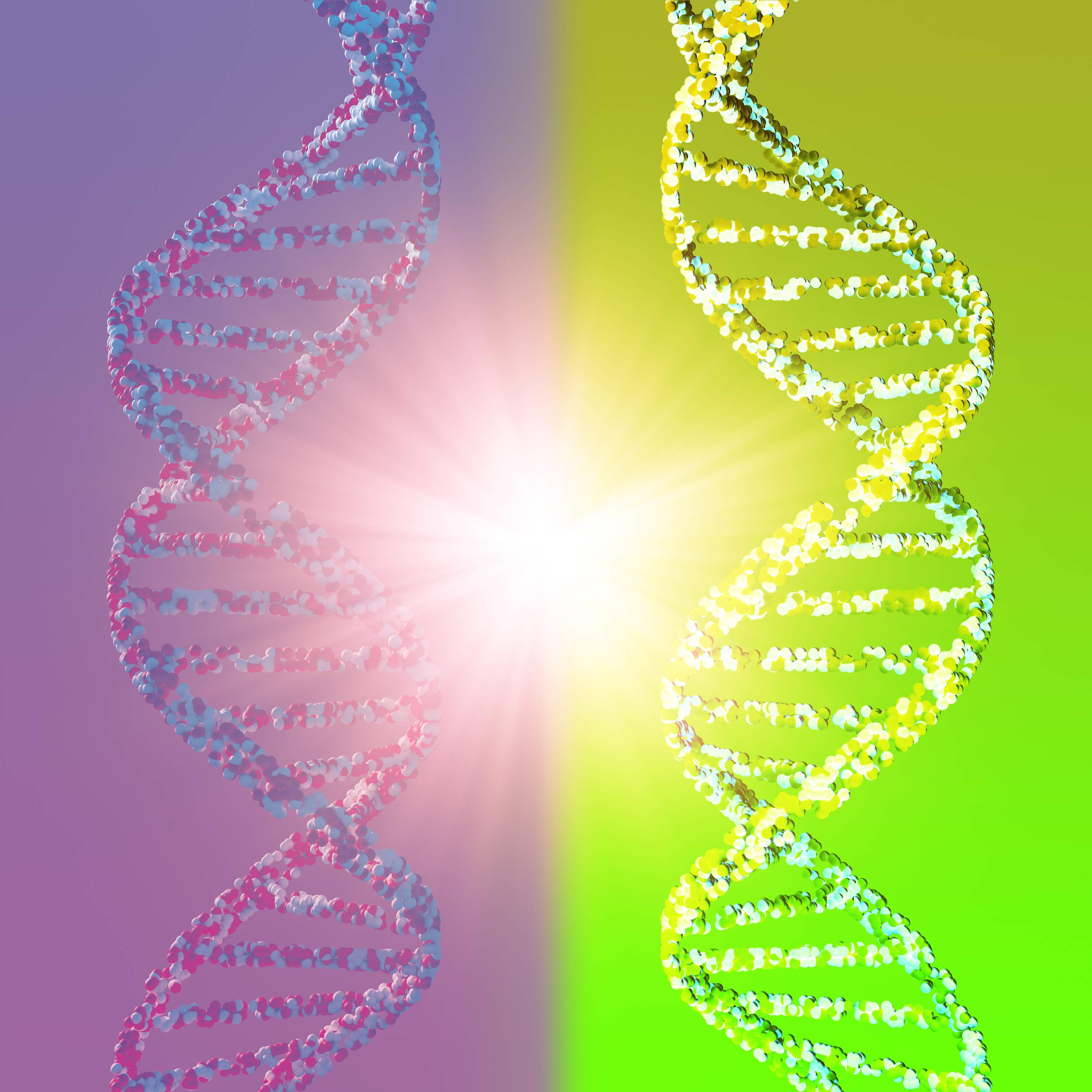
For people with two hands, one is usually dominant. On a molecular level, earthly life takes this to the extreme. All of the DNA in living things twists to the right, whereas the protein building blocks favor a kind of left-handed chemistry.The rules of life are based on this chemistry.In recent years, scientists have worked toward a kind of mirror version of life. Currently, the technology doesn't exist to make mirror life at the cellular level — and likely won't for at least a decade. Still, a group of scientists is concerned enough about the possibility that they've published a 299-page technical report calling for a stop to the science.In this encore episode for our Tech Camp series, host Regina Barber talks to Carl Zimmer, a science reporter at The New York Times, about his reporting on mirror cells — and why creating them could lead to devastating consequences for life on Earth.Check out Carl's full article.Curious about other controversial research? Email us at shortwave@npr.org.Support public media with NPR+ and enjoy perks for over 25 podcasts like this one. This show’s perks include sponsor-free listening. Learn more at plus.npr.org.See pcm.adswizz.com for information about our collection and use of personal data for sponsorship and to manage your podcast sponsorship preferences.NPR Privacy Policy


Get this podcast on your phone, Free


Create Your Podcast In Minutes
- Full-featured podcast site
- Unlimited storage and bandwidth
- Comprehensive podcast stats
- Distribute to Apple Podcasts, Spotify, and more
- Make money with your podcast
