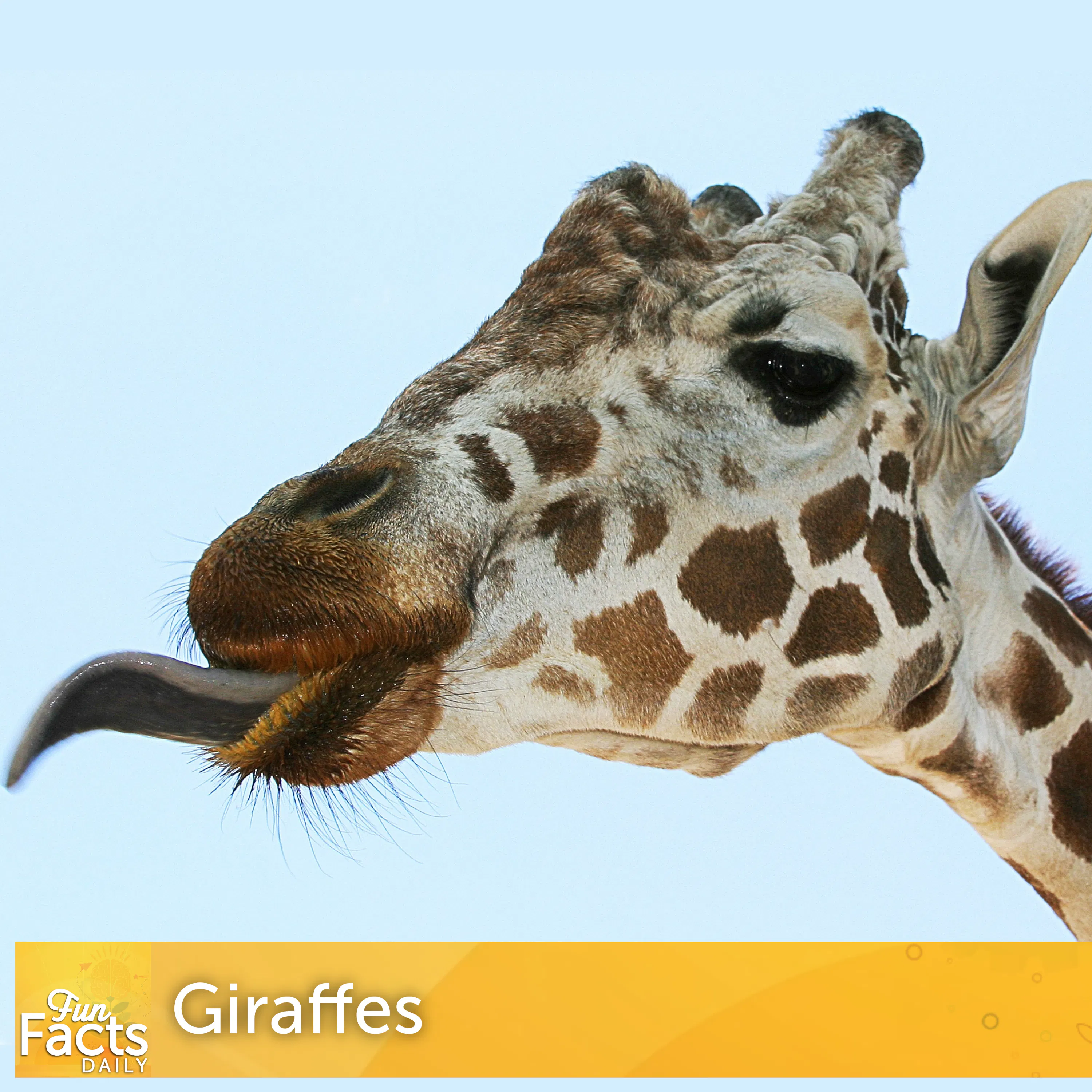
The giraffe stands as one of nature's most sophisticated biological marvels, equipped with an array of specialized adaptations to survive the African wilderness. Their circulatory system is centered around a massive heart that can weigh up to 25 pounds and measure 2 feet in length, providing the necessary force to pump blood at nearly double the pressure of a human's to reach the brain. Despite the incredible length of their necks, which can reach up to 7 feet, giraffes possess only seven cervical...
View more
Comments (3)
More Episodes
All Episodes>>You may also like










Get this podcast on your phone, Free


Create Your Podcast In Minutes
- Full-featured podcast site
- Unlimited storage and bandwidth
- Comprehensive podcast stats
- Distribute to Apple Podcasts, Spotify, and more
- Make money with your podcast
It is Free