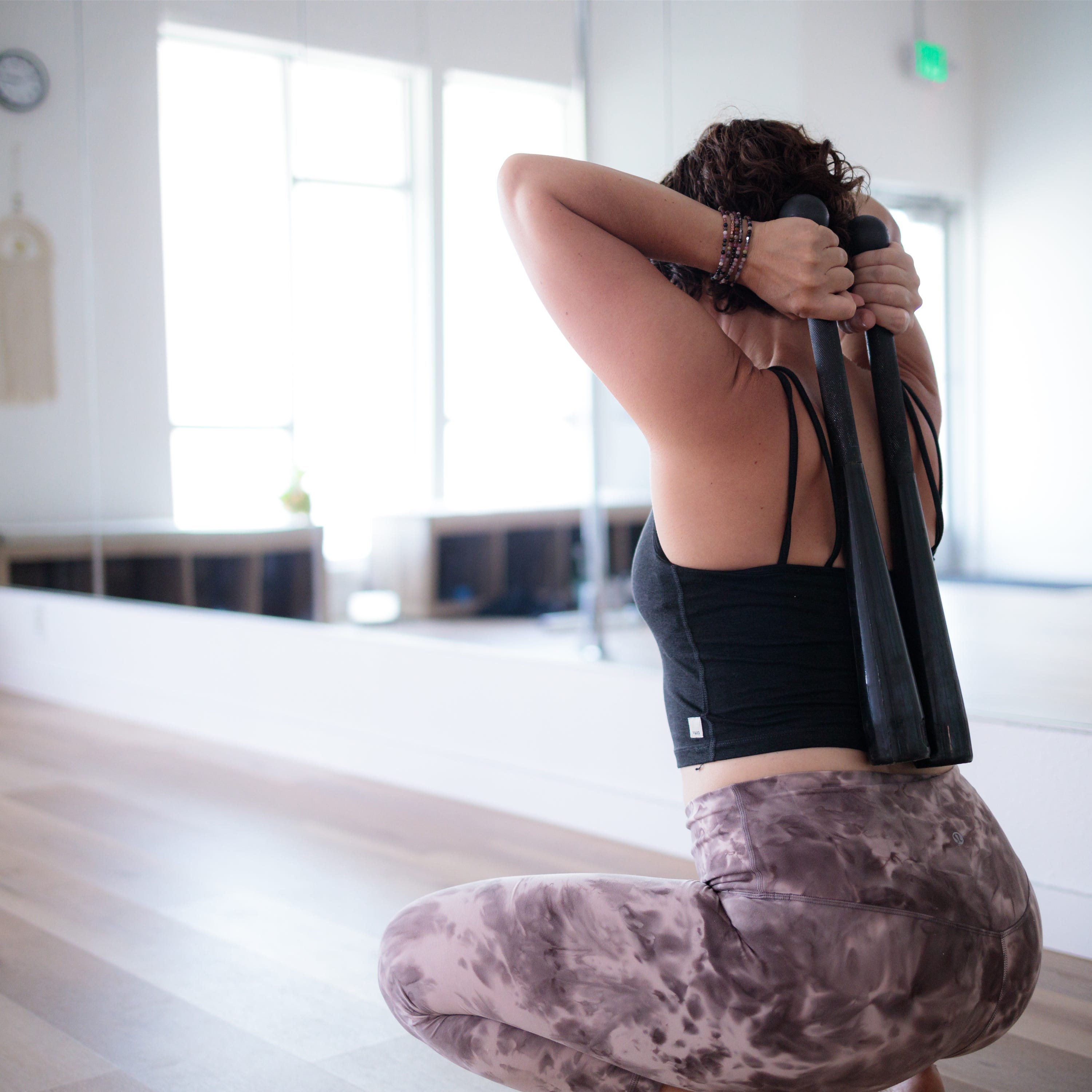
There is a certain kind of gym culture that insists everything must be optimized — the perfect grip width, the ideal scapular position, the precisely calibrated hang duration. It’s well-meaning. It’s also, quite often, the fastest route to a practice you abandon by February.This tutorial is not that. This is the other thing: permission to play.“Give yourself permission to play. Don’t worry about how long you’re up there for.”All you need is a pull-up bar. Whether your feet stay on the ground...
View more
Comments (3)
More Episodes
All Episodes>>You may also like







Get this podcast on your phone, Free


Create Your Podcast In Minutes
- Full-featured podcast site
- Unlimited storage and bandwidth
- Comprehensive podcast stats
- Distribute to Apple Podcasts, Spotify, and more
- Make money with your podcast
It is Free