The evolution of personal hygiene has transformed the simple act of washing into a complex interplay of engineering and biology. While early bathing relied on basins and washstands, the first mechanical shower was patented in 1767 by London stove-maker William Feetham. His "English Regency Shower" utilized a hand pump to push water into a container above the user’s head, though it lacked a drainage system, forcing users to repeatedly recycle the same soapy water. Since then, showering technology has b...
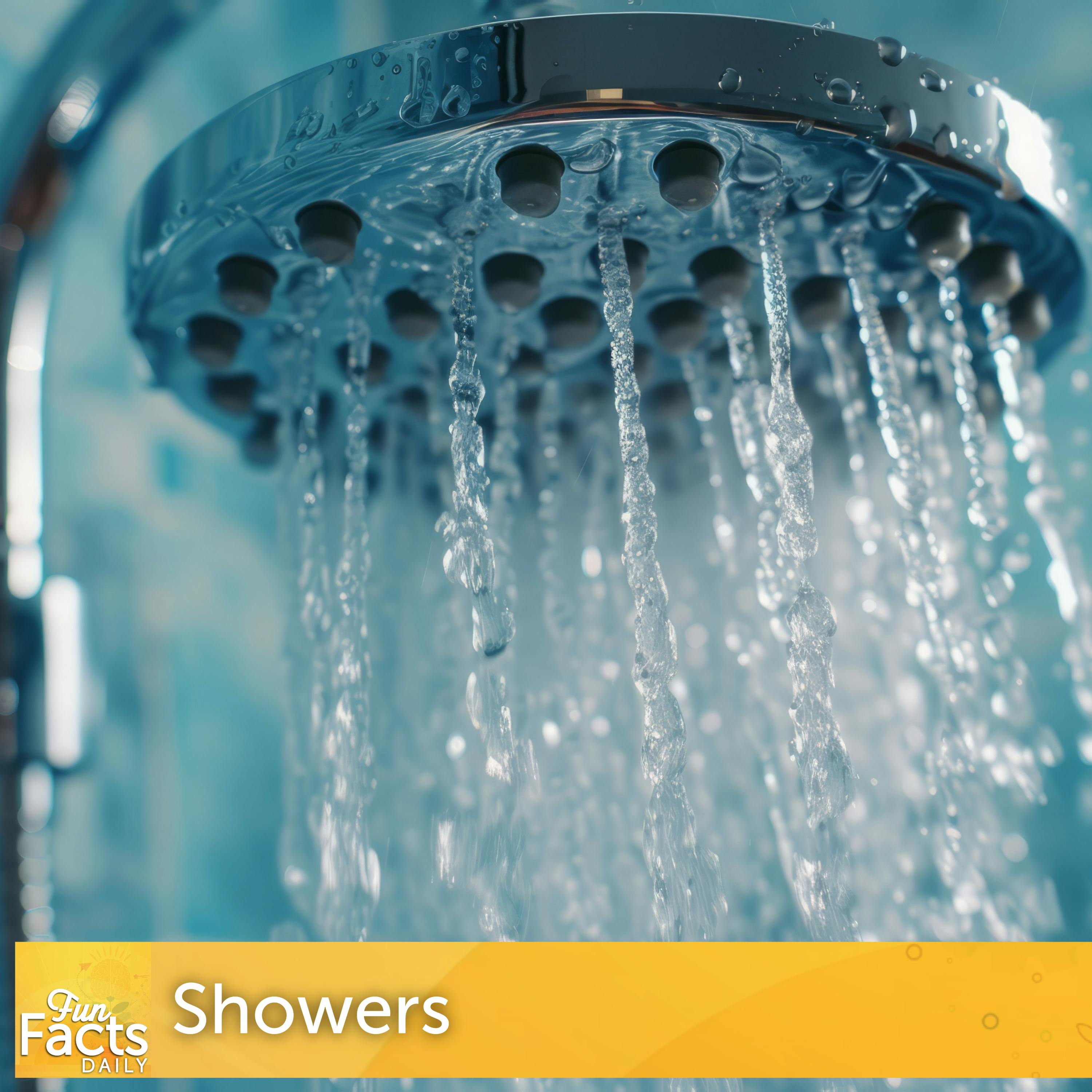
The evolution of personal hygiene has transformed the simple act of washing into a complex interplay of engineering and biology. While early bathing relied on basins and washstands, the first mechanical shower was patented in 1767 by London stove-maker William Feetham. His "English Regency Shower" utilized a hand pump to push water into a container above the user’s head, though it lacked a drainage system, forcing users to repeatedly recycle the same soapy water. Since then, showering technology has branched into highly specialized environments. In space, NASA developed zero-gravity showers for the Skylab missions that used vacuum-like suction to prevent water from forming suffocating blobs in microgravity. Similarly, the "Navy shower" method—alternating short bursts of water with lathering—demonstrates extreme efficiency, reducing average water consumption from 60 gallons to just three.
Beyond simple cleansing, showering triggers significant physiological and psychological responses. Cold water immersion activates vasoconstriction and vasodilation, a circulatory "workout" that may stimulate white blood cell production and activate brown fat for calorie burning. In the brain, the relaxed, repetitive nature of showering encourages the release of dopamine and shifts mental states into alpha waves, a condition conducive to creative problem-solving and "epiphanies." This effect is further enhanced by the Leonard Effect, where the physical impact of water against a surface strips electrons from the air to create negative ions. When inhaled, these ions are believed to increase serotonin levels, acting as a natural mood elevator. Even the ancient world recognized these benefits; archaeological evidence from 4th-century BCE Greece reveals sophisticated shower rooms in cities like Pergamon, featuring lead pipes and lion-headed spouts centuries before modern plumbing was standardized.
Be sure to email funfactsdailypod@gmail.com with our word of the day, pluviophile, in the subject line by March 21 for a chance to win in my latest giveaway.
Want to learn more? Head over to my website www.funfactsdailypod.com and be sure to listen to my other podcasts Who ARTed: Weekly Art History for All Ages or Art Smart. For family fun, check out my son's podcast Rainbow Puppy Science Lab
Fun Facts Daily is an Airwave Media Podcast. If you are interested in advertising on this or any other Airwave Media show, email: advertising@airwavemedia.com
Learn more about your ad choices. Visit megaphone.fm/adchoices
View more