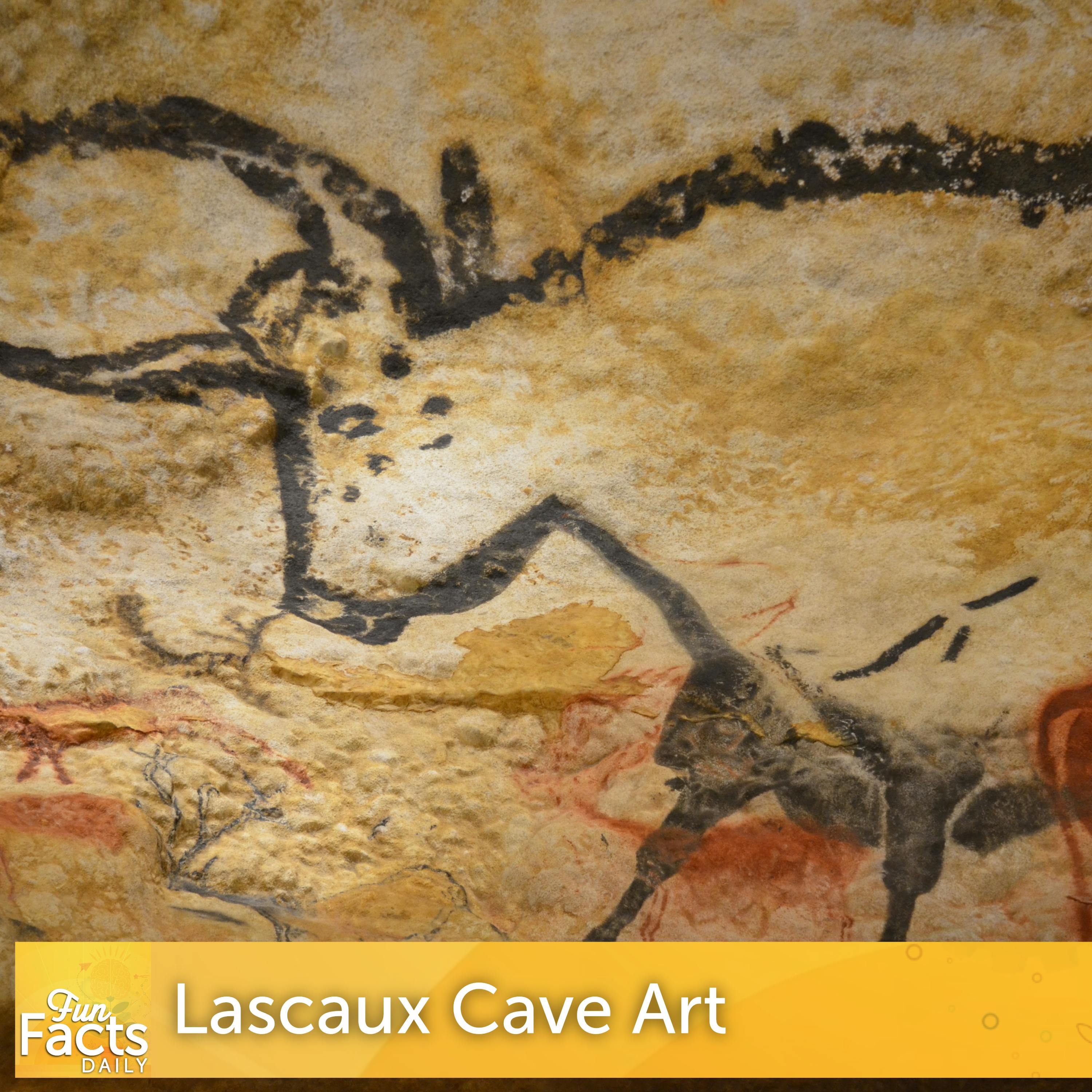
The prehistoric Caves of Lascaux in Southwestern France are home to some of the most significant Upper Paleolithic art ever discovered. Dating back approximately 17,000 years, the cave complex features nearly 2,000 figures, including the massive 17-foot bull in the Hall of the Bulls. These ancient artists displayed remarkable technical sophistication, utilizing scaffolding to reach high cave walls and employing advanced spray-painting techniques by blowing pigments through hollowed bird bones or reeds to...
The prehistoric Caves of Lascaux in Southwestern France are home to some of the most significant Upper Paleolithic art ever discovered. Dating back approximately 17,000 years, the cave complex features nearly 2,000 figures, including the massive 17-foot bull in the Hall of the Bulls. These ancient artists displayed remarkable technical sophistication, utilizing scaffolding to reach high cave walls and employing advanced spray-painting techniques by blowing pigments through hollowed bird bones or reeds to create soft gradients and stencils. Beyond animal depictions, some researchers suggest the caves contain one of the oldest known star maps, with dot patterns potentially representing the Pleiades cluster and the constellation Taurus.
To ensure the long-term preservation of the original site, which suffered from mold and mineral growth due to human exposure after its 1948 opening, the cave was closed to the public in 1963. In its place, Lascaux II, a meticulous one-to-one replica, was constructed nearby to allow visitors to experience the artwork without damaging the ancient pigments. This conservation effort highlights the delicate balance between archeological study and the physical protection of world heritage. The discovery itself remains a legendary tale of accidental find, attributed to four teenagers and their dog, Robot, who stumbled upon the entrance in 1940 while searching for a rumored underground tunnel.
Want to learn more? Head over to my website www.funfactsdailypod.com and be sure to listen to my other podcasts Who ARTed: Weekly Art History for All Ages or Art Smart. For family fun, check out my son's podcast Rainbow Puppy Science Lab
Fun Facts Daily is an Airwave Media Podcast. If you are interested in advertising on this or any other Airwave Media show, email: advertising@airwavemedia.com
Learn more about your ad choices. Visit megaphone.fm/adchoices
View more