Curling, historically referred to as the "Roarin' Game" due to the sound of granite stones traveling across the ice, originated in Scotland during the early 16th century. The sport's earliest physical evidence is the Stirling Stone, which features the inscribed date of 1511. Played on a long, narrow sheet of ice known as a "rink," the game involves two teams of four players—the lead, second, third (or vice-skip), and skip—who strategically slide 44-pound granite stones toward a circular target called the "ho...
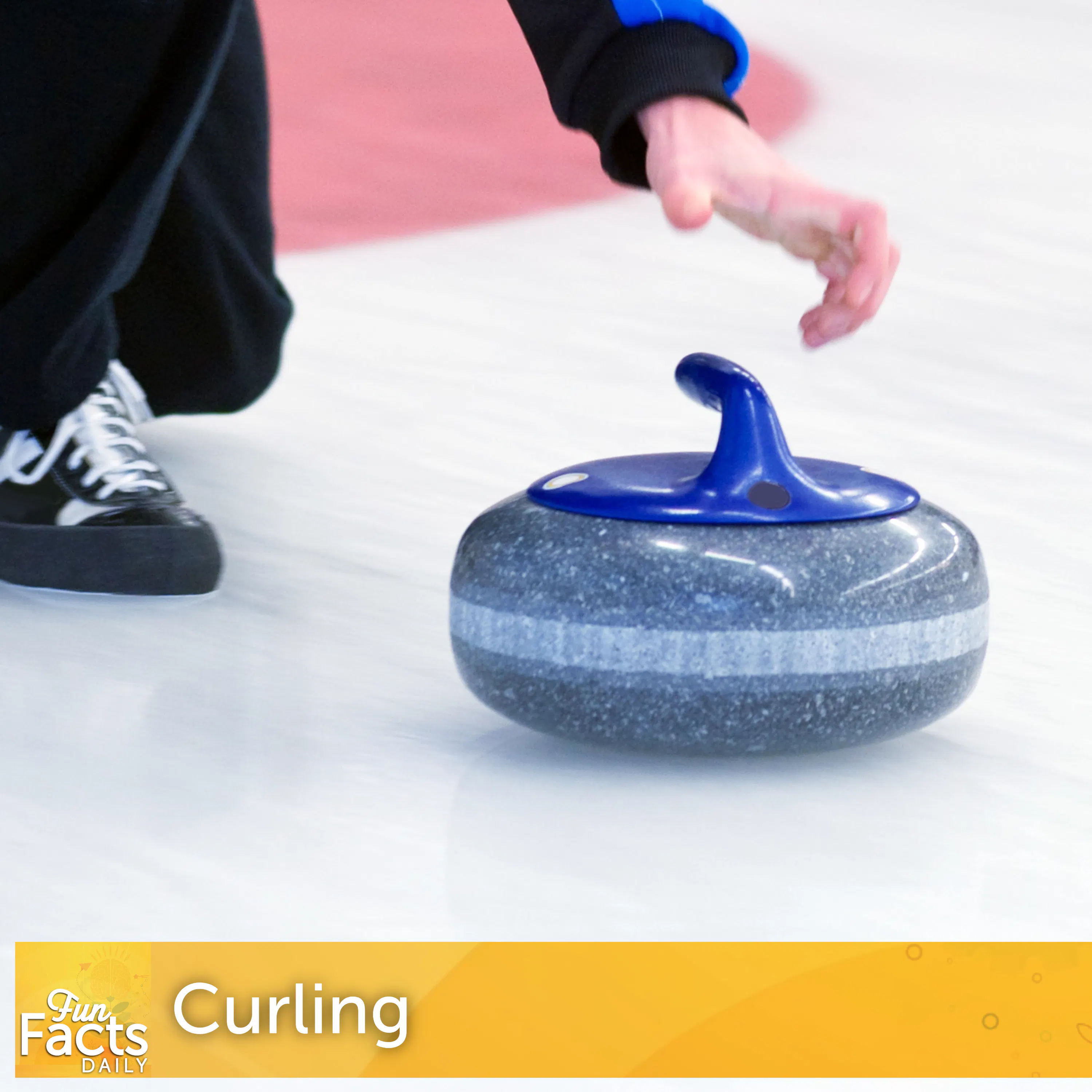
Curling, historically referred to as the "Roarin' Game" due to the sound of granite stones traveling across the ice, originated in Scotland during the early 16th century. The sport's earliest physical evidence is the Stirling Stone, which features the inscribed date of 1511. Played on a long, narrow sheet of ice known as a "rink," the game involves two teams of four players—the lead, second, third (or vice-skip), and skip—who strategically slide 44-pound granite stones toward a circular target called the "house". The dense, water-resistant granite used for nearly all competitive curling stones is sourced exclusively from Ailsa Craig, an uninhabited island off the coast of Scotland.
The technical mechanics of the sport center on "pebbled ice," a surface created by spraying fine water droplets that freeze into tiny bumps, allowing the heavy stones to glide with reduced friction. Players impart a rotation on the stone upon release, causing it to "curl" or curve along the ice to navigate around "guard" stones. Sweeping plays a critical role in the game's physics, as the friction from the brushes generates heat to momentarily warm the ice, which can extend the stone's travel distance and straighten its trajectory. Guided by the "Spirit of Curling," a formalized code of sportsmanship, the game emphasizes honor and mutual respect, requiring players to call their own fouls and congratulate opponents regardless of the match's outcome.
Want to learn more? Head over to my website www.funfactsdailypod.com and be sure to listen to my other podcasts Who ARTed: Weekly Art History for All Ages or Art Smart. For family fun, check out my son's podcast Rainbow Puppy Science Lab
Fun Facts Daily is an Airwave Media Podcast. If you are interested in advertising on this or any other Airwave Media show, email: advertising@airwavemedia.com
Learn more about your ad choices. Visit megaphone.fm/adchoices
View more