Glitter’s transition from an ancient decorative tool to a modern industrial staple reveals a history of both artistic ingenuity and accidental discovery. Long before the synthetic materials of today, ancient Egyptians utilized ground mica to impart an iridescent sheen to makeup and sarcophagi, while Paleolithic cave painters achieved a metallic glimmer using hematite. The modern iteration of glitter emerged in 1934 on a New Jersey farm when machinist Henry Ruschmann inadvertently created "schnibbles"—tiny, ref...
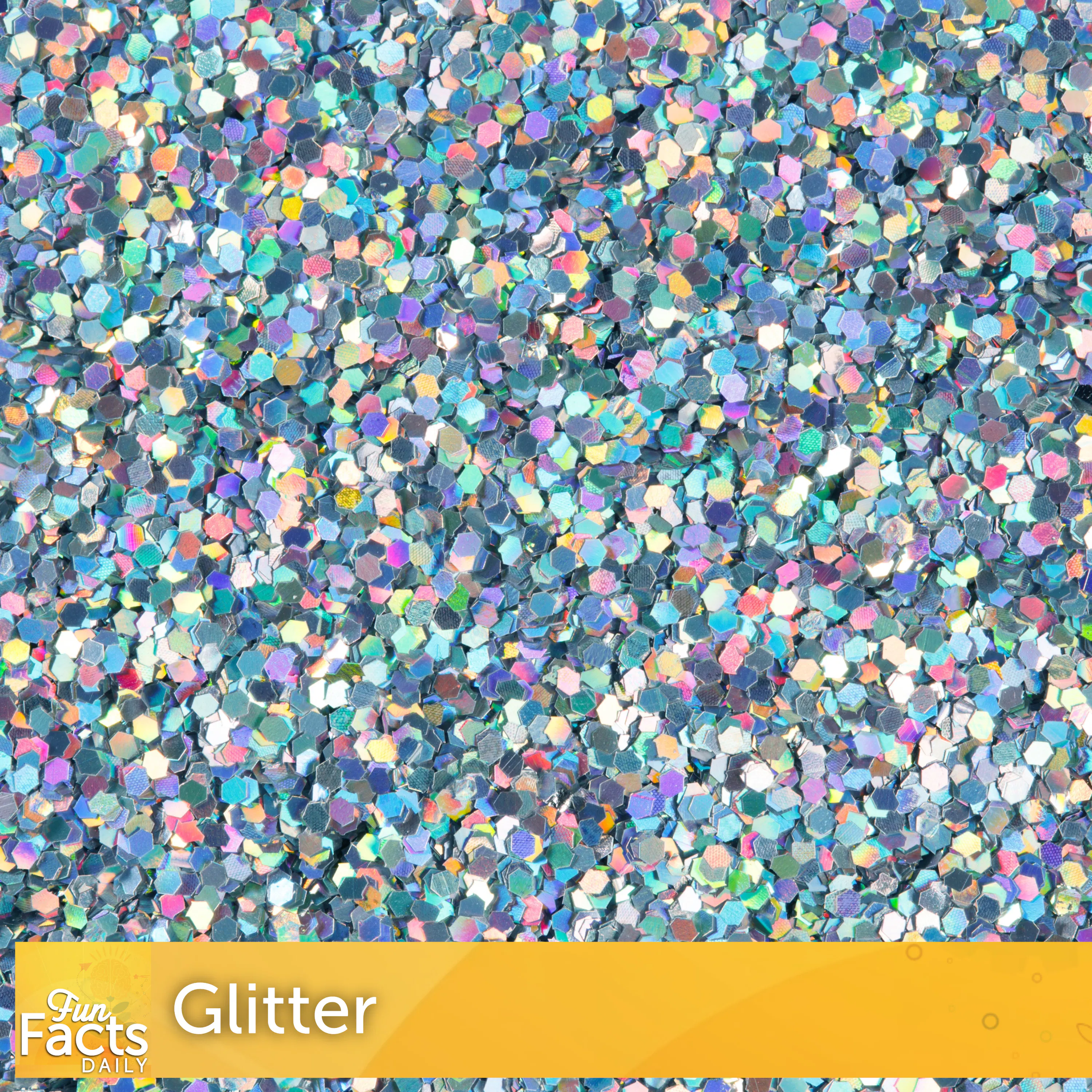
Glitter’s transition from an ancient decorative tool to a modern industrial staple reveals a history of both artistic ingenuity and accidental discovery. Long before the synthetic materials of today, ancient Egyptians utilized ground mica to impart an iridescent sheen to makeup and sarcophagi, while Paleolithic cave painters achieved a metallic glimmer using hematite. The modern iteration of glitter emerged in 1934 on a New Jersey farm when machinist Henry Ruschmann inadvertently created "schnibbles"—tiny, reflective plastic and metal fragments—after his cutting machine malfunctioned. These scraps were initially repurposed as artificial snow for holiday decorations before evolving into the ubiquitous craft material used globally today.
Beyond its aesthetic uses, glitter serves sophisticated roles in science and engineering. In forensic investigations, glitter acts as a "sparkly fingerprint," where unique polymer compositions and the Lacard’s exchange principle allow scientists to link suspects to crime scenes through microscopic evidence. While hobbyists use significant quantities, an anonymous industry consumes millions of pounds annually, likely for automotive finishes or currency security. Furthermore, specialized edible glitters made of 24-karat gold are used in luxury culinary arts, and NASA utilizes high-tech, space-grade glitter coatings on spacecraft to reflect solar radiation and protect sensitive instrumentation from extreme heat.
Want to learn more? Head over to my website www.funfactsdailypod.com and be sure to listen to my other podcasts Who ARTed: Weekly Art History for All Ages or Art Smart. For family fun, check out my son's podcast Rainbow Puppy Science Lab
Fun Facts Daily is an Airwave Media Podcast. If you are interested in advertising on this or any other Airwave Media show, email: advertising@airwavemedia.com
Learn more about your ad choices. Visit megaphone.fm/adchoices
View more