Episode List

Intersection of Future of Schools and Jobs to be Done with Thomas Arnett and Meris Stansbury
Curious about the future of the schools, especially micro schools and other innovative models?.In this episode, Thomas Arnett and Meris Stansbury of the Clayton Christensen Institute dive into what really drives families to seek out new learning environments, drawing from the “Jobs to Be Done” research and real stories from parents navigating school decisions. They explore why understanding these motivations matters so deeply, not just for designing a program but for ensuring it truly meets the needs of the families it serves.They also talk about: ✨ How micro schools can clarify the specific “job” they’re best equipped to fulfill ✨ Why trying to serve everyone can dilute impact ✨ What makes alternative models appealing, and what still holds families back ✨ The innovations that could make micro-schooling more accessible and sustainable in the long runIf you care about family experience, educational design, or the rapidly evolving landscape of learner-centered models, this conversation is worth tuning into.

Closing the Digital Design Divide: Rethinking Professional Learning Systems for EdTech
🎙️ New Episode Alert!In the latest episode of EDU Café Podcast, Guest host Ji-Soo Song of SETDA sat down with Michael Ham of Full Scale and Elizabeth Foster of Learning Forward to unpack new national research and four major findings that shape how educators experience professional learning in EdTech and AI. They dive into the digital design divide highlighted in the 2024 National EdTech Plan and what states and districts can do to close it.You’ll hear: ✔ Why Title IIA remains a critical funding stream ✔ Why tool training still dominates professional learning ✔ Where current professional learning systems fall short ✔ What leaders should prioritize heading into 2026Read the guide → https://www.setda.org/wp-content/uploads/2025/11/Improving-Professional-Learning-Systems-to-Better-Support-Todays-Educators-2.pdf
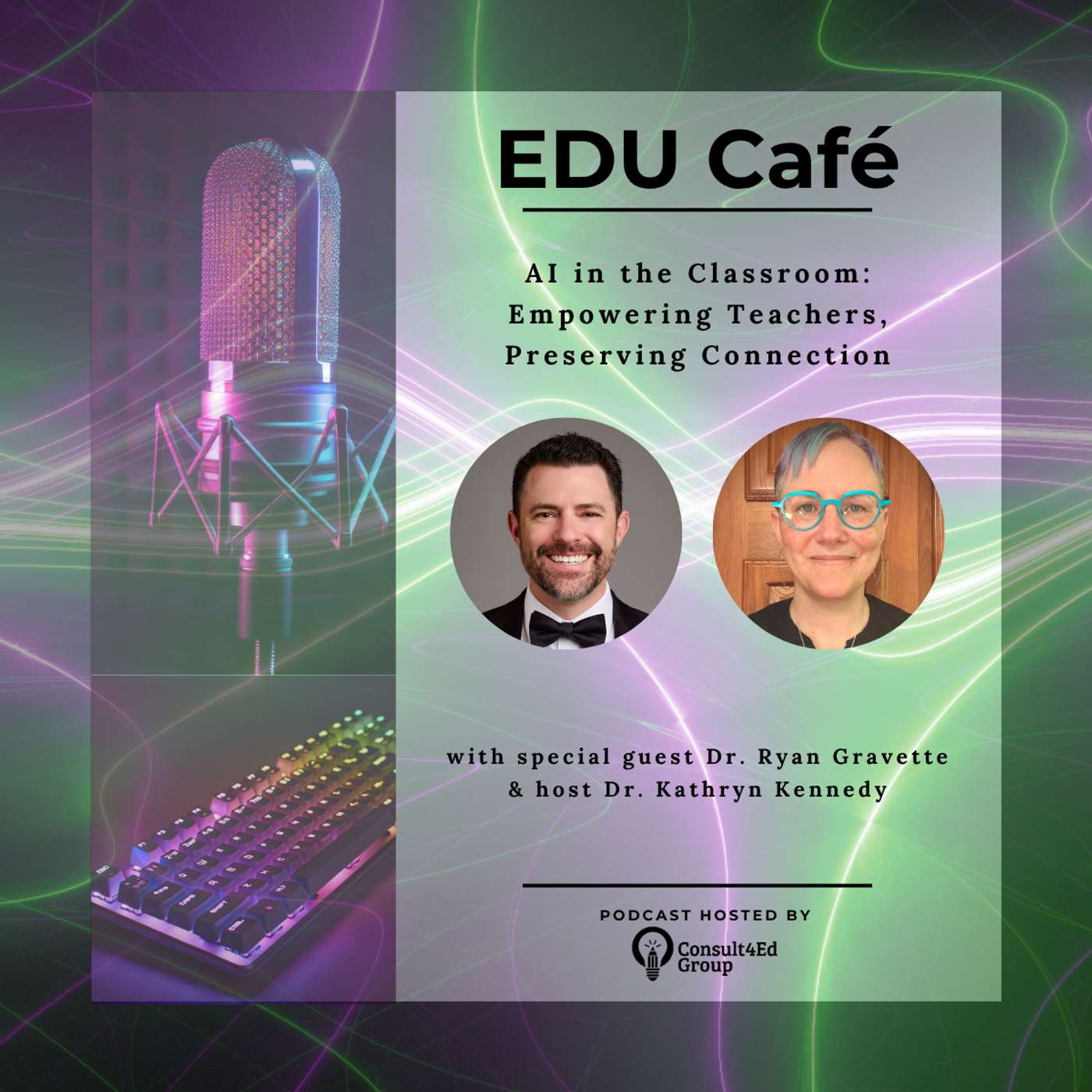
AI in the Classroom: Empowering Teachers, Preserving Connection with Ryan Gravette
🍎 What happens when AI enters the classroom for teachers?In this EDU Café episode, the last of three in his series on AI’s impact, Ryan Gravette of Idaho Digital Learning explores how educators are adopting AI at different levels:Informing – drafting emails, translating parent communications.Augmenting – co-creating rubrics, quizzes, and lesson content.Replacing – grading assignments with AI tools.But Ryan offers a caution: replacing too much risks losing the heart of teaching; the relationship between teacher and student. 💡 He emphasizes that feedback, care, and connection are irreplaceable.So the challenge becomes: 👉 How do we empower teachers to use AI for efficiency while protecting the human connections that drive motivation and learning?This conversation is a timely reminder: AI can support, but it should never replace, the power of a caring educator.
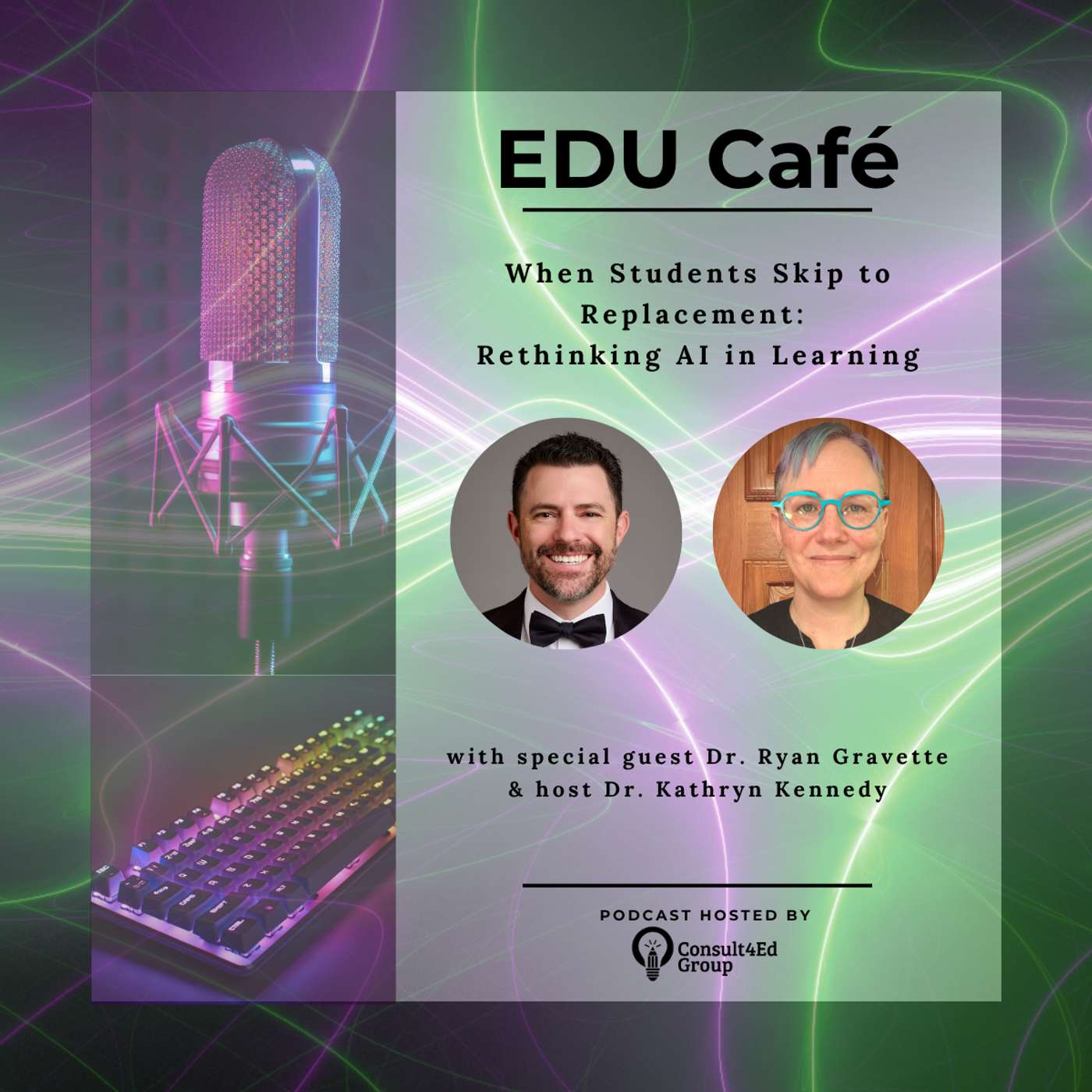
When Students Skip to Replacement: Rethinking AI in Learning with Ryan Gravette
📚 Today’s kindergartners will never know a world without AI.In our EDU Café conversation, the second of three in his series on AI’s impact, Ryan Gravette of Idaho Digital Learning Alliance shares how students are becoming “AI natives” and what that means for learning. He notes that students often skip straight to replacement (using AI to do the work for them) rather than using it to inform or augment their learning.This poses a critical challenge for educators:How do we design assignments that prevent replacement and instead encourage deeper learning?Can AI become a tutor that asks questions, offers hints, and supports students as they learn rather than just giving them the answer?What opportunities exist for AI to open doors to experiences (like interviewing professionals) that students might not otherwise have access to?Ryan challenges us to rethink assessments and instruction so AI strengthens rather than shortcutting student learning.

AI and the Future of Work with Ryan Gravette
🚀 The workforce is changing—fast.In this EDU Café episode, the first of three in his series on AI’s impact, Ryan Gravette of Idaho Digital Learning Alliance breaks down how AI is transforming jobs across industries. He describes three stages we’re seeing:1️⃣ Informing – AI helps us make decisions and work faster. 2️⃣ Augmenting – AI co-creates with us, boosting efficiency and reshaping job roles. 3️⃣ Replacing – Some tasks (and even entire roles) are being fully automated.These shifts raise big questions for leaders and organizations:How do we leverage AI to enhance productivity without eroding jobs?What new skills, such as collaboration and managerial expertise, will become most valuable in this new environment?How do we prepare today’s students for a future where AI is their teammate, not just a tool?🎧 Listen in to hear Ryan’s insights on navigating these shifts









Get this podcast on your phone, Free


Create Your Podcast In Minutes
- Full-featured podcast site
- Unlimited storage and bandwidth
- Comprehensive podcast stats
- Distribute to Apple Podcasts, Spotify, and more
- Make money with your podcast