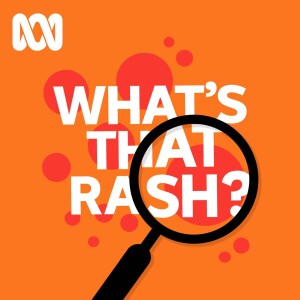
Episode List
What has your nose got to do with sleep?
Have you ever spritzed your pillow with lavender and wondered, is this actually doing anything?There are some surprising ways that smells can affect sleep, and it might have something to do with how our brains work.Norman and Tegan discuss how smells, good and bad, could affect your nightly snooze.References:From antiquity to modern hygiene: the archaeological and medicinal legacy of lavender as a promising antimicrobial agentLavender and sleep: A systematic review of the evidence How Smell Affects Your Sleep – Sleep Foundation Reciprocal relationships between sleep and smell Subjectively intense odor does not affect dream emotions during rapid eye movement sleep Nocturnal exposure to a preferred ambient scent does not affect dream emotionality or post-sleep core affect valence in young adults Olfactory Aversive Conditioning during Sleep Reduces Cigarette-Smoking BehaviorIf you enjoyed this episode, check these out!Is farting a sign your gut microbiome is happy?Is melatonin the answer to a good night's sleep?Is a vibration plate worth the cost? Learn more about your ad choices. Visit megaphone.fm/adchoices
Why do we cry?
Do you feel better after a good cry, or do you feel worse than ever?There can be a lot to cry about, good or bad: a break-up, a milestone, a tragedy, a sappy movie.Norman and Tegan discuss why we evolved to cry, and the purpose it serves as we get older.References:The Riddle of Human Emotional Crying: A Challenge for Emotion ResearchersThe neurobiology of human cryingEmotional expression in human and non-human great apesUltra-processed food intake, cognitive function, and dementia risk: A cross-sectional study of middle-aged and older Australian adultsIf you enjoyed this episode, check these out!Butter vs margarine: what's better for you?How much protein do you REALLY need?Why is yawning contagious? Learn more about your ad choices. Visit megaphone.fm/adchoices
What is ultra-processed food?
You might be hearing a lot about ultra-processed foods, or UPFs, and how we should all be avoiding them.But you might be struggling with figuring out what exactly IS an ultra-processed food. Sweetened drinks, sure. What about bread? Yoghurt?Norman and Tegan unpack why it isn’t a simple question, and where the evidence stands on the health consequences.*A previous version of this episode may have implied that the Food Standards Australia New Zealand (FSANZ) board is comprised of current food industry representatives that are directly involved in setting food policy. This was edited on 12/08/2026. References:Ultra-Processed Foods and Human Health - The Lancet seriesDiet quality and processed foods – Food Standards Australia and New ZealandMost of the Foods We Eat Are Ultra-Processed. Are They All Unhealthy? - Johns Hopkins Bloomberg School of Public HealthTrends of obesity and underweight in older children and adolescents in the United States, Brazil, China, and RussiaUltra-processed products are becoming dominant in the global food systemThe UN Decade of Nutrition, the NOVA food classification and the trouble with ultra-processingUltra-processed food exposure and adverse health outcomes: umbrella review of epidemiological meta-analysesUltra-Processed Diets Cause Excess Calorie Intake and Weight Gain: An Inpatient Randomized Controlled Trial of Ad Libitum Food IntakeThe collapse of the food matrix: how ultra-processed foods impact satiety and metabolism by altering physical structure beyond nutrient composition If you enjoyed this episode, check these out!Is gluten really the enemy?Why is everyone suddenly talking about seed oils?Why Norman won't shut up about the Mediterranean diet Learn more about your ad choices. Visit megaphone.fm/adchoices
Body hair removal: healthy or not?
The modification and removal of body hair has been going on for centuries, but our reasons for it have evolved.Some believe it’s more hygienic to remove, others argue it’s against our nature to be so hairless.Norman and Tegan trim the evidence on body hair: leg, armpit, pubic and even inside your nose.References:Trends in body hair removal as depicted through artGetting plucked: the history of hair removal - ABCEffects of pubic hair grooming on women’s sexual health: a systematic review and meta-analysisBare necessity? Public health implications of removing pubic hairEffect of Physical and Chemical Hair Removal Methods on Skin Barrier Function in vitro: Consequences for a Hydrophilic Model PermeantUsing the Hair Removal Laser in the Axillary Region and its Effect on Normal Microbial FloraShaving of axillary hair has only a transient effect on perceived body odor pleasantnessCadaver research leads to prestigious science award - the Science ShowDoes nasal hair (vibrissae) density affect the risk of developing asthma in patients with seasonal rhinitis?6 ways to remove unwanted hair - American Association of DermatologyIf you enjoyed this episode, check these out!Do the benefits of creatine go beyond the gym?Does magnesium work against muscle cramps?Which hair loss treatments actually work? Learn more about your ad choices. Visit megaphone.fm/adchoices
Ashwagandha: what's the evidence?
Ashwagandha supplements are rising in popularity, but the herb has been used for hundreds of years in Ayurvedic medicine.The supposed benefits are broad – from stress to sleep, athletic performance and boosting testosterone.Norman and Tegan explore where the evidence stands, and uncertainties about potential risks.References:An Overview on Ashwagandha: A Rasayana (Rejuvenator) of AyurvedaChemical composition, cytotoxic and pro-inflammatory enzyme inhibitory properties of Withania somnifera (L.) Dunal root extractsChemical Composition, Biological Activity, and Health-Promoting Effects of Withania somnifera for Pharma-Food Industry ApplicationsClinical and Research Information on Drug-Induced Liver InjuryAshwagandha: Is it helpful for stress, anxiety, or sleep?Exploring the efficacy and safety of a novel standardized ashwagandha (Withania somnifera) root extract in adults experiencing high stress and fatigue in a randomized, double-blind, placebo-controlled trialA Randomized, Double-Blind, Placebo-Controlled, Crossover Study Examining the Hormonal and Vitality Effects of Ashwagandha (Withania somnifera) in Aging, Overweight MalesIf you enjoyed this episode, check these out!Vitamin C: can it cure colds and cancer?No-poo: why do we shampoo our hair?Do healthy people need lymphatic treatments? Learn more about your ad choices. Visit megaphone.fm/adchoices



Get this podcast on your phone, Free


Create Your Podcast In Minutes
- Full-featured podcast site
- Unlimited storage and bandwidth
- Comprehensive podcast stats
- Distribute to Apple Podcasts, Spotify, and more
- Make money with your podcast
