Episode List

The questions Jason Arday's life and death raise for academia
Sociology professor Jason Arday was lauded as the youngest-ever Black professor appointed at the University of Cambridge in 2023. But since landing that position, he’d been, according to his family, “subjected to a campaign of sustained abuse,” stemming from scrutiny about his work and record.Arday faced growing accusations of plagiarism and fraud, was found dead in London on August 14th, just days after he resigned from Cambridge. His death is raising new questions about how fairly Black academics are elevated and criticized in comparison to their peers. In this episode, we explore those questions with University of Southern California Professor Shaun Harper, whose research focuses on race, gender, and equity in education and other spheres. For sponsor-free episodes of Consider This, sign up for Consider This+ via Apple Podcasts or at plus.npr.org. Email us at considerthis@npr.org. This episode was produced by Michelle Aslam and Jeffrey Pierre, with audio engineering by Robert Rodriguez. Our director is Alejandra Marquez Janse.It was edited by Christopher Intagliata and Ashley Brown. Our interim executive producer is Courtney Dorning.See pcm.adswizz.com for information about our collection and use of personal data for sponsorship and to manage your podcast sponsorship preferences.NPR Privacy Policy

After the fall of the Orbán regime, can Hungary mend its damaged democracy?
Former Prime Minister Viktor Orbán ruled Hungary with an iron fist for 16 years. After he was unseated in a landslide election last April, many Hungarians wonder if the new government led by Peter Magyar can mend the deeply damaged democracy. This episode was produced and edited by Michael Levitt.Our interim executive producer is Courtney Dorning.For sponsor-free episodes of Consider This, sign up for Consider This+ via Apple Podcasts or at plus.npr.org. Email us at considerthis@npr.org.Support public media with NPR+ and enjoy perks for over 25 podcasts like this one. This show’s perks include bonus episodes and sponsor-free listening. Learn more at plus.npr.org.See pcm.adswizz.com for information about our collection and use of personal data for sponsorship and to manage your podcast sponsorship preferences.NPR Privacy Policy

President Trump is changing norms of transparency. How are lawmakers responding?
This week, President Trump made headlines when he confirmed he was secretly removed from Air Force One in Turkey last month, following a credible threat from Iran.The confirmation came days after The Washington Post reported on an elaborate ruse to keep the president safe.This is just one of the quiet ways the Trump admin has tried to evade scrutiny. Are lawmakers doing anything to address it?This episode was produced by Mia Venkat and Jordan-Marie Smith, with audio engineering by Damian Herring. Our director is Jonas Adams.It was edited by Kelsey Snell, Sarah Handel and Tinbete Ermyas.Our interim executive producer is Courtney Dorning.Support public media with NPR+ and enjoy perks for over 25 podcasts like this one. This show’s perks include bonus episodes and sponsor-free listening. Learn more at plus.npr.org.See pcm.adswizz.com for information about our collection and use of personal data for sponsorship and to manage your podcast sponsorship preferences.NPR Privacy Policy

Reported conditions on the USS Abraham Lincoln are concerning. What can lawmakers do?
This week, news broke that conditions aboard the USS Abraham Lincoln have deteriorated.MS Now and other outlets have reported that service members have jumped overboard.NPR has not independently verified this reporting. Congressional lawmakers are demanding answers about conditions on the naval carrier, but is there more they can do?This episode was produced by Lauren Hodges, with audio engineering by Ted Mebane. It was edited by Andrew Sussman and Tinbete Ermyas.Our director is Jonas Adams. Our interim executive producer is Courtney Dorning.Support public media with NPR+ and enjoy perks for over 25 podcasts like this one. This show’s perks include bonus episodes and sponsor-free listening. Learn more at plus.npr.org.See pcm.adswizz.com for information about our collection and use of personal data for sponsorship and to manage your podcast sponsorship preferences.NPR Privacy Policy
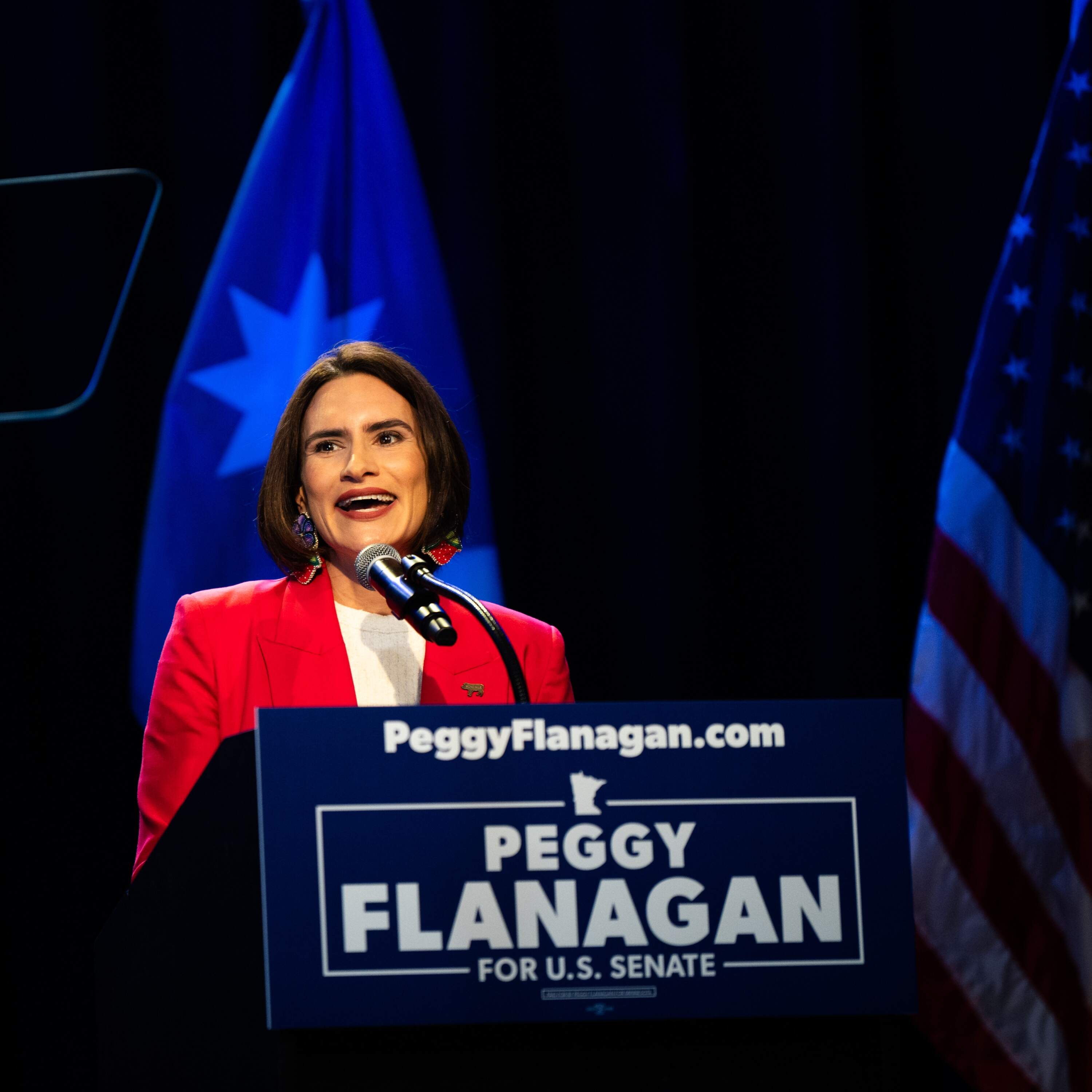
Democrats want to take back Congress. Did Tuesday’s primaries reveal a path forward?
Voters in half a dozen states went to the polls on Tuesday.For Democrats – who hope to win back Congress in the fall – it was a night of mixed messages about which direction the party should embrace.Did Tuesday's results hint at which path the Democrats may take?This episode was produced by Linah Mohammad and Kathryn Fink, with audio engineering by Ted Mebane. It was edited by Patrick Jarenwattananon and Tinbete Ermyas.Our director is Jonas Adams.And our interim executive producer is Courtney Dorning.Support public media with NPR+ and enjoy perks for over 25 podcasts like this one. This show’s perks include bonus episodes and sponsor-free listening. Learn more at plus.npr.org.See pcm.adswizz.com for information about our collection and use of personal data for sponsorship and to manage your podcast sponsorship preferences.NPR Privacy Policy





Get this podcast on your phone, Free


Create Your Podcast In Minutes
- Full-featured podcast site
- Unlimited storage and bandwidth
- Comprehensive podcast stats
- Distribute to Apple Podcasts, Spotify, and more
- Make money with your podcast
