
Episode List

Glenmark Chief on Cracking the Multi-Specific Code
Glenmark Chairman and Managing Director Glen Saldanha joins Vikas Dandekar and Rica Bhattacharyya to discuss the company’s 25-year innovation bet, and why it’s finally paying off. At the center is ISB2001, a tri-specific antibody partnered with AbbVie, born out of Glenmark’s IGI platform after fifteen years of R&D. Saldanha talks through the platform’s pipeline, why Glenmark stays out of ADCs and CAR-T, how it’s building “Glenmark 3.0” across oncology, dermatology and respiratory, and why he still rates the US well ahead of China on innovation. The conversation also covers India’s licensing deals with Chinese biotechs, AI in drug discovery, and the GLP-1 market. Listen in You can follow Vikas Dandekar on his social media: X or Linkedin and Rica Bhattacharyya on her X and LinkedinCheck out other interesting episodes like:ET Deep Dive: Swipe Left on Reality,India wants manufacturing at 25% of GDP — will AI in factories help?, Tanay Kothari Wants To Kill The Keyboard, From Doer to Director: The LinkedIn Playbook for the AI Agea, Semaglutide Goes Generic: Big Pharma’s Moat Breaks and much more. Catch the latest episode of ‘The Morning Brief’ on The Economic Times Online, Spotify, Apple Podcasts, JioSaavn, Amazon Music and Youtube.See omnystudio.com/listener for privacy information.
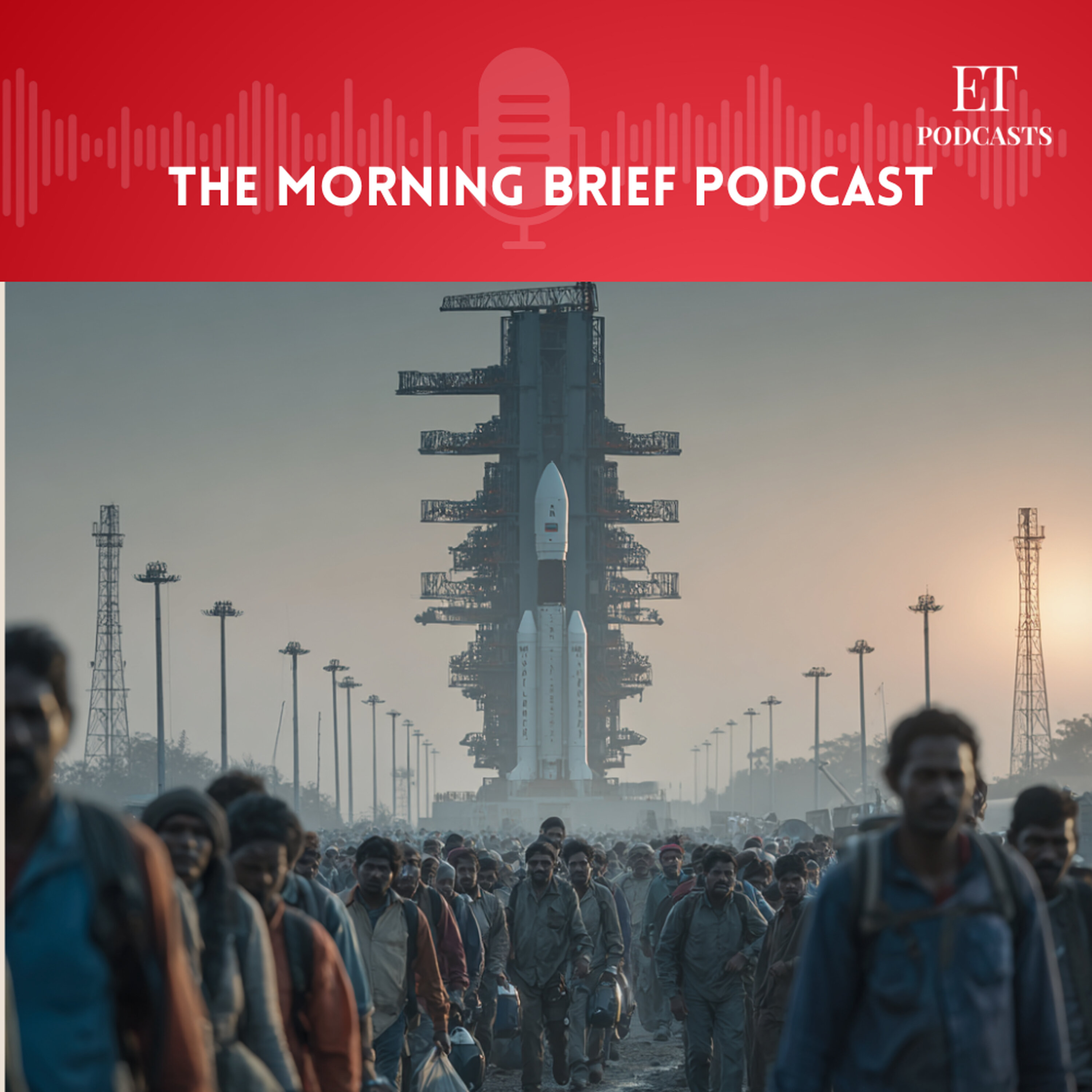
ISRO's Exodus: Space Crisis, Staff Crisis
ISRO is losing people faster than it can hire them. Around 100 scientists and engineers have resigned or taken voluntary retirement recently, with the bulk of the exits from URSC, ISRO's satellite hub, and VSSC, its rocket-making centre. More worryingly, the agency's on-roll strength is now lower than it was in 2001-02, even as its workload has multiplied with Gaganyaan, Chandrayaan-4 and-5, and Venus and Mars missions on the table. TOI's Chethan Kumar, who broke both stories, joins Anirban Chowdhury to unpack what's really driving the attrition, why the private space boom is only part of the story, and what it means for India's space ambitions.You can follow Anirban Chowdhury on his social media: X and LinkedinCheck out other interesting episodes like:ET Deep Dive: Swipe Left on Reality,India wants manufacturing at 25% of GDP — will AI in factories help?, Tanay Kothari Wants To Kill The Keyboard, From Doer to Director: The LinkedIn Playbook for the AI Agea, Semaglutide Goes Generic: Big Pharma’s Moat Breaks and much more. Catch the latest episode of ‘The Morning Brief’ on The Economic Times Online, Spotify, Apple Podcasts, JioSaavn, Amazon Music and Youtube.See omnystudio.com/listener for privacy information.
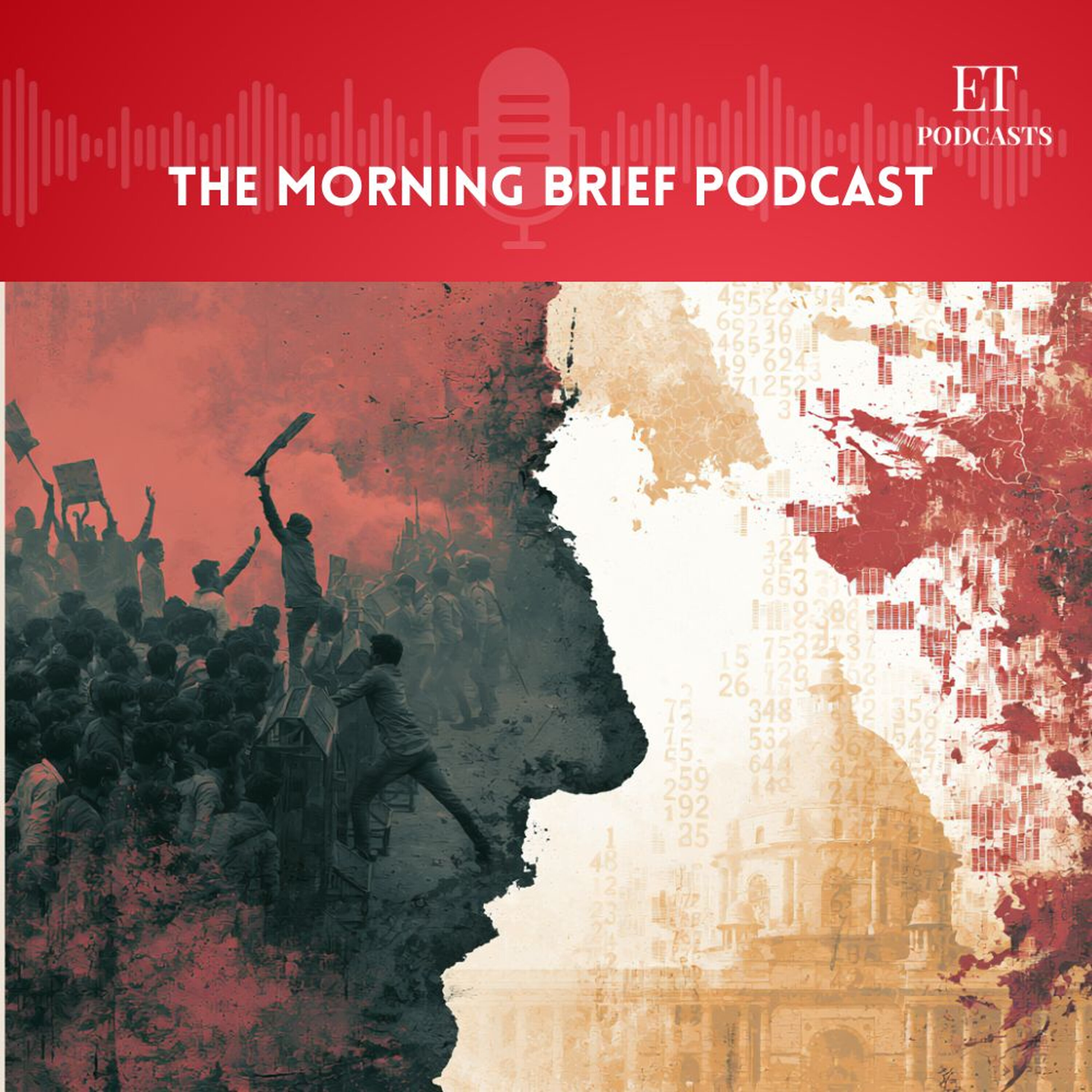
Of Movements And Math
On the first day of Parliament’s Monsoon Session, two very different upheavals converged in Delhi. Outside Parliament, young protesters demanding accountability over examination failures faced barricades, detentions and police force. Inside the political establishment, the BJP was pursuing a quieter but equally consequential project: building the numbers needed to reshape India’s constitutional and electoral future. One conflict is being fought through slogans, crowds and public anger. The other through alliances, arithmetic and long-term strategy. Anirban Chowdhury speaks to Jatin Takkar and Pratishtha Bagai to examine the pressures confronting the government and ask whether India’s future will be shaped by the unrest on its streets or the numbers inside Parliament. You can follow Anirban Chowdhury on his social media: X and LinkedinCatch the latest episode of ‘The Morning Brief’ on The Economic Times Online, Spotify, Apple Podcasts, JioSaavn, Amazon Music and Youtube.See omnystudio.com/listener for privacy information.
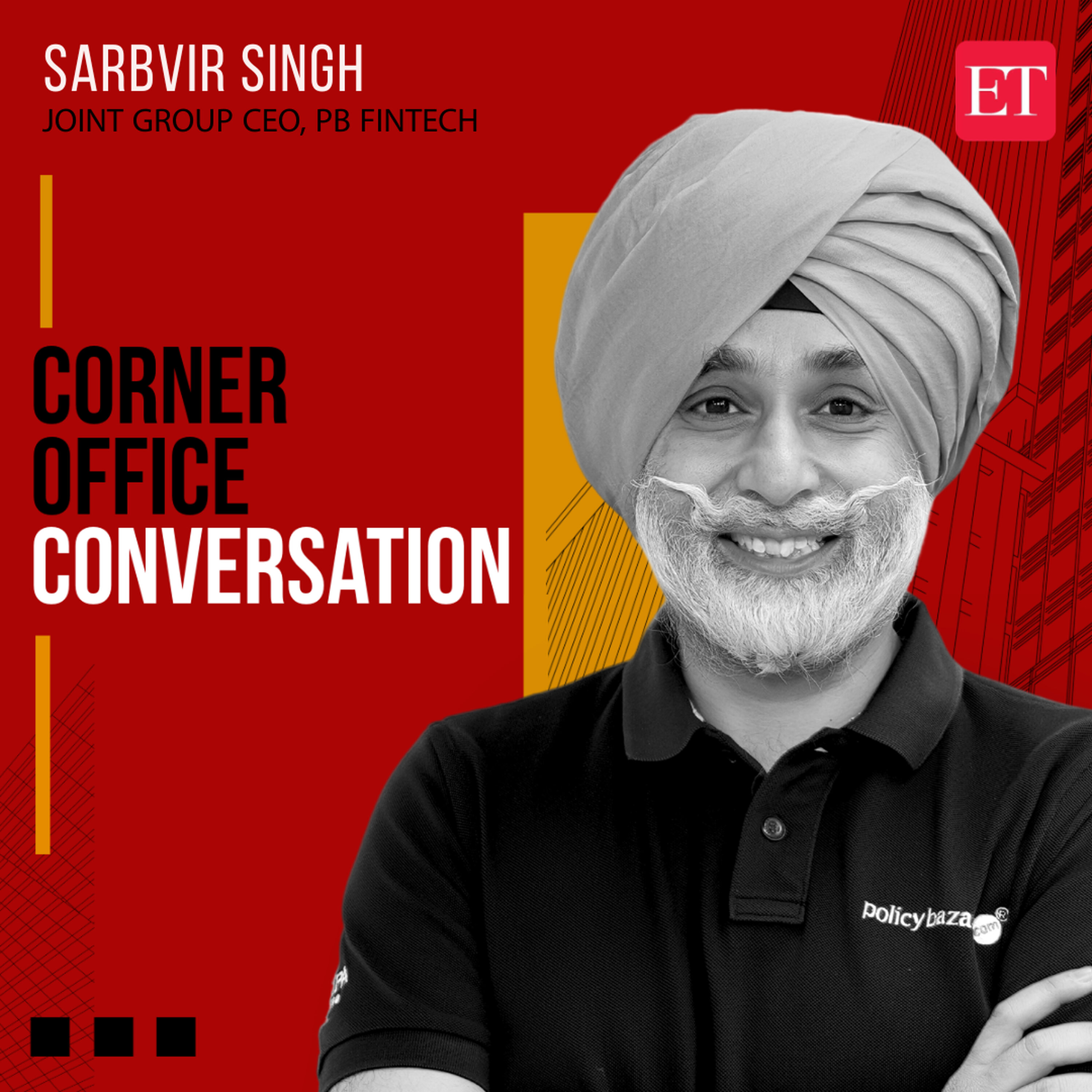
The Future of Insurance in India | Sarbvir Singh of PB Fintech
India’s insurance industry is changing faster than ever. New regulations, 100% FDI, AI-powered underwriting, rising medical inflation and Policybazaar’s expansion into healthcare through PB Health are reshaping how Indians will buy—and use—insurance. In this episode of The Morning Brief, ET’s Anirban Chowdhury speaks with Sarbvir Singh, Joint Group CEO of PB Fintech, on why India remains underinsured, how health insurance is evolving, whether claims can become less painful, the future of retirement planning, and the biggest reforms set to transform the sector over the next five yearsSee omnystudio.com/listener for privacy information.
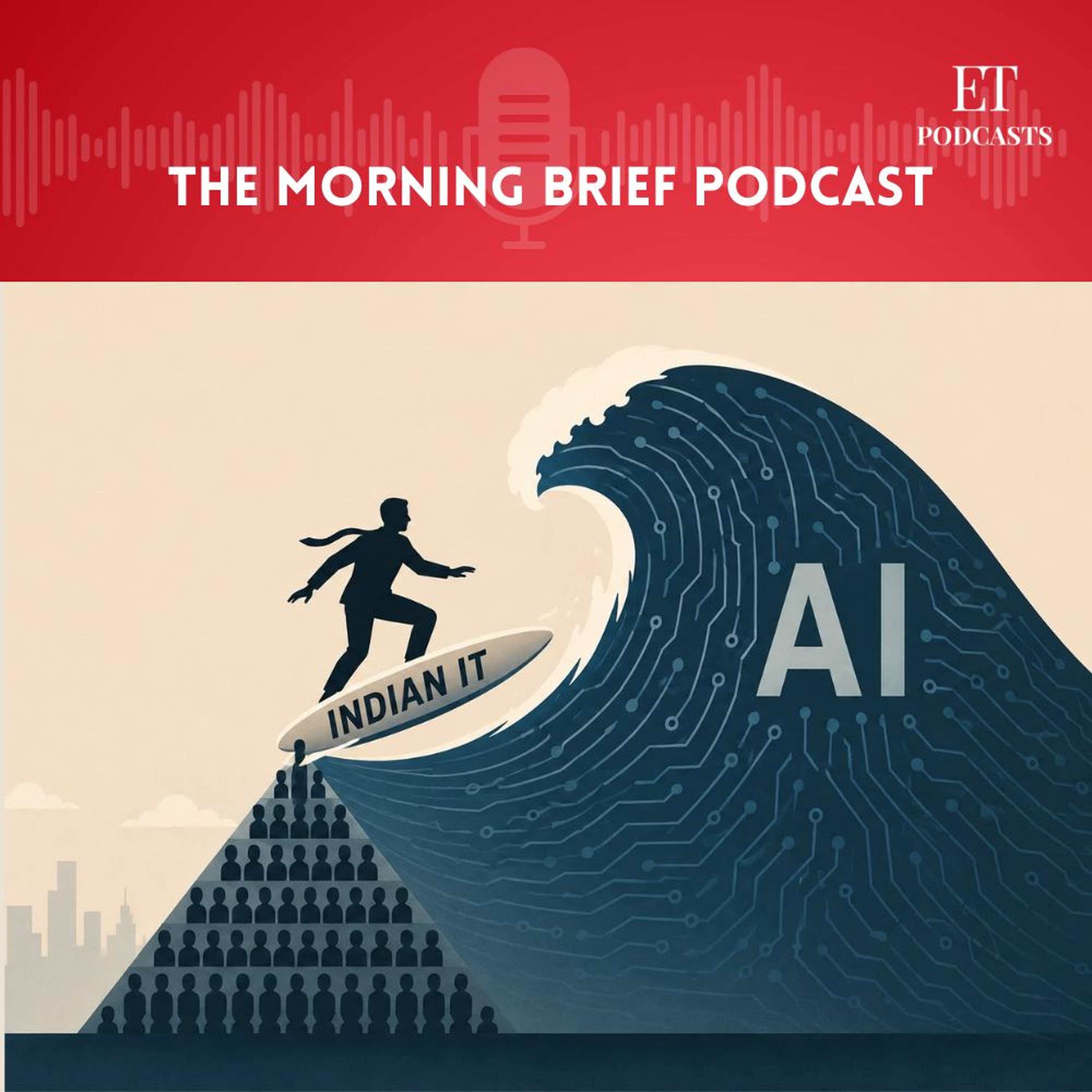
ET Deep Dive: The Pyramid Problem: Why AI Is Breaking Indian IT’s Winning Formula
Indian IT built its empire on one formula: throw armies of low-cost engineers at repeatable work, and scale relentlessly. That formula survived Y2K, the dot-com crash, and cloud computing. But AI attacks the model’s foundation itself — the cheap, standardized labor that made the industry’s pyramid structure work. In this episode, we trace how Indian IT industrialized itself, why its biggest strength is now becoming a liability, and what happens when top AI talent refuses to work inside rigid, hierarchical systems. We hear from industry analysts and former CEOs on whether IT giants can rebuild their culture fast enough — or whether this disruption is one wave they can’t ride out. Jochelle Mendonca reports, Anirban Chowdhury narrates for audio.See omnystudio.com/listener for privacy information.






Get this podcast on your phone, Free


Create Your Podcast In Minutes
- Full-featured podcast site
- Unlimited storage and bandwidth
- Comprehensive podcast stats
- Distribute to Apple Podcasts, Spotify, and more
- Make money with your podcast
