Episode List
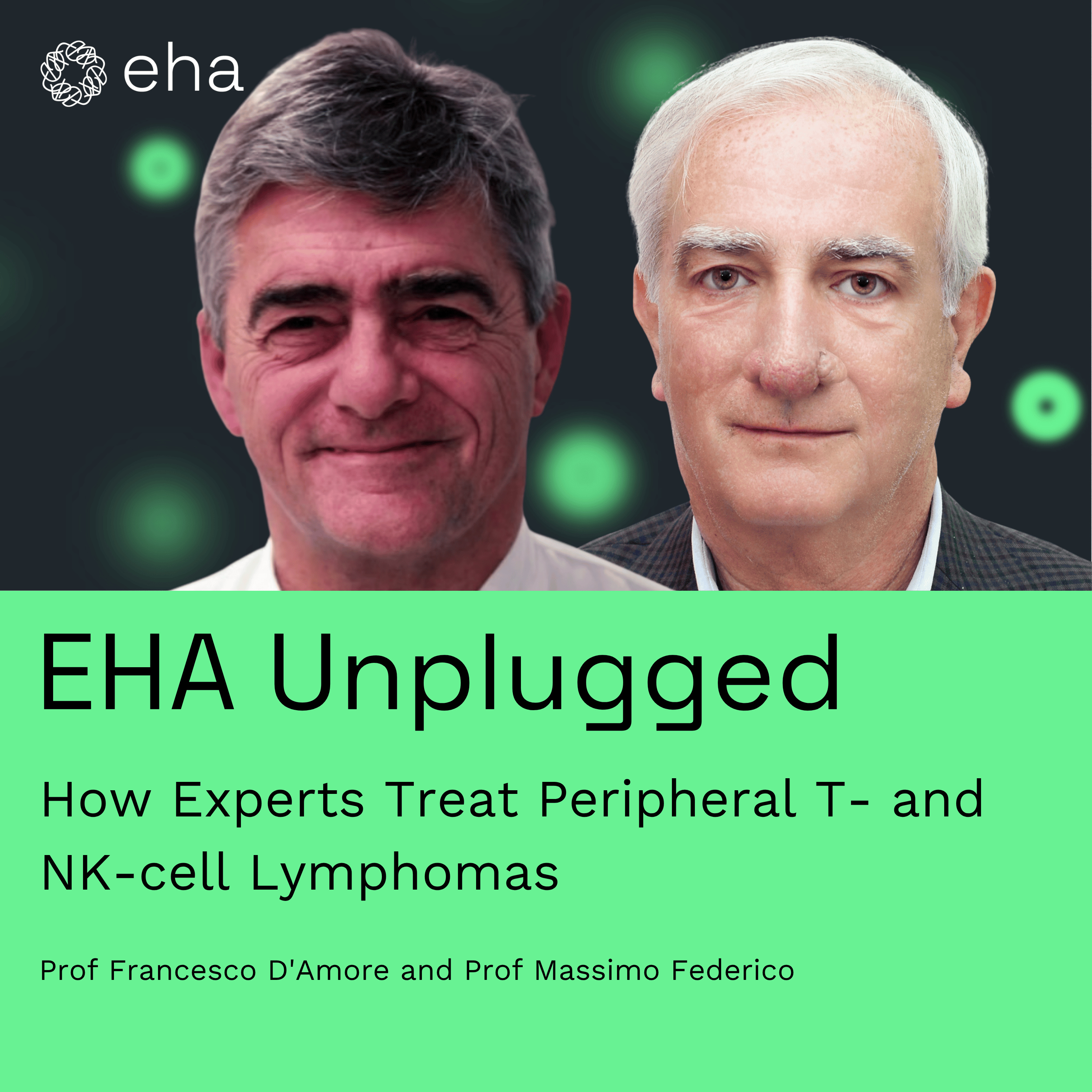
How Experts Treat Peripheral T- and NK-cell Lymphomas
Get up to date with the latest ESMO-EHA guideline for Peripheral T- and natural killer-cell lymphomas (Peripheral T‐ and natural killer‐cell lymphomas: ESMO‐EHA Clinical Practice Guideline for diagnosis, treatment, and follow‐up - d'Amore - 2025 - HemaSphere - Wiley Online Library) Prof Francesco D'Amore (Aarhus University, Denmark) and Prof Massimo Federico (University of Modena and Reggio Emilia, Italy). In this episode, two key authors of the guidelines walk us through the recommendations for these rare, biologically diverse, and often aggressive- peripheral T cell and NK cell lymphomas. Our guests explain the conscious effort of the guidelines panel to provide evidence based detailed recommendations for each subtype of PTCLs to improve diagnosis, treatment, and follow up. The emphasis is on moving away from “one size fits all” DLBCL style approach toward entity- adapted strategies. Throughout the conversation, they stress the need to read the full guideline – including the supplementary material – and the importance of a multidisciplinary approach by experienced hematopathologists, ideally in expert or reference centres to give patients the best chance of appropriate, modern therapy.GuestS: Prof Francesco D'Amore and Prof Massimo Federico. Professor Francesco D'Amore is a Clinical Professor and Chair of the Department of Hematology at Aarhus University in Denmark Professor Massimo Federico is a Senior Professor of Medical Oncology at the University of Modena and Reggio Emilia in ItalyHost: Isabel Olivera Martinez, PhDLearn MoreWhat did you think of this podcast? Share your opinions with us in this short feedback survey.Provide FeedbackWould you like to explore more eLearning or podcasts? Please visit the EHA Campus.https://ehaedu.org/CampusSubscribe, share, and review this podcast to be able to address topics you enjoy and like to listen to.Follow EHA on Instagram: https://www.instagram.com/EHA_Hematology/Facebook: https://e-h-a.link/facebookLinkedIn: https://www.linkedin.com/company/eha/Email us: education@ehaweb.orgSubscribe to receive the EHA Educational Updates via https://eha.news/subscribe
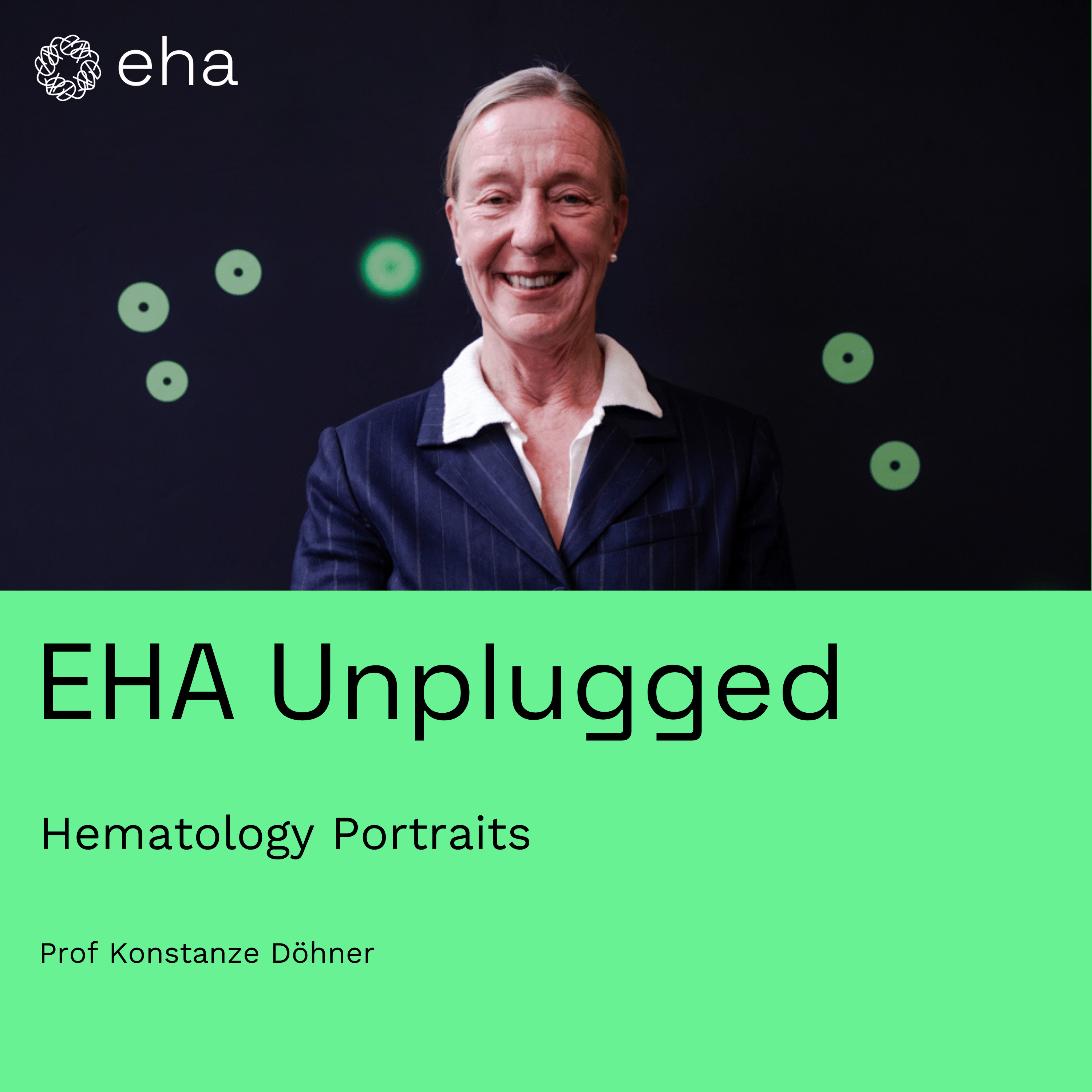
Hematology Portraits: Prof Konstanze Döhner
Join EHA President Prof Konstanze Döhner from University Hospital Ulm in Germany as she discusses her deep interest in hematology, both in research and in the clinics. Listen as Prof. Döhner shares why she decided to focus on Acute Myeloid Leukemia (AML) and myeloproliferative neoplasms (MPNs) in her career as a medical doctor, a researcher and a educator. Tune in to hear Prof. Döhner describe her journey to becoming the EHA president and her reflections on the current challenges in the hematology field and the solutions she proposes to address those. Guest: Prof Konstanze Döhner, University Hospital Ulm, Germany Host: Isabel Olivera Martinez, PhDLearn MoreWhat did you think of this podcast? Share your opinions with us in this short feedback survey.Provide FeedbackWould you like to explore more eLearning or podcasts? Please visit the EHA Campus.https://ehaedu.org/CampusSubscribe, share, and review this podcast to be able to address topics you enjoy and like to listen to.Follow EHA on Instagram: https://www.instagram.com/EHA_Hematology/Facebook: https://e-h-a.link/facebookLinkedIn: https://www.linkedin.com/company/eha/Email us: education@ehaweb.orgSubscribe to receive the EHA Educational Updates via https://eha.news/subscribe
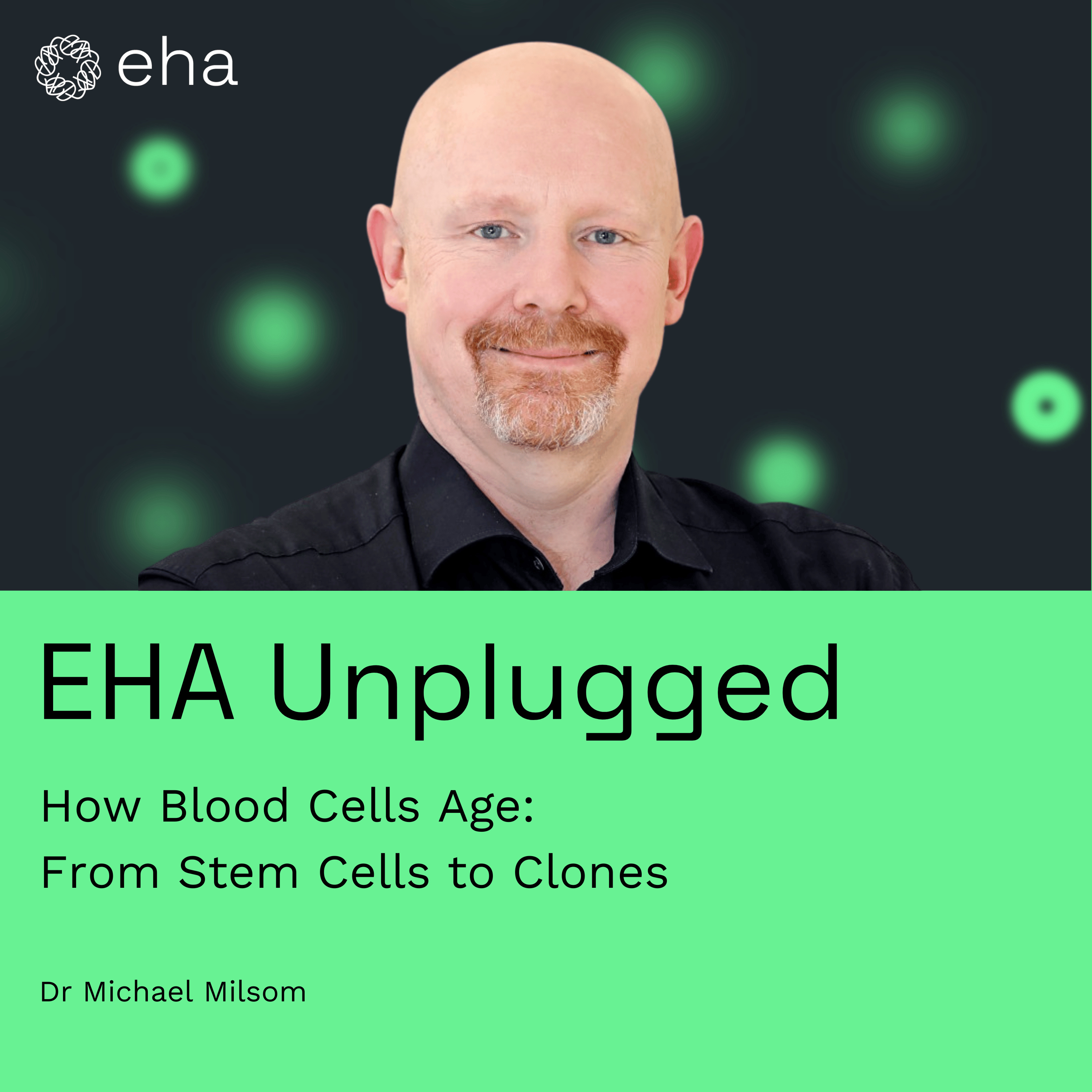
How Blood Cells Age: From Stem Cells to Clones (with Dr Michael Milsom)
In this episode, Dr Michael Milsom discusses how thehematopoietic system aging is a complex process with multiple causes. Dr Milsom proposes a more holistic view of the driving mechanisms of hematopoietic andimmune aging that does not focus solely on HSCs. He describes how inflammation‑driven stem cell activation and proliferation cause functional attrition and clonalselection of HSCs, contributing to clonal hematopoiesis.Learn about the mechanisms of blood cells aging andpotential interventions to slow down the process.Guest: Dr Michael MilsomHead of the Division of Experimental Hematology at the German Cancer Research Center, (DKFZ), and group leader at the Heidelberg Institute for Stem Cell Technology and Experimental Medicine (HI‑STEM), Heidelberg, GermanyHost: Isabel Olivera Martinez, PhDLearn MoreWhat did you think of this podcast? Share your opinions with us in this short feedback survey.Provide FeedbackWould you like to explore more eLearning or podcasts? Please visit the EHA Campus.https://ehaedu.org/CampusSubscribe, share, and review this podcast to be able to address topics you enjoy and like to listen to.Follow EHA on Instagram: https://www.instagram.com/EHA_Hematology/Facebook: https://e-h-a.link/facebookLinkedIn: https://www.linkedin.com/company/eha/Email us: education@ehaweb.orgSubscribe to receive the EHA Educational Updates via https://eha.news/subscribe
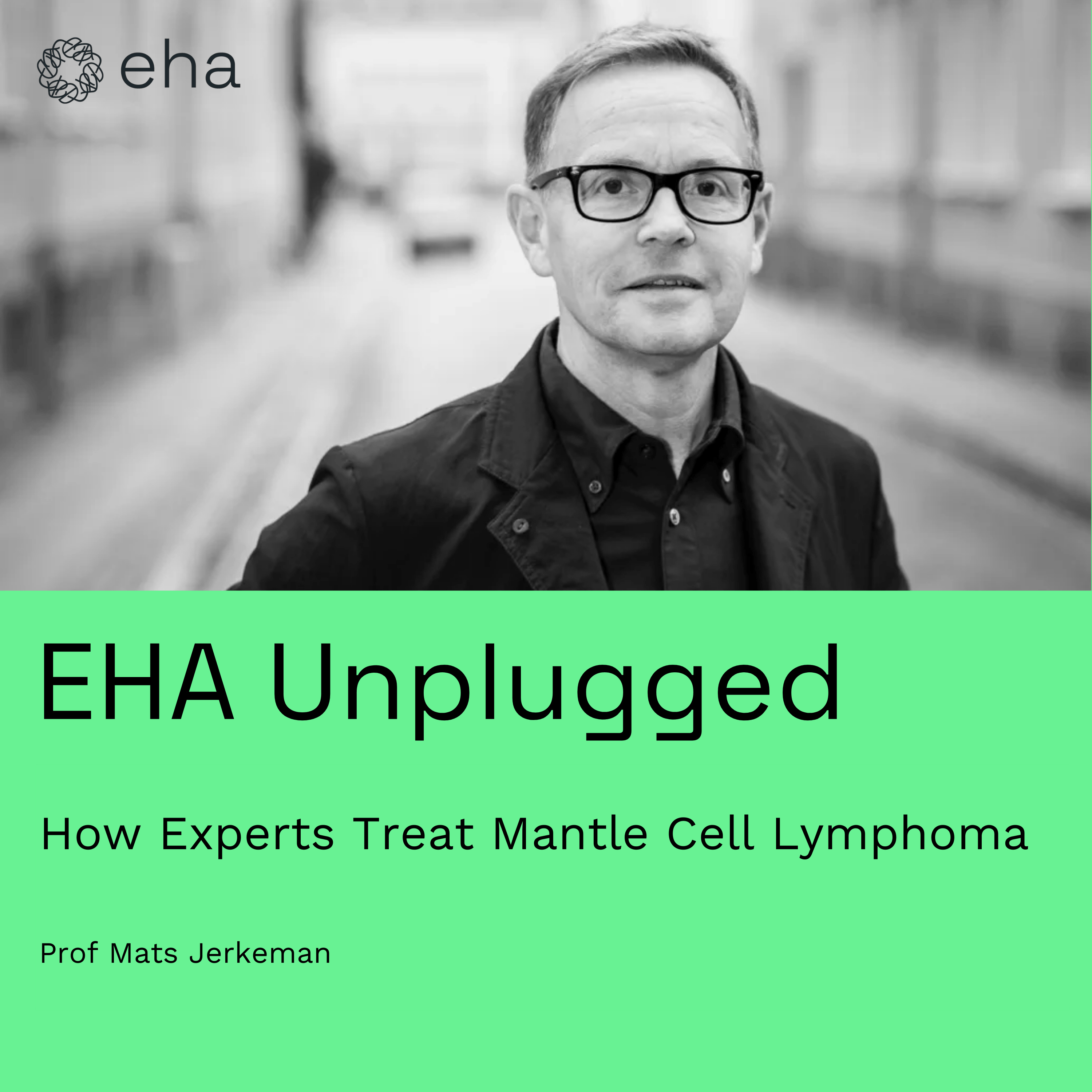
How Experts Treat Mantle Cell Lymphoma (with Prof Mats Jerkeman)
Get up to date with the latest EHA-EU guideline for Mantle Cell Lymphoma (EHA–EU MCL network guidelines for diagnosis and treatment of mantle cell lymphoma - Jerkeman - 2025 - HemaSphere - Wiley Online Library) with Prof Mats Jerkeman (Lund University, Sweden). In this episode, he explains how biological risk factors, particularly TP53 mutations and proliferation rate, inform patient stratification. He reviews evolving treatment sequencing, including the expanding role of BTK inhibitors (such as ibrutinib) in first-line regimens. He further discusses the management relapsed/refractory MCL, where BTK inhibitors and CAR T-cell therapy have largely supplanted but not fully replaced allogeneic transplantation. Throughout the conversation, Prof Jerkeman emphasizes the dynamic evolution of MCL treatment and the need for ongoing guideline updates as new evidence emerges. Link to the guideline: (EHA–EU MCL network guidelines for diagnosis and treatment of mantle cell lymphoma - Jerkeman - 2025 - HemaSphere - Wiley Online Library) Link to Lund University: Mats Jerkeman - Lund University Home | Lund University Learn MoreInterested in more content related to CART? We've got you covered. Check out free CART program on EHA Campus.What did you think of this podcast? Share your opinions with us in this short feedback survey.Provide FeedbackWould you like to explore more eLearning or podcasts? Please visit the EHA Campus.https://ehaedu.org/CampusSubscribe, share, and review this podcast to be able to address topics you enjoy and like to listen to.Follow EHA on Instagram: https://www.instagram.com/EHA_Hematology/Facebook: https://e-h-a.link/facebookLinkedIn: https://www.linkedin.com/company/eha/Email us: education@ehaweb.orgSubscribe to receive the EHA Educational Updates via https://eha.news/subscribe
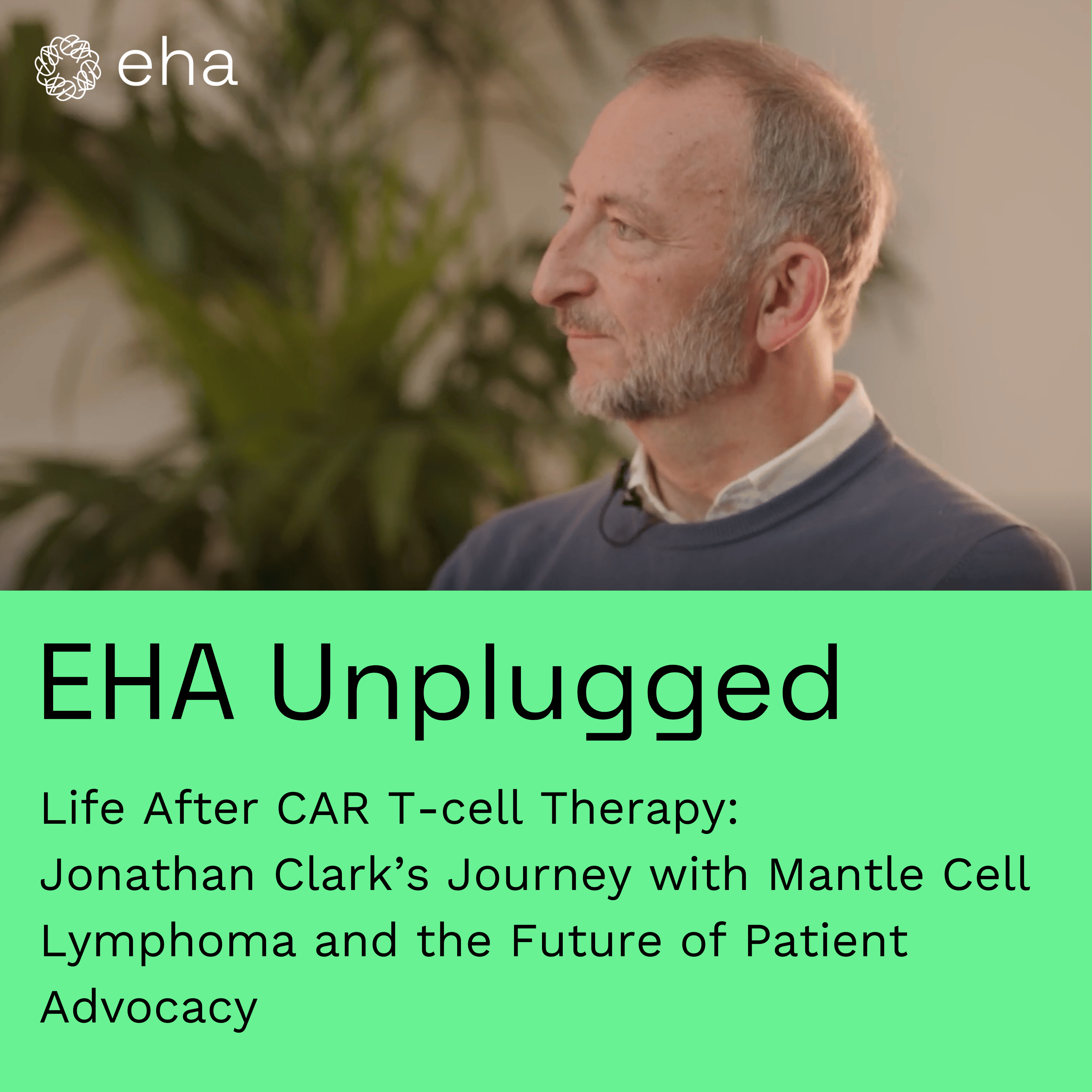
Life After CAR T-cell Therapy: Jonathan Clark’s Journey with Mantle Cell Lymphoma and the Future of Patient Advocacy
[This is a Rerelease. Episode first published on July 19, 2024.]Join us for a conversation with Jonathan Clark, a patient advocate who has been in remission for over five years after receiving CAR T-cell therapy for Mantle Cell Lymphoma. Jonathan shares his journey from relapse to recovery, detailing the challenges and triumphs of this cutting-edge treatment from a patient’s perspective. With host Dr. Sarah de Vlieger, they discuss his motivation for sharing his story and the profound physical and psychological impacts of long-term remission. Jonathan also talks about managing long-term side effects like immunodeficiencies and how apparently small changes can significantly improve quality of life. He emphasizes the importance of understanding the patient's perspective, advocating for quality of life improvements, and the need for personalized care that goes beyond medical statistics. Jonathan highlights the global disparities in accessing advanced treatments like CAR T-cell therapy and concludes with a call to prioritize quality of life in treatment decisions. Host: Dr Sarah de VliegerGuest: Jonathan ClarkThis episode is part of a series recorded at the joint EHA-EBMT 6th European CAR T-cell meeting in Valencia in February 2024.Learn MoreInterested in more content related to CART? We've got you covered. Check out free CART program on EHA Campus.What did you think of this podcast? Share your opinions with us in this short feedback survey.Provide FeedbackWould you like to explore more eLearning or podcasts? Please visit the EHA Campus.https://ehaedu.org/CampusSubscribe, share, and review this podcast to be able to address topics you enjoy and like to listen to.Follow EHA on Instagram: https://www.instagram.com/EHA_Hematology/Facebook: https://e-h-a.link/facebookLinkedIn: https://www.linkedin.com/company/eha/Email us: education@ehaweb.orgSubscribe to receive the EHA Educational Updates via https://eha.news/subscribe
You may also like



Get this podcast on your phone, Free


Create Your Podcast In Minutes
- Full-featured podcast site
- Unlimited storage and bandwidth
- Comprehensive podcast stats
- Distribute to Apple Podcasts, Spotify, and more
- Make money with your podcast