Core IM | Internal Medicine Podcast
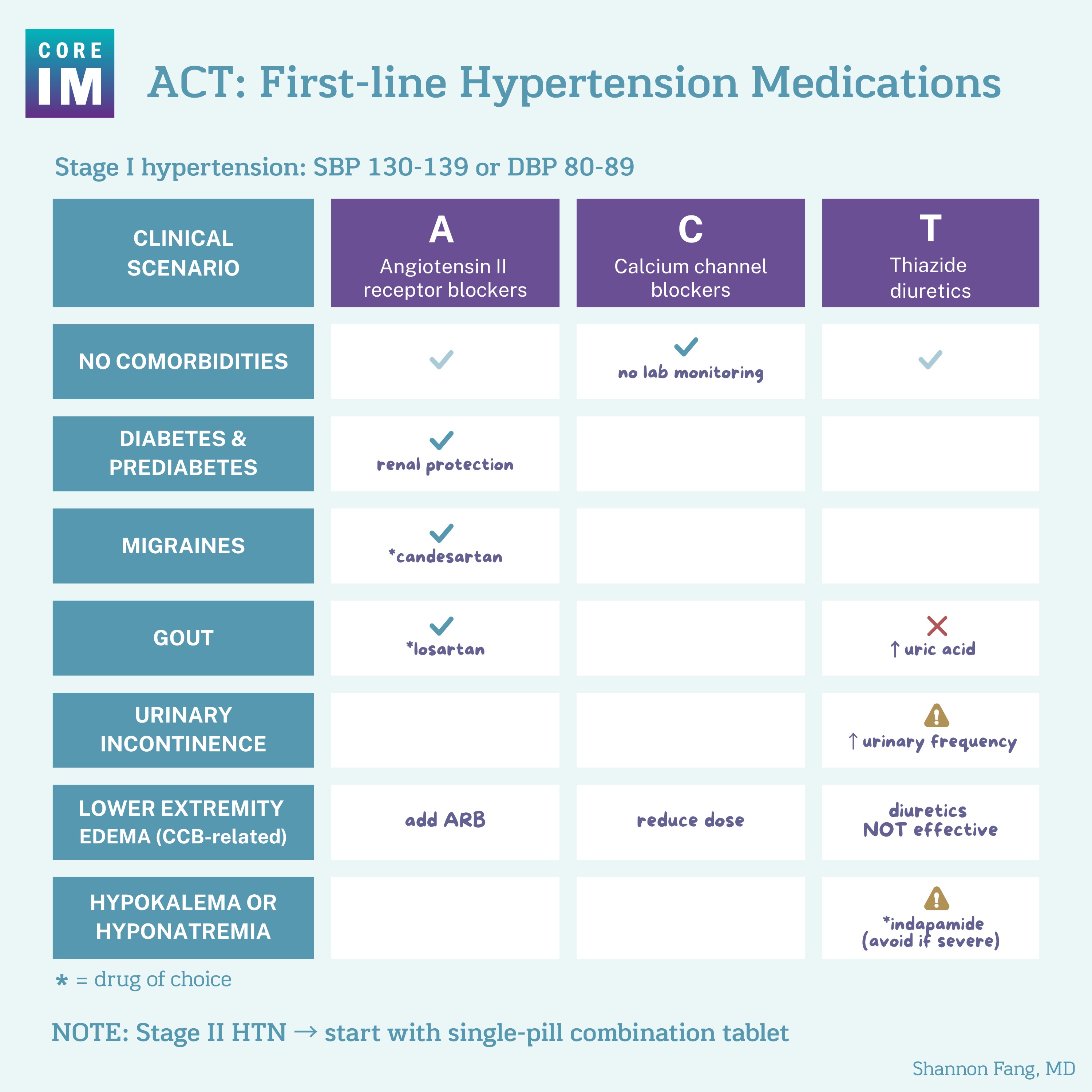
#213 Hypertension First-Line Medications Troubleshooting | Bread & Butter Series
2026-07-28
Why can lower-dose combinations be more effective and better tolerated than maximizing one medication? How to troubleshoot common challenges such as amlodipine edema, gout, electrolyte abnormalities, and the patient who says they cannot tolerate anything? Why ACT (ARBs, Calcium Channel Blockers, Thiazides) is the preferred first-line framework, and how to personalize medication choices based on comorbidities and side effects.🔹Sponsor: Oakstone CMEUse the code "CORE325" for 25...
View more
Comments (3)
More Episodes
All Episodes>>You may also like









Get this podcast on your phone, Free


Create Your Podcast In Minutes
- Full-featured podcast site
- Unlimited storage and bandwidth
- Comprehensive podcast stats
- Distribute to Apple Podcasts, Spotify, and more
- Make money with your podcast
It is Free
