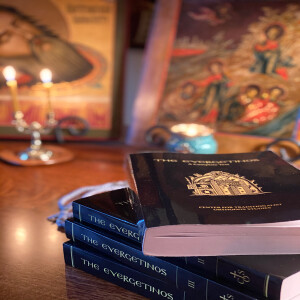
The Fathers do not speak gently about what we like to call small sins. They expose them as seeds of death planted quietly in the heart. What appears minor in the mind becomes lethal in communion. A thought of irritation. A private judgment. A silent refusal to justify the other. These are not harmless interior movements. They are choices. They shape the heart long before they surface in words or actions. Abba Poimen cuts straight through our self deception. Hatred of evil does not begin with outrage at what is...
The Fathers do not speak gently about what we like to call small sins. They expose them as seeds of death planted quietly in the heart. What appears minor in the mind becomes lethal in communion. A thought of irritation. A private judgment. A silent refusal to justify the other. These are not harmless interior movements. They are choices. They shape the heart long before they surface in words or actions. Abba Poimen cuts straight through our self deception. Hatred of evil does not begin with outrage at what is wrong in others. It begins with the hatred of my own sin and the justification of my brother. Until that happens everything else is theater. We think we hate evil when in fact we are protecting our ego. We think we are zealous for righteousness when we are only defending an image of ourselves that needs someone else to be wrong.
The Fathers are relentless because they know how the mind works. A God loving soul begins to feel anger not because it is pure but because it is awakening. As the heart starts to turn toward God the soul becomes sensitive to injustice. But this sensitivity is dangerous. It can become poison if it is not purified by love. What begins as a reaction to evil quickly becomes hatred of the person. The Fathers insist that this is where knowledge of God dies. Hatred and the knowledge of God cannot coexist in the same heart. The moment I consent to hatred I lose sight of God even if I continue to speak His name and defend His truth. This is not theoretical. It is experiential. The soul darkens. Prayer dries up. The heart becomes rigid. The neighbor becomes an object. God who now dwells in that neighbor is no longer seen.
Abba Isaac presses the knife deeper. Do not hate the sinner because you too are guilty. Hatred reveals that love has already departed. And where love is absent God is absent. This is not moralism. It is ontology. God is love. To lose love is to lose God. We imagine that our resentment is justified. We imagine that our anger is righteous. But the Fathers tell us to weep instead. Weep for the sinner. Pray for him. Not because his sin is small but because hatred destroys you faster than his sin destroys him. The devil mocks all of us. Why then do we join him in mocking our brother. Compassion is not weakness. It is participation in the way God bears the world.
The story of Nicephoros is terrifying because it shows where unrepented interior sins lead. A friendship shattered by something never healed. A priest who offers the Bloodless Sacrifice while harboring rancor. A refusal to forgive that hardens over time. Nothing dramatic at first. No public scandal. Just silence. Avoidance. The turning away of the eyes. But this silent sin grows until it devours everything. At the moment of martyrdom when crowns are already prepared rancor proves stronger than torture. The priest who endured the rack cannot endure humility. He would rather deny Christ than forgive his brother. This is the end of so called minor sins. They hollow out the heart until there is nothing left to stand on when the final test comes.
Nicephoros on the other hand does nothing extraordinary by worldly standards. He begs. He weeps. He humbles himself. He refuses to protect his pride. He places communion above justice as he understands it. And this love becomes his martyrdom. The Fathers make the conclusion unavoidable. It is not ascetic feats or heroic endurance that reconcile us to God but love of neighbor. Without it everything collapses. Prayer becomes noise. Zeal becomes violence. Faith becomes an empty confession.
The Evergetinos does not allow us to hide behind abstractions. God has taken up residence in the other. Every thought against my brother is a wound in my own heart. Every refusal to forgive is a refusal of communion. The tragedy is not that we fall but that we excuse what hardens us. The minor sins we tolerate in the mind become the walls that separate us from God. And the only way back is the way Nicephoros walked. Downward. Exposed. Unarmed. Choosing love even when it costs everything.
---
Text of chat during the group:
00:04:15 Fr. Charbel Abernethy: Page 326 Hypothesis XLI Volume II
00:12:33 Fr. Charbel Abernethy: Page 326 Hypothesis XLI Volume II
00:14:43 Fr. Charbel Abernethy: Page 326 Hypothesis XLI Volume II
00:15:42 Fr. Charbel Abernethy: Page 326 Hypothesis XLI Volume II
00:17:13 Bob Čihák, AZ: P. 326 section A
00:35:02 Bob Čihák, AZ: P. 328 section A
00:40:21 Wayne: Would you not see the hatred develop when two people get divorced.
00:43:07 Jessica McHale: So once we recognize we are annoyed by someone, do we right then pray for that person and ourselves so that it doesn't grow into resentment or hatred?
00:45:02 Joan Chakonas: Its so much better to be hated than to hate
00:45:29 Joan Chakonas: Hatred like this is awful, unacceptable
00:48:37 Jerimy Spencer: Reacted to "So once we recognize…" with 🙏
00:50:58 Jerimy Spencer: Replying to "So once we recognize…"
I personally go straight to the Jesus prayer, “Lord Jesus Christ, Son of God, have mercy on me, a sinner,” (sometimes three times with the sign of the cross), and then pray, “Lord, Jesus Christ, Son of God, have mercy on ________.”
00:51:34 Jessica McHale: Reacted to "I personally go st..." with ❤️
00:51:50 Myles Davidson: Reacted to "I personally go stra..." with 👍
00:52:21 Jerimy Spencer: Reacted to "I personally go stra…" with ❤️
01:06:47 Forrest: We are Saprikios, obstinate to Christ's pleading.
01:07:06 Jerimy Spencer: Aloha Father, do you think this story plays out something of “the unforgivable sin”?
01:08:55 Tracey Fredman: Reacted to "I personally go stra..." with ❤️
01:09:28 Maureen Cunningham: What about narcissistic people
01:10:10 Bob Čihák, AZ: What happened to the Priest Saprikios? or, what did he do after this?
01:11:39 Forrest: Νικηφόρος in Greek looks like two words: “Victory” and “Tribute paid to the state”. To me, this name is an allusion to Christ’s sacrifice under Pilate.
01:19:26 Jerimy Spencer: A few years ago I wrote in my journal “only the I Am” gets to make a true ‘I am’ statement, ie regards to the whole “I identify as. . .” insomuch as that to me seems to be an ‘I am’ statement.
01:20:45 Jessica McHale: God is the only person we can trust. For sure. It's not jaded; it's reality. No other person is eternal.
01:22:50 Janine: Amazing class..thank you Father
01:23:25 Maureen Cunningham: Blessing Thank you Father and everyone
01:23:38 Jessica McHale: Prayers for you alll!!!!
01:23:38 Rebecca Thérèse: Thank you🙂
01:23:39 Bob Čihák, AZ: Thank you and bless you, Father.
01:24:05 Joan Chakonas: Loved this class
01:24:21 Kevin Burke: Thank you Father!