
Sarah Has Questions
https://feed.cdnstream1.com/zjb/feed/download/36/41/71/3641715c-75c3-44f7-97ef-6171b1dc728c.xmlEpisode List

It's easier than ever to talk about mental health
Sarah King and Dr. Micah Krempasky from WakeMed dive into the changing landscape of mental health, exploring how conversations have shifted from stigma and secrecy to openness and advocacy. Together, they tackle everything from how personal and family experiences shape our understanding of mental illness, to why so many people are struggling to find therapists today. They break down myths, share honest stories, and discuss why mental health exists on a spectrum—just like physical health. You'll also hear insights about the influence of social media, the pitfalls of self-diagnosis, and practical advice on starting tough conversations with friends or checking in with yourself. Submit questions for future episodes at wralfm.com/sarahhasquestions. Instagram https://www.instagram.com/sarahhasquestions/ You Tube https://www.youtube.com/@SarahHasQuestions TikTok https://www.tiktok.com/@sarahhasquestions DISCLAIMER: The information presented in this podcast is intended to be educational and nothing said by the host or guests should be taken as medical advice. The information presented here is not a substitute for professional medical advice, diagnosis, or treatment. Your health is important, and seeking the advice of your own healthcare provider is always the best course of action.

What questions should you ask your pharmacist?
In this episode, Sarah King sits down with WakeMed pharmacist Mary Covington Coleman to uncover the crucial role pharmacists play in making sure our medications work together. We break down the real differences between generic and brand-name drugs, why expiration dates truly matter, and why e should always involve our pharmacist before starting any vitamins or supplements. Submit questions for future episodes at wralfm.com/sarahhasquestions. Instagram https://www.instagram.com/sarahhasquestions/ You Tube https://www.youtube.com/@SarahHasQuestions TikTok https://www.tiktok.com/@sarahhasquestions DISCLAIMER: The information presented in this podcast is intended to be educational and nothing said by the host or guests should be taken as medical advice. The information presented here is not a substitute for professional medical advice, diagnosis, or treatment. Your health is important, and seeking the advice of your own healthcare provider is always the best course of action.
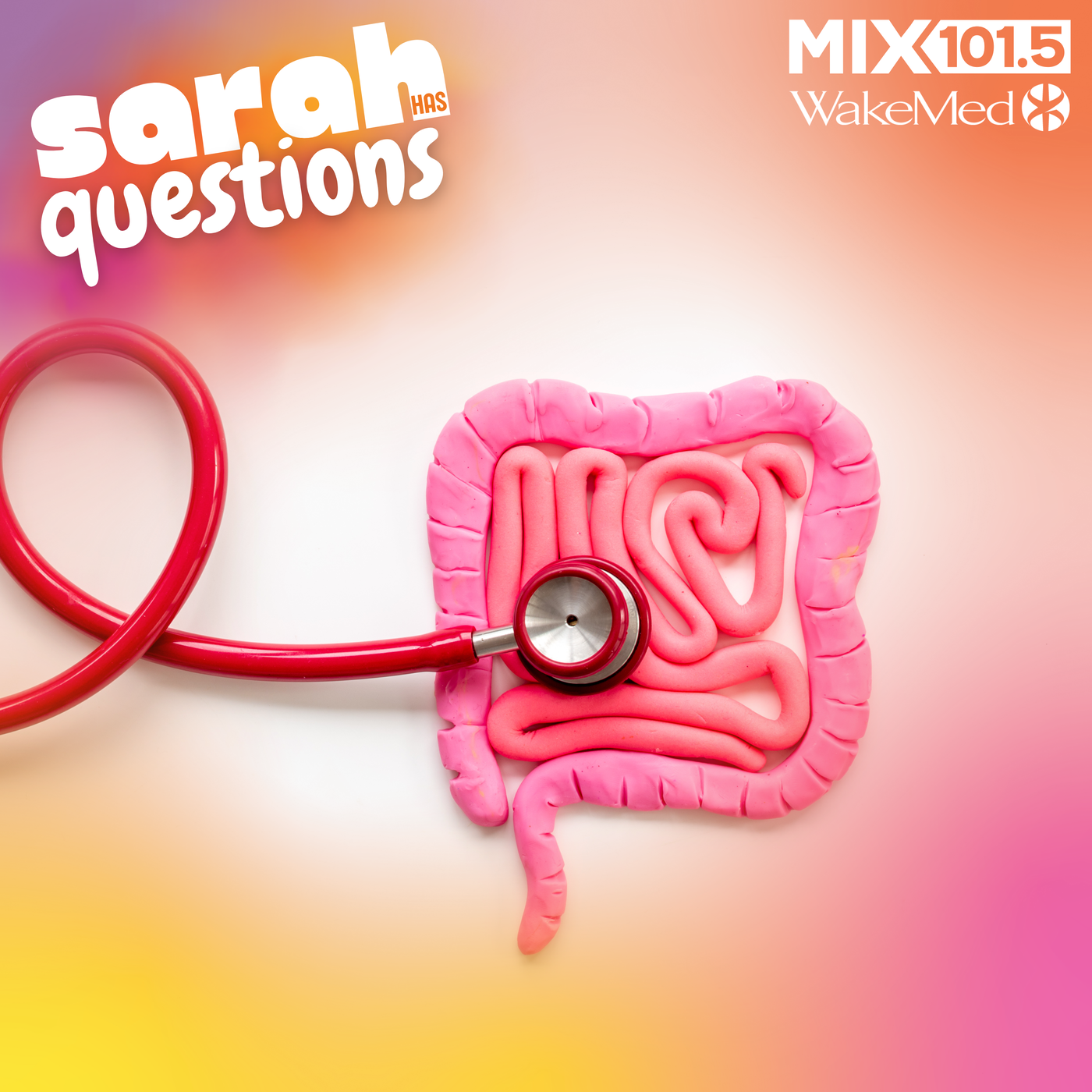
Why is Irritable Bowel Syndrome (IBS) so hard to diagnose?
We're digging into the confusing and often frustrating world of Irritable Bowel Syndrome (IBS). With gastroenterologist Dr. Luis Vazquez from WakeMed as our expert guest, we explore what IBS really is, how it’s diagnosed, and how to tell it apart from other gut conditions like Crohn’s and ulcerative colitis. Sarah shares her own journey with IBS since the age of 13. From the role of fiber and diet to the mysteries of the gut microbiome, this episode covers the latest science on IBS and why why treatment looks different for each person. 00:00 IBS vs. IBD Symptom Differences 04:09 Red Flags for Digestive Health 08:58 Stress and IBS Connection 09:43 IBS: Nervous System Connection 13:45 Food Allergies and IBS Connection 18:01 Minimizing Medications for IBS Treatment 18:59 FODMAPs and Digestive Pain 24:22 "Living with IBS" Submit questions for future episodes at wralfm.com/sarahhasquestions. Instagram https://www.instagram.com/sarahhasquestions/ You Tube https://www.youtube.com/@SarahHasQuestions TikTok https://www.tiktok.com/@sarahhasquestions DISCLAIMER: The information presented in this podcast is intended to be educational and nothing said by the host or guests should be taken as medical advice. The information presented here is not a substitute for professional medical advice, diagnosis, or treatment. Your health is important, and seeking the advice of your own healthcare provider is always the best course of action.

What is cortisol and what happens if you have too much?
Ever wonder how stress truly impacts your mind and body? On this episode of Sarah Has Questions, we dive into cortisol—the so-called stress hormone—with WakeMed family nurse practitioner Crystal Evans. We learn how cortisol regulates your metabolism, sleep, blood pressure, and even that stubborn belly fat. Chronic stress and lack of sleep can throw your hormones way off, but Crystal has some real, actionable ways to manage it. Submit questions for future episodes at wralfm.com/sarahhasquestions. Instagram https://www.instagram.com/sarahhasquestions/ You Tube https://www.youtube.com/@SarahHasQuestions TikTok https://www.tiktok.com/@sarahhasquestions DISCLAIMER: The information presented in this podcast is intended to be educational and nothing said by the host or guests should be taken as medical advice. The information presented here is not a substitute for professional medical advice, diagnosis, or treatment. Your health is important, and seeking the advice of your own healthcare provider is always the best course of action.

Hormonal changes in perimenopause
We humans are ruled by our hormones. As women, hormonal changes can make us feel like completely different people. It's not just hot flashes and lack of libido, it's EVERYTHING. In this episode Sarah is joined by Dr. Victoria Fashikin Thore from WakeMed to discuss the complex balance of hormones. They talk about the roles of key hormones like estrogen, progesterone, and testosterone, and bust some common myths, like whether hormone replacement therapy is really as risky as it once seemed. Plus, they tackle real questions about digestive issues, stress, and why women should never settle for feeling less than their best. 00:00 "Why Hot Flashes Vary" 03:56 "Estrogen's Role in Women's Health" 08:35 "Stress's Impact on Health" 10:30 Estrogen's Role in Vaginal Health 14:46 "HRT Study Misconceptions Explained" 16:15 Breast Cancer Risk and Hormones 19:45 "Thanks and Be Well" Submit questions for future episodes at wralfm.com/sarahhasquestions. Instagram https://www.instagram.com/sarahhasquestions/ You Tube https://www.youtube.com/@SarahHasQuestions TikTok https://www.tiktok.com/@sarahhasquestions DISCLAIMER: The information presented in this podcast is intended to be educational and nothing said by the host or guests should be taken as medical advice. The information presented here is not a substitute for professional medical advice, diagnosis, or treatment. Your health is important, and seeking the advice of your own healthcare provider is always the best course of action.
You may also like





Get this podcast on your phone, Free


Create Your Podcast In Minutes
- Full-featured podcast site
- Unlimited storage and bandwidth
- Comprehensive podcast stats
- Distribute to Apple Podcasts, Spotify, and more
- Make money with your podcast
