
Episode List
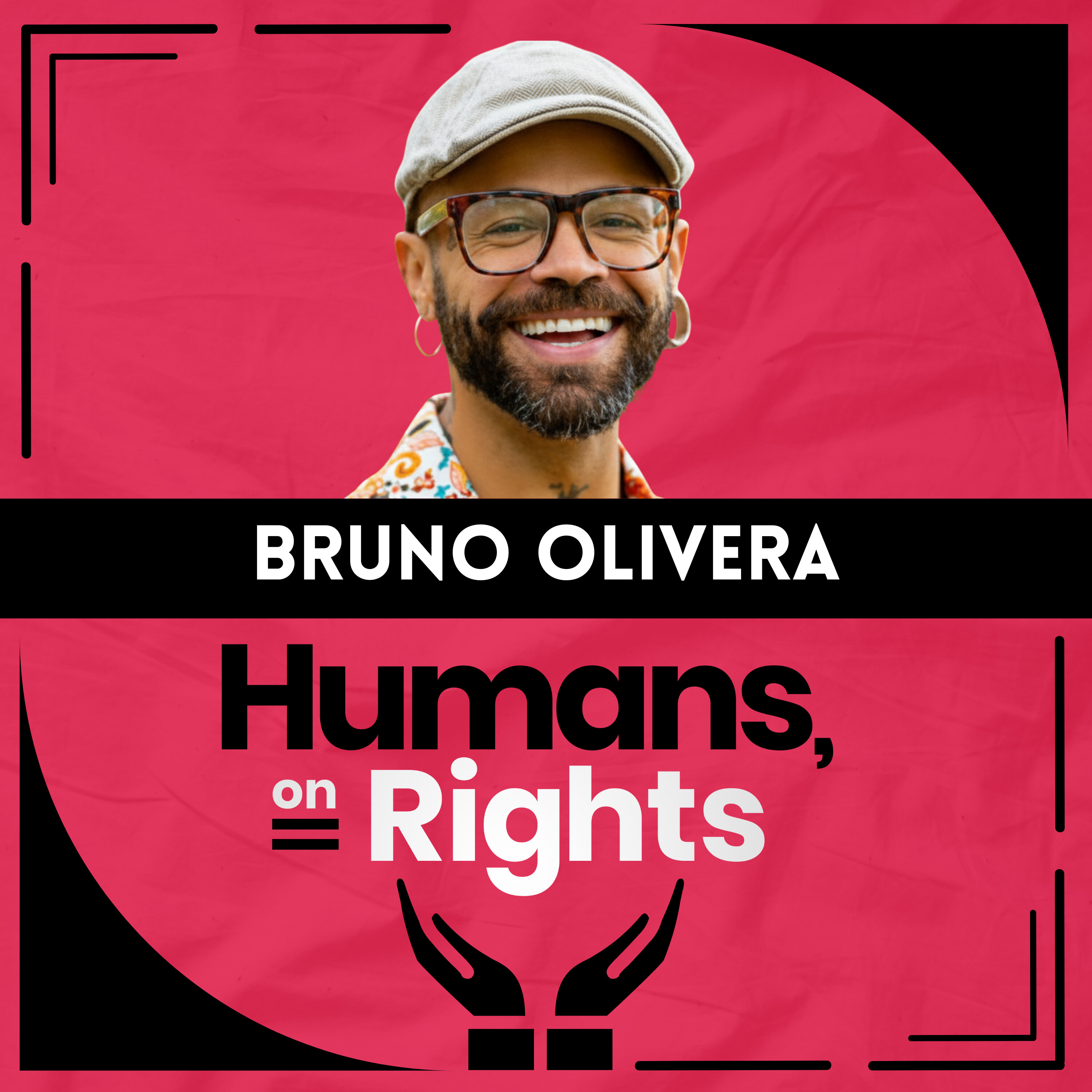
Bruno de Oliveira Jayme: Art, Activism, and the Power of Creative Dissent
On this episode of Humans, On Rights, we sit down with Bruno de Oliveira Jayme, a Brazilian-born artist, educator, and community arts practitioner who has spent 25 years making Canada his home. Now a full professor in the Faculty of Education at the University of Manitoba, Bruno brings together curriculum theory, arts-based research, and a deep commitment to social justice. His work explores what happens when art stops being decoration and starts becoming dissent.Bruno introduces us to the concept of "artivism" — the intersection of art and activism — and makes the case that creative expression is not a softer substitute for protest, but a distinct and powerful tool for surfacing stories, building collective identity, and opening space for conversations that more traditional forms of advocacy often can't reach.We're discussing:How Bruno's upbringing in Brazil during the end of a military dictatorship first opened his eyes to art as a political forceThe roots of community art and artivism in the social movements of the late 1960s and '70s — from the Black movement and second-wave feminism to the landless movement in Latin AmericaWhy art is uniquely capable of addressing difficult issues "in a light manner" — and why that accessibility matters for movements like environmental justiceHis advice to aspiring artivist students: start with what you know, what you're struggling with, what you're hopeful for. Bring that to your community, and think together, collectively, about what you can do next.Bruno's website (edited)

Divya Sharma: Opting Out Is a Privilege
At 21 years old, Divya Sharma has already led a $16 million student organization, represented Manitoba at the United Nations in both New York and Geneva, and is writing her honours thesis on the human rights implications of artificial intelligence. Her story is a reminder that age isn't a barrier to meaningful change — and that the most powerful advocacy often starts right in your own community.We're talking:Her COVID-19 project that started with a few micro-grants and grew into 16,000 care packages for frontline workers across Canada — recognized by the United Nations as one of the top stories of the pandemicHer path to becoming the 100th and youngest president of the University of Manitoba Students' Union (UMSU)Advocating for international students' access to healthcare as a human right, and the successful push to expand bursaries and bring menstrual products into university washroomsHer take on the biggest human rights challenge facing Canadians today: literacy, in every sense of the wordIf you want to know what the next generation of Winnipeg changemakers looks like, Divya's a pretty good place to start.Get Involved:Manitoba Council for International Cooperation:Provincial press releases:Lieutenant Governor of Manitoba email list:

Janet James: Leadership, Economic Equity, and the Work Nobody Sees
For our second Black History Month episode, we're going beyond celebration and into accountability. Stuart Murray sits down with Janet James, Edmonton entrepreneur and leadership strategist, whose journey from growing up as one of the only Black families in Lancashire, England to becoming a corporate executive and business owner is both a personal story of resilience and a lens on who gets access to power, capital, and opportunity.Janet is the founder of Janet James Growth Leadership, and has been involved with the National Black Coalition of Canada, Black History Manitoba, and leadership events for Indigenous youth — work that reflects her belief that real progress is about closing gaps, not checking boxes.We're talking:Why representation alone isn't enough, and what economic equity actually looks like in practiceThe concept of "dark work" — the inner work nobody sees that makes everything else possibleHow the word "woke" got weaponized, and what it actually means to the people who've always used itWhat performative allyship looks like up close, and how to redirect it without coming from a place of angerJanet's path took her from suppressing her identity in an almost entirely white town in England, to finding community and courage in Edmonton, to rising through corporate ranks and eventually building her own business. Along the way, she ran DEI programs, spoke publicly about racism at a time when she feared it would cost her her job, and led leadership training for Indigenous youth in Winnipeg — drawing the through-line between different communities' shared experiences of being told what they can't do.As Janet puts it: "In order to grow yourself, you must know yourself first."Janet James' Website
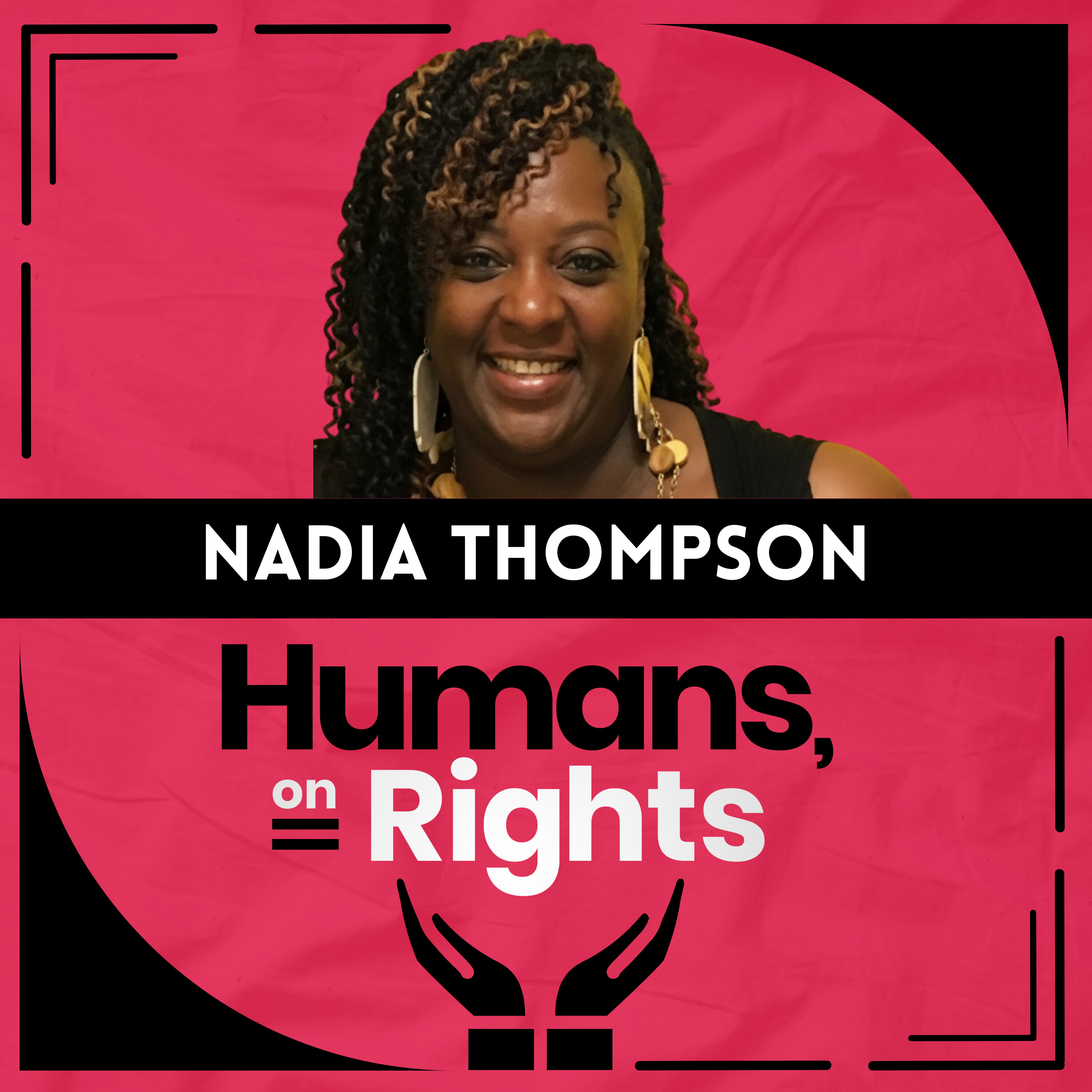
Nadia Thompson: Celebrating 45 Years of Black History in Manitoba
Black History Month isn't just 28 days in February—it's a year-round commitment to education, connection, and celebration. We sit down with Nadia Thompson, chair of Black History Manitoba, to discuss the 2026 theme "Rooted in Legacy: Honouring a Century of Black History" and the organization's 45th anniversary milestone.Nadia shares the evolution from the Black History Month Celebration Committee to Black History Manitoba, a shift that signals their year-round presence in the community. What started as two or three events in 1981 has grown to over 45 events in the first week alone—a testament to growing community engagement and awareness.We're talking:Why Black History Month is like a birthday celebration—recognizing that while the struggle exists every day, February offers a dedicated time to highlight pride and achievementThe Craig Block and Pilgrim Baptist Church as forgotten pieces of Winnipeg's Black history, including their role in supporting railway porters and creating safe spaces for Black travellersThe explosion of youth-led programming through Black Student Unions across Manitoba schoolsThe importance of volunteerism and how just one hour a week can make a meaningful impactMoving beyond February: Emancipation Day in August, Kwanzaa in December, and year-round educationNadia reminds us that diversity in Manitoba schools has skyrocketed since she was young, when she and her twin sister could count Black faces on one hand. Today's youth are more engaged, more connected, and more empowered to continue the legacy of those who fought for a seat at the table—or better yet, brought their own table.As Nadia puts it: "We struggle every day. But in February, the world has given us an opportunity to highlight the pride of being Black in this world."Find out more about Black History Manitoba and how you can get involved (in February and year-round): https://www.bhmwinnipeg.com/
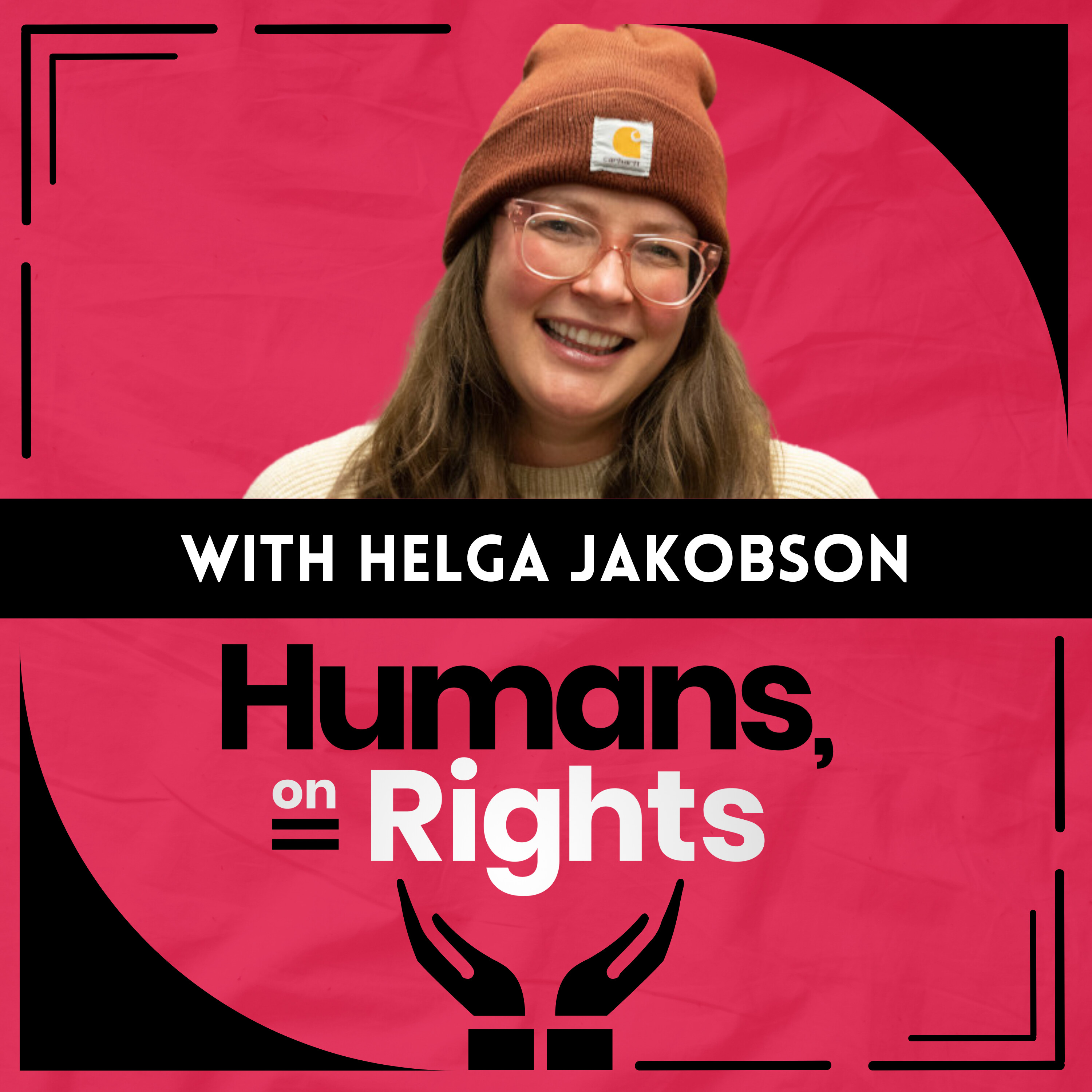
Helga Jakobson: A "Zero Waste" Forks and the Right to a Healthy Environment
When we picture zero waste, we often think of recycling bins or reusable coffee cups. But Helga Jacobsen sees something bigger: behind every piece of waste is a human story — someone who made it, someone who handles it, and communities who live with its impact.As Sustainability Coordinator at The Forks, Helga Jakobson is turning one of Winnipeg's most beloved gathering places into a living example of how community spaces can practice real sustainability. From her background as a transdisciplinary new media artist to her current work transforming coffee grounds into de-icer, Helga brings creativity and data together to communicate what's happening with our planet in ways people can actually understand and act on.We're talking:- Why protecting the earth and protecting people are the same conversation- How The Forks operates in a circular economy instead of the "produce, consume, throw away" linear model- Why setting "zero" as a goal matters even if you don't quite reach itHelga reminds us that sustainability work doesn't require perfection or pushback. Sometimes the most innovative solutions come from conversations with tenants over coffee, listening to Indigenous voices and water protectors, and staying hopeful even when the news feels overwhelming.As she puts it: "Everyone has the ability to create impact around them. So speak up."Learn more about the Forks' "Target Zero" project.More on Helga:Helga Jakobson is the Sustainability Coordinator at the Forks and is a Transdisciplinary Artist. In 2017, she received an MFA from AKV St. Joost (The Netherlands) in conjunction with courses in the Transdisciplinary New Media program at the Paris College of Art (France). She has exhibited, lectured and participated in residencies across North and South America and Europe. She was selected for the Emerging Excellence Award by the Manitoba Arts Council in 2019, has mentored through Creative Manitoba, Video Pool and, currently, MAWA. She lectures on material ecologies, eco-feminism, and sustainability in art. Her art practice often focuses on how to live on a damaged earth and how to make tangible the almost invisible and inaudible losses that are occurring all around us, from an environmental perspective.As CEO of a bourgeoning recycling business (REDO Waste), a Butterflyway Ranger for the David Suzuki Foundation and former Executive Director of ArtsJunktion (a creative reuse depot), Helga brings to her role as Sustainability Coordinator wide spanning experiences that help her to promote sustainability, with waste diversion and composting at the Forks.When she’s off duty, she can be found hiking and camping, gardening and cuddling her foster fail dogs; Wednesday and Huginn.
You may also like










Get this podcast on your phone, Free


Create Your Podcast In Minutes
- Full-featured podcast site
- Unlimited storage and bandwidth
- Comprehensive podcast stats
- Distribute to Apple Podcasts, Spotify, and more
- Make money with your podcast
