The Inner Response Podcast
https://anchor.fm/s/6cf1f8d0/podcast/rssEpisode List
S3E4: Beneath the Surface - Exploring Tattoo Bias in Emergency Services
Summary:In this episode of the Inner Response Podcast, Marissa Rose and Daniel Sundahl delve into the perceptions and biases surrounding tattoos in emergency services. They discuss the results of a survey conducted among emergency responders regarding their experiences with tattoos, public trust, and professionalism. The conversation explores the demographics of respondents, their views on visible tattoos, and the impact of tattoos on career advancement. They also share personal stories and insights about the meaning behind their tattoos, the evolving attitudes towards body art, and the need for updated policies in the workplace. The episode highlights the importance of open-mindedness and understanding in a profession that often grapples with traditional views on appearance.Main Points: Tattoos are increasingly accepted in emergency services.Public perception of tattoos is generally positive among responders.There is a significant bias against visible tattoos in some workplaces.Many respondents feel that tattoos do not affect professionalism.The majority of respondents believe they can trust emergency responders with tattoos.Policies regarding visible tattoos need to be updated to reflect modern views.Personal experiences with tattoos can vary widely among individuals.Judgment based on tattoos often reflects personal biases rather than professional capabilities.Tattoos can serve as a form of personal expression and storytelling.The conversation around tattoos in the workplace is evolving, but challenges remain.
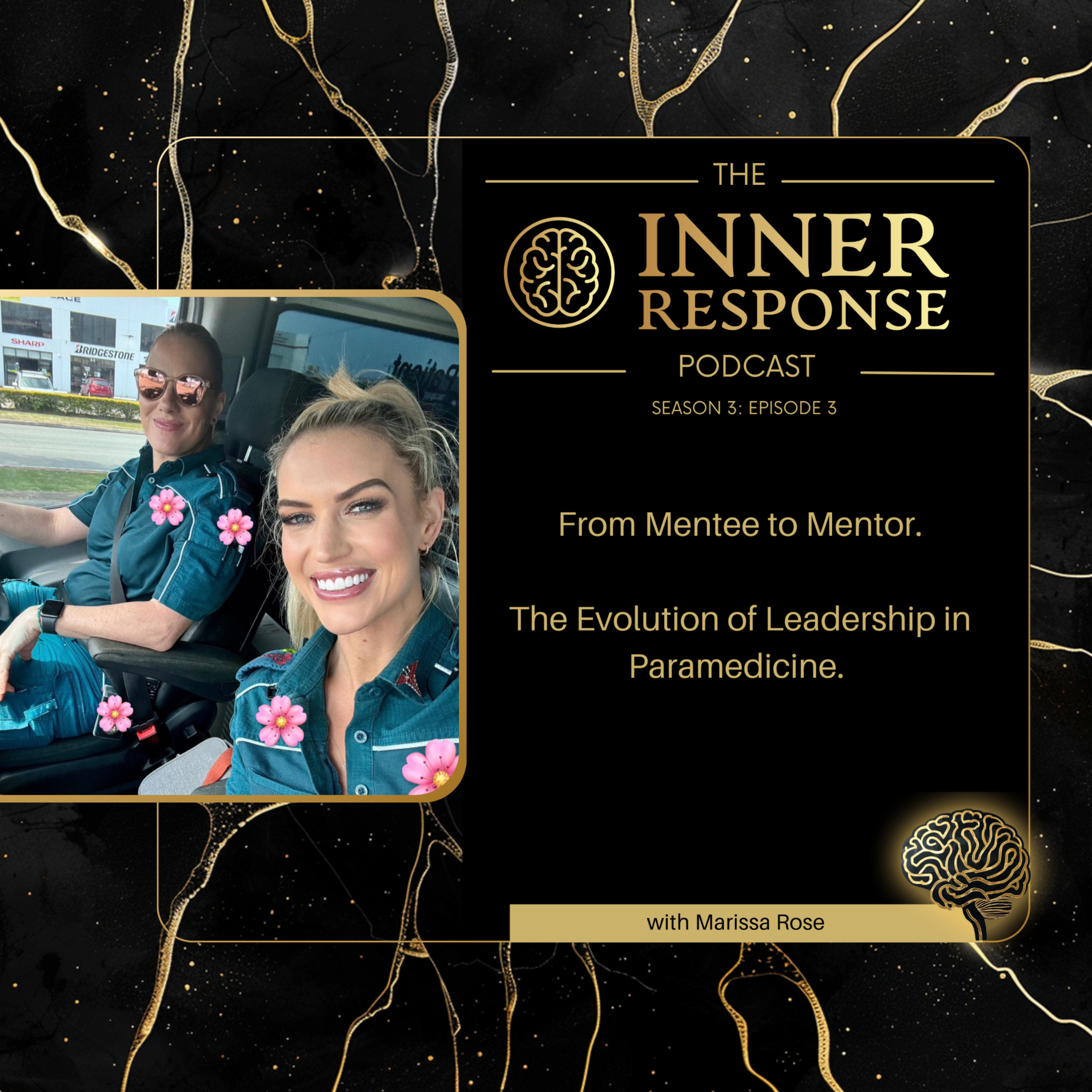
S3 E3: From Mentee to Mentor. The Evolution of Leadership in Paramedicine.
In this episode of the Inner Response Podcast, host Marissa Rose, an Advanced Care Paramedic and Neuroscientist, sits down with Vanessa, a paramedic who has transitioned from student to graduate to mentor. Their conversation explores the evolving expectations between mentors and mentees in paramedicine, offering a raw and insightful look into the challenges and growth that come with each stage of the journey.Vanessa’s path into paramedicine is both inspiring and unique—beginning as a bystander in a medical emergency involving her father-in-law, she later pursued her Bachelor of Paramedic Science while balancing the demands of motherhood and family life. Under Marissa’s guidance during her graduate year, Vanessa navigated the steep learning curve of the profession, ultimately becoming a qualified paramedic and mentor herself.Together, they discuss the shifting perspectives on mentorship, leadership, and what makes an effective mentor in a high-pressure field like paramedicine. Vanessa reflects on the qualities she valued as a student, how her expectations changed through experience, and what she now priorities as she guides new graduates entering the field.This episode is a must-listen for paramedics at all stages of their careers—whether you’re a student preparing for placement, a graduate finding your footing, or a qualified paramedic stepping into the role of mentor.🔹 Key Themes Covered:The evolving expectations of students, graduates, and mentorsThe challenges of transitioning from mentee to mentorWhat makes a great paramedic mentor and leaderLessons learned from the graduate experienceHow mentorship shapes professional growthTune in for an insightful and honest conversation about leadership, resilience, and the journey from learning to leading in paramedicine. 🚑✨
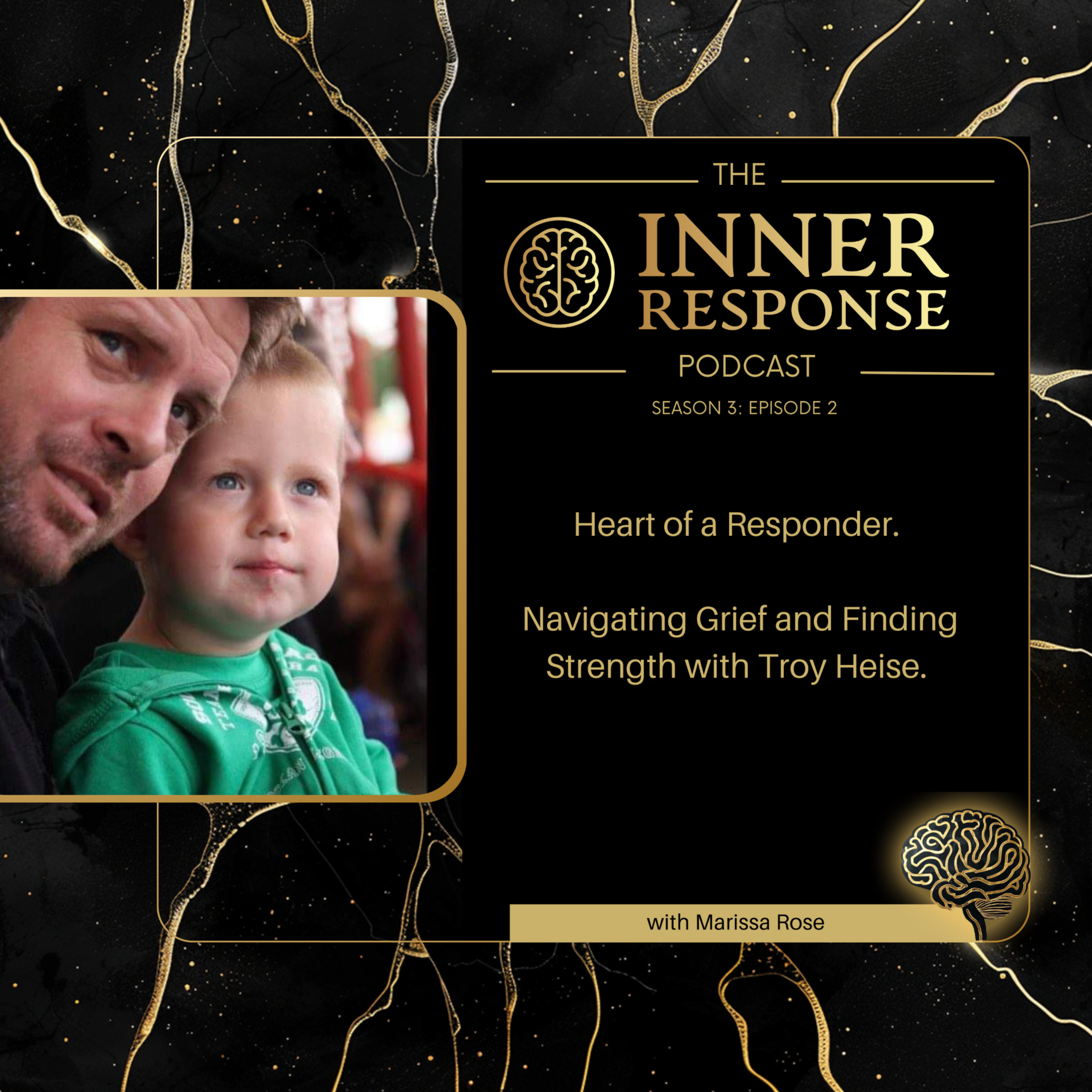
S3 E2 - Heart of a Responder: Navigating Grief and Finding Strength with Troy Heise
Welcome to Episode 2 of the Inner Response Podcast. During this episode, we welcome back Troy Heise from Season 1 Episode 3 who shares his deeply personal and powerful story where he faced an unimaginable loss, emerging with new insights around grief, resilience and the importance of self-care. Troy's story is a testament to the power of sharing personal experiences and the critical role of support and connection in times of loss. We'll discuss Troy's return to work as a paramedic, the challenges and strengths he discovered along the way, and the strategies he employs to manage compassion fatigue. This episode is filled with practical advice, heartfelt moments, and a reminder that taking time for mental well-being is not just important but essential. Join us as we navigate the unpredictable world of paramedic work, balancing compassion and self-preservation, and hear Troy's inspiring story of healing and hope. Whether you're a paramedic, a healthcare professional, or someone seeking resilience in their own life, this episode is for you. Podcast Overview: Introduction and Rebranding of the Podcast Troy’s Personal Tragedy and Journey of Grief Returning to Work as a Paramedic Challenges and Strengths in the Workplace Managing Compassion Fatigue and Self-Care The Power of Sharing Personal Experiences Support and Connection in Times of Loss Coping Strategies and Returning to Work Navigating the Unpredictability of Paramedic Work Balancing Compassion and Self-Preservation The Importance of Emotional Resilience and Self-Care Addressing Personal Connections and Seeking Support Actions Speak Louder Than Words Dealing with Loss and Grief Understanding Triggers and Self-Care Taking Time Off for Mental Well-being The Emotional and Psychological Demands of the Job The Need for Clear Support Options Advice for Young Paramedics Being Prepared for the Unexpected Final Thoughts: Love Hard and Prioritise Self-Care With Love, MR.
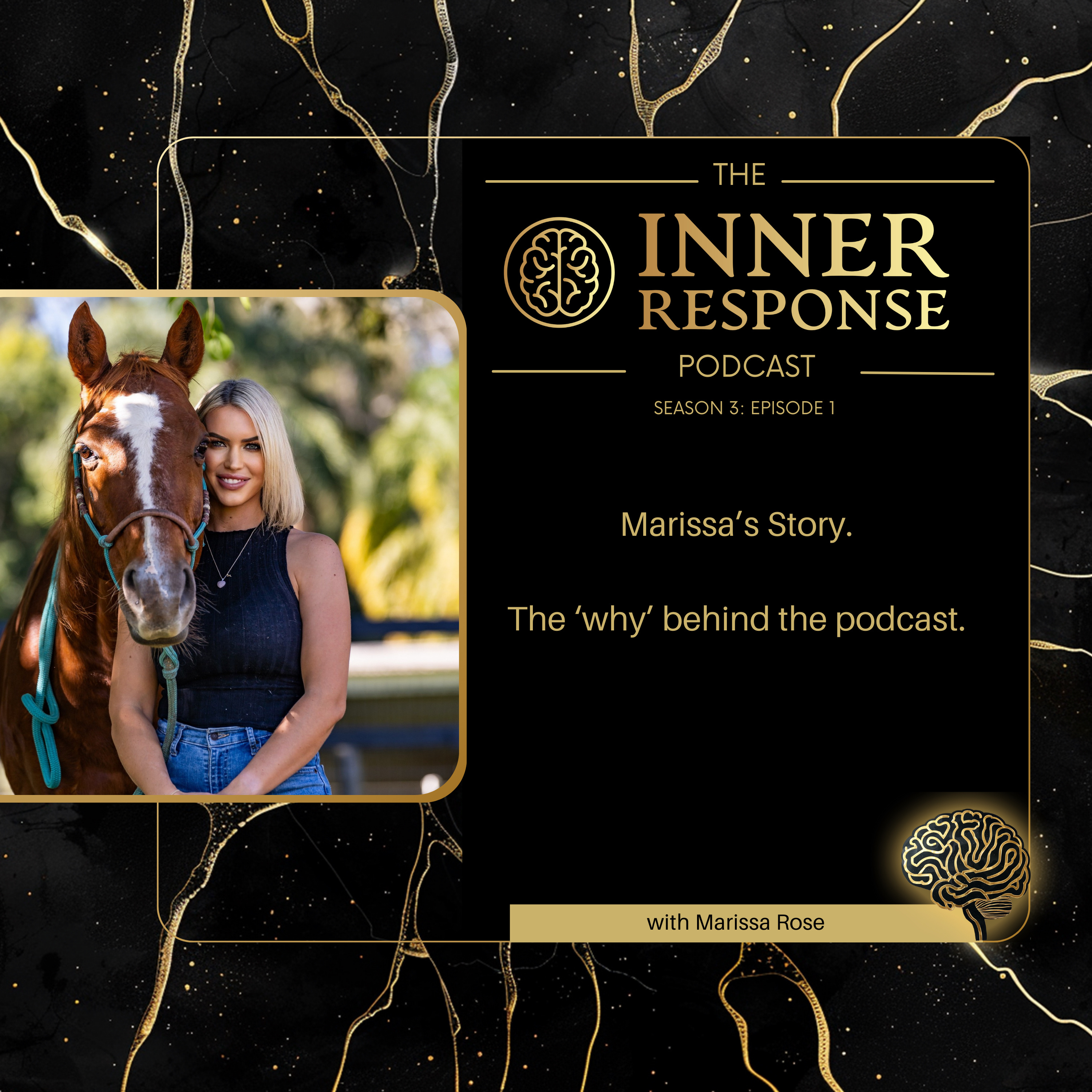
S3 E1 - Marissa's Story - The Why Behind Inner Response
Welcome to Season 3, Episode 1 of the newly launched Inner Response Podcast (previously The Paramedic Podcast). During this episode, we flip the switch and interview the host behind the podcast, Marissa Rose. We talk about her journey and the "why" behind The Paramedic Podcast and the recent rebrand to The Inner Response. Podcast Overview: Introduction The Impact of Traumatic Incidents Cumulative Effect and Breaking Point Finding Solace Through Equine Therapy Taking Time Off and Seeking Support Learning and Self Reflection Understanding Trauma and Adverse Childhood Experiences The Purpose of Helping Others in Emergency Services Thriving as a Paramedic Overcoming Challenges and Finding Resilience Pursuing Research in Neuroscience and Equine Therapy The Importance of Brain Imaging in Mental Health Empowering Paramedic Students on Self Care and Wellbeing Creating Redundancy in Sources of Happiness and Fulfilment Managing the Cost of Being a Paramedic A song - Inner Response, written for me by someone dear to my heart. Enjoy! MR.
The Paramedic Podcast: Season 2, Episode 3.
Today, I have another incredibly resilient and knowledgeable man on the show. This guest has been a pioneer in his field for over 20 years and has been researching his area of expertise when it certainly was not of popular opinion. Challenging, and rightly so, years of controversial and less efficacious ways to treat and manage major mental ill health conditions, particularly those relating to trauma and frontline workers such as depression, anxiety, PTSD and suicidality. Today I welcome onto the show no other than Professor Jim Lagopoulos, the director of Thompson Insitute, located at the University of the Sunshine Coast in Queensland Australia which is a world-class hub for research, teaching and clinical services for Australia's most pressing mental health issues. This institute last year has been allocated $12.2 million from the Federal budget, $8.3 million of which is going towards establishing the National PTSD Centre which will be the hub of clinical and technical expertise in treatment for trauma-related mental health conditions. Join me as Jim and I discuss changes in brain chemistry, neuroscience, neuroimaging, ketamine in the treatment of PTSD and what it looks like tackling mental ill health from and chemical and biological perspective.
You may also like






Get this podcast on your phone, Free


Create Your Podcast In Minutes
- Full-featured podcast site
- Unlimited storage and bandwidth
- Comprehensive podcast stats
- Distribute to Apple Podcasts, Spotify, and more
- Make money with your podcast