Episode List
Solo Show with Greg Lehman - When do biomechanics matter for Movement Optimists
Biomechanics matter just not how we always think. 1. High Loads. 2. Too much too soon 3. Stress Shifting & Symptom Modification 4. Movement Preparation 5. Performance

Challenging the impairment model of exercise prescription and regional interdependence. What is the alternative?
Solo mini show today. We often hear that hip bone is connected to the knee bone and pain in one area is a victim of a "dysfunction" somewhere else. Its a foundation of the kinesiopathological model and lead to the idea that if someone has joint pain you should train at a joint around that pain. Eg. If your knee hurts you train the hips as well. And we have plenty of pragmatic evidence that it helps. Hip exercises should be added to knee exercises when you have knee pain. The problem is that we don't know why. Hence, I reject the impairment correction model of this and offer another way to prescribe exercise and give different opinions on how to tailor you exercise prescriptions to people in pain. Providing options should be a foundation of person centred care.
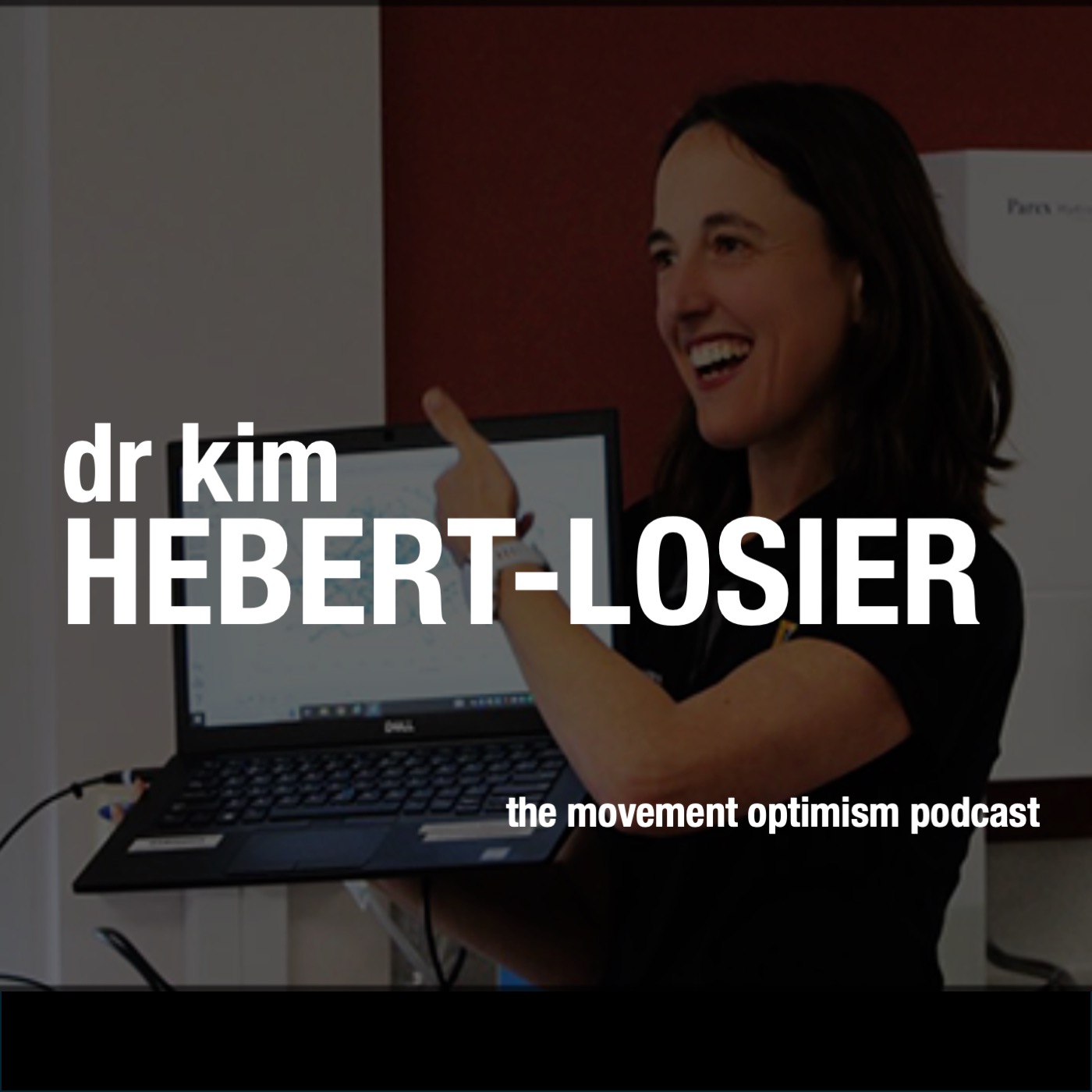
Dr Kim Hebert-Losier talks calf strength, testing, running and much more
I talk with Dr Kim Hebert-Losier. An associate professor, biomechanist and physiotherapist out of The University fo Waikato. You can see her profile here. Some topics discussed: running as rehab her Calf App to evaluate plantar flexion strength and its potential relevance to clinical practice whether body weight training, as opposed to heavy resistance training, can improve running economy (Kim was involved in a paper that showed this!) whether you need to bend the knee to appropriately target the soleus (hint - you don't but there are some caveats) super shoes and running economy running technique and running economy
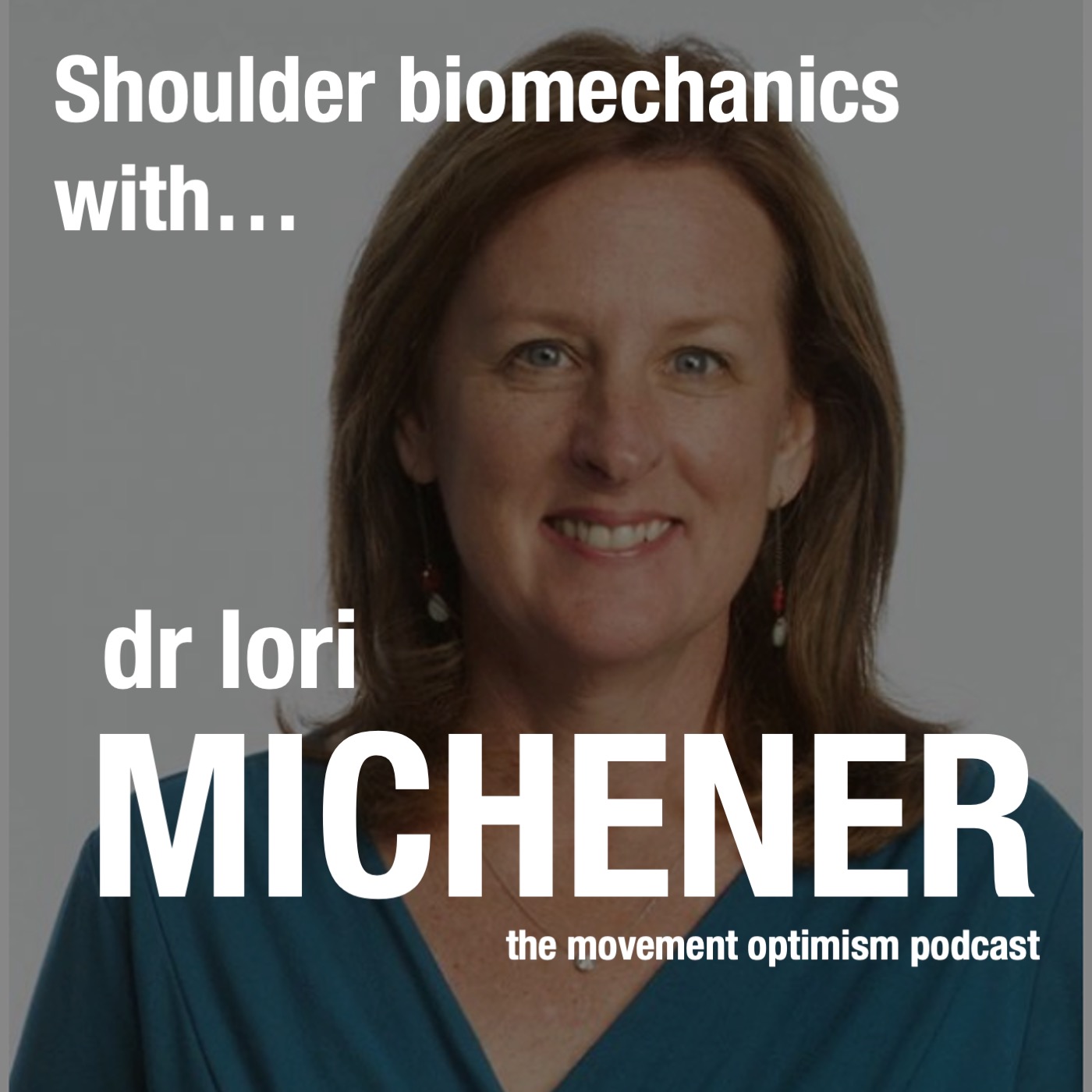
Dr Lori Michener - Who's afraid of scapular dyskinesis?
Dr Lori Michener (Professor of Biomechanics and Physical therapist) is a super expert on shoulder biomechanics and rehabilitation. Today we talked about: - the role of biomechanics in pain and injury - whether you need to be concerned with scapular movement/control - changes in her clinical opinion - shoulder "impingement" debates and so much more. More about Dr Michener The central theme of Michener's funded research is to define optimal treatment pathways for patients with musculoskeletal shoulder disorders by focusing on characterizing mechanisms, defining classification and management approaches and determining optimal outcomes of care. Specifically, her main research aims are: 1) to elucidate the biomechanical and neurophysiological mechanisms related to the presence of pain and poor recovery, in order to 2) develop classification and management strategies to optimize functional outcomes and simultaneously 3) determine the optimal set of patient outcome measures that comprehensively capture activity limitations and participation restrictions to judge treatment outcomes. She is director of the Clinical Biomechanics and Orthopedic Outcomes Research Laboratory, and directs the development, collection and analysis of patient-rated outcomes and process of care in the USC Physical Therapy clinics, and serves as a resource for clinical research.

Dr Bas van Hooren discussing running injury prevention, running technique and running economy
Dr Bas van Hooren discussing running injury prevention, running technique and running economy. Dr van Hooren is a true expert in running biomechanics. Blending critical thinking, a strong academic background of excellent publications and personal success in elite running Bas brings huge insights into this field. I said it numerous times in the podcast but Bas' PhD in this field should really be used as an exemplar for all PhD students. His work goes beyond the biomechanics of running and also tests his ideas with clinical relevant intervention studies. You can see his papers here with many of them being open access Bas's papers on Pubmed You can also read more about Bas on Twitter (@basvanhooren) and his website (basvanhooren.com)
You may also like




Get this podcast on your phone, Free


Create Your Podcast In Minutes
- Full-featured podcast site
- Unlimited storage and bandwidth
- Comprehensive podcast stats
- Distribute to Apple Podcasts, Spotify, and more
- Make money with your podcast