
The Human Risk Podcast
https://www.spreaker.com/show/3550448/episodes/feedEpisode List
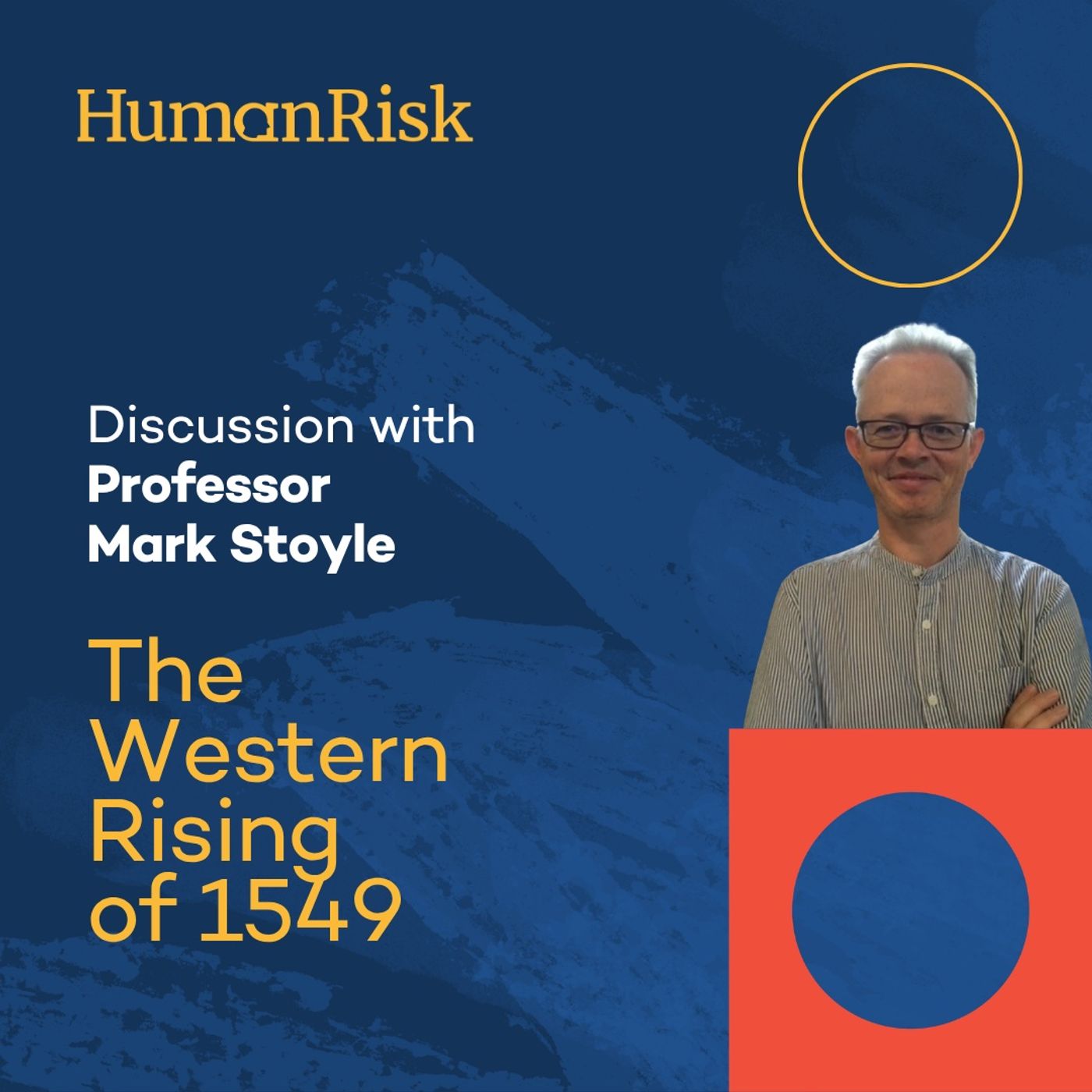
Professor Mark Stoyle on The Western Rising of 1549
What lessons does a religious protest that led to an uprising in 1549 have to do with human risk?At first glance, not very much. It’s easy to see it as a distant historical event — something about religion, kings, and a very different world. But as my guest, Professor Mark Stoyle explains, the Western Rising of 1549 is far more than that. It’s a powerful example of what happens when authority imposes change without understanding how people will react. Episode Summary This episode started on a train journey to Exeter, where I was due to give a talk. Looking for a local story to make my presentation more relevant, I stumbled across a battle that had taken place just outside the venue in 1549. The more I read, the clearer it became that this wasn’t just history, it was a case study in compliance, behaviour, and unintended consequences.Guest ProfileMark is a historian and leading expert on what he calls the Western Rising of 1549. In this conversation, we explore how sweeping religious changes imposed by those in power triggered resistance, how small incidents escalated into a major rebellion, and why identity, belief, and emotion played such a critical role. Along the way, we discuss how history is written (and biased), why changing language can provoke outrage rather than acceptance, and what this story reveals about leadership, risk, and human behaviour today.AI-Generated Timestamped Summary 00:00 – Introduction: a compliance failure in 154901:00 – The train journey to Exeter02:00 – Discovering the rebellion04:00 – Why this is a human risk story05:15 – Introducing Professor Mark Stoyle07:30 – Setting the historical context10:00 – Power, authority, and instability13:30 – What triggered the rising17:00 – Why language change caused outrage22:00 – Early resistance and local incidents25:00 – The tipping point: violence begins29:00 – How the rebellion spreads33:00 – The siege of Exeter37:00 – How history is written by the victors41:00 – Crushing the rebellion45:00 – Cultural consequences and language loss48:00 – Lessons for today52:00 – Polarisation and modern parallels57:00 – Final reflections In this episode we discussKey Topics Why imposed change can trigger resistanceHow small incidents escalate into major crisesThe role of identity, belief, and emotion in decision-makingWhy language and culture matter in complianceHow authority can misjudge human behaviourThe dangers of polarisation and “us vs them” thinkingWhy compromise becomes impossible in extreme positionsHow history is shaped by those who winThe unintended consequences of leadership decisionsWhat a 16th-century rebellion teaches us about modern riskGuest ProfileMark Stoyle is Professor of History at the University of Southampton. He specialises in Tudor rebellions, the English Civil War, and the history of witchcraft. Originally from Devon, his work on the Western Rising of 1549 draws on decades of research and a deep personal connection to the region where these events took place.Links The Western Rising of 1549, Mark's book - https://yalebooks.co.uk/book/9780300276886/the-western-rising-of-1549/Mark's University of Southampton profile page - https://www.southampton.ac.uk/people/5wyxqy/professor-mark-stoyleMark's publisher profile: - https://www.worldturnedupsidedown.co.uk/team/mark-stoyle/
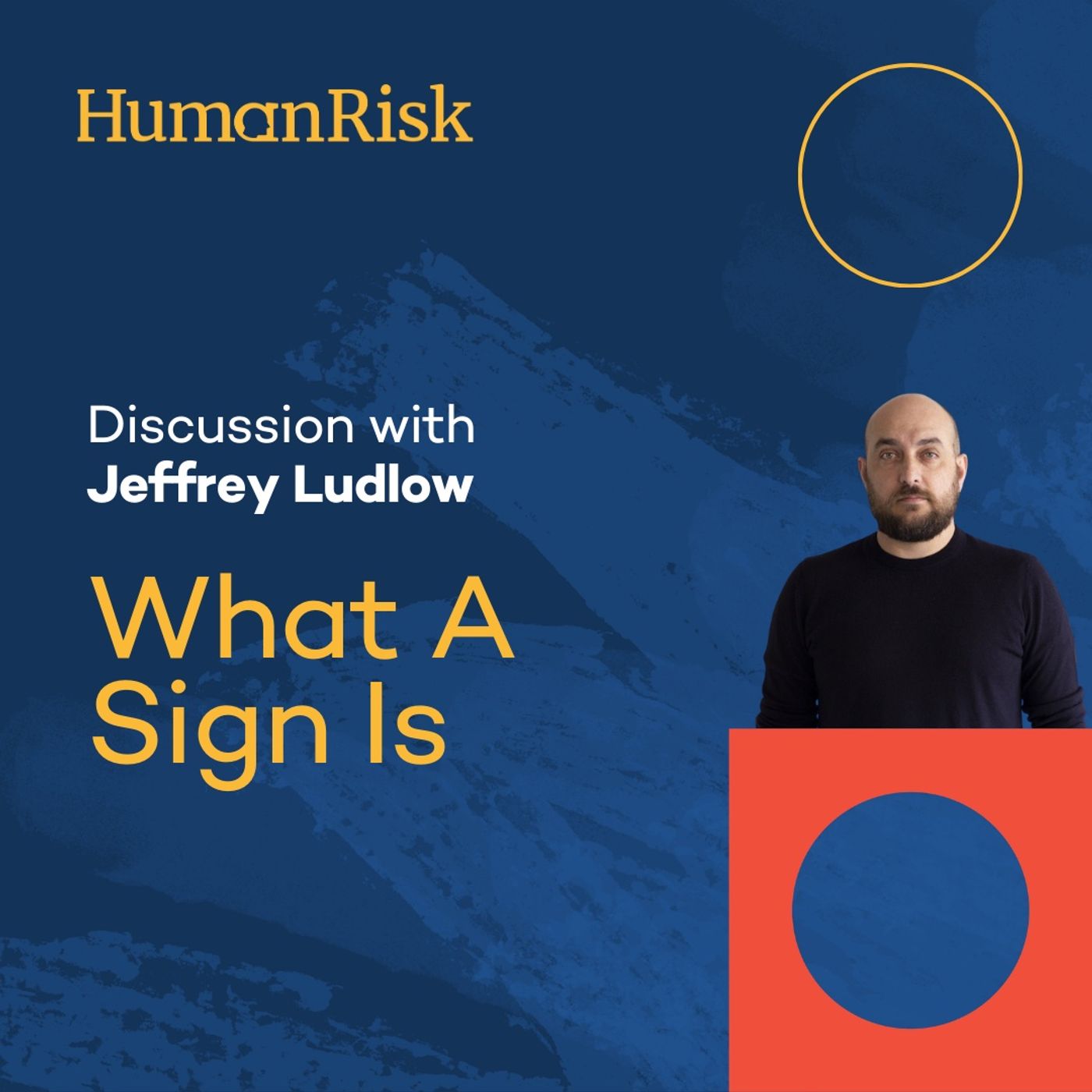
Jeffrey Ludlow on What A Sign Is...
What exactly is a sign? At first glance, that might sound like a strange question. Signs are everywhere: telling us where to go, what to do, what not to do, and sometimes what might happen if we ignore instructions. But as my guest, Jeffrey Ludlow Saentz explains, signs are much more than bits of information on walls or beside roads.Episode Summary Jeffrey is a signage designer who works on complex buildings and environments around the world — airports, offices, museums, and other places where helping people find their way really matters. He’s also the author of A Sign Is..., a fascinating book exploring the history, meaning, and cultural significance of the signs that shape our everyday behaviour.In this conversation, we explore why good signage is often invisible, how buildings “speak” to us through wayfinding systems, and what signs reveal about power, trust, and human behaviour. Along the way we discuss hacked traffic signs, casino design, airport navigation, and why something as simple as an arrow carries centuries of history.AI-Generated Timestamped Summary 00:00 – Introduction: why signs are more interesting than they first appear03:00 – How Jeffrey became a signage designer04:00 – The challenge of helping people navigate complex buildings07:00 – What actually is a sign?09:00 – Why “everything can be a sign”11:00 – The power dynamics behind signage and authority13:00 – How designers observe signage in the real world14:30 – Cultural differences in wayfinding and navigation19:30 – Why Jeffrey wrote A Sign Is..22:00 – The fascinating history of fire safety signage24:00 – Curiosity and the stories hidden behind everyday signs27:00 – Hacked construction signs and unexpected messages31:00 – Trust, authority, and information on signs35:00 – Advertising, nudging, and attention36:00 – Information overload and competing signals39:00 – The learned language of signs and symbols41:00 – Why good signage is “invisible” when it works43:00 – Airports, trust, and wayfinding design46:00 – How people become signage designers47:30 – How casinos, airports, and museums use signs differently50:00 – The psychology of navigation54:00 – Why signage can’t work perfectly for everyone57:00 – Why wayfinding is an art rather than a science01:02:00 – Jeffrey’s book A Sign Is and where to find it01:04:00 – What signs might look like in the future In this episode we discussKey TopicsWhy signage is a form of behavioural communicationHow buildings “talk” to people through wayfinding systemsThe psychology of navigation and spatial awarenessWhy good signage is invisibleHow casinos deliberately make navigation harderWhy museums minimise signs while airports maximise themThe cultural differences in how places are navigatedWhat hacked traffic signs reveal about trust in authorityWhy signs act as nudges that shape behaviourThe limits of signage when designing for large groupsHow digital navigation may change our relationship with physical signsAbout JeffreyJeffrey Ludlow is a signage and wayfinding designer and founder of Point of Reference Studio, a design practice specialising in signage systems, environmental graphics, and branding for public environments. Trained as an architect, Jeffrey’s work sits at the intersection of architecture, graphic design, and behavioural psychology — helping people navigate complex spaces more intuitively. He is the author of A Sign Is, a book exploring the cultural, historical, and behavioural significance of the signs that surround us. Links Jeffrey's book 'A Sign Is...' - https://oroeditions.com/product/a-sign-isPoint of Reference, the Madrid-based studio Jeffrey founded - https://pointofreference.studio/
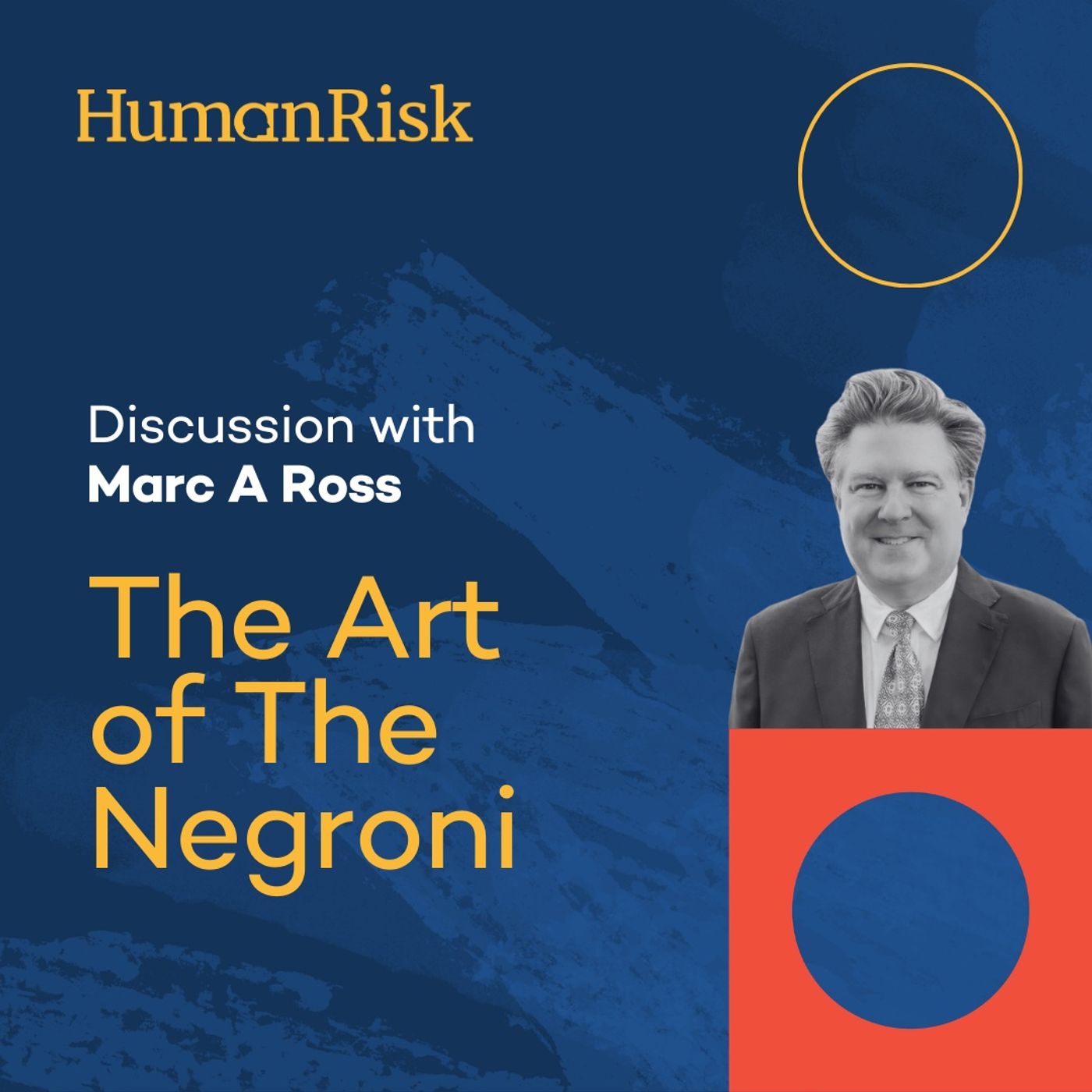
Marc Ross on The Art of The Negroni
What Can a Cocktail Teach Us About Curiosity and Creativity? At first glance, documenting Negronis around the world might sound like a frivolous hobby. But could a simple cocktail become a vehicle for curiosity, experimentation and creative thinking? On this episode, I speaks with geopolitical strategist Marc A Ross about an unusual passion project: ordering and documenting Negronis wherever he travels. What began as a casual habit has evolved into a magazine-style project called 50 Negronis, capturing cocktails from elegant bars to chaotic airport lounges. Along the way, the project has revealed something deeper about travel, culture and the value of experimentation. But as the conversation unfolds, it becomes clear this episode isn’t really about cocktails. Instead it’s about how curiosity leads to discovery, why creative side projects matter, and how experimentation can enrich both our professional and personal lives. Curiosity Starts With Small ExperimentsMarc’s Negroni project began almost accidentally. While travelling frequently for his work as a geopolitical strategist, he started ordering Negronis and photographing them. What made the idea interesting wasn’t a search for the perfect drink.Instead, Marc documented the entire experience — the great cocktails, the mediocre ones, and the truly terrible ones. That curiosity created a lens through which to experience the world differently. Bars became places for conversation, experimentation and discovery, and the project grew into a collection of stories from cities across the globe. Creativity Through PlayA key theme of the conversation is the importance of playfulness. Marc deliberately avoids treating the project too seriously. The photos are simple smartphone snapshots, the documentation is intentionally loose, and the goal isn’t perfection.That approach mirrors how many creative projects evolve; by removing the pressure to produce something “definitive,” the project becomes an experiment. And in the process, it becomes easier to create, learn and iterate. Authenticity, Communication and Personality We also explore how side projects can sharpen professional skills. Marc argues that communicators, leaders and even politicians should experiment creatively and share aspects of their personality. Authenticity matters. Whether it’s documenting cocktails, running unconventional events, or experimenting with new formats, people connect more with ideas that feel genuine. Sometimes the most powerful way to communicate is simply to follow an idea that genuinely interests you.AI-Generated Timestamped Summary00:00 – A cocktail as a conversation starterIntroduction; why Negronis might seem like an unusual topic for a podcast about human behaviour and yet… 02:00 – Recording in Sundance, UtahMarc describes the Brigadoon gathering and its focus on conversation rather than traditional conference formats. 04:00 – The origins of the NegroniMarc explains the history of the cocktail and why it remains a classic drink. 07:00 – The “50 Negronis” projectA disappointing airport Negroni sparks the idea of documenting the drinks Marc encounters while travelling. 10:00 – Capturing cocktails around the worldMarc explains how he photographs the drinks and records the ingredients when possible. 13:00 – Cocktail culture and experimentationThey discuss how bartenders experiment with ingredients and create new variations. 18:00 – Why the details don’t matterThe project becomes less about recipes and more about stories, places and experiences. 22:00 – Learning through experimentationChristian reflects on how creative side projects can help people learn and explore new ideas. 30:00 – Lessons for communicators and politiciansMarc explains why authenticity and personality matter in leadership. 37:00 – Staying curious and having funThe conversation turns to persistence, creativity and the value of pursuing ideas simply because they’re interesting. 42:00 – Where to follow Marc’s workMarc shares details about Brigadoon events and his geopolitical newsletter. Links Caracal Global, Marc’s consultancy and advisory firm - https://www.caracal.global/Brigadoon, Marc’s series of lovingly curated events - https://www.brigadoon.live/ Marc on LinkedIn - https://www.linkedin.com/in/marcaross/ Marc’s previous appearance on the show - https://www.humanriskpodcast.com/marc-ross-on-communication-strategy/ Sundance Mountain Resort - https://www.sundanceresort.com/
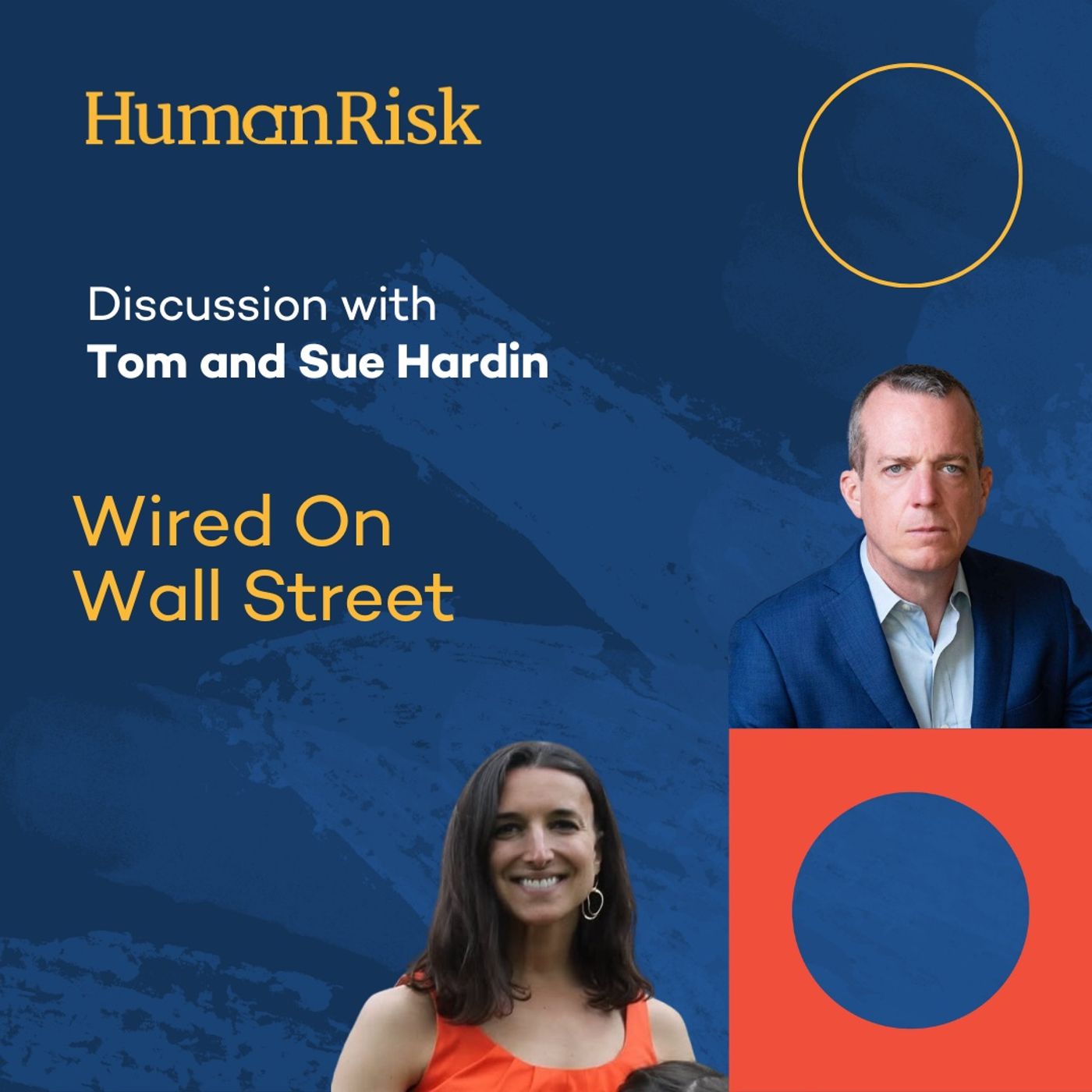
Tom & Sue Hardin On Wired On Wall Street
What’s the difference between a mistake… and a bad decision? My guest knows this only too well. Tom Hardin has been on the show several times before. As Tipper X, he wore a wire for the FBI and helped build the largest insider trading investigation in US history. Since then, he has spent nearly a decade speaking to organisations around the world about slippery slopes, rationalisation, and how good people drift into serious trouble. In this episode, he returns to discuss his new book, Wired on Wall Street. The book goes beyond the insider trading case many listeners already know. It explores the ambition, insecurity and desire for status that shaped his early career, and the patterns he only recognised years later when writing it down. For the first time on a podcast, Tom is also joined by his wife, Sue. She played no role in the trades that changed his life, but her life was dramatically altered by them. She reflects on discovering the truth, keeping a secret that wasn’t hers, facing sentencing uncertainty, and what it means to rebuild together. This conversation isn’t really about insider trading; it’s about character.Key ThemesWhy calling something a “mistake” can soften accountabilityThe psychology of slippery slopes and rationalisationStatus anxiety and the need to belongResume virtues vs eulogy virtuesShame versus guilt — and why the distinction mattersThe hidden impact of ethical failure on spouses and familiesWhat writing a book can reveal that telling a story on stage cannotThe freedom that comes from having nothing left to hideTom’s story is unusual; the human dynamics behind it are not.AI-Generated Timestamped Summary00:00 – More than insider tradingWhy this conversation is about character — guilt vs shame, mistakes vs bad decisions, and the cost of ethical drift. 02:30 – The story in briefTom recaps becoming “Tipper X” and helping build the largest insider trading investigation in US history. 03:15 – Why write the book now?After a decade of speaking, Tom explains what finally pushed him to put the full story — childhood, ambition, insecurity — on paper. 08:00 – The deeper patternFrom Georgia to the Ivy League to hedge funds: the outsider mindset, status anxiety, and the slippery slope. 16:00 – Small decisions, big consequencesEarly corner-cutting, rationalisation, and the fraud triangle in action. 26:00 – Resume virtues vs eulogy virtuesHow Tom’s definition of success changed — and the difference between shame and guilt. 31:00 – A simple test for integrityOne question that could replace most Codes of Conduct:Are you willing to be held accountable for this decision? Sue’s Perspective 40:30 – The night she found outShock, disbelief, and the future collapsing in an instant. 44:00 – Keeping a secret that wasn’t hersWhite lies, reputational fear, and the strain of silence. 49:00 – Sentencing dayWhy she insisted on being there — no matter the outcome. 52:30 – Reinvention and resilienceStay-at-home dad years, ultramarathons, and rebuilding a life together.LinksWired on Wall Street: www.tipperx.com/bookTipper X Website: www.tipperx.comTom's previous appearances on the show:Tom's experience as FBI Informant Tipper X - https://www.humanriskpodcast.com/tom-hardin-on-his-experience/Turning Crime Into A Calling - https://www.humanriskpodcast.com/tom-hardin-on-turning-a-crime-into-a-calling/Tom's Substack: https://substack.com/@tipperxTom on LinkedIn: https://www.linkedin.com/in/tipperx/

Charlie Hurst, Tom Noble and Will Sudlow on Flat White or F*ck Off
What happens when someone runs with a business idea they've heard as a thought experiment on a podcast? Can a business have an expletive in its name? And is it possible to run a business that sells a single very specific product?Episode SummaryOn this episode, I’m joined by Charlie Hurst, Tom Noble and Will Sudlow — the founders of Flat White or F*ck Off*, a coffee brand inspired by a thought experiment by friend of the show,Rory Sutherland. The concept is simple: sell one thing — flat whites — and if you want something else… the answer’s in the name. ⚠️ *Given the name of the business, this episode contains a lot of swearing!Within four months of hearing the idea on Jamie Laing’s Great Company podcast, they’d banded together — having never met but being isnpired to give the business a go — built a brand, grown an audience of tens of thousands, and served 1,500 flat whites in a single day at a London pop-up. Most people would've treated Rory's idea as an interesting thought experiment. But Charlie, Tom and Will decided — with Rory's blessing — to actually build it.In an extended conversation, we explore what it means to:Build a brand before you have a productGrow an audience before you open a shopShare your financials publiclyDeliberately polarise rather than pleaseDiscover why Charlie, Tom and Will spent £22,000 on a one-day loss-making pop-that served as a live experiment; part marketing, part proof of concept, part behavioural case study.We discuss why constraint can be liberating, why queues affect perceived quality, how social proof shapes demand, and why narrowing your audience can be more powerful than trying to attract everyone.This isn’t just a story about coffee. It’s about conviction, creative constraint and what happens when you deliberately ignore conventional business wisdom.Guest Bios Charlie HurstDesigner and brand builder. Charlie created the original visual identity for Flat White or F*ck Off after seeing Rory’s idea online.Tom NobleEntrepreneur and digital builder. Tom documented the entire journey in public, helping grow the brand’s audience before a single coffee was sold.Will SudlowCo-founder of experiential agency The Impossible. Will brought production expertise to turn the idea into a large-scale pop-up event.AI-Generated Timestamped Summary00:00 – From Thought Experiment to Real Business: why this is more than a coffee story. 03:00 – Hearing Rory’s Idea: how Charlie, Tom and Will discovered the concept and decided to act on it.08:00 – Building in Public: growing an audience before having a physical product; documenting everything online.15:00 – One Product Only: why selling just flat whites is a strategic constraint — and a behavioural signal. 25:00 – The Pop-Up Experiment: erving 1,500 coffees in a day; spending £27,000 as a marketing investment.35:00 – Polarisation & Backlash: criticism, online sceptics and why not being for everyone is the point.50:00 – Perception, Queues & Behaviour: what they learned about speed, quality signals and social proof.01:05:00 – Risk, Conviction & Entrepreneurship: why building something in public is both terrifying and liberating.01:20:00 – What Happens Next: scaling, experimentation and staying true to the core idea. LinksRory on Jamie Laing’s Great Company podcast - https://shows.acast.com/great-company/episodes/rory-sutherland Flat White or F*ck Off - https://flatwhiteorfckoff.com/Instagram - https://www.instagram.com/flatwhiteorfckoff/TikTok - https://www.tiktok.com/@flatwhiteorfckoff/ LinkedIn - https://www.linkedin.com/company/flat-white-or-fck-off/ The co-foundersTom on LinkedIn - https://www.linkedin.com/in/thomasnoble1992/ Charlie on LinkedIn - https://www.linkedin.com/in/charlie-hurst-715364150/Will on LinkedIn - https://www.linkedin.com/in/willsudlow/Ask The Impossible - https://asktheimpossible.com/Rory's appearances on this show:https://www.humanriskpodcast.com/rory-sutherland-on-compliance/ https://www.humanriskpodcast.com/rory-sutherland-paul-craven-on-alchemy-magic/ https://www.humanriskpodcast.com/gerald-ashley-rory-sutherland/ https://www.humanriskpodcast.com/rory-sutherland-gerald-ashley-paul-craven-at-abbey-road-part-one/






Get this podcast on your phone, Free


Create Your Podcast In Minutes
- Full-featured podcast site
- Unlimited storage and bandwidth
- Comprehensive podcast stats
- Distribute to Apple Podcasts, Spotify, and more
- Make money with your podcast
