
Society & Culture:Philosophy
Ramadan: Is optimism a virtue, or a form of moral evasion?
For the last two episodes, we’ve been discussing what might be called negative or aversive responses to radical disappointment with the world — even though, as we’ve seen, both despair and fear have characteristics which commend them. In the next two episodes, we’re turning to rather more positive responses.
There is little doubt that pessimism enjoys a certain cultural cache these days. It is easy to say that things are bad and getting worse. And yet such a claim can have a corrosive effect on the democratic bonds on which the very possibility of change depends.
Likewise, the demand on the part of some to be optimistic — whether that is the meliorist appeal that “it’s not all that bad”, or the political pledge that “the guardrails will hold”, or the techno-utopian promise that “technology will save us” — can act as a pressure-release valve on our moral emotions. At worst, such optimism can function as what Martin Luther King, Jr. called the “tranquilizing drug of gradualism”.
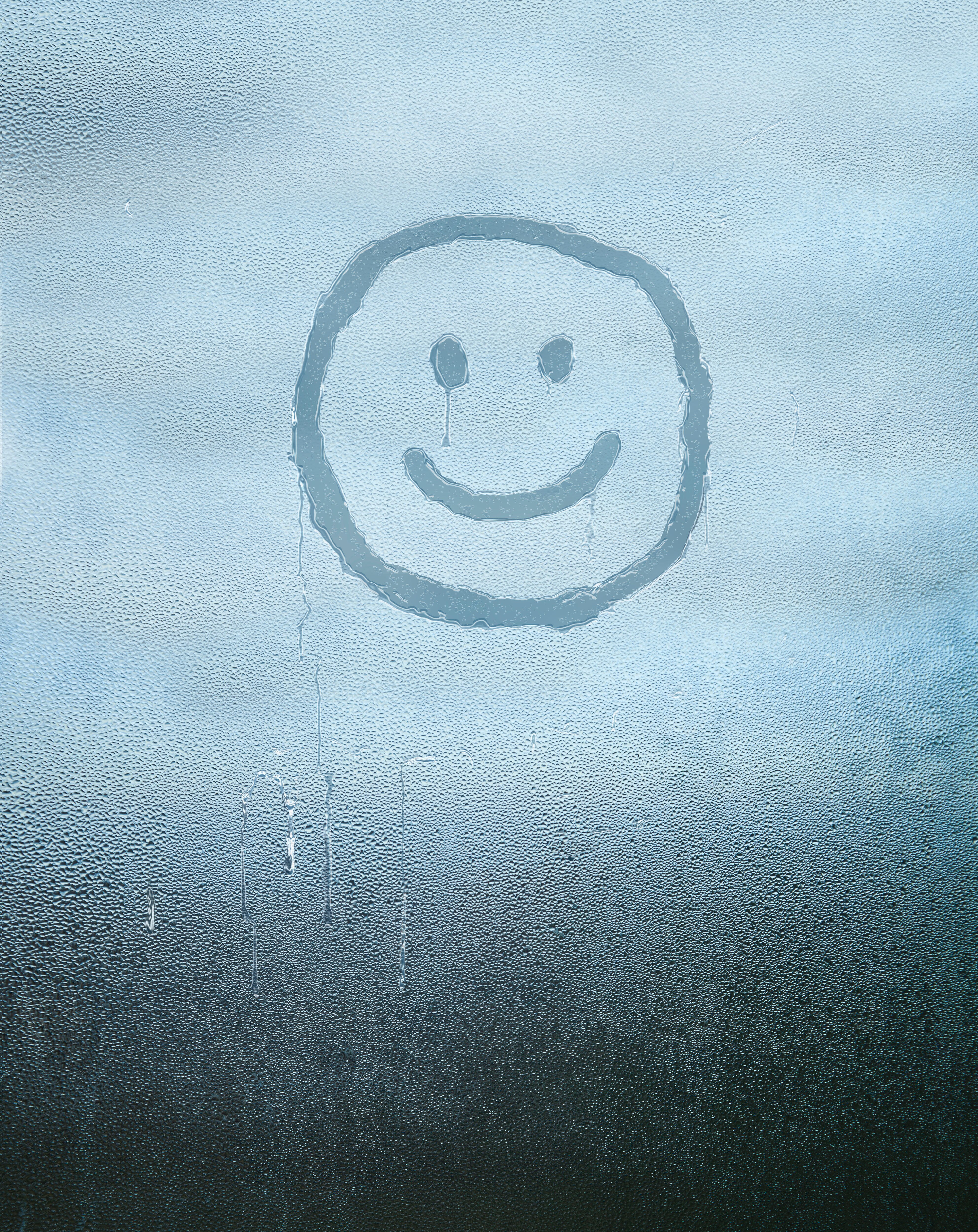
So does optimism absolve us of moral agency, or is a tempered optimistic disposition — what we could call a certain “cheerfulness” — the condition of possibility whereby we are willing to rely upon one another and entrust ourselves to each other’s care?
—
Upcoming live events:
In the first week of April, as part of a special “Week with Students” — a joint initiative by Radio National and ABC Education — Waleed Aly and Scott Stephens will be recording two episodes of The Minefield with an audience of Year 11-12 students, parents and teachers.
Are we on the brink of a world without books?
The irony is unavoidable: a novel that imagines a world in which books are banned — and in which entertainment has swallowed up education — has earned a stable place on the Australian high school curriculum. For this live recording of The Minefield, Waleed Aly and Scott Stephens are leaning all the way into that irony and will discuss Ray Bradbury’s novel “Fahrenheit 451” with students, parents and teachers at the Parramatta Library. The future Bradbury imagined in 1953 has never felt closer; is it too late to heed his warning?
- When: Friday, 4 April 2025. Arrive at 5:30pm for a 6:00pm start.
- Where: Parramatta Library, 5 Parramatta Square, NSW.
- Register your interest on Eventbrite.
Is AI a technology to be feared, or a tool to be taught?
Over a short period of time, AI has become pervasive. Immensely powerful platforms have placed artificial intelligence at our fingertips, and more than two-thirds of Australian students admit to using AI chatbots like OpenAI’s ChatGPT and Microsoft’s Copilot. But as with any technology, alongside the convenience and new capabilities come certain risks and unforeseen consequences. The debate is raging over what it would take to ensure that AI’s power can be made to serve the common good. Is education and greater technological literacy part of the solution?
- When: Saturday, 5 April 2025. Arrive at 10.30am for an 11:00am start.
- Where: ABC Ultimo, 700 Harris Street, Ultimo, NSW.
- Register your interest on Eventbrite.
More Episodes
 2026-03-18

Get this podcast on your
phone, FREE