Episode List
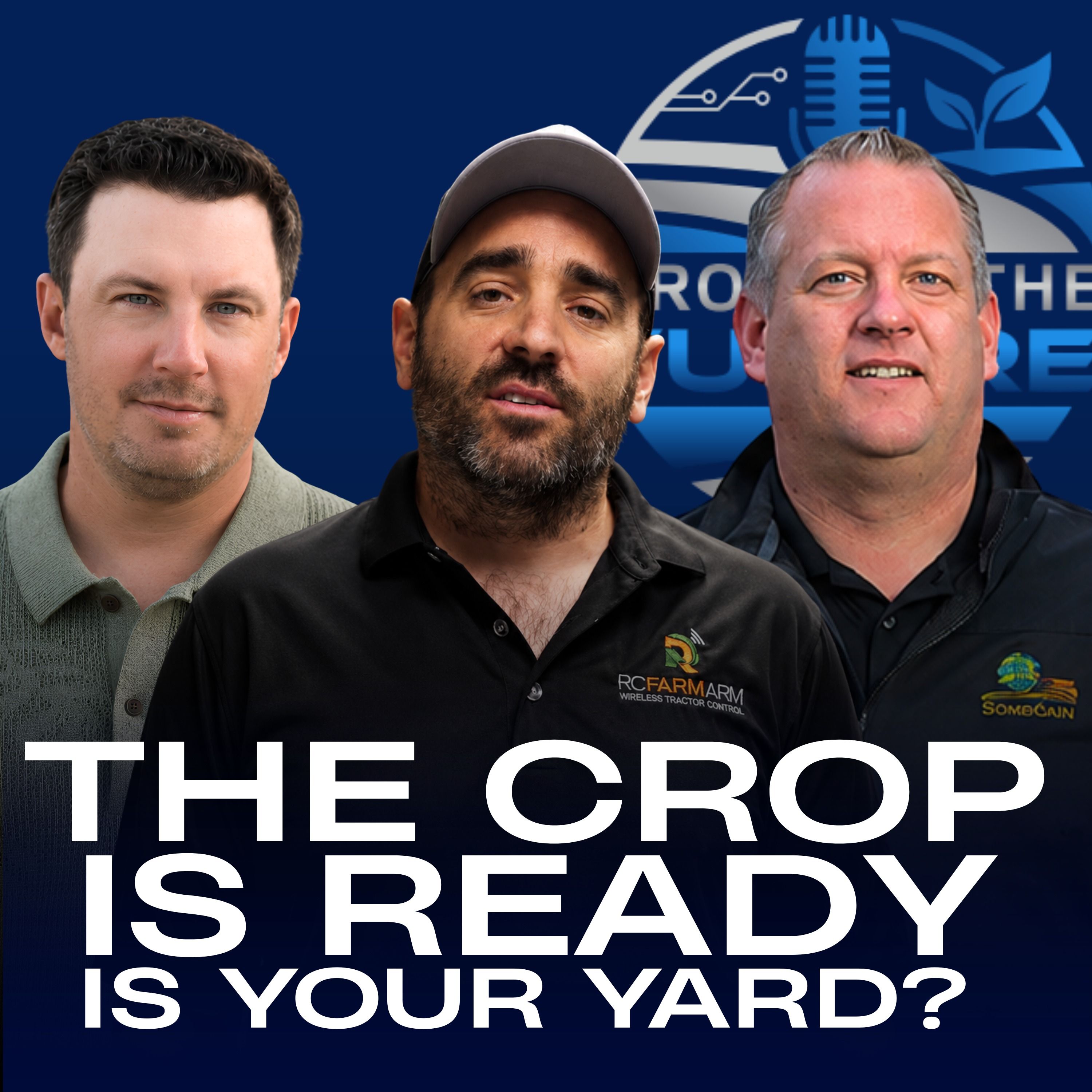
The Crop Is Ready. Is Your Yard?
A $1.2 million combine is only as fast as the slowest part of the yard behind it, and for most harvests, that slow part isn't the field. It's the space between the combine and the bin: the trucks, the augers, the dryer, and the person running between all three. Dan Aberhart brought three operators together who've each solved that bottleneck a different way, from a hundred-thousand-dollar retrofit to a fully automated grain-handling site eight months and one generation in the making. What's Inside • How Brennan McArthur built an automated grain-handling system near Watrous that dumps a legal Super B in about eight minutes, and what actually pushed him to build it • Vince Pawluski's remote-control retrofit kit that lets one operator run more than one machine, and the real dollar cost of an idling tractor • Trevor Scherman on why a magnetic drop pan is still the cheapest data-collection device on the farm, even as combine automation does more of the calibration itself • What each guest thinks won't be automated for years yet, and why the combine seat is the last one they expect to see empty • Where smaller automated units fit against Western Canada's big-iron reality, and why swarm technology hasn't earned trust yet If the data side of this conversation landed for you, look for the back-catalog episode with sprayer specialist Tom Wolf on calibration and coverage. It's the same instinct Trevor brings to a drop pan, applied to the boom instead of the header. Resources Mentioned • SureGain (Trevor Scherman's harvest data and drop pan work) • LV Control (Winnipeg-based grain handling automation) • John Deere Operations Center (JD Ops) • Agromatix Pro • STARS Air Ambulance Connect • Connect with Trevor Scherman: SureGain • Connect with Vince Pawluski • Connect with Brennan McArthurConnect with Growing the Future Website: growingthefuture.ca YouTube: Growing the Future Instagram: @growingthefuturepodcast LinkedIn: Growing the Future Subscribe to the Growing the Future Podcast wherever you listen, and register for Convergence Conference 2027 at convergence.ag. Register for the Convergence Conference at convergence.ag and stay updated by subscribing to the Growing the Future Podcast at growingthefuturepodcast.ca.
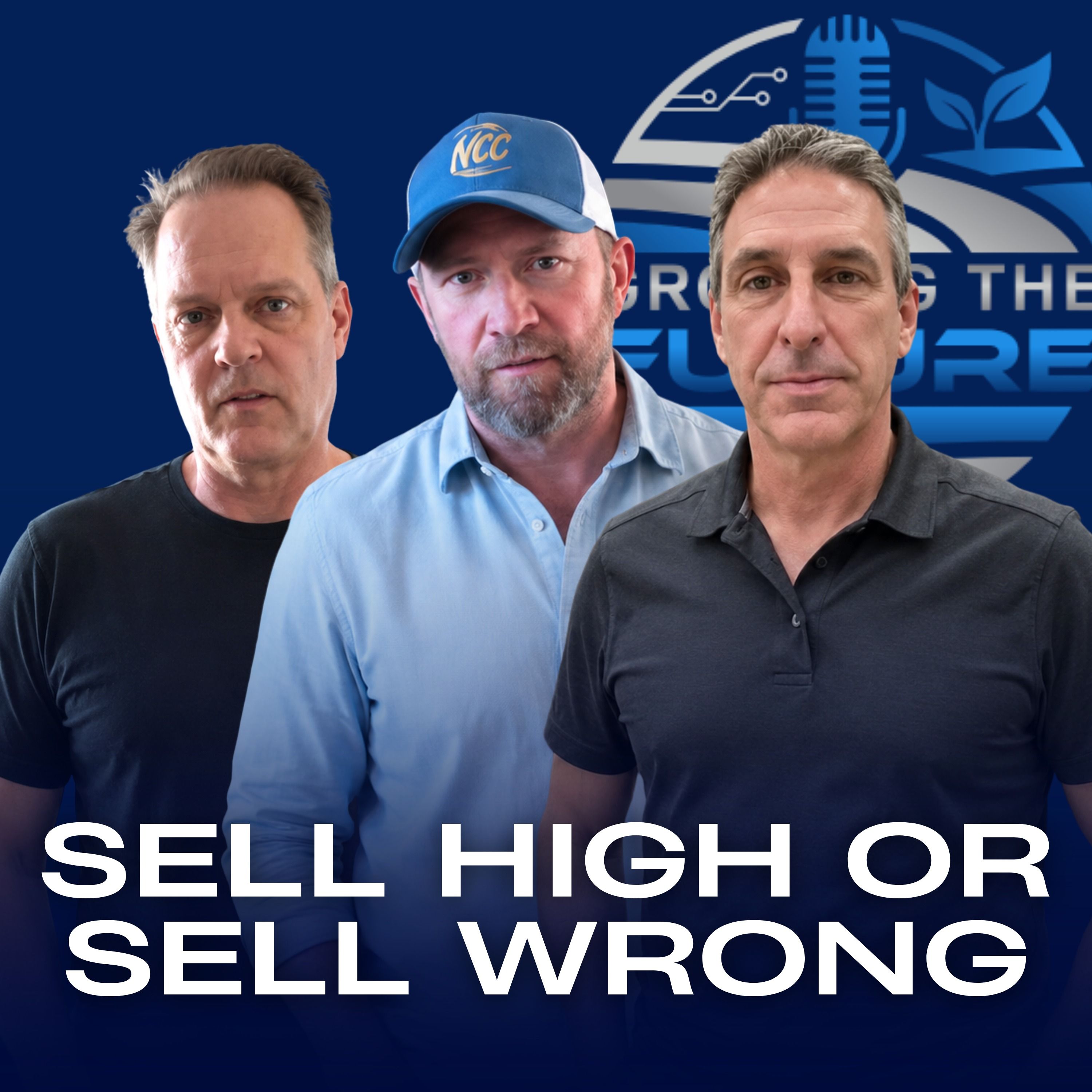
Sell High or Sell Wrong - A Pre-Harvest Market Briefing
Canola's up on a good rally, fertilizer's down from its spring highs, and for the first time in a while, Western Canadian producers have a little swagger back. But every rally raises the same question: is this the one you lock in, or the one that convinces you to wait too long? Dave Norris of Norris Crop Consulting and Todd Rowan of IXL Innovations, two grain marketing advisors working with the top tier of Western Canadian producers, join Darren Sander of Crop Aid Nutrition, a working farmer near Rosetown, Saskatchewan, to read where this crop actually stands and what it means for pricing decisions this fall. The math is tight. Two bushels an acre off the Canadian canola average works out to about a million tons. With crush running at 14 million tons and exports near 9 million, a crop landing at 21 million tons instead of 23 leaves someone rationed. The panel breaks down the real story on crop size, why China stepping back into the market matters more than most producers realize, and what the fertilizer and fuel numbers actually tell you about locking in the 2026 crop now. What's Inside Why 2 bushels off the Canadian canola average works out to about a million tons, and what that means for pricing What it means when 14 million tons of crush and 9 million tons of exports meet a crop that might land at 21 million tons Why China stepping into the canola market in August is a signal worth watching, and what it tends to wake up in other buyers Why fertilizer at $850 a ton looks different once you compare it to what canola is actually worth right now The real reason most producers miss good pricing windows: they respond to a push notification, not a website they have to remember to check A live read on the August USDA report as it dropped, and what it changed in the room in real time If this conversation makes you think about who's actually watching your marketing decisions, go back in the catalog for our episode with Derek Squair on what a grain market coach actually gets paid to do, a conversation that asks the same question from the other side of the table. Resources Mentioned Norris Crop Consulting IXL Innovations Crop Aid Nutrition's soil health program Connect with Dave Norris www.nccag.ca Connect with Todd Rowan Text 306-260-3353 Connect with Darren Sander Crop Aid Nutrition Connect with Growing the Future Website: growingthefuture.ca YouTube: Growing the Future Instagram: @growingthefuturepodcast LinkedIn: Growing the Future Subscribe to the Growing the Future Podcast wherever you listen, and register for Convergence Conference 2027 at convergence.ag. Register for the Convergence Conference at convergence.ag and stay updated by subscribing to the Growing the Future Podcast at growingthefuturepodcast.ca.
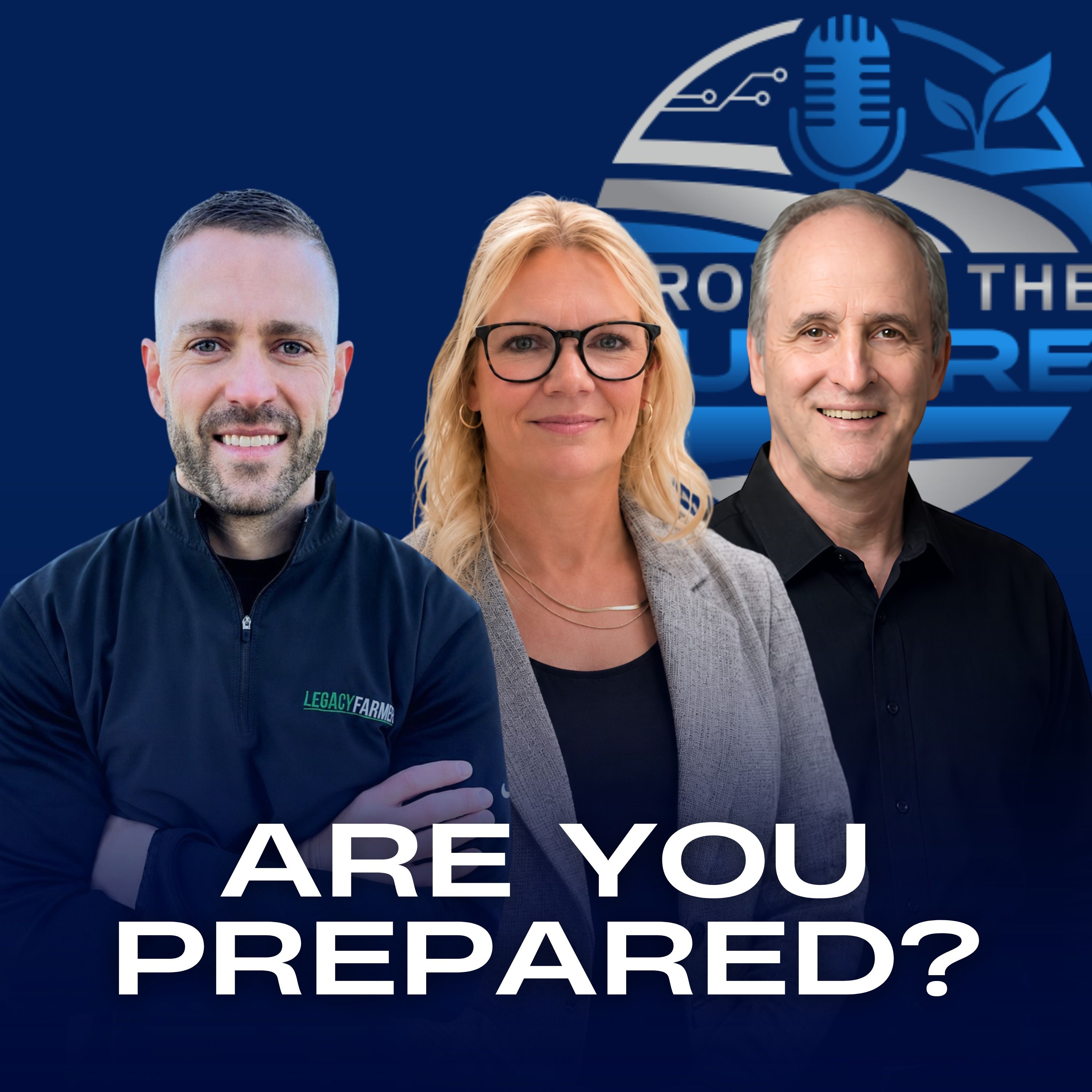
Farm Succession Planning Canada: Are You Prepared?
Picture the one person your farm cannot run without. Now picture their chair empty tomorrow morning. Can someone else access the accounts, make payroll, or explain what the farm owes and why? If those answers only live in one person's head, the farm is not prepared, no matter how good the balance sheet looks. Jace Young grew up watching his grandfather's 55 year, multimillion dollar Kansas farm operation collapse into bankruptcy in 2005, then built Legacy Farmer to help other families get their financial house in order before the same thing happens to them. Jolene Bolding, Manager of Advisory Services at Farm Credit Canada, has her own story of a farm sale her family decided on before she ever got a seat at the table. Wade Berlinic, Associate Broker with Hammond Realty's Ag Exits and Acquisitions Strategies team, sees what happens when that conversation gets put off until the land is already on the market. Together they walk through why only 12 percent of Canadian farms have an actual transition plan, what it costs a family when nobody has one, and the five stage process Jace uses to move an operation from financial blind spots to a plan everyone in the family can actually see. What's Inside - Why a farm can look bulletproof on paper and still not be prepared for one empty chair - The story behind Jace Young's grandfather losing a 55 year, multimillion dollar Kansas operation, and what it did to the family afterward - Why only 12 percent of Canadian farms have a written transition plan, and what that gap actually costs - The five stage process Legacy Farmer uses to move a family from financial blind spots to a real plan: Position, Production, Profit, Protection, and Prosper - Why the conversation almost never starts with the numbers, it starts with pride, ego, and who is willing to ask for help - What $55 billion in Canadian farm assets transferring in the next decade means for every family still putting this conversation off If this conversation hits home, go back in the catalog for our episode with Elaine Froese on farm family transition and communication, one of the clearest voices in Western Canada on getting these conversations started before they're forced. It also pairs well with our conversation with Robert Andjelic on where farmland capital is actually moving right now. Resources Mentioned Legacy Farmer's five stage framework: Position, Production, Profit, Protection, Prosper Connect with Jace Young LegacyFarmer.com Connect with Jolene Bolding Reach out to your local FCC field office to connect with a business advisor Connect with Wade Berlinic - Hammond RealtyConnect with Growing the Future Website: growingthefuture.ca YouTube: Growing the Future Instagram: @growingthefuturepodcast LinkedIn: Growing the Future Subscribe to the Growing the Future Podcast wherever you listen, and register for Convergence Conference 2027 at convergence.ag. Register for the Convergence Conference at convergence.ag and stay updated by subscribing to the Growing the Future Podcast at growingthefuturepodcast.ca.
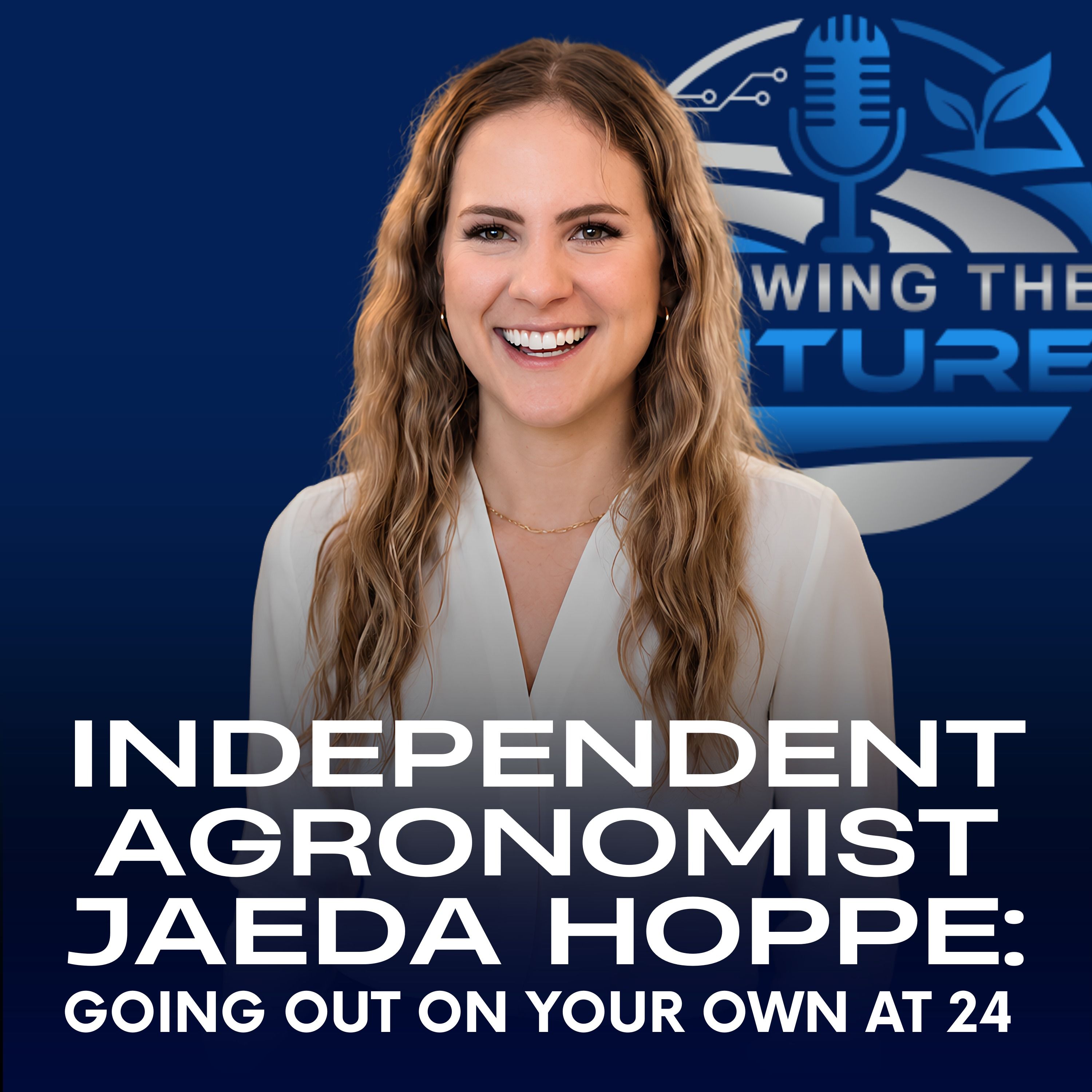
Independent Agronomist Jaeda Hoppe: Going Out on Your Own at 24
Every farmer has somebody they call. The story we tell about that is a farmer who doesn't know what he's doing, hiring someone else to think for him. Jaeda Hoppe thinks that story is wrong. She went independent at 24, after two of her clients tracked her down through her mother's hair salon and asked her to work for them privately. Four years later, she still has the same five clients she started with. This conversation is about what she actually gets paid for, once the theory runs out. What's Inside - What a producer is actually paying an independent agronomist for, once the theory runs out - Why she recommends every young agronomist start in ag retail, even though almost nobody treats it as an end goal - The built-in objectivity problem when a retailer's margin depends on which product they recommend - Why she's seen close to zero measurable results from the biological products she's evaluated - Compartmentalizing stress: the skill she says separates the farmers and agronomists who last from the ones who don't - Her weekly Sunday text subscription sharing field observations, and why she built it Connect with Jaeda Hoppe Hoppe AgronomyConnect with Growing the Future Website: growingthefuture.ca YouTube: Growing the Future Instagram: @growingthefuturepodcast LinkedIn: Growing the Future Register for the Convergence Conference at convergence.ag and stay updated by subscribing to the Growing the Future Podcast at growingthefuturepodcast.ca.

Cover Crops Western Canada: Does It Pay on Prairie Acres?
John Kempf, Melissa Werkema, and Kevin Elmy on Regenerative Economics GTF Productions Live Briefing, in partnership with Sask Soils | August 5, 2026 17,000 farmers registered for a national program teaching cover cropping, nitrogen management, and grazing. 10,000 are actively engaged. When surveyed, 89% said they had already implemented, expanded, or enhanced one of those practices. The holdup was never belief. It was cost, cash flow, and not knowing the ROI. This briefing puts three specialists on that exact question, with the economics front and center the whole way through. What's Inside - John Kempf's nitrogen protocol: ammonium and nitrate ratios, replacing 25% of your first 100 units of nitrogen with sulfur, and why foliar urea outperforms soil-applied nitrogen 4 to 1 - The trace minerals, boron, manganese, cobalt, and molybdenum, behind a claimed 25 to 30 percent yield bump - Why the form of a nutrient matters more than the amount on your soil test, and how sap analysis catches what a standard report misses - Cover cropping as functional plant groups, and the economics of building soil through custom grazing - Why ruminant manure, bison and cattle specifically, builds soil biology that cold-climate soils can't get any other way - What actually triggers a producer to change practices, and why it's rarely curiosity If you want more on tissue and sap testing, look for the Late Crop, Right Call and Tissue Testing episodes in the GTF Podcast back catalog. Resources Mentioned Advancing Eco Agriculture Cover Crops Canada -- Kevin Elmy's consulting practice, author of Not Just Dirt Sask Soils (Saskatchewan Soil Conservation Association) Farmers for Climate Solutions, FARM program -- funding partner behind this briefing Rangeland Bison -- Dean Andrus Connect with John Kempf Advancing Eco Agriculture Connect with Melissa Werkema Future Analytics -- Red Deer, Alberta Connect with Kevin Elmy Cover Crops Canada Connect with Sask Soils sasksoils.ca -- annual conference February 10-11, 2027 in Regina (Sask Soils' 40th anniversary), cover crop workshops this fallConnect with Growing the Future Website: growingthefuture.ca YouTube: Growing the Future Instagram: @growingthefuturepodcast LinkedIn: Growing the Future Register for the Convergence Conference at convergence.ag and stay updated by subscribing to the Growing the Future Podcast at growingthefuturepodcast.ca.
You may also like





Get this podcast on your phone, Free


Create Your Podcast In Minutes
- Full-featured podcast site
- Unlimited storage and bandwidth
- Comprehensive podcast stats
- Distribute to Apple Podcasts, Spotify, and more
- Make money with your podcast
