Episode List
The Bottom Line Business Awards 2026
From breakthrough products and inspiring leadership to marketing disasters and strategic own goals, a panel of business leaders choose the winners and losers from the last 12 months in business. Evan Davis hosts The Bottom Line's unofficial annual awards, where the only prizes are the praise or pillory of the judges.Guests: Nicola Hodson, Deputy President, techUK Peter Bazalgette, former Chair, ITV Edwina Dunn, Co-founder, dunnhumby Production team: Presenter: Evan Davis Producers: Sally Abrahams and Nick Holland Sound engineers: Dave O’Neill and Tim Heffer Production Co-ordinator: Katie Morrison
Twenty Years in Business
The Bottom Line has been on BBC Radio 4 for twenty years. The programme was first broadcast in 2006. Back then smartphones weren't on sale, Facebook had only just gone public and people still went to Blockbuster to rent videos and DVDs. Tony Blair was prime minister, a litre of fuel cost 90p and interest rates stood at 4.5 per cent. Since then there's been a financial crash, we've had energy price shocks, Brexit and a pandemic. Evan Davis is joined by a panel of guests, who first appeared in the early years of the show, to reflect on how the business landscape has changed over that period of time. Guests: Nicola Horlick: CEO of Money & Co Robin Wight: Advertising Guru Kim Winser: Luxury Brand Consultant Alex Cheatle: CEO and founder of Ten Lifestyle Group PlcPresenter: Evan Davis Producer: Sally Abrahams & Nick Holland Sound: Dave O'Neil Production Coordinator: Katie Morrison Editor Sam Bonham
Imposter Syndrome
Success doesn't always bring confidence. In fact, some of the most accomplished people privately worry they're not as capable as everyone believes. They live with a nagging fear that one day, they'll be exposed as a fraud. It’s often called imposter syndrome, and can affect anyone, at any stage of their career.Evan Davis and guests explore what imposter syndrome really is, why it happens and how it can hold people back. And they'll share practical tips and strategies for quietening that inner critic and building confidence. Guests: Andy Ransom, former CEO, Rentokil and now chair designate, Teenage Cancer Trust Katy Leeson, former MD, Social Chain and founder of Courageous Dr Valerie Young, co-founder, the Imposter Syndrome Institute Production team: Presenter: Evan Davis Producers: Sally Abrahams and Nick Holland Production co-ordinator: Liam Morrey Sound engineer: Dave O’Neill Editor: Justine Lang
The Costs and Benefits of Business Regulation
Few disagree we need business regulations to protect the rights of workers and consumers, ensure markets operate fairly and set standards for a whole host of industries. However, one thing some business owners get frustrated about is the amount of regulation they have to comply with. It's not just that we over-regulate, they also complaint that we're slow to regulate too, causing unnecessary and expensive delays. Evan Davis explores the nature of the regulatory landscape in the UK and assesses whether we fairly weigh up their costs and benefits. Presenter: Evan Davis Producer: Sally Abrahams & Nick Holland Sounds: Neil Churchill and Rod Farquhar Production Coordinator: Katie Morrison Editor: Sam BonhamGuests: John Fingleton: CEO of Fingleton Consultancy Polly Dhaliwal: COO of Enterprise Nation David Buttress: Co-Founder of Just Eat
Digital Nomads
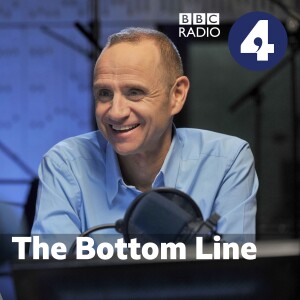
Evan Davis hosts the business conversation show




Get this podcast on your phone, Free


Create Your Podcast In Minutes
- Full-featured podcast site
- Unlimited storage and bandwidth
- Comprehensive podcast stats
- Distribute to Apple Podcasts, Spotify, and more
- Make money with your podcast
