
Episode List

Can AI tackle aviation’s climate problem?
Cloudy lines in the sky, caused by aircraft engines, are called contrails. They're harmful to the environment. Now a project is underway, using AI, to reduce the amount generated. It's called Operation Blue Skies, and we speak to Google about their involvement.Also this week: we look at three very different approaches taken by manufacturers to help children and adults have a healthy relationship with mobile phones. And AI detectors - how do they work?Presenter: Shiona McCallum Producer: Tom Quinn(Photo: A large four engine passenger jet flies at high altitude. The sky is blue, and the jet engines are emitting white cloudy trails, known as contrails. Credit: Getty Images)
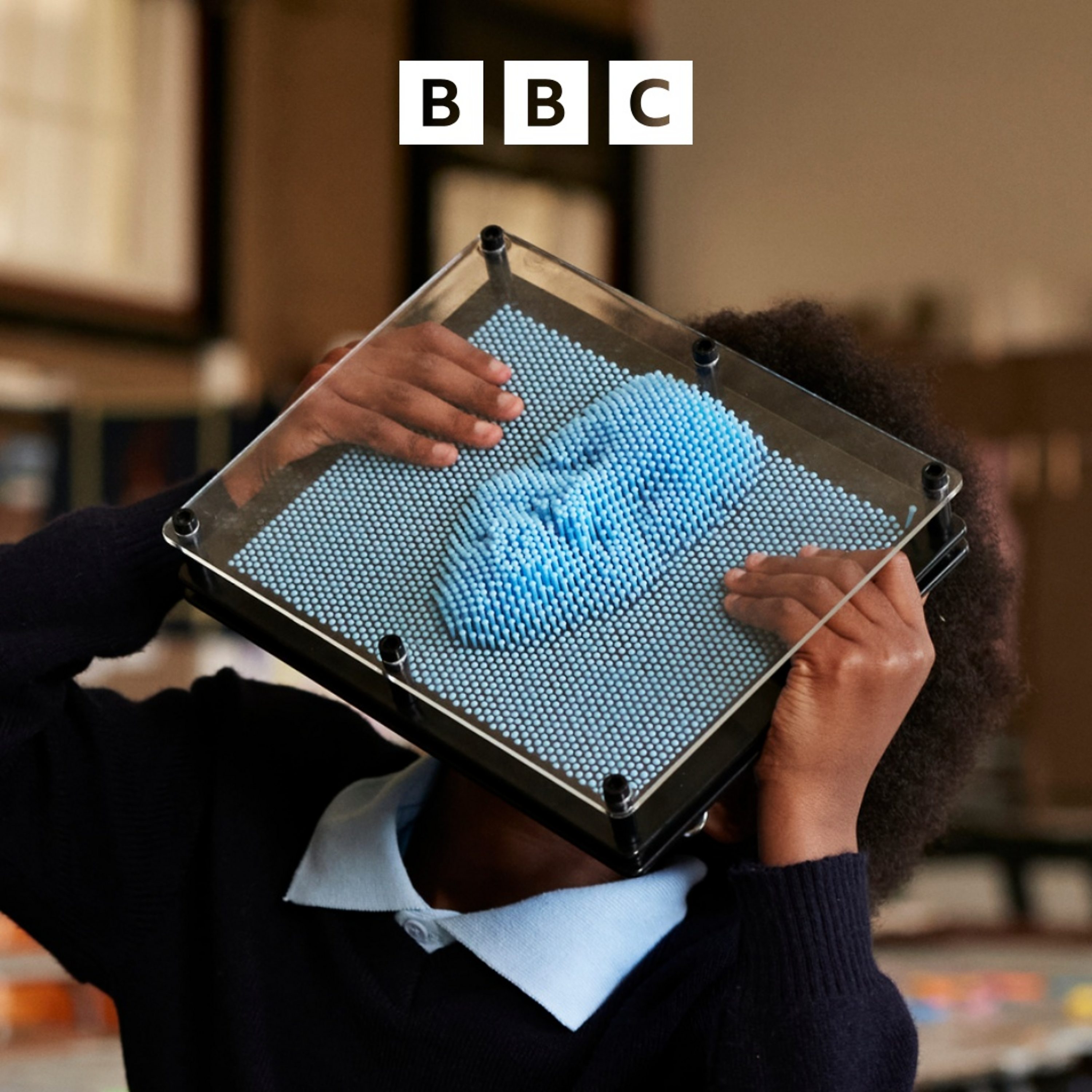
School deepfake ransoms
For many schools, it’s normal to post pictures of their own pupils online, either celebrating events or for marketing. But these photos could also be taken by criminals and used to make distressing deepfake AI images. We speak to the founder of a company which says it has a solution. Also on the programme, the incredible ways graphene can augment our senses – including to smell for diseases. And the student with dyslexia who invented his own tech to help him through his course.Presenter: Chris Vallance Producer: Imran Rahman-Jones(Image: A child places a metal pin impression toy over their face, so they cannot be identified. Credit: Getty Images)
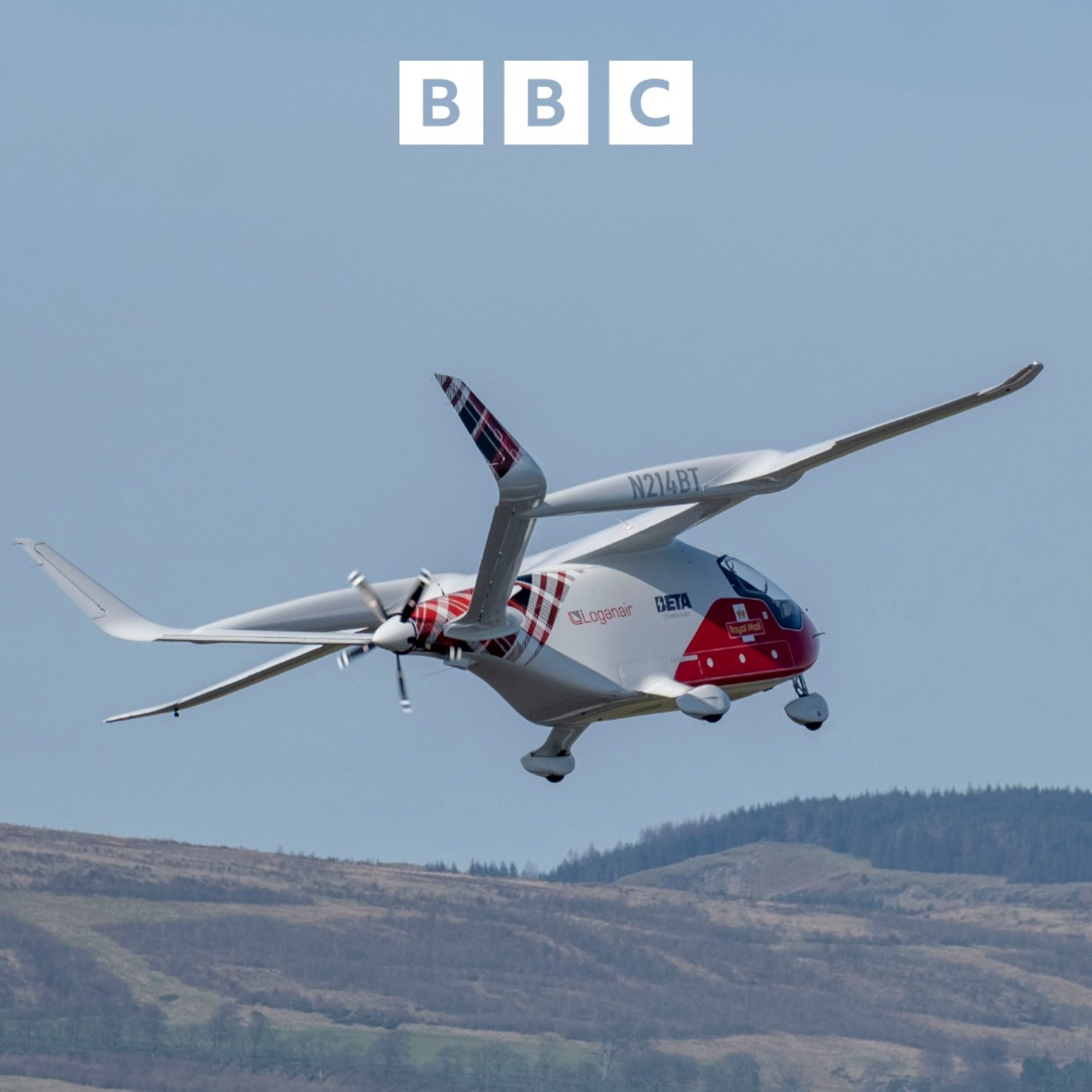
The future of flying?
The transition from petrol to electric cars is well underway. But why are most aircraft in the skies still burning jet fuel? We look at new developments in electric aviation. Also this week: keeping children safe online - a leading international child charity talks to Tech Life.Presenter: Shiona McCallum Producer: Tom Quinn(Photo: An all-electric CX300 aircraft from BETA Technologies takes part in a demonstration flight in Scotland. It is a small white aircraft, flying at low altitude. The propeller can be seen at the rear of the fuselage. Credit: Loganair/BETA Technologies)

Understanding AI Agents
AI agents carry out tasks autonomously on behalf of users. But what are they capable of, and what do we need to know about them? With AI agents in the news, we speak to an expert.Also this week: can AI make the process of recruiting employees better? And we find out about the campaign to teach AI how to represent people with limb loss.Presenter: Chris Vallance Producer: Tom Quinn(Image: In the foreground, a hand holds a smartphone. The screen displays an AI Agent, with various task options available. The background is blurry and coloured blue. Credit: Getty Images)

Smell the future
The nose of a dog is incredibly sensitive. And odour contains information. With the help of AI, electronic 'noses' are being used to sniff out complex odours, including diseases. Chris Vallance visits a company developing the technology.Also this week: Shiona McCallum is in Paris to see the tech that can help us understand sleep. And Liv McMahon accompanies Chris on a walk in a park. There, they try one of many bird identification apps that are proving a hit, especially with younger users.Presenter: Chris Vallance Producer: Tom Quinn(Image: A photo of a cute mixed breed dog with black fur. It is sitting down, looking up at the camera. Its nose is prominent in the foreground. Credit: Getty Images)










Get this podcast on your phone, Free


Create Your Podcast In Minutes
- Full-featured podcast site
- Unlimited storage and bandwidth
- Comprehensive podcast stats
- Distribute to Apple Podcasts, Spotify, and more
- Make money with your podcast
