Legendary Life | Transform Your Body, Upgrade Your Health & Live Your Best Life
https://alphamanproject.libsyn.com/rssEpisode List

667: How to Train Your Brain for Better Focus, Recovery, and Performance with Dr. Patrick Porter
Most men over 40 are doing the work—but not seeing the results they expect. In this episode, Ted speaks with Dr. Patrick Porter about how brain function, stress, and subconscious programming influence everything from habits and performance to recovery and sleep. They explore brainwaves, neuroplasticity, and why many people stay stuck despite effort. This conversation offers a deeper look at how to align your brain with your goals—and why that may be the missing piece. Listen to the episode to learn how to start training your brain more effectively. Today's Guest Dr. Patrick Porter Dr. Patrick K. Porter, PhD, is a pioneer in brainwave entrainment and the founder of BrainTap, a leading neuroscience technology platform that helps people reduce stress, improve sleep, and enhance mental clarity. With over three decades of experience in personal development and brain health, Dr. Porter has trained thousands globally, authored several books, and recently released Brain Fitness Blueprint (October 2025). His mission is to empower people to take control of their brain health so they can live with greater purpose, focus, and vitality. Connect to Dr. Patrick Porter Website: Drpatrickporter.com Braintap.com LinkedIn: Dr. Patrick Porter Podcast: Brain Fitness Podcast with Dr. Patrick Porter Book: Brain Fitness Blueprint: Integrating Ancient Wisdom and Modern Technologies for Peak Performance You'll learn: How subconscious patterns shape behavior and why repetition drives long-term habits The role of brainwaves in stress, focus, learning, and recovery Why managing stress and improving sleep are critical for brain health and performance How mental rehearsal and recovery influence physical performance and results Chapters: 00:00 Introduction 04:05 Daily Rituals and Self Care 05:10 Why Neuroscience and Light 08:13 Open Mind and Subconscious Training 12:36 Evidence Based Health Claims 13:43 Dementia Energy and Entrainment 18:14 Brainwaves Basics Beta to Delta 26:01 Stress Builds Growth 27:36 Brainwaves and Modern Life 29:12 What Is BrainTap 30:20 Sound and Light Tech 40:34 Stress Sleep and Brain Breaks 43:40 Sports Recovery and Rehearsal 50:30 Recovery Mindset and Wrap
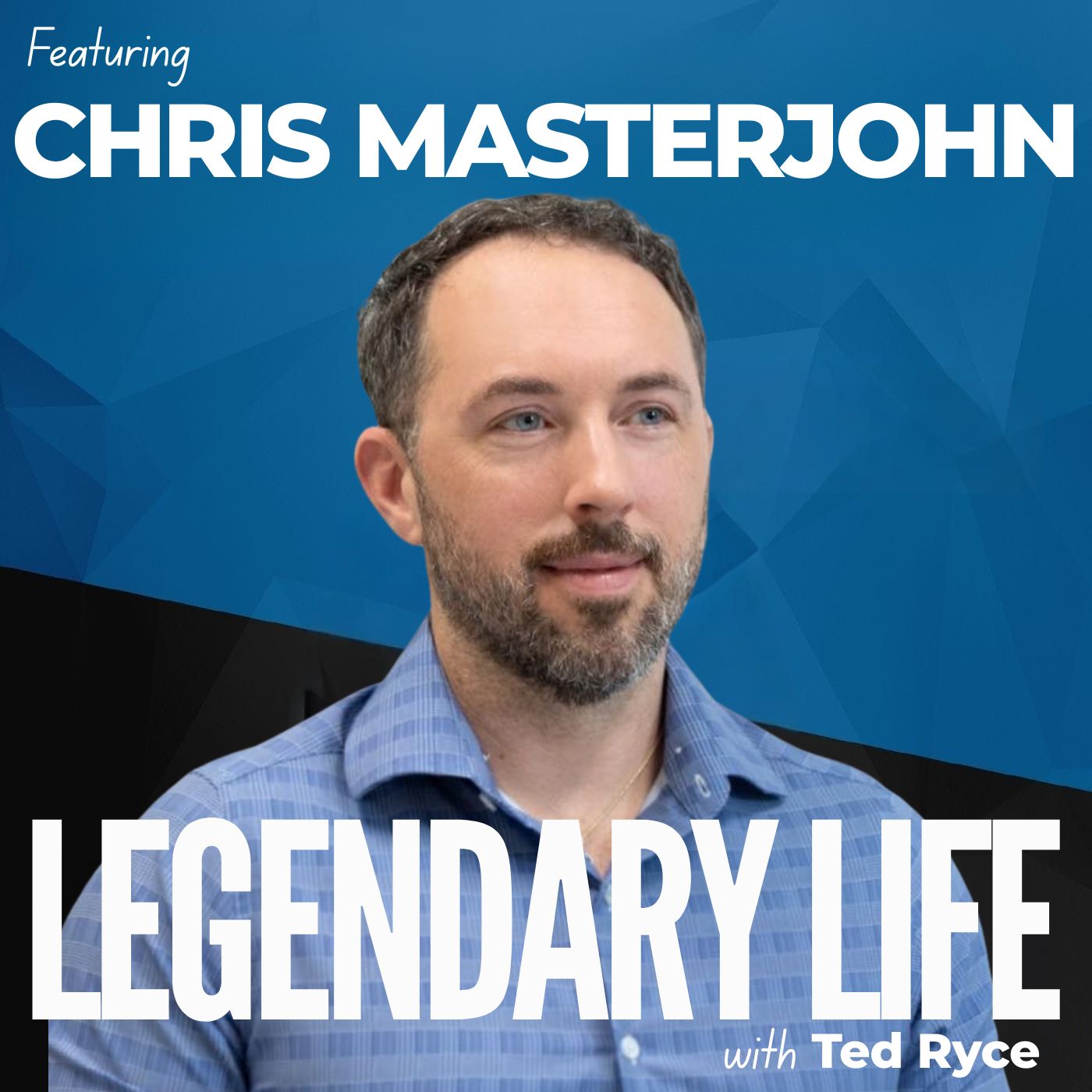
666: Mastering Nutrition: How to Think Clearly About Diet in a World of Conflicting Advice with Christopher Masterjohn
Nutrition debates today often feel more ideological than scientific. One of the biggest examples is the ongoing controversy around seed oils, where strong opinions exist on both sides but clear understanding is often missing. In this episode, Ted speaks with nutrition scientist Christopher Masterjohn to explore the history and research behind seed oils, cholesterol, fatty liver disease, and oxidative stress. They also discuss why nutrition debates become polarized, how choline intake influences liver health, and why metabolic markers like glucose and lactate can offer useful insights into personal metabolism. If you want a deeper, more nuanced understanding of one of the most debated topics in nutrition—and practical ways to think about your own diet—this conversation will challenge assumptions and expand your perspective. Listen now. Today's Guest Christopher Masterjohn Christopher Masterjohn is a nutrition scientist with a PhD in Nutritional Sciences. His work focuses on metabolism, micronutrients, and the biochemical mechanisms that influence long-term health. Through his research, writing, and educational platforms, he helps people understand how diet, metabolism, and lifestyle interact to shape metabolic health. Connect to Christopher Masterjohn Website: https://www.chrismasterjohn-phd.com Instagram: @chrismasterjohn X: @ChrisMasterjohn Substack: Harnessing the Power of Nutrients YouTube: @chrismasterjohn Podcast: Mastering Nutrition Podcast You'll learn: Why seed oils became widely promoted—and why the science remains controversial How polyunsaturated fats influence oxidative stress and long-term disease risk The overlooked role of choline in preventing fatty liver and supporting metabolic health How tracking glucose and lactate can provide deeper insight into metabolic function Chapters: 00:00 Introduction 02:43 Seed Oils Defined 04:20 PUFAs Oxidation Risks 05:53 Heart Disease History 07:51 Trials Cancer Concerns 10:49 Null Hypothesis Debate 18:34 Choline Fatty Liver 33:50 Added Oils and Real Life 39:40 Muscle Over Fat Loss 44:24 Accidental Deficits Example 46:14 Coaching Psychology Nuance 50:59 Lactate and Mitochondria 56:11 Wrap Up and Where to Find

665: How Passive Income Can Reduce Stress and Help You Live a Healthier Life with Mark Podolsky
Financial insecurity affects more than just your bank account, it influences stress, health decisions, and the freedom to live life on your own terms. In this episode, Ted sits down with land investing expert Mark Podolsky to discuss a little-known approach to building passive income through raw land. Mark explains how land investors buy undervalued property, sell it with owner financing, and generate recurring cash flow without the typical headaches of traditional real estate. Along the way, they explore the mindset shifts required to build wealth, the parallels between financial discipline and physical health, and why creating financial freedom can unlock more time, purpose, and control over your life. Listen now to learn how this unconventional strategy works. Today's Guest Mark Podolsky Mark Podolsky—also known as "The Land Geek"—is a raw land investor, entrepreneur, and author. Since 2001, he has completed more than 5,500 land deals through his company Frontier Equity Properties. Mark is also the author of Dirt Rich, where he teaches investors how to build passive income by buying and selling raw land without dealing with tenants, rehabs, or property management. Connect to Mark Podolsky: Website: TheLandGeek.com X: @TheLandGeek Book: Dirt Rich: How One Ambitiously Lazy Geek Created Passive Income in Real Estate Without Renters, Renovations, and Rehabs You'll learn: How raw land investing works and why it avoids many challenges of traditional real estate The simple model investors use to turn small land deals into recurring monthly cash flow Why financial freedom can reduce stress and improve long-term health decisions The mindset shifts required to build wealth and escape financial insecurity Links Mentioned: Connect with Ted on X, Instagram, Facebook, LinkedIn Books mentioned: Awareness The Second Mountain: The Quest for a Moral Life

664: Personal Trainer vs Online Coach: The Smarter Choice for Real Body Transformation Results Over 40
You've been working out for years—but you're still not where you want to be. In this episode, Ted breaks down the real differences between hiring a personal trainer and working with an online coach. Drawing from 27 years in the industry—including 19 years as a personal trainer and eight years running a fully online coaching practice—he explains where each model works, where it falls short, and why workouts are rarely the true bottleneck. If you're serious about getting leaner, healthier, and more consistent—without wasting more time or money—this episode will help you make the right decision. You'll learn: When personal training is the right choice—and when it's not Why effort, sweat, and "hard workouts" don't guarantee fat loss or progress How unmanaged hours outside the gym sabotage results What actually determine long-term success and why you need an online coach Chapters: (00:00) Introduction (02:37) In Person Versus Online (04:28) The Entertainment Trap (05:59) When Trainers Win (09:48) Track Data Not Sweat (12:09) Systems For Busy Lives (13:07) Workouts Are The Easy Part (14:32) Dan Case Study Fat Loss (16:30) Nutrition Flexibility Mindset (19:59) Labs And Metabolic Health (24:07) Stress Coaching And Wrap Up

663: How to Rewire Your Attachment Style for a Healthier Life with Thais Gibson, phD
Most people focus only on diet, training, and supplements when it comes to health—but often overlook one of the biggest drivers of stress and burnout: relationships. Chronic emotional stress can quietly dysregulate your nervous system and undermine your health, no matter how disciplined you are with fitness and nutrition. In this episode, Ted sits down with Thais Gibson to explore how attachment styles shape your relationships, stress response, and overall well-being. Thais explains how early attachment patterns influence adult behavior, why unresolved attachment wounds keep high achievers stuck in reactive cycles, and what it takes to create real nervous system regulation and lasting change beyond surface-level stress management. Today's Guest Thais Gibson: Thais Gibson is an attachment theory expert, author, and founder of the Personal Development School. With a background in psychology and neuroscience-based modalities, she specializes in helping people rewire subconscious attachment patterns, regulate their nervous systems, and build healthier relationships. Connect to Thais Gibson Website: University.PersonalDevelopmentSchool.com Instagram: @thepersonaldevelopmentschool Podcast: The Thais Gibson Podcast YouTube: @ThePersonalDevelopmentSchool You'll learn: Why attachment style is a subconscious "rulebook" that shapes adult relationships How unresolved attachment wounds dysregulate the nervous system How relationship stress can sabotage health, recovery, and emotional regulation Practical strategies for rewiring attachment wounds and improving regulation What Ted and Thais discuss: (00:00) Introduction (02:00) Relationships as the Missing Piece in Health & Fitness (08:36) The 4 Attachment Styles Explained (25:33) Thais Gibson's Story: Addiction, the Subconscious Mind & Why She Teaches This (31:14) From Self-Healing to Relationship Skills: Boundaries, Needs & Vulnerability (35:04) Moving Toward Secure Attachment: Wounds Drive Nervous System Dysregulation (39:18) Why Affirmations Fail: Rewiring the Subconscious with Emotions & Imagery (41:58) The 3-Step Rewiring Tool (49:29) Nervous System 101: Ventral vs Dorsal Vagal + Regulation Practices (54:07) Real-World Application: Stress, Meditation, and a New Baseline of Peace (58:32) Final Thoughts
You may also like




Get this podcast on your phone, Free


Create Your Podcast In Minutes
- Full-featured podcast site
- Unlimited storage and bandwidth
- Comprehensive podcast stats
- Distribute to Apple Podcasts, Spotify, and more
- Make money with your podcast