Episode List
The regulars
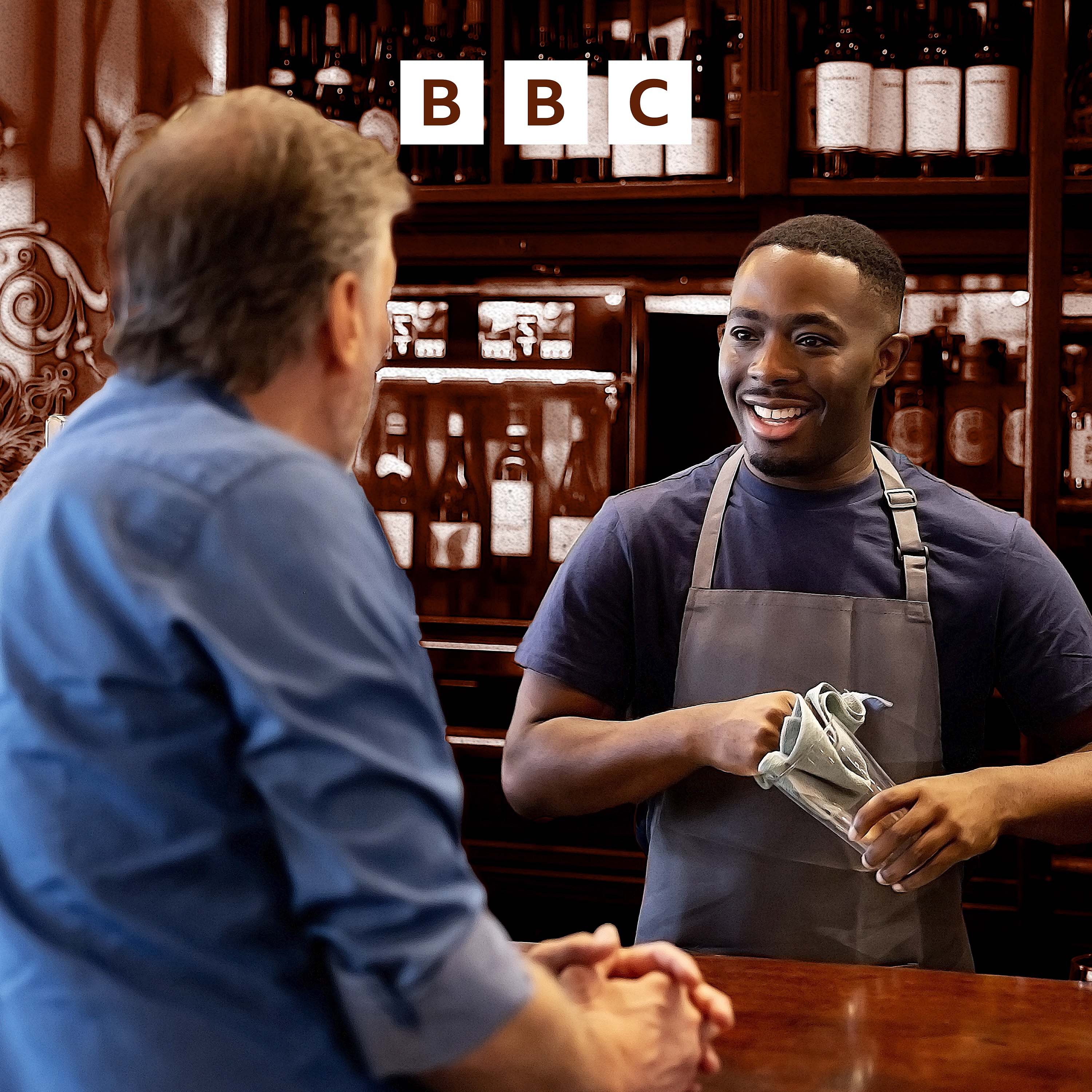
Do you have a local cafe, restaurant or bar that you go to all the time? Maybe the staff recognise you or know you by name, perhaps you even get special treatment. In this programme Rumella Dasgupta finds out why people like to return to the same place, and the commercial value to a business of having regular customers. You can contact the programme by emailing thefoodchain@bbc.co.uk. Produced by Izzy Greenfield. (Image: a man sat at a bar chatting to a barman who is wearing an apron and cleaning a glass. Credit: Getty Images)

Leaving home
Moving out of the family home can be a big first step at whatever age you do it. Paying bills, budgeting, shopping, and importantly cooking for yourself. In this programme Rumella Dasgupta asks what dishes you should be able to cook when you leave home for the first time. Rumella meets chef and food writer Claire Thomson and her daughter Grace Williamson in their kitchen in Bristol, England. Claire's latest cookbook, 'Dear Grace: Recipes from Your Mother for the Next Chapter in Life', was written when Grace left home for university a year ago. At Salford Youth Zone, a youth centre in the North of England, Rumella talks to teenagers about how confident they feel in the kitchen. Shahpar Salim in Bangladesh talks about the challenges of leaving home for a new country when she came to the UK for her studies. Food writer and editor Yeonjoo Jung explains why young people often live at home throughout their twenties in South Korea. And mothers in the United States tell us how mealtimes changed once faced with the so-called 'empty nest'. If you would like to get in touch with the show, please email: thefoodchain@bbc.co.ukProduced by Beatrice Pickup. (Image: a young woman standing in a green open doorway holding a suitcase and looking hopeful. Credit: Getty Images)
What can food tell us about the past?
What can food reveal about the people who came before us? From ancient meals and family recipes to the chemical traces left behind in bones and teeth, food offers remarkable clues about how people lived, travelled and survived.In this episode, Ruth Alexander explores how historians, archaeologists and old cookbooks are helping us piece together the story of our past.Historian Professor Peter Scholliers explains how something as ordinary as the changing price of food can reveal shifts in society, politics and everyday life. In India, author and historian Tarana Khan takes us inside a remarkable collection of two-hundred-year-old cookbooks from Rampur, uncovering forgotten recipes that reveal changing tastes, cultures and identities. And in Scotland, archaeologist Dr Sam Leggett explains how scientific analysis of ancient bones and teeth can reconstruct diets, migrations and even challenge long-held assumptions about the lives of people in the past.They explore how food can reveal trade routes, social class, cultural exchange, climate change, migration and the choices people made around the dinner table centuries ago.From old recipe books to archaeological discoveries, we discover how food helps us understand not only where we've come from, but how our relationship with food continues to shape the world today.If you'd like to get in touch with the programme, please email: thefoodchain@bbc.co.ukProducer: Beatrice Pickup Sound engineer: Hal Haines Picture: Getty
Should I cut down on carbs?
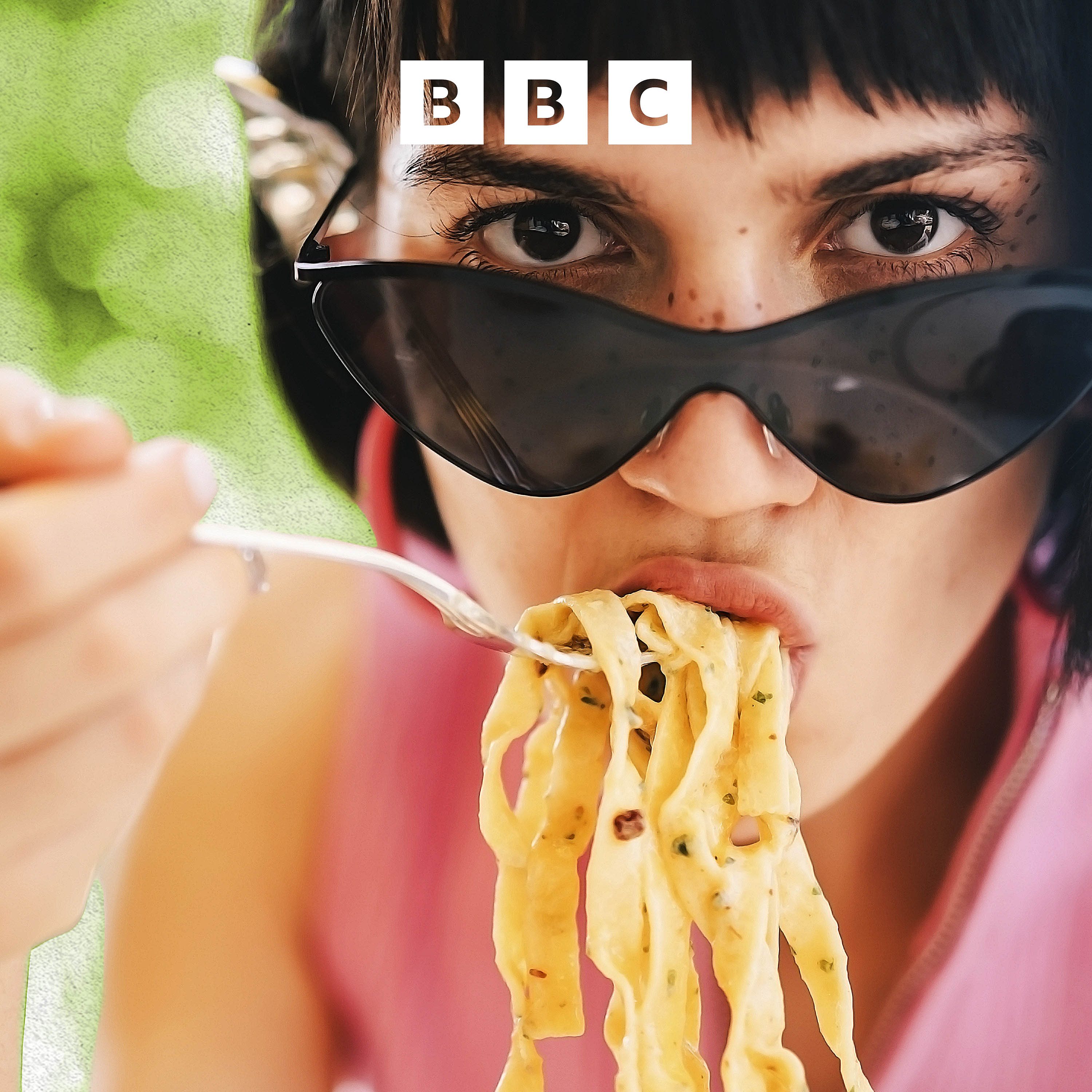
Have you ever asked yourself: should I do Keto? Is white rice good for me? Am I eating too many carbohydrates? If so, then this episode of The Food Chain is for you. Carbohydrate-rich foods are everywhere and they’re delicious. But are they good for us? Carbs have a reputation for spiking our blood sugar and making us fat. But is that reputation deserved? Ruth Alexander talks to Javier Gonzalez, Professor of Nutrition and Metabolism at the University of Bath in England and US-based dietitian Julie Stefanski from the Academy of Nutrition and Dietetics to find out whether we’ve been approaching carbohydrates all wrong. Plus: are there some populations who need to think more carefully about carbs than others? Dr Nelum Dharmapriya thinks so. She’s an Australian family doctor with a special interest in metabolic health in South Asian populations. She advises her patients to make some tweaks to the traditional South Asian carbohydrate-rich diet and says it can be done without losing heritage and identity.If you would like to get in touch with the show, please email: thefoodchain@bbc.co.ukProduced by Lexy O'Connor and Beatrice Pickup.(Image: A woman stares over her sunglasses as she slurps pasta from a fork in a sunlit garden.Credit: Getty images/BBC)
When should I eat my evening meal?
When should you eat your evening meal? Is it really better to eat earlier, or does it depend on when you go to bed? And if you do have to eat late, is there anything you can do to reduce the impact on your health?In this episode of The Food Chain, Ruth Alexander explores what science says about the timing of dinner. From our internal body clocks to the food on our plates, we examine how the evening meal affects our metabolism, digestion and overall health, and separate the evidence from the myths.Circadian rhythm researcher Dr Emily Manoogian, from the Salk Institute in California, explains what happens inside the body as the day progresses, why eating close to bedtime can affect the way we process food, and whether biology cares more about the clock or our own sleep schedule.Nutrition scientist Professor Sarah Berry from King's College London shares practical advice on what a healthy evening meal should look like. Around the world, however, people eat dinner at vastly different times. Food historian Professor Jeffrey Pilcher from the University of Toronto explains why meal times vary so much between cultures, how work, family life and history have shaped the evening meal, and why there has never been one universal way to organise dinner.If you'd like to get in touch with the programme, please email: thefoodchain@bbc.co.ukProducer: Izzy Greenfield Sound engineer: Hal Haines Picture: Getty (plate of food indicating the time)
You may also like









Get this podcast on your phone, Free


Create Your Podcast In Minutes
- Full-featured podcast site
- Unlimited storage and bandwidth
- Comprehensive podcast stats
- Distribute to Apple Podcasts, Spotify, and more
- Make money with your podcast
