

Society & Culture
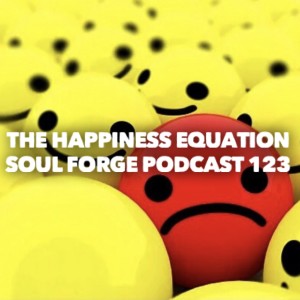
The happiness equation was born out of a feeling of being doomed to unhappiness. As if the universe would not allow joy to exist. The technical name is cherophobia or fear of happiness. It is an attitude towards happiness in which individuals may deliberately avoid experiences that invoke positive emotions or happiness.
There is the belief that when one becomes happy, a negative event will soon occur that will taint that happiness; as if punishing that individual for satisfaction. There are 4 reasons for this feeling. (1) a belief that happiness will cause bad things to happen; (2) that happiness will cause you to become a bad person; (3) that expressing happiness is somehow bad for you and others; and (4) that pursuing happiness is bad for you and others.
We’re designed to suffer in a sense. Natural selection also designed gratification to evaporate and designed us to keep pursuing it desperately after it evaporates. And to try to cling to it, even though that’s impossible.
Our reactions and emotions make us worry. Happiness is the consequence of taming the wild horse that is our mind.
The journey to happiness requires looking into the face of reality. Buddhism focuses on taming the mind and its various delusions, misunderstandings, and cravings. To attain equanimity — a deep sense of well-being and happiness — requires daily learning and practice.
Happiness is not just a dreamy state of mind. It creates measurable outcomes, as demonstrated by various studies:
Happy people have stronger immune systems and tend to live longer.
Happy people are more creative.
Happy people are more collaborative at work.
Happy people are more successful in their personal and professional lives.
Happy people do better in social relationships.
Happy people effectively bounce back from adversity.
Happy people are more accepting of themselves and others.
This week's podcast promo: PWR Spot Show
More Episodes
 2024-10-03
 158
2024-09-26
82
2024-09-12
106
2024-09-05
86
2024-08-29
176
2024-08-22
81
2024-08-15
79
2024-08-08
72
2024-08-01
83
2024-07-25
63
2024-07-11
81
2024-07-04
83
2024-06-27
97
2024-06-20
87
2024-06-13
78
2024-06-05
132
2024-05-30
122
2024-05-16
90
2024-05-02
98
2024-04-25
71
158
2024-09-26
82
2024-09-12
106
2024-09-05
86
2024-08-29
176
2024-08-22
81
2024-08-15
79
2024-08-08
72
2024-08-01
83
2024-07-25
63
2024-07-11
81
2024-07-04
83
2024-06-27
97
2024-06-20
87
2024-06-13
78
2024-06-05
132
2024-05-30
122
2024-05-16
90
2024-05-02
98
2024-04-25
71

Get this podcast on your
phone, FREE